(NEW ORLEANS, LOUISIANA, USA) Immigration advocates in New Orleans said federal agents deported two mothers and three young U.S.-citizen children in predawn removals after lawyers raced to court for emergency orders. Advocates say the sequence demonstrates how quickly families can be put on a plane even when they may have legal options to stay.
The allegations circulated alongside other community messages claiming a “single father of six U.S. citizen children” sought a “special visa” but was still deported by ICE. Based on the material provided, no public search results in the cited sources describe that specific case. The closest recent incidents described involve two mothers taken by the ICE New Orleans Field Office — not a father, and not six children.
What advocates say happened in New Orleans
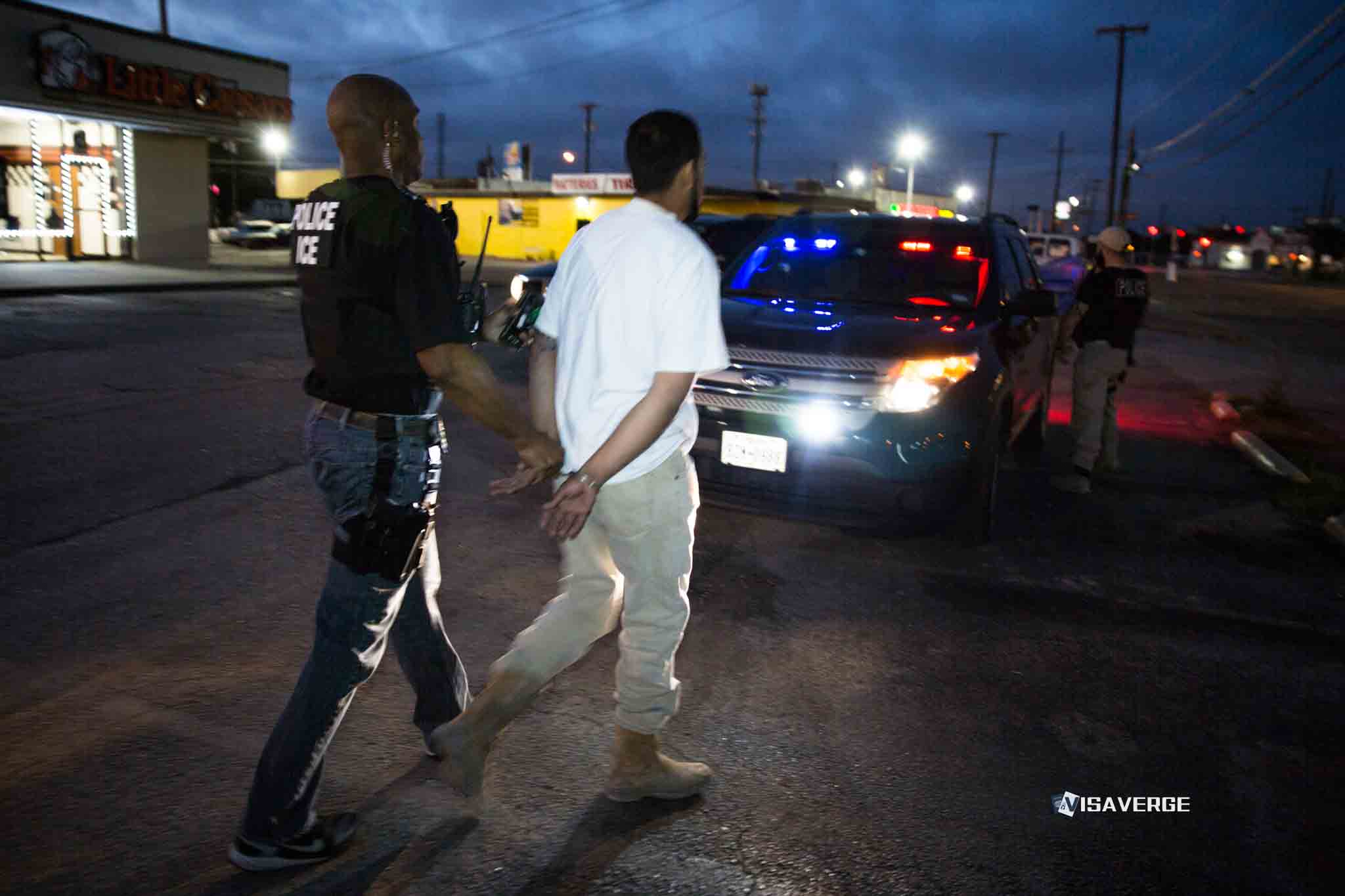
Advocates described a rapid chain of events in which judicial relief was sought but not resolved before removal.
- Attorneys filed a habeas corpus petition and requested a temporary restraining order.
- Despite those filings — and alleged assurances that removals would be delayed 24 to 48 hours — deportations were carried out at 6 a.m..
- The groups said the families were held “incommunicado,” cutting off contact with lawyers and loved ones, and that attorneys were denied access.
One mother was pregnant, according to the groups. The other was deported with a child who has metastatic cancer; advocates said the child was removed without medication. The groups said three U.S.-citizen children — ages 2, 4, and 7 — were deported with their mothers.
The source material does not provide the families’ names or the destination country, making independent identification impossible from the provided record.
“ICE’s actions show a blatant violation of due process and basic human rights. The families were disappeared, cut off from their lawyers and loved ones, and rushed to be deported, stripping their parents of the chance to protect their U.S. citizen children,”
— Teresa Reyes-Flores, Southeast Dignity not Detention Coalition
Policy context and the tension between speed and family unity
The claims have intensified an ongoing dispute over how Immigration and Customs Enforcement (ICE) balances fast removals with family unity when parents in custody have U.S.-citizen children.
- ICE policy has required officers to accommodate guardianship and caregiving arrangements “to the extent practicable” before deportation.
- The material notes the policy has shifted away from stressing in-person visitation for detained parents.
- Enforcement often lacks coordination with child welfare systems.
In practice, advocates say, the time between an arrest, a transfer, and a flight can be so short that:
- family court plans fail,
- school pickups are missed, and
- medical needs go unmet.
Those realities clash with how immigration cases are built: relief claims can take time, while detention decisions and removal logistics can move in hours.
The viral “single father of six” claim and why it spread
The unverified story about a “single father of six U.S. citizen children” seeking a “special visa” gained traction among mixed-status families, lawyers, and church communities in New Orleans because it echoes a broader pattern described in the sources:
- Parents can be removed while their U.S.-citizen children are either left behind or taken out of the country with them.
- The government does not consistently track which outcome occurs, deepening fears and uncertainty.
Although the specific single-father account could not be confirmed from the provided sources, the pattern it reflects is a documented concern in the material.
Scale of the issue (data from the material)
The provided figures emphasize the scope of parents deported who have U.S.-born children:
| Metric | Figure |
|---|---|
| Parents of U.S.-born children deported in 2019 | 27,980 |
| People deported (2013–2018) who reported having U.S.-citizen children | 231,000+ |
The government, the material notes, does not track whether those children remained in the United States 🇺🇸 or left with their parents. This gap makes it difficult to measure how often removals result in family separation or forced relocation of U.S. citizens.
“Special visa” confusion and common forms of relief
The term “special visa” is often shorthand for several different legal options, and that confusion can be costly.
- The source material does not confirm the New Orleans mothers had a “special visa” pending, nor does it identify any visa-based application filed for them.
- It does state that “families had potential immigration relief,” suggesting attorneys believed there were legal arguments worth court review before removal.
One common form of relief is cancellation of removal for nonpermanent residents. Key requirements include:
- At least 10 years of physical presence in the United States.
- Good moral character.
- Proof that deportation would cause “exceptional and extremely unusual hardship” to a U.S.-citizen or lawful permanent resident spouse, parent, or child.
- Historically, this relief is granted in under 4% of cases, so even strong family ties do not guarantee success.
- Cancellation of removal is decided in immigration court and is not a quick paper fix; it typically requires hearings, evidence, and time.
- People who qualify generally apply on the immigration court form EOIR-42B, available at: https://www.justice.gov/eoir/forms
Lawyers say that when a deportation happens before a judge can hear a claim, even a potentially strong case may never be decided on the merits.
Detention policy, counsel access, and real-world consequences
Analysis by VisaVerge.com — cited in the material — argues that detention policies can shape outcomes as much as the law itself because:
- Access to counsel,
- Time to gather medical records, and
- Time to line up a caregiver
can be as decisive as the legal standard a judge applies.
Advocates in New Orleans said they filed emergency court papers, yet the removals occurred regardless. When courts do not rule before a flight leaves, families face an impossible choice:
- a U.S.-citizen child stays in the United States without a parent, or
- the child leaves the country even though the child is a citizen.
Community impact and takeaways
For New Orleans communities, the immediate concerns are both specific and symbolic:
- What happened to the two families described by advocates?
- What does the episode signal to other parents deciding whether to attend ICE check-ins, seek hospital care, or ask courts for protection?
Even without confirmation of the circulating “single father of six” story, the message families heard from the New Orleans deportations was blunt: if ICE moves quickly enough, a parent can be removed before lawyers can get a judge to press pause.
Advocates in New Orleans report that ICE deported two mothers and three U.S.-citizen children in a predawn operation, allegedly bypassing emergency legal petitions and depriving a sick child of medication. While a specific viral story about a father of six remains unverified, the cases illustrate broader data showing tens of thousands of parents with U.S.-citizen children are deported annually without adequate family unity protections.