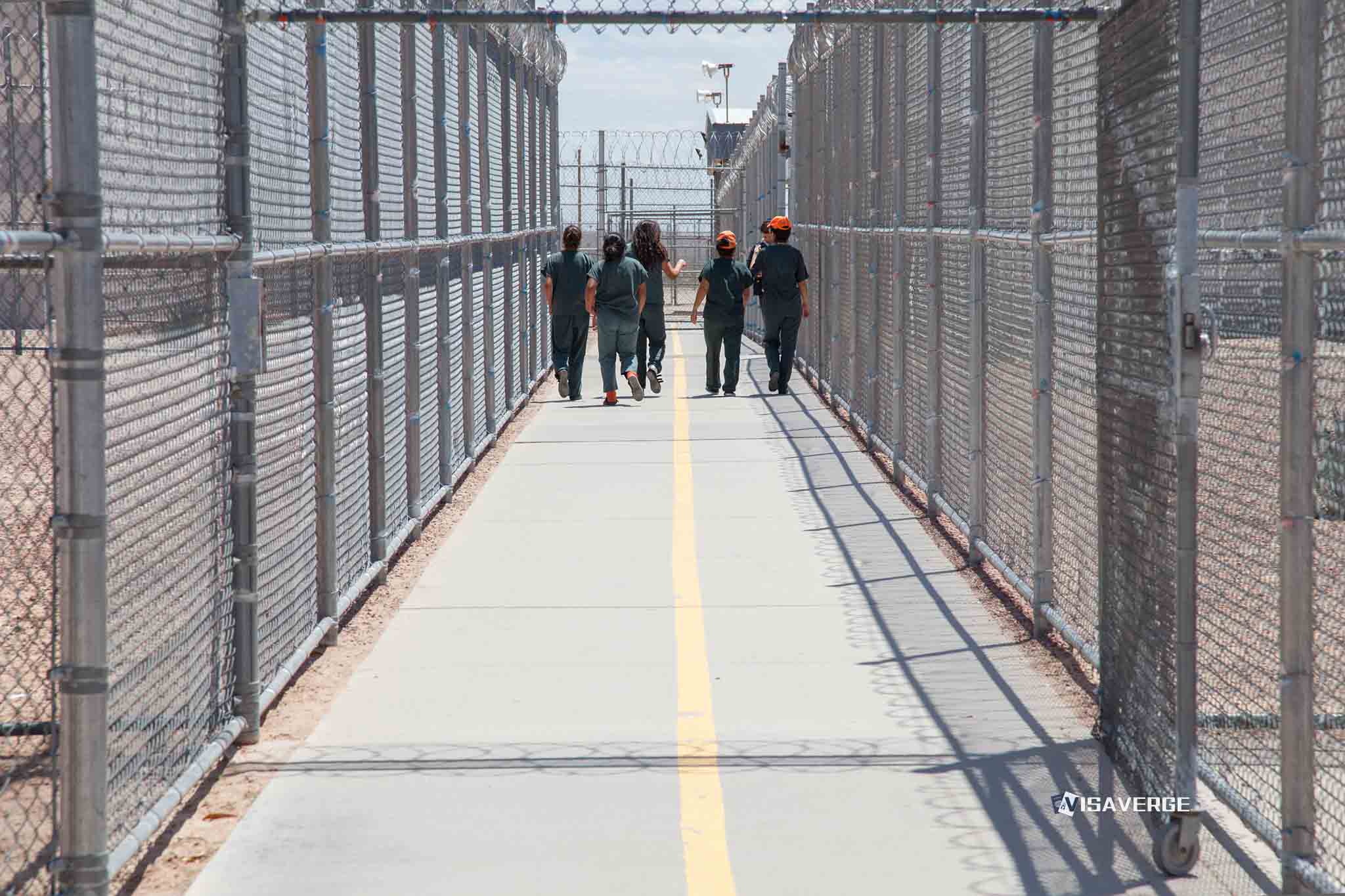
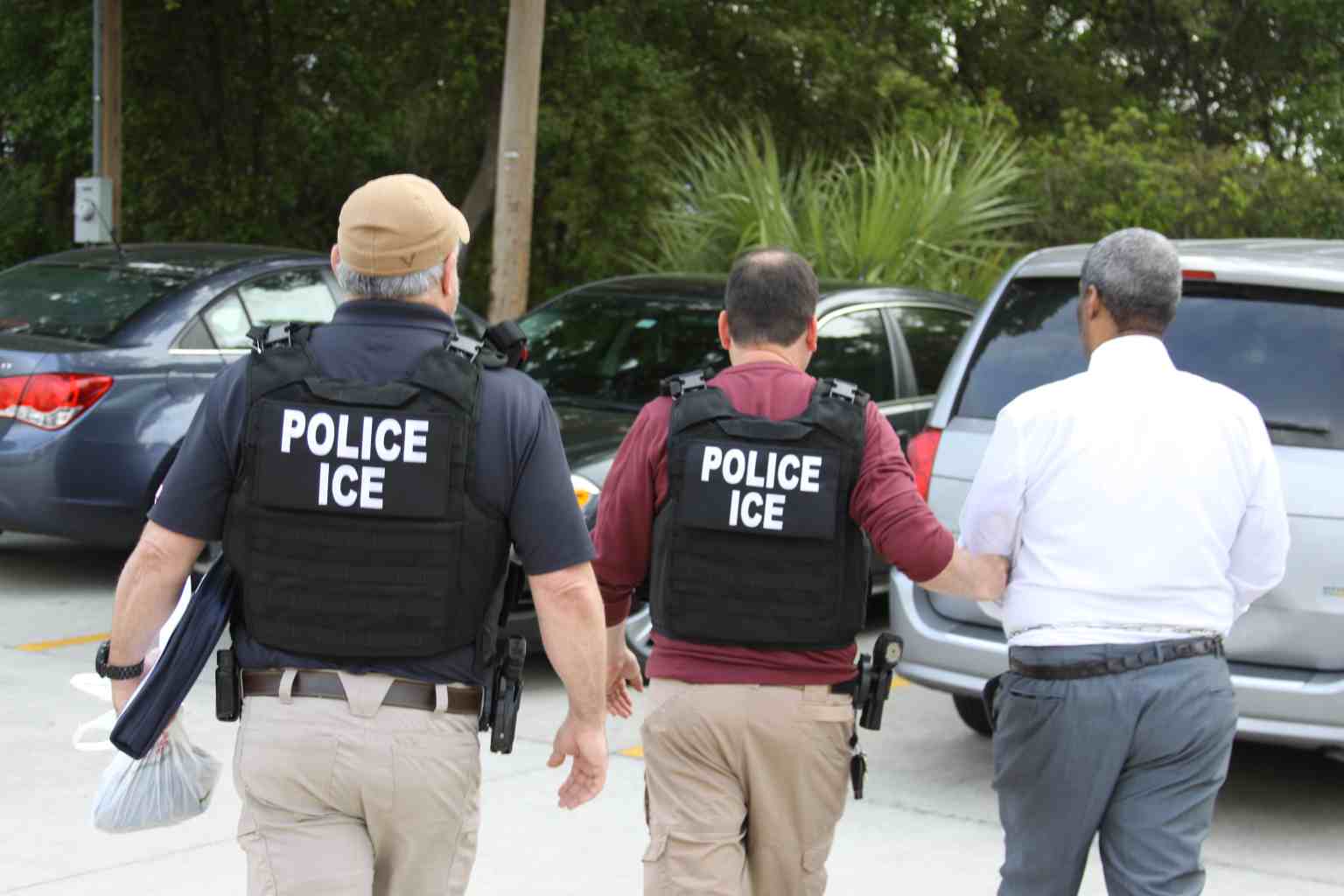
- Toledo residents and activists held competing immigration enforcement rallies following a recent national surge in ICE activity.
- A 1974 legal precedent remains the foundational public charge standard used by federal agencies to deny admission.
- Operation PARRIS and refugee reexaminations are intensifying interior enforcement risks for mixed-status families across the Midwest.
(TOLEDO, OHIO) — A new wave of immigration enforcement announcements is colliding with a long-standing legal framework that gives the federal government wide latitude to deny admission based on “public charge,” a doctrine the Board of Immigration Appeals defined decades ago in Matter of Harutunian, 14 I&N Dec. 583 (BIA 1974)—and that practical reality is now shaping the risk calculus for families and employers far from the border, including in Toledo, as protests and counter-protests flare over the current immigration crackdown and ICE activity.
The Toledo demonstrations on Jan. 18, 2026, were not about a single courtroom ruling. But they reflect something immigration lawyers see often: when enforcement accelerates, people move quickly from “I’ll deal with it later” to “I need a plan,” and older precedent suddenly matters again because it sets the baseline rules agencies and courts will apply.
1) Rally in Toledo: Overview and Context
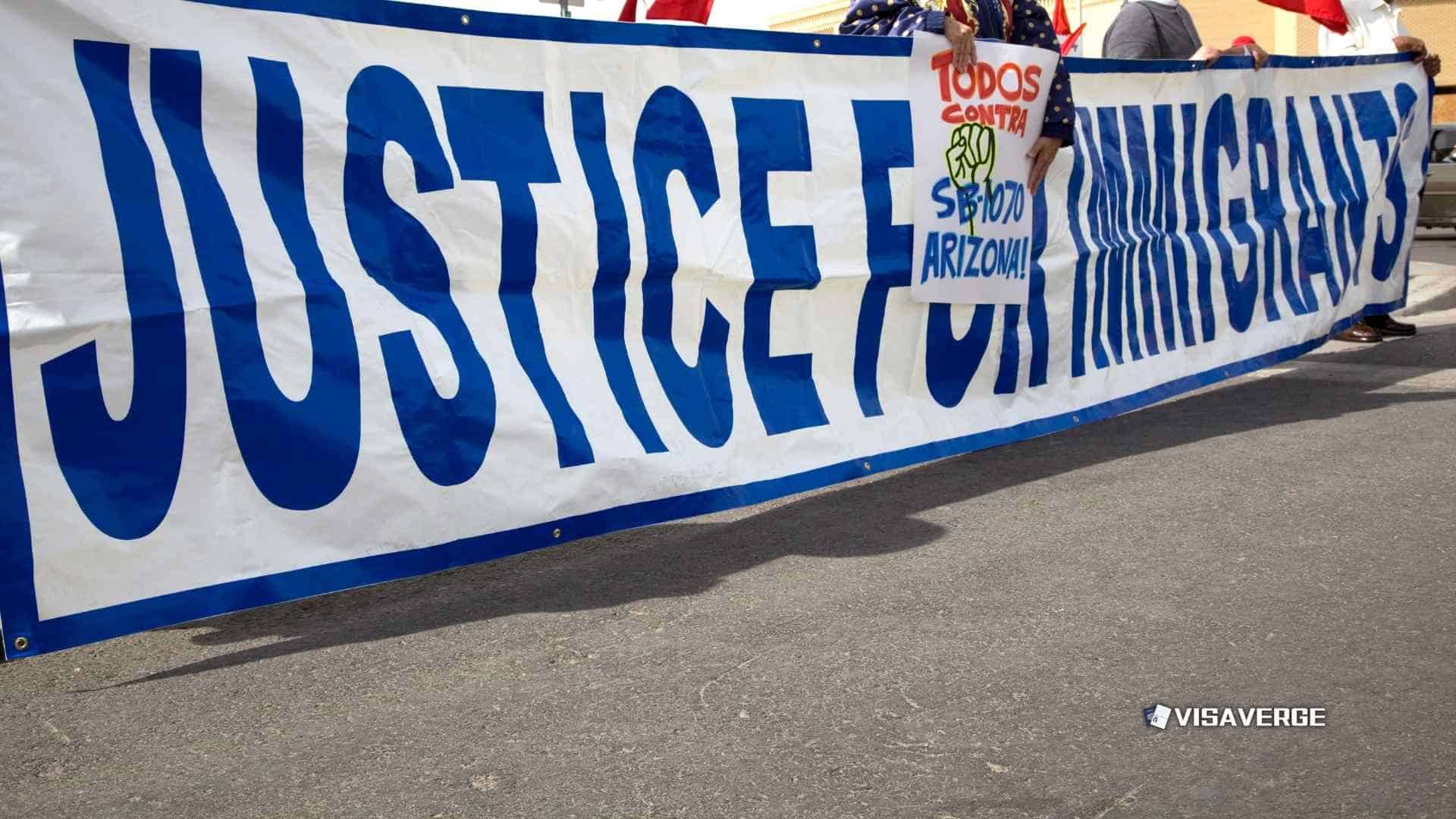
On Sunday evening, hundreds of people lined Clayton Street in downtown Toledo, chanting anti-ICE slogans and carrying signs criticizing what organizers called a “militarized” immigration crackdown. The tone was urgent and accusatory, with speakers warning residents to prepare for enforcement activity in neighborhoods and workplaces.
Toledo also saw a smaller, earlier “pro-ICE” gathering at the city’s war memorial. That kind of dueling demonstration is not just political theater; for immigrants and mixed-status families, it can signal polarization that increases day-to-day pressure points—more calls to local police, more reports to federal tip lines, and more anxiety about any interaction that could lead to identity checks or referrals.
Organizers reported mutual-aid tactics aimed at rapid alerts, including distributing whistle kits intended to signal perceived ICE presence. Whether or not any given report is accurate, these tactics tend to change behavior immediately: people cancel medical appointments, stop driving, avoid court dates, and miss work.
That is where legal risk can grow fast—because missed hearings and missed filing deadlines can create consequences independent of the underlying immigration claim. Just as importantly, local actions like Toledo’s rally often drive “Know Your Rights” sessions and consultations.
In practice, that can be beneficial if it leads to document readiness (proof of identity, proof of residence, proof of pending applications) and screened referrals to qualified counsel.
Warning: Do not rely on community “hotline” rumors as a substitute for legal advice. Verify anything that affects your case through official channels and a licensed attorney.
- → Source OfficialDHS Newsroom statement responding to the Minneapolis shooting (dated January 7, 2026)
- → Source OfficialDHS announcement of Operation PARRIS to reexamine refugee cases (dated January 9, 2026)
- → Source OfficialU.S. State Department press release announcing an immigrant visa pause (dated January 14, 2026)
- → Source OfficialUSCIS Newsroom updates used for verification and cross-checking
Items listed are primary official sources used for reference and verification.
2) Trigger Event and National Context
Organizers in Toledo tied their protest to the Jan. 7, 2026 fatal shooting of Renee Nicole Macklin Good in Minneapolis by an ICE agent during what DHS described as targeted operations. That incident, and the competing narratives around it, illustrates how fast-moving events can reshape enforcement posture and public messaging.
National ripple effects can show up locally in several ways: increased enforcement visibility, higher rates of public reporting, rapid shifts in agency messaging, and intensified misinformation online. In many communities, that combination produces two simultaneous trends: (1) fear-driven avoidance of government contact; and (2) a rush to file or “do something,” sometimes with unqualified help.
For readers trying to separate verified government action from advocacy framing, the most reliable dividing line is documentation: official press releases and alerts on agency domains, and—when they exist—Federal Register notices and formal guidance. Advocacy groups may accurately describe on-the-ground impacts, but they do not control legal standards, deadlines, or eligibility rules.
3) Official Government Statements and Actions (Early 2026)
Three categories of official statements matter here, because they come from different legal authorities with different effects:
- DHS (including ICE): enforcement priorities, operations, detention posture, and incident responses. DHS statements can influence arrest patterns, custody decisions, and operational focus, but they do not by themselves grant or take away an immigration status.
- USCIS: benefits adjudication inside the United States, including refugee-related processing steps and many humanitarian and employment filings. USCIS initiatives can trigger interviews, requests for evidence, or fraud inquiries with real case consequences.
- State Department (DOS): consular processing and visa issuance abroad. DOS announcements can affect whether immigrant visa cases move at all, and consular decisions are often difficult to challenge in court due to doctrines limiting judicial review.
Based on the official materials referenced in the source content, the government issued multiple statements and announcements in early January 2026, including an incident-response statement about the Minneapolis shooting, an initiative to reexamine refugee cases under Operation PARRIS, and a DOS announcement pausing certain immigrant visa processing.
Readers should note the difference between an announcement date and an implementation date. Transitional rules, exceptions, and waivers—if offered—may be released later through agency guidance.
To confirm what is “official,” start with agency newsroom pages and press-release archives, and read the full text rather than summaries.
4) Key Policies and Statistics: What They May Change in Real Life
Several policy threads in the current crackdown have distinct legal pathways and different audiences.
Operation PARRIS and refugee reexaminations. A program described as “reexamine” or “reverify” typically signals more than paperwork. In practice it can mean re-screening, new interviews, fraud vetting, record checks, and, in some cases, detention or transfer if ICE becomes involved.
Refugees and asylees often have strong protection under U.S. law, but they are not immune from enforcement if the government alleges fraud, criminal grounds, or other inadmissibility or removability issues. If someone is placed in removal proceedings, the forum shifts to EOIR immigration court, with appeals to the BIA.
TPS terminations. Termination of Temporary Protected Status affects work authorization and protection from removal for covered nationals, but the timeline and practical consequences can be complicated by re-registration rules, automatic EAD extensions, and litigation.
TPS is governed by statute and regulation (generally INA § 244 and related DHS notices). People should monitor official USCIS TPS page updates (USCIS Temporary Protected Status), because the fine print—who is covered, and until when—often controls employment and benefits eligibility.
Immigrant visa pause and “public charge” framing. DOS described the pause using “public charge” language, which ties directly to INA § 212(a)(4) (inadmissibility based on likelihood of becoming a public charge). This is where Matter of Harutunian, 14 I&N Dec. 583 (BIA 1974) remains a foundational reference point.
Harutunian explains that “public charge” is a forward-looking determination based on the “totality of the circumstances,” not a single factor. It commonly includes age, health, family status, assets/resources, and financial status—factors that naturally intersect with healthcare, disability, and insurance access.
Although Harutunian is a BIA decision, its practical influence extends beyond courtrooms because it reflects how the “public charge” idea has been treated in immigration law. That said, visa adjudications abroad are primarily controlled by DOS policy and consular practice, and standards have shifted over time through regulations and guidance.
Applicants abroad should not assume that having used lawful healthcare services automatically bars them. The analysis is fact-specific, and documentary preparation matters.
Enforcement expansion and resources. Capacity and funding goals—especially for detention—can increase interior enforcement, which changes the legal needs of communities: bond hearings, custody reviews, criminal-immigration coordination, and rapid-response representation for people transferred far from home.
Deadline Watch: If your status depends on TPS, track the country-specific termination timelines and any automatic EAD extension language on the USCIS TPS page. Missing a re-registration window can be hard to fix later.
5) Significance and Impacts on Communities
Midwestern cities like Toledo can feel an interior-enforcement push in specific ways: anxiety about traffic stops, fears around courthouse attendance, and sudden worksite disruptions. Even without a formal “raid,” increased ICE activity can lead to abrupt staffing losses, reduced clinic attendance, and canceled travel—especially among families with pending cases or mixed status.
The economic disruption pathway is often indirect. People avoid routine healthcare and school meetings, skip paychecks, and reduce money transfers. Employers face last-minute absences and turnover, sometimes triggering I-9 compliance questions they have not revisited in years.
Schools and service providers see increased trauma responses, including “family safety plans” that designate caregivers and collect emergency contact information.
Community preparedness can be constructive when it is accurate and lawful. That includes “Know Your Rights” trainings that emphasize the difference between an administrative warrant and a judicial warrant, and lawful observation practices that do not interfere with officers.
It also includes building a personal case file: copies of filings, receipt notices, prior orders, and attorney contact information.
Warning: Avoid “notario” services and anyone guaranteeing results. In enforcement surges, scams rise quickly, and bad filings can trigger long-term harm.
6) Sources and Credibility Notes: How to Verify What’s Actionable
When policies are moving fast, credibility is a legal issue, not just a media issue. The safest verification path is official agency sources—USCIS, DHS, DOS—and the EOIR portal for immigration court information (EOIR (Immigration Courts)).
Confirm authenticity by checking the domain, the press-release archive location, and whether the statement links to implementation guidance. When claims conflict, look for: (1) an effective date; (2) who is covered; (3) whether there are exceptions or waivers; and (4) whether litigation has paused implementation.
Keep a personal timeline of notices received (letters, emails, online account status screenshots) and save copies. The government’s visa-processing pause described in the source content lists a specific effective date—January 21, 2026—which is the kind of detail that can determine whether a case moves forward or is held.
Practical takeaways for readers in Toledo and beyond
- If ICE contact is a concern, prepare documents now. Keep copies of IDs, immigration receipts, prior orders, and attorney contact info in a safe place.
- If you are a refugee or TPS holder, do not wait for rumors. Watch official USCIS updates and seek counsel early if you receive interview notices or enforcement-related contact.
- If you are applying for an immigrant visa, treat “public charge” as a documentation problem. Evidence of support, insurance planning, and a clear record can matter. The legal framework is fact-specific under INA § 212(a)(4) and longstanding precedent like Matter of Harutunian.
- If you have any arrest history or prior removal order, consult an attorney before filing anything. Small mistakes can trigger detention or bars to relief.
Legal resources (official):
⚖️ Legal Disclaimer: This article provides general information about immigration law and is not legal advice. Immigration cases are highly fact-specific, and laws vary by jurisdiction. Consult a qualified immigration attorney for advice about your specific situation.
Resources:
Related Coverage