- Operation Metro Surge targets Liberian nationals with criminal convictions, challenging existing DED protections across several states.
- DHS officials focus enforcement on serious criminal offenders while civil liberties groups raise constitutional concerns.
- A Minnesota judge recently ordered the release of a detainee after finding an ICE arrest unlawful.
(MINNESOTA) — Operation Metro Surge is a large-scale enforcement campaign run by the U.S. Department of Homeland Security (DHS) and U.S. Immigration and Customs Enforcement (ICE) that has recently focused attention on Liberian nationals with criminal convictions and the limits of Liberia’s Deferred Enforced Departure (DED) protections.
Overview of Operation Metro Surge

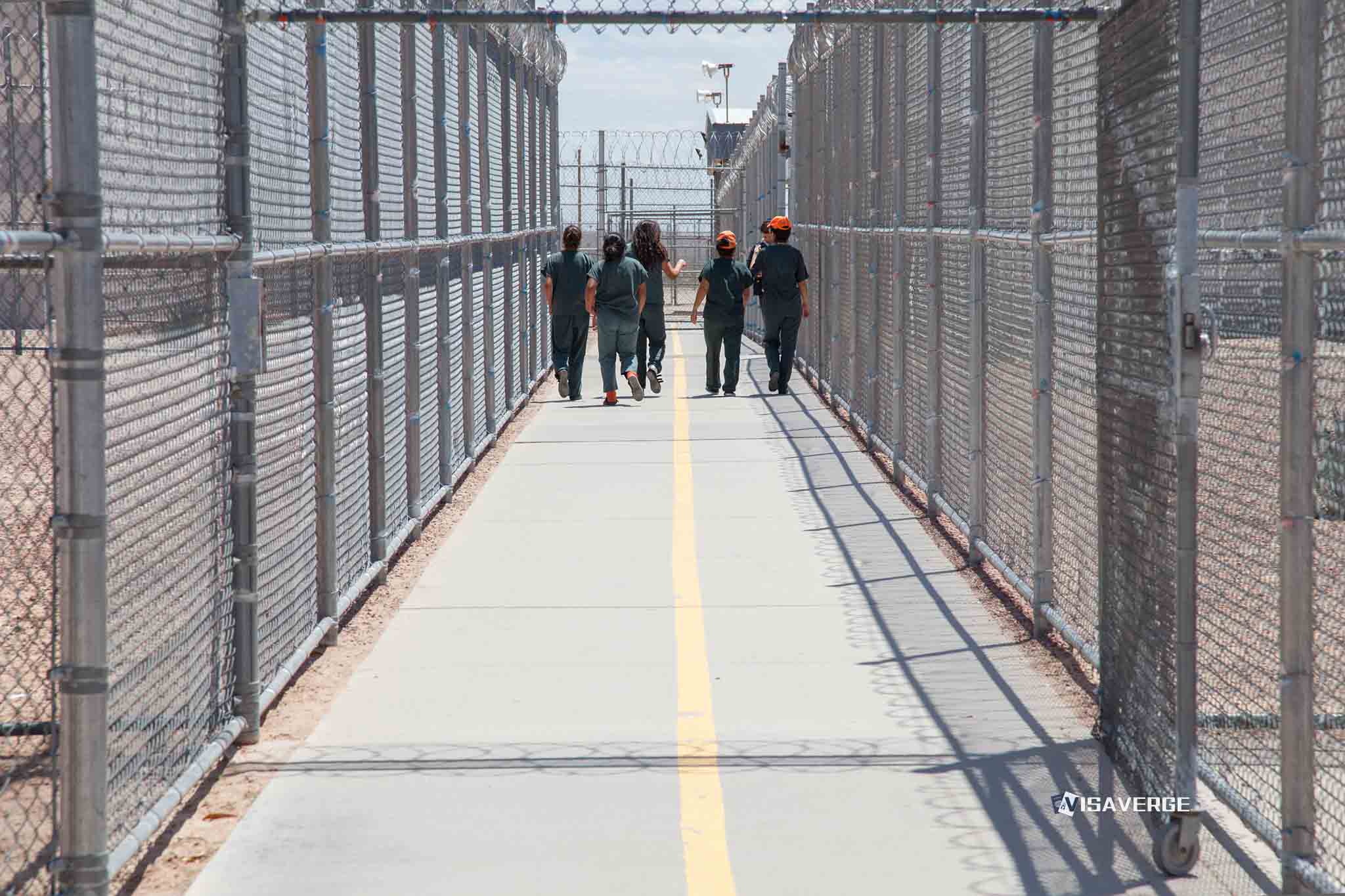
Operation Metro Surge refers to a coordinated DHS/ICE effort to find, arrest, and detain noncitizens whom the government describes as serious criminal offenders. Reports tied to the operation have put special focus on Liberian nationals in multiple states, including the Minneapolis–St. Paul area, Philadelphia, and Phoenix.
Raids and custody transfers have been reported in Minnesota, Pennsylvania, and Arizona. Headlines can blur key differences in what actually happened to a person.
Immigration enforcement actions often fall into separate steps. Understanding these steps helps families and advocates interpret media reports and agency statements.
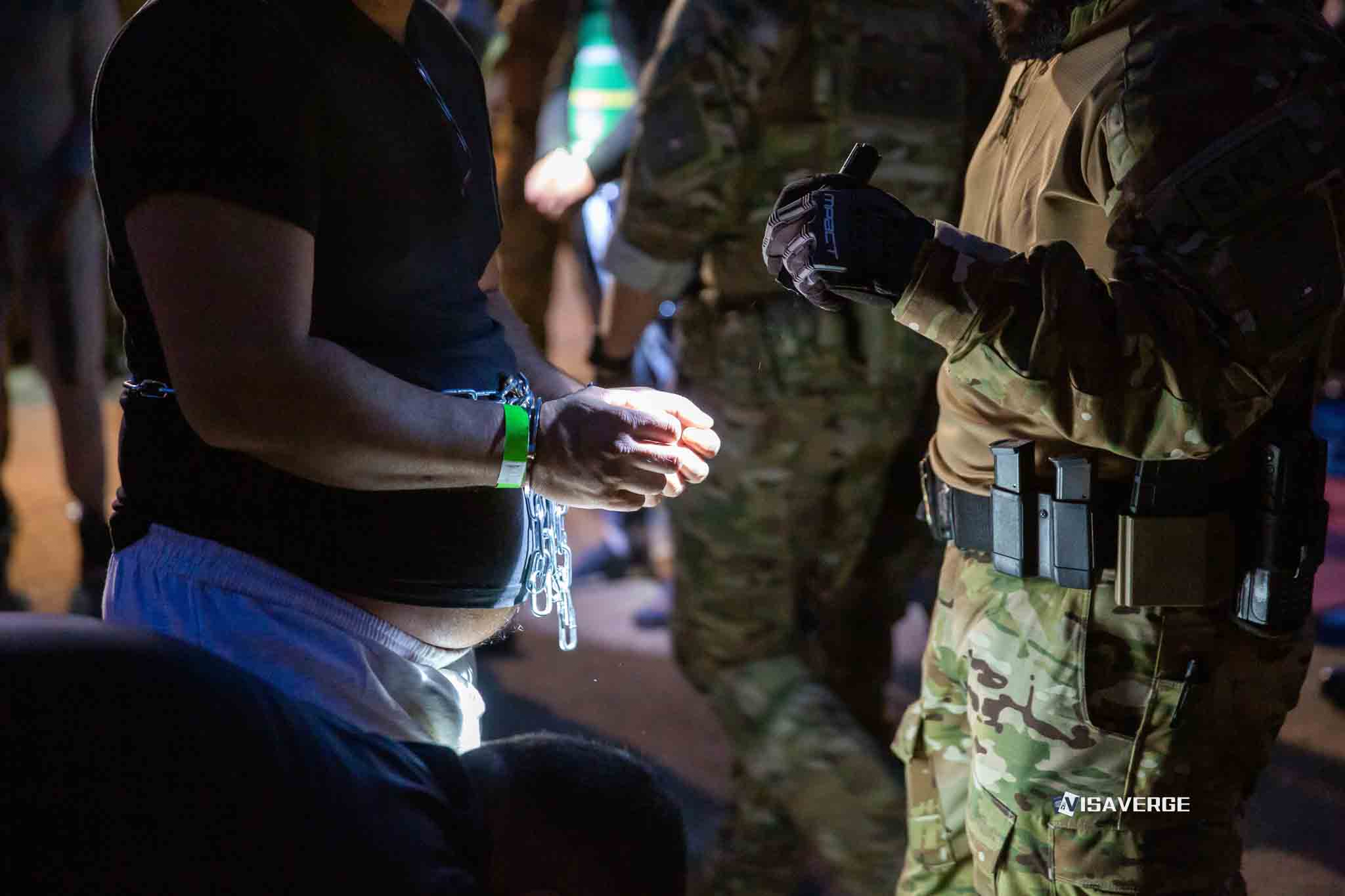
- Arrest: ICE takes someone into custody, sometimes after a targeted operation.
- Detention: The person remains held while ICE assesses removability, seeks travel documents, or litigates a case.
- Removal (deportation): ICE physically transfers a person out of the United States.
- Release: Someone may be released on bond, on an order of supervision, or after a court ruling.
Families should avoid assuming that an arrest automatically means a fast deportation. Even in high-profile operations, outcomes can vary based on warrants, court orders, travel documents, and individual immigration history.
What DHS and ICE Have Said (and How to Read Those Statements)
DHS has described Operation Metro Surge as aimed at the “worst of the worst.” Tricia McLaughlin, Assistant Secretary for Public Affairs at DHS, used especially blunt language in a public statement dated January 18, 2026.
“Yesterday, our law enforcement arrested monsters who sexually abused and raped children. These are the type of sickos we are getting out of our neighborhoods. If you come to our country illegally and break our laws, we will hunt you down, arrest you, and remove you from our country.”
Such phrasing is a communications frame. It signals the agency’s priority on public-safety cases. It does not, by itself, describe the facts or legal posture in each person’s file.
Early announcements also leave common gaps. DHS or ICE press statements may not fully explain whether someone’s criminal case is old or recent, whether a conviction is final, or whether there are pending appeals.
Details also vary on the type of warrant involved, the role of local law enforcement, and whether the person has an existing removal order. Updates often arrive later through court filings, attorney statements, or records requests.
That is why the public picture can change quickly, even when the operation name stays the same.
| Item | Details | Source/Date |
|---|---|---|
| Operation name and purpose | Operation Metro Surge; DHS/ICE campaign targeting serious criminal offenders | DHS/ICE public messaging; DHS Newsroom / ICE Newsroom |
| Official messaging | “Worst of the worst” framing; statement attributed to Tricia McLaughlin | January 18, 2026 |
| Scale cited by DHS | 2,500 detentions linked to the broader push | DHS statements; late 2025 into January 2026 |
| Liberia DED timeline | DED extended through June 30, 2026; presidential memorandum | June 28, 2024 |
| Reported removals to Liberia | Nine deportations referenced; arrivals tied to Roberts International Airport | Reporting tied to ICE/DHS briefings; January 22, 2026 |
| Court development in Minnesota | Garrison Gibson Fourth Amendment ruling; arrest found unlawful and release ordered | January 15, 2026 |
Key Facts at a Glance and Who May Be Affected
Reports tied to ICE raids describe multiple Liberian nationals taken into custody in Minnesota, Pennsylvania, and Arizona, alongside a broader nationwide effort. The enforcement activity described around the Minneapolis–St. Paul area has drawn attention because it involves a community that has long relied on temporary humanitarian protections.
In public summaries, DHS highlighted certain arrests by naming individuals and listing prior convictions. Those examples help show the government’s targeting theory, but they should not be read as guilt by association for others arrested in the same time period.
- Blayon Lawrence Yuoh, described as convicted of rape, sexual assault, robbery, larceny, and assault.
- Hassan Kromah, reported arrested in Philadelphia and described as convicted of rape and failure to register as a sex offender.
- Victor Pyne, reported arrested in Phoenix and described as convicted of sexual assault and sexual exploitation of a minor.
- Monica Zota, described as convicted of fraud.
Enforcement operations can also sweep in people at different stages. One person may be transferred to ICE after completing a criminal sentence. Another may be arrested at home based on an immigration warrant.
A third may be detained while trying to resolve an immigration-only case. Reports also referenced a group “scheduled to arrive” in Liberia at Roberts International Airport. That phrasing matters.
Removal plans can shift due to travel document timing, last-minute litigation, medical issues, or airline logistics. Scheduling is not the same as completion.
Legal Context: Liberia DED and Why Some People Are Still Removable
Deferred Enforced Departure, usually called DED, is a temporary protection from removal that a president can grant to certain nationals already in the United States. It is not a visa. It is not a green card.
DED also differs from Temporary Protected Status (TPS), which is created by statute, and from asylum, which is an individualized protection based on fear of persecution. DED can, in many cases, allow an eligible person to seek work authorization.
Yet it does not automatically cure past immigration violations, and it does not erase removal orders. Think of it like a time-limited “pause button” on deportation for people who meet the criteria. The pause can come with exceptions.
Operation Metro Surge matters in this context because DED for Liberia has explicit exclusions. In plain terms, people with certain criminal histories can fall outside DED’s protection, even if they are Liberian nationals who have lived in the United States for years.
Eligibility often turns on the exact record of conviction and how offenses are classified.
DED (Deferred Enforced Departure) is a discretionary, time-limited protection from removal. For Liberia, it is extended through June 30, 2026. USCIS policy excludes people convicted of any felony or two or more misdemeanors in the United States, and it can also exclude people deemed public-safety risks.
Controversies, Court Challenges, and What They Signal
Civil-liberties concerns have followed some ICE raids tied to Operation Metro Surge, especially when residential entries are disputed. One closely watched Minnesota case involved Garrison Gibson, a 37-year-old Liberian immigrant.
On January 15, 2026, U.S. District Judge Jeffrey Bryan ruled Gibson’s arrest violated the Fourth Amendment and ordered his release. Reports described ICE agents entering his home without a judicial warrant or consent, including use of a battering ram.
A Fourth Amendment ruling like that can matter in two ways. First, it can lead to release in that case. Second, it can limit what evidence the government may use if the arrest or search is found unlawful.
Still, these rulings are usually fact-specific. They do not automatically invalidate other arrests from the same operation.
Legal disputes in raid cases often turn on a few recurring questions:
- Warrant type: A judicial warrant signed by a judge is different from an administrative immigration warrant.
- Consent: Entry may be lawful if valid consent is given, but consent can be contested.
- Exigent circumstances: The government may argue urgent safety reasons. Courts sometimes reject that claim.
- Suppression: If evidence is tied to an unlawful entry, a judge may bar its use in proceedings.
Local policy also shapes what happens on the ground. “Sanctuary” rules vary, but many limit local cooperation with ICE detainers. Even then, ICE can still act under federal authority, and outcomes differ by jurisdiction.
Practical Steps If You or a Family Member Is at Risk or Detained
Preparation helps families stay steady under pressure. Panic can create mistakes that are hard to fix later.
Start with a detention-response checklist. If someone is taken by ICE, gather the person’s full legal name, date of birth, and A-Number (if known). Ask relatives to check paperwork, prior immigration receipts, or older court notices that may list it.
Then work to confirm custody location through official ICE detainee locator tools and counsel. Next, build a home file. Keep copies of passports, state IDs, immigration receipts, prior immigration judge orders, and criminal case dispositions in one place.
Add contact information for emergency caregivers and set a childcare plan. A written plan saves time. Misinformation is a real risk in fast-moving raids. Social media posts can be wrong about where someone is held or what a judge did.
If you or a family member might be at risk, contact a qualified immigration attorney and verify status through USCIS and DHS/ICE sources. For named cases, check court filings for updates before relying on secondhand claims.
Official Sources and Where to Track Updates
USCIS maintains the central public page for Liberia DED, including eligibility limits and related guidance: