- A targeted ICE traffic stop in Minneapolis escalated into a non-fatal shooting on January 14, 2026.
- DHS officials claim federal agents were ambushed by three individuals during a foot pursuit and struggle.
- Minnesota authorities have filed a lawsuit challenging the legality of the surge of 3,000 federal agents.
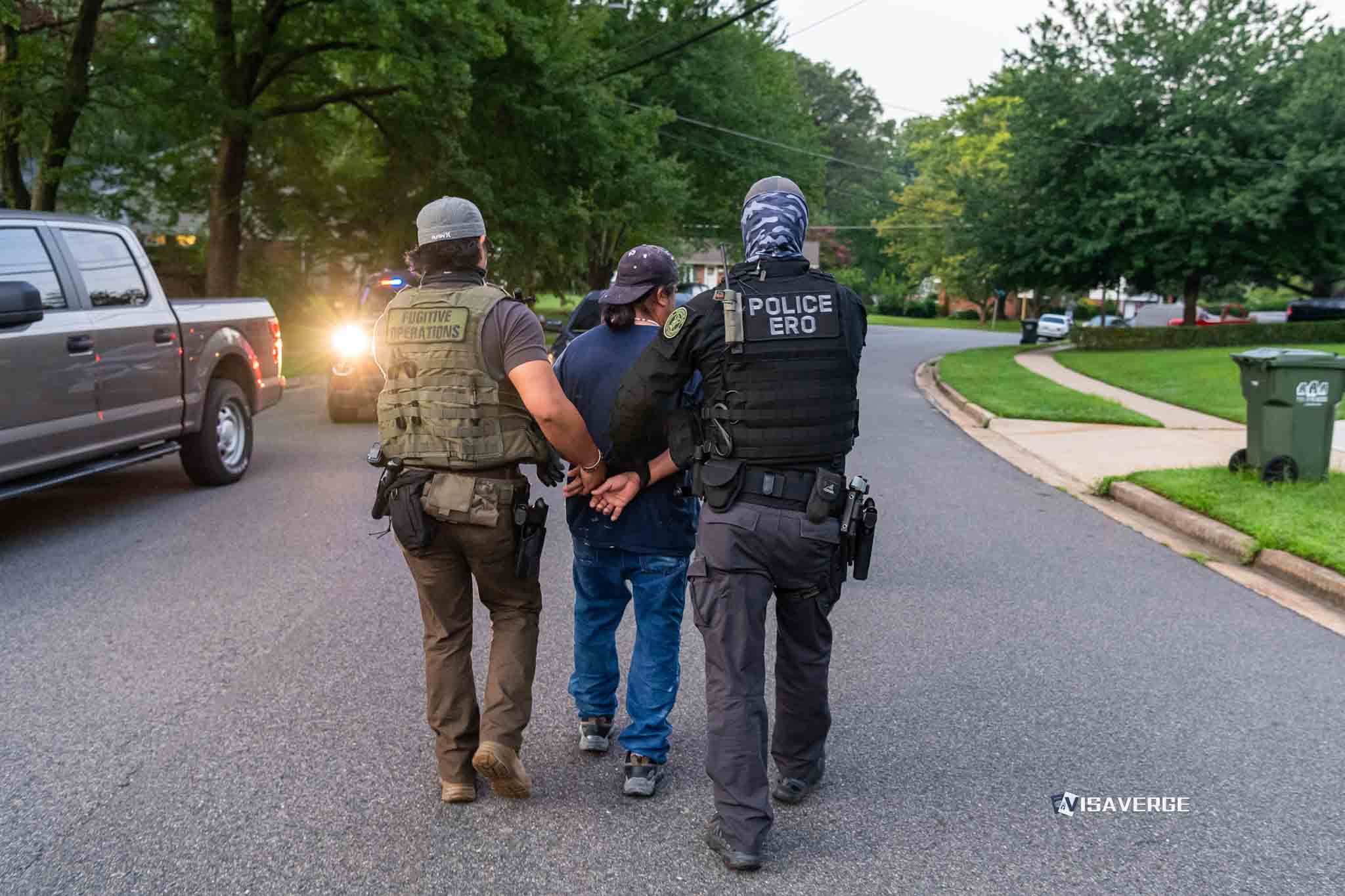
Late Wednesday, an immigration enforcement operation in Minneapolis, Minnesota turned violent during what DHS described as a “targeted traffic stop” conducted by ICE Enforcement and Removal Operations (ERO).
The encounter ended with a federal officer firing defensive shots and a suspect hospitalized with a gunshot wound that DHS said was not life-threatening. One officer was also hospitalized.

Targeted ERO operations are generally designed to locate and arrest specific people ICE says are removable, rather than broad workplace raids. They often involve surveillance, coordinated stops, and quick custody decisions.
They can also create fast-moving street encounters. That speed is one reason incidents like this become national flashpoints.
Minneapolis became the focal point because the operation happened during a nationwide targeted enforcement surge. State and city leaders have openly opposed the deployment.
A pending lawsuit from Minnesota authorities adds a second pressure point, since it challenges the scope and legality of the federal presence while street-level operations continue.
Official Statements and Immediate Facts
DHS said the incident began around 6:50 p.m. on January 14, 2026, during a targeted traffic stop of a Venezuelan national in North Minneapolis. DHS described an attempted arrest, an effort to flee, and a vehicle crash into a parked car.
Next came a foot pursuit. DHS then described a ground struggle after an officer caught up to the suspect.
The agency alleged that “two subjects came out of a nearby apartment and also attacked the law enforcement officer with a snow shovel and broom handle.” DHS framed the shooting as self-defense during what it called an ambush.
“Fearing for his life and safety as he was being ambushed by three individuals, the officer fired defensive shots to defend his life. The initial subject was hit in the leg,” DHS said in its statement dated January 15, 2026.
DHS reported the suspect was hospitalized with non-life-threatening injuries. The involved federal officer was hospitalized as well. DHS also said the suspect is in custody.
What happens next is typically procedural and slow. A use-of-force incident can trigger parallel reviews, including internal agency review, coordination with local prosecutors, and federal investigative steps.
Charging decisions, if any, are usually separate from removal actions and may follow a different timeline. Medical treatment and evidence collection often shape what becomes publicly confirmable.
Official statements also have limits. They commonly present a timeline and a justification for force but may not include full body-camera detail, witness interviews, or later corrections.
Readers should treat early descriptions as the government’s framing, not a final adjudication of events.
Enforcement Context and National Pattern
Kristi Noem, serving as DHS Secretary, and Border Czar Tom Homan have tied the Minneapolis incident to a broader claim: federal officers face sharply rising threats during the current enforcement surge.
Their messaging has two goals. One is officer safety. The other is political support for aggressive field operations.
A nationwide targeted enforcement surge usually means more teams in the field, more interagency tasking, and more high-visibility encounters in public spaces. That expands contact points between federal officers and communities and increases the chance of confrontation.
DHS has backed its warning with trend statistics released January 8, 2026. The department cited a 1,300% increase in assaults against ICE officers, a 3,200% increase in vehicular attacks, and a 8,000% increase in death threats against federal immigration personnel.
Those figures matter because they shape policy arguments about staffing, tactical gear, training, and the rules that govern when force may be used.
At the same time, critics argue that surge tactics can heighten fear and trigger volatile encounters. Minneapolis shows the collision point: safety claims drive enforcement while public backlash grows after violence.
| Category | Detail | Source/Date |
|---|---|---|
| Incident timing | 6:50 p.m. on January 14, 2026 | DHS statement / January 15, 2026 |
| Incident location | 600 block of 24th Avenue North, Minneapolis, Minnesota | DHS statement / January 15, 2026 |
| DHS description of force | “fired defensive shots”; suspect “hit in the leg” | DHS statement / January 15, 2026 |
| Injuries | Suspect hospitalized with non-life-threatening injuries; officer hospitalized | DHS statement / January 15, 2026 |
| Alleged assault objects | Snow shovel and broom handle | DHS statement / January 15, 2026 |
| Threat trend claims | 1,300% assaults; 3,200% vehicular attacks; 8,000% death threats | DHS report / January 8, 2026 |
| Deployment dispute | Roughly 2,000–3,000 federal agents cited in lawsuit | Minnesota authorities / January 13, 2026 |
| Related incidents | Portland, Oregon; Glen Burnie, Maryland | Public reporting referenced in DHS-policy debate |
Related Legal and Policy Stance
Tom Homan and Kristi Noem have argued that federal officers have a right to defend themselves. Public officials often frame that point broadly as a principle that applies to any law enforcement encounter where an officer fears serious harm.
Use-of-force incidents, though, are usually evaluated through layered processes rather than press statements. Agencies review whether tactics followed policy and investigators assess whether the factual record matches the initial narrative.
Prosecutors, state or federal, may review criminal exposure for any involved party. None of those steps requires a final answer within days.
Political rhetoric can intensify conflict in the meantime. DHS has blamed “radical rhetoric by sanctuary politicians” for rising attacks, while local leaders argue the surge itself creates danger.
Both frames can harden public opinion before investigators complete their work.
Context: Subsequent Events and Local Government Response
Minneapolis was already on edge after a fatal incident one week earlier. On January 7, 2026, an ICE agent shot and killed 37-year-old Renee Macklin Good in Minneapolis. That death shaped how residents interpreted the next operation.
Protests and neighborhood patrol networks tracking ICE activity expanded soon after. Governor Tim Walz has condemned the surge in direct terms, and Minneapolis Mayor Jacob Frey has also denounced the federal push.
Minnesota authorities escalated the dispute on January 13, 2026, when the State of Minnesota, along with the cities of Minneapolis and St. Paul, filed a lawsuit against the federal government. The suit challenges the legality of deploying roughly 2,000–3,000 federal agents to the region.
Lawsuits like this often argue over federal authority, constitutional limits, and the local costs of intensified enforcement. Court fights, however, tend to move slower than field operations.
Even if a judge orders changes later, officers can keep operating in the near term unless a court issues rapid relief. That timing gap is one reason communities can feel like litigation is abstract while enforcement feels immediate.
One witness identified only as David described heightened tension in North Minneapolis, reflecting how quickly enforcement activity can ripple through neighborhoods. Public perception can shift before any legal claims are resolved.
Broader Context: Related Incidents and Calls for Oversight
Other reported incidents have sharpened demands for consistent standards. Recent Portland ICE incidents and Glen Burnie ICE incidents have been cited by advocates and some lawmakers calling for a congressional investigation into ICE rules of engagement.
Comparisons can mislead because each event has different facts, jurisdictions, and tactical choices. Still, repeated shootings during enforcement activities often produce the same questions: Who authorized the operation? What de-escalation options were used?
What policies governed the moment the firearm was discharged? Oversight tools exist, though they rarely produce fast clarity. Congressional inquiries can force testimony and document production, and inspectors general can audit patterns and training.
Freedom of Information Act requests may later release records, often with redactions that limit what the public sees.
Impact on Individuals and Communities
For the suspect, immediate risks include both medical recovery and legal exposure. In general terms, alleged assaults on a federal officer can lead to federal prosecution, separate from immigration custody.
Outcomes vary widely, and charging decisions depend on evidence and prosecutorial discretion. No one should assume charges are automatic.
For immigrant families and mixed-status households, a surge can change daily behavior quickly. People may avoid driving, skip appointments, or stop reporting crimes.
Some communities expand mutual aid networks; others pull inward. Either reaction can weaken trust between residents and public safety systems.
Asylum seekers can feel additional pressure when enforcement dominates headlines. USCIS policy announcements about vetting or “pauses” have circulated since late 2025, including statements tied to security incidents in D.C.
Any such announcement should be verified before someone makes a life-changing decision, since eligibility and processing can depend on individual facts and updated agency guidance. USCIS and immigration enforcement are not the same system, and outcomes can differ by case.
Reliable help usually starts with documentation. People often benefit from keeping copies of immigration filings, ID records, and attorney contact information in a safe place. Community groups can provide referrals, but readers should confirm credentials and avoid anyone promising guaranteed results.
Official Sources and Where to Read More
Primary documentation matters most in fast-moving incidents. DHS and ICE press rooms are where official timelines, wording, and updates are posted. USCIS maintains a separate newsroom for benefits and policy updates.
When quoting officials, exact phrasing can be decisive. Dates can also matter, especially where litigation, oversight requests, or agency review deadlines may follow.
Readers should verify quotes and dates against official DHS/ICE/USCIS releases (DHS Newsroom, ICE Press Releases, USCIS Newsroom) before publishing any relies-on-quote material.
The incident involves ongoing investigations and legal actions; information should be reported with caution and reliance on official statements.
This brief contains analysis of official statements and policy framing; it is not legal advice.
A nonfatal shooting during an immigration enforcement operation in Minneapolis, Minnesota now sits at the center of a national dispute over officer safety, accountability, and how far a targeted enforcement surge should go.
A non-fatal shooting during an ICE operation in Minneapolis has intensified the national debate over immigration enforcement. DHS reports that an agent fired defensive shots after being ambushed by three suspects during a targeted stop. Meanwhile, Minnesota officials are pursuing a lawsuit against the federal government, arguing the deployment of thousands of agents is unauthorized and heightens community tensions and safety risks.