(OKLAHOMA CITY, OKLAHOMA) — Federal authorities plan to purchase and occupy a southwest Oklahoma City warehouse and convert it into a new ICE detention and processing center, drawing city concerns about public process and community impacts.
Plans call for converting an existing warehouse at 2800 S. Council Road, Oklahoma City, OK, into a facility that would handle intake, screening, short-term detention, and transfers. The site sits on an industrial-scale footprint that federal officials describe as suitable for high-volume processing.
What a detention and processing center does
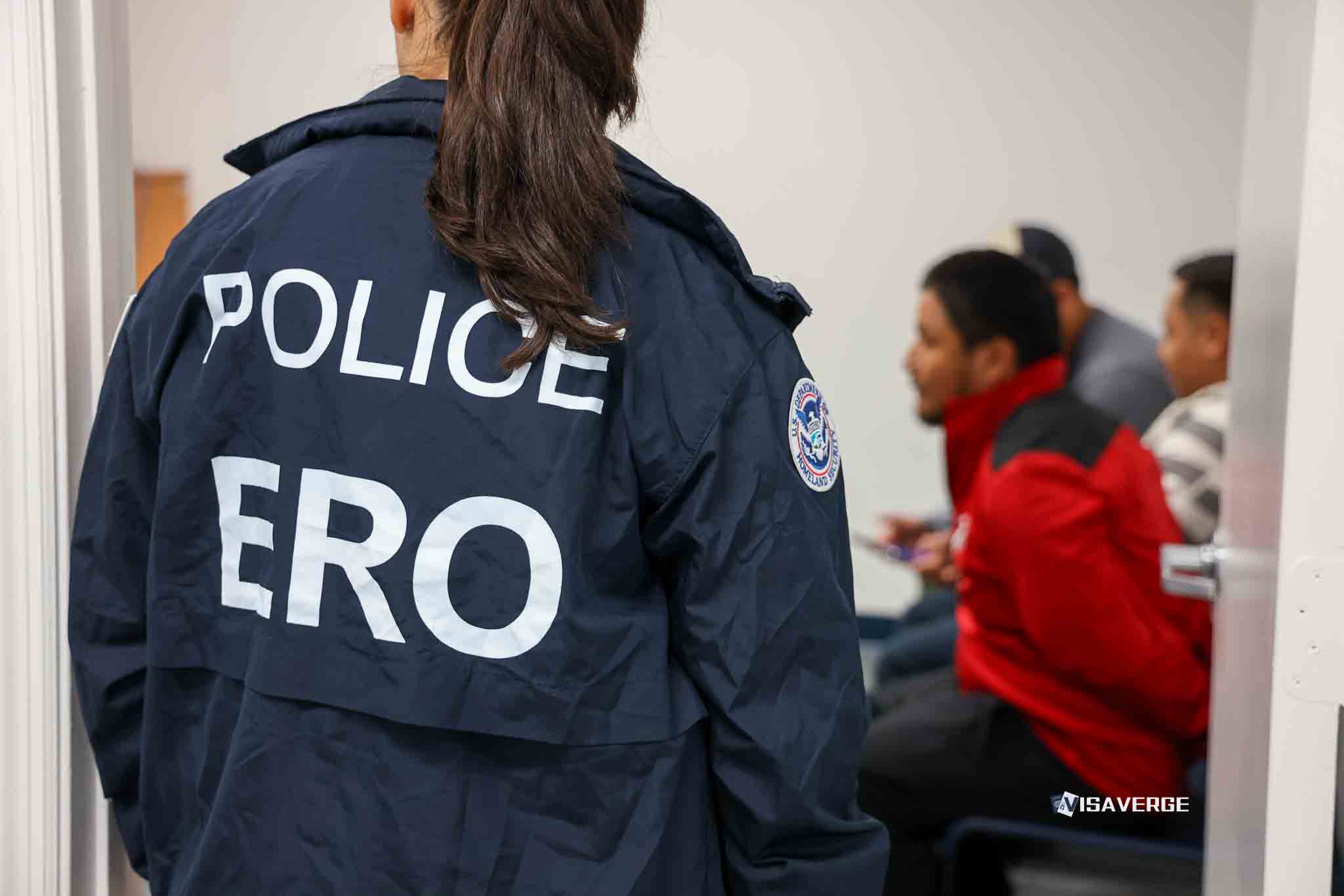
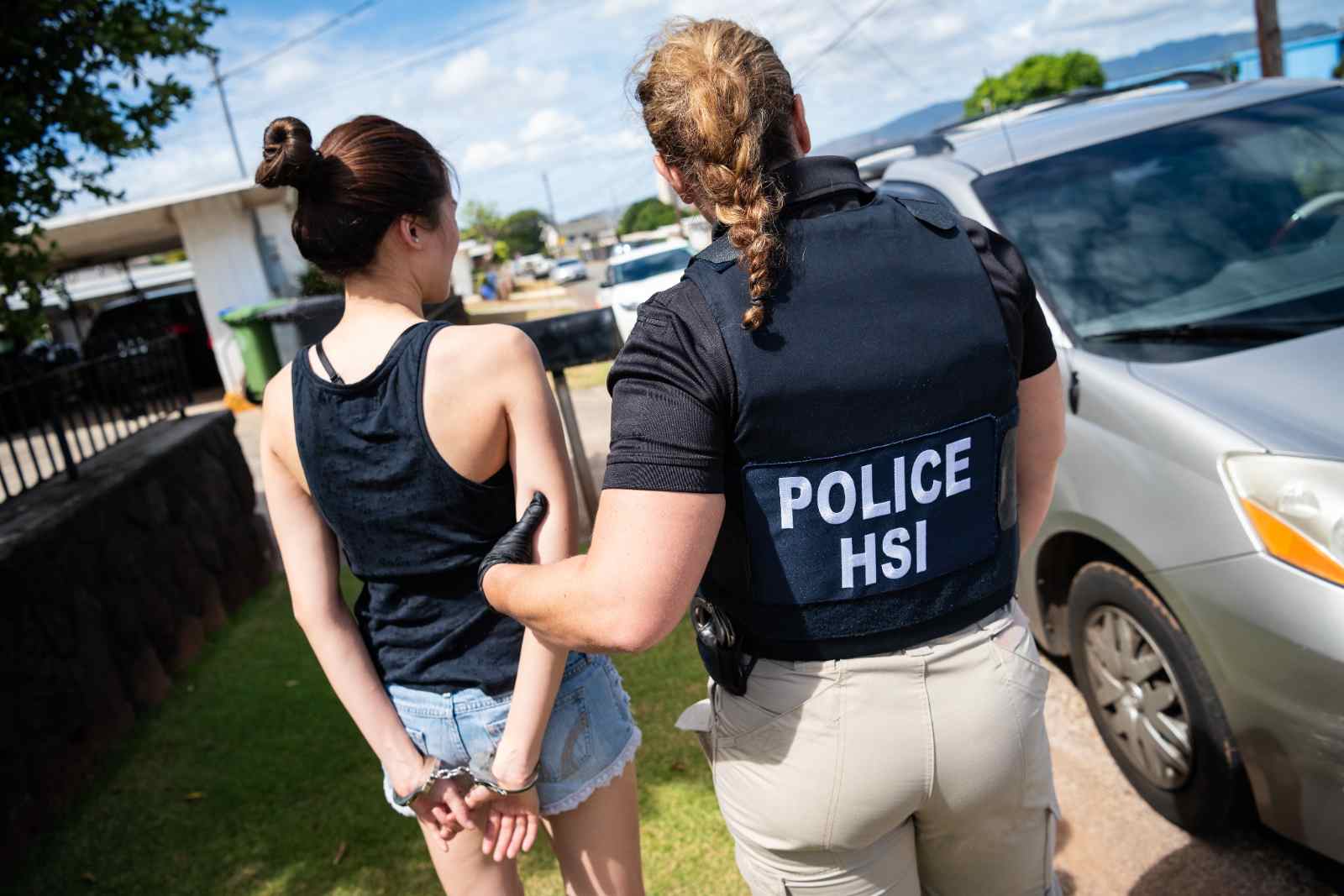
A “detention and processing center” typically functions as a front-end hub in immigration enforcement. Detainees are booked, identified, screened, and prepared for transfer to longer-term detention or for removal, with timelines that can depend on transport, case posture, and travel documents.
Federal correspondence to city planners shows the project is framed as a conversion of existing space rather than a greenfield build. The warehouse spans 400,000+ square feet on a 26.8-acre site, positioning it for large-scale operations without new vertical construction.
Timeline and official notices
DHS notified local officials on December 23, 2025, that it intended to “purchase and occupy a warehouse at 2800 S. Council Road to establish a ‘new Oklahoma City processing center’ for use by U.S. Immigration and Customs Enforcement (ICE).” The letter described it as a federal project and was tied to federal historic preservation compliance.
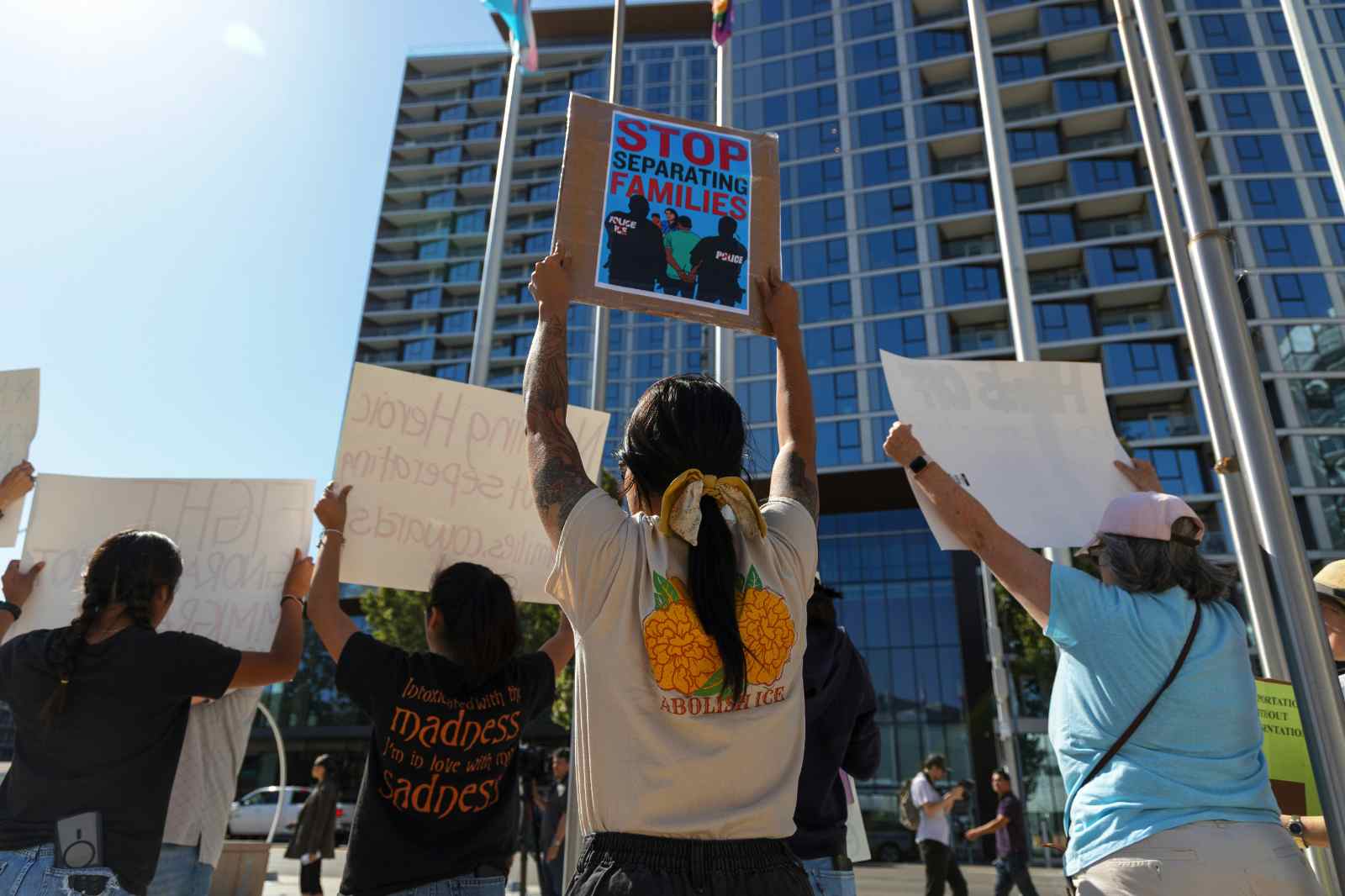
Oklahoma City officials responded publicly on January 20, 2026, saying the proposal raised local concerns while also limiting what the city could do about it. “The placement of a detention facility is an issue of local interest that would benefit from a public process involving residents, especially the neighbors of such a facility. Though we recognize the legal reality [of the Supremacy Clause], the City will send feedback to DHS,” the City of Oklahoma City said.
City officials also said federal law restricts local leverage over land use in this context. The city statement said “federal law explicitly exempts detention centers from local zoning regulations,” and it signaled that municipal review would not function the same way it would for a private development.
DHS and ICE comments on January 21, 2026, emphasized enforcement priorities rather than local process. A DHS spokesperson said the new center “should not come as a surprise to people” and said ICE was focusing on the “worst of the worst,” citing people convicted of crimes such as murder, rape, and gang activity.
⚠️ Note the local input limitations under federal preemption and the city’s call for public process, as described in the January 20, 2026 statement.
Planned facility features and operations
Federal planning documents described a buildout aimed at controlled entry, perimeter security, and high-throughput processing. DHS described facility elements including a “guard shack,” “fencing,” “cafeterias,” “holding and processing spaces,” and “health care spaces.”
Other planned features described publicly include razor wire, guard towers, and internal holding cells. Those components align with a facility designed to control movement, separate populations, and stage detainees for interviews, medical screening, and transport.
Capacity is described as ranging from 500 to 1,500 detainees. That spread can shape daily operations, from staffing levels to transport scheduling, because a processing center must move people out as beds fill.
DHS has said detainees would stay “a few weeks” on average, then be transferred to longer-term facilities or deported. Even within that framing, detention timelines can vary in many cases based on travel documentation, transport availability, and case-related scheduling.
Quick facts
| Attribute | Detail |
|---|---|
| Planned use | ICE detention and processing center |
| Address | 2800 S. Council Road, Oklahoma City, OK |
| Area context | southwest Oklahoma City |
| Site size | 26.8-acre site |
| Existing structure | 400,000+ square feet warehouse |
| Planned capacity | 500 to 1,500 detainees |
| Intended average stay | a few weeks |
| Described facility elements | guard shack; fencing; cafeterias; holding and processing spaces; health care spaces; razor wire; guard towers; internal holding cells |
National context and policy links
The project also sits inside a broader federal push to expand detention space. Homeland Security Secretary Kristi Noem has backed an expansion agenda tied to the One Big Beautiful Bill Act/OBBBA, which officials have described as supporting daily detention capacity of upwards of 100,000 detainees.
Federal messaging has connected new capacity to higher removal targets, including a goal of deporting up to 1 million people per year. Local siting decisions can follow from those national targets because detention and processing hubs need large buildings, transport access, and space for secure perimeters.
Legal issues: preemption and local authority
The legal conflict described by Oklahoma City centers on federal preemption and the Supremacy Clause. In general terms, federal agencies can claim priority over conflicting local rules when carrying out federal functions, and the city has said detention centers are exempt from local zoning.
Preemption, however, is not always the same as a blanket exemption from every local or state requirement. Many federal projects still face separate obligations that can include federal environmental review, historic preservation compliance, and federal procurement rules, depending on the project structure.
Oklahoma City’s statement highlighted the practical effect for residents: fewer familiar pathways for neighborhood notice and zoning hearings. When local zoning tools do not apply, public input may shift to written comments, council inquiries, congressional outreach, and requests for records where available.
Impacts on detainees and community
For detainees, a short-stay processing center can affect access to counsel and continuity of case support. Transfers between facilities may make it harder for attorneys and family members to coordinate, especially when movement happens quickly or across county lines.
Communication access is often a central issue in detention settings. Phone and video access, legal visitation practices, and the ability to retrieve documents can shape how well detainees can contact lawyers or gather records, though specifics vary by facility operations.
Medical and mental health screening can also be a pressure point in high-volume processing hubs. DHS described “health care spaces,” but the day-to-day experience can depend on staffing levels, intake volume, and referral practices.
In the surrounding community, concern can take several forms without requiring assumptions about outcomes. Residents may worry about traffic patterns near shift changes, the presence of transport vehicles, and how a secured perimeter changes the feel of an industrial corridor.
Local business owners and community groups may also watch for indirect effects from heightened enforcement activity. In many communities, fear of contact with authorities can reduce reporting of crime or discourage routine trips, even when the facility is not open to the public.
Jobs can be part of the public debate as well, particularly for security, medical, food service, and maintenance work. At the same time, some residents may argue that a detention and processing center deters commerce in nearby corridors, producing competing claims that may be difficult to measure early.
Local process and verification
City officials said some council members only learned key details through media reports shortly before the city statement. That gap has contributed to calls for a more visible public process, even if the city’s legal authority is limited.
Verification will matter as the project moves from intent to actions such as acquisition, renovation, and staffing. Residents seeking updates can monitor City of Oklahoma City newsroom releases for city statements and any descriptions of what review steps the city can take.
Federal updates may appear through U.S. Department of Homeland Security (DHS) statements and U.S. Immigration and Customs Enforcement (ICE) communications. ICE field office updates, when posted, can also provide practical signals about operations, transport activity, and enforcement emphasis.
Readers should rely on dated statements and avoid unverified claims circulating on social media. Checking timestamps is essential, because early-stage plans can change as agencies finalize logistics and contracting.
✅ Readers should monitor the City of Oklahoma City newsroom and DHS/ICE channels for updates, including any public meetings, hearings, or communications on the facility.
This article discusses immigration detention policies and local impacts. Consult official sources for updates and legal guidance.
Content reflects statements from DHS, ICE, and the City of Oklahoma City as of the dates cited.