(NEW YORK CITY) Reports that DHS is stepping back from high-profile immigration raids aren’t supported by the material available through December 2025, even as fear spreads in immigrant blocks from Queens to Brooklyn. Instead, the evidence points the other way: more ICE arrests at homes, check-ins, and traffic stops, plus new powers for other arms of the department. Federal officials have also described ramped-up operations in New York City and New Orleans starting December 2025, aimed at courthouses, transit hubs, and neighborhoods that local leaders call sanctuaries. For many families, rumor of a slowdown feels detached from what they see.
What people are seeing on the ground
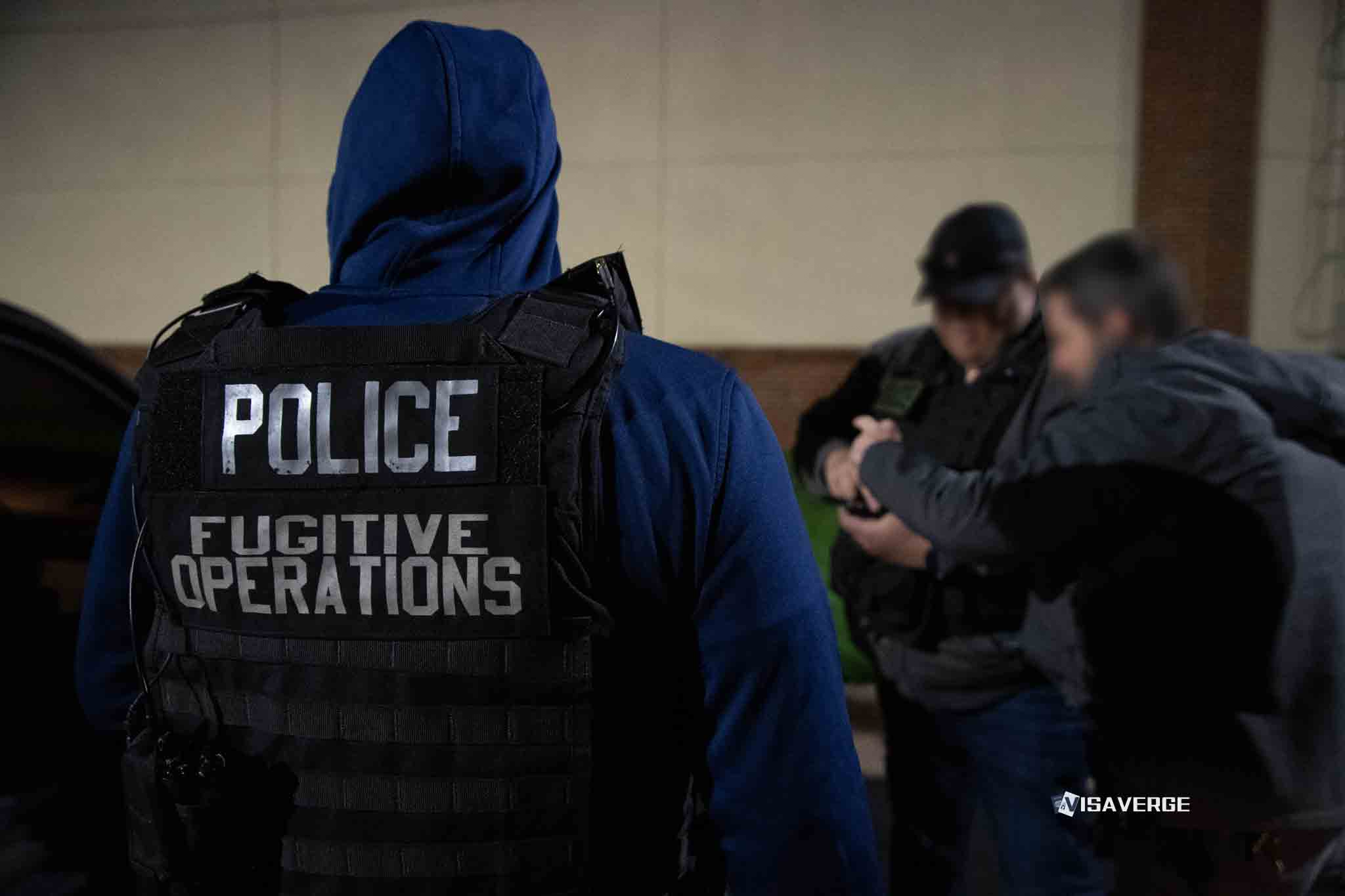
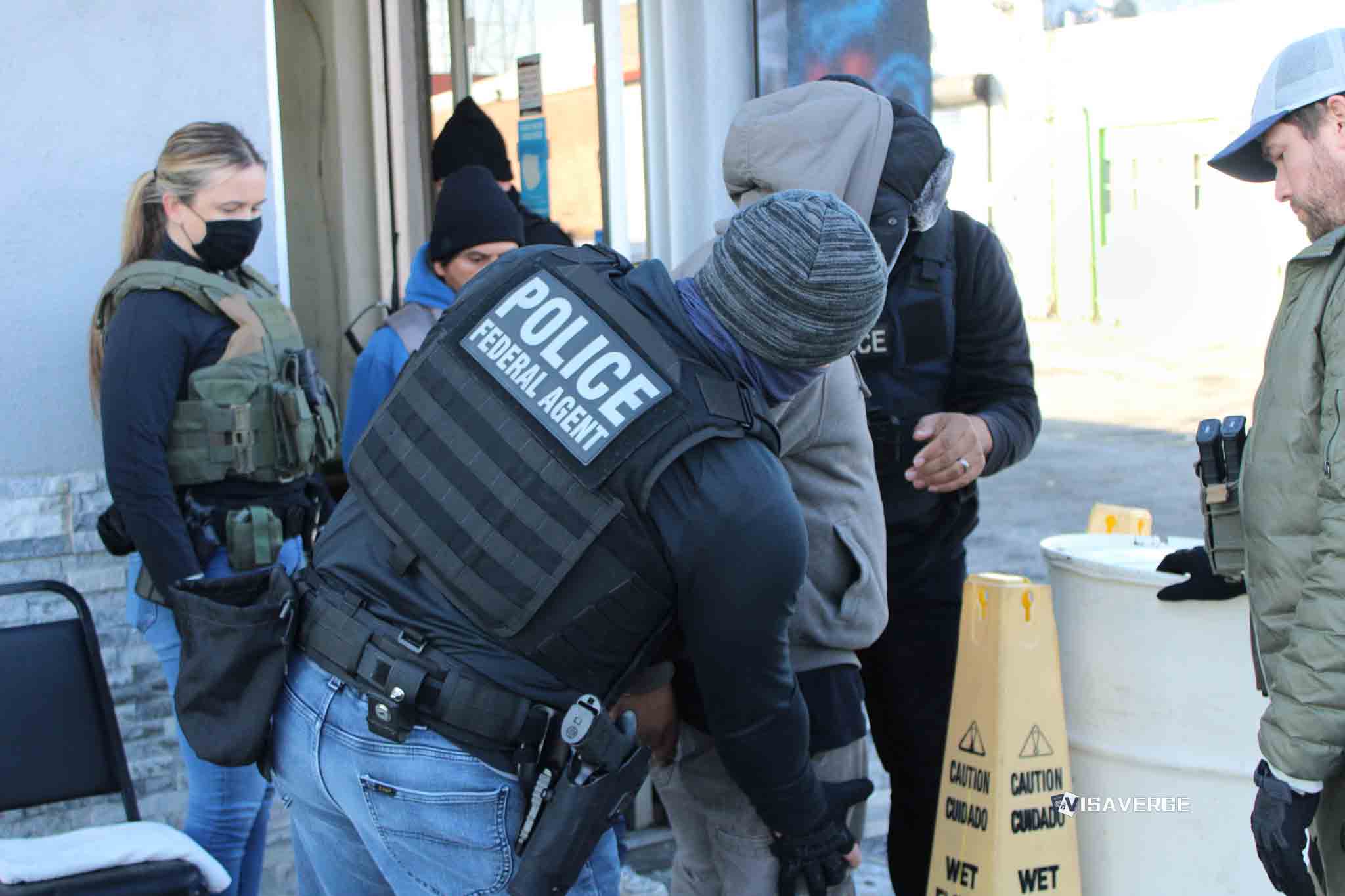
Accounts collected in the source describe ICE arrests happening in ordinary moments — at apartment doors, during routine check-ins, and alongside local police during traffic stops. Some of the activity is framed as joint work, with officers riding along or requesting “interpretation services” at northern borders that can also enable immigration checks.
For immigrants with pending cases, these encounters blur lines between community policing and federal enforcement. Attorneys say clients who once felt stable after years in the United States now carry passports and court papers everywhere, worried that a missed turn, broken taillight, or simple misunderstanding could end in detention overnight.
- Arrests reported during:
- Door knock encounters at homes
- Routine immigration check-ins
- Traffic stops with local police present
Policy changes inside DHS
One of the sharpest changes comes from inside DHS itself. A DHS final rule published September 5, 2025 gives U.S. Citizenship and Immigration Services (USCIS) staff an enforcement role that used to sit mainly with ICE and Customs and Border Protection (CBP).
Key powers authorized by the rule:
– Carry out expedited removal under 8 U.S.C. 1225
– Issue detainers and warrants
– Make arrests and hold people in detention
– Investigate suspected immigration violations
– Carry firearms and take part in vehicular pursuits
DHS has said this does not replace ICE; it adds more enforcers, meaning more different kinds of officers can appear at a doorstep.
Broader enforcement ecosystem
The expansion goes beyond paperwork. The materials note a widening cast of actors assisting ICE and CBP:
- Police departments working with federal agents
- USCIS agents participating in enforcement activities
- National Guard members and even military support cited for border control and enforcement
- The federal 287(g) program training state and local officers to carry out certain federal immigration tasks
This broader net can make an arrest look less like a single-agency action and more like a sweep.
Congressional and budget context:
– A law passed September 16, 2025 provides $170 billion for enforcement, expedited removals, and prosecutions.
– States warn that costs will follow.
New rules and program rollbacks
The materials point to several rule changes and program rollbacks that observers say facilitate faster and broader removals:
- A new registration rule effective April 11, 2025, intended to identify undocumented immigrants for removal as part of “mass deportation facilitation.”
- End of the CHNV parole program after the Supreme Court approved the move on May 30, 2025.
- An expanding detention footprint and other accelerators described in source documents.
Lawyers say these changes can push people deeper into the shadows, especially those who have lived quietly for years.
Regional patterns and enforcement pressure
Even where New York dominates headlines, the data show enforcement pressure well beyond the coasts.
- In the first six months of 2025, 1 in 4 ICE arrests nationwide occurred in Texas.
- This affects families in Houston suburbs and small border towns alike.
- Advocates in New York note that Texas can be a testing ground for tactics that then spread to other jurisdictions.
People who moved to New York from other states tell lawyers they already experienced workplace sweeps and late-night knocks, so they read talk about “moving away” from raids with skepticism.
Consequences for New York City communities
In New York City, groups say courthouse-focused operations hit hardest because people come to resolve traffic tickets, family cases, or immigration hearings and leave in handcuffs.
- The source material does not name any detained New Yorkers, but attorneys describe common scenes:
- Parents waiting outside a courtroom while a relative is taken into custody
- Families scrambling for childcare and rent after an arrest
- Community organizers report fewer clinic visits since the 2011 “sensitive locations” limits were rescinded.
- Parents weigh visits to schools or hospitals against the risk of an ICE encounter.
Official communication and guidance
ICE has not published any notice saying it will pause raids, and DHS has not confirmed a pivot away from public operations. People seeking official information about arrests and removals are typically directed to ICE enforcement and Removal Operations (ERO) at the agency site: https://www.ice.gov/ero.
Monitor official DHS/ICE updates rather than rumors. Keep essential documents, attorney contact info, and school/work accommodations in case detentions cause abrupt absences.
Analysis by VisaVerge.com suggests the combination of:
– Wider authority inside DHS, and
– More joint operations
makes enforcement less predictable for immigrants and employers.
Advocates urge:
– City officials to clarify when local police will share information with federal authorities
– Employers to prepare for sudden worker absences caused by detention actions
Competing framings and practical effects
Federal officials argue the stepped-up posture is needed to enforce immigration law. Critics counter that the approach:
– Punishes people with community ties
– Chills civic life and public participation
In practice, the materials show DHS building capacity for faster removals and more encounters in daily settings, not limiting them. The changes shift risk onto:
– Mixed-status households (where one person may be a citizen and a relative undocumented)
– Asylum seekers who must keep showing up for check-ins
The central thread analysts see: rather than a retreat from raids, the record reads like preparation for more — more actors with enforcement power, more joint operations, and more locations where enforcement can occur.
As December 2025 operations unfold in New York and New Orleans, immigrant communities watch for the next knock and another ICE raid in the weeks ahead.
Material through December 2025 shows increased ICE arrests at homes, check-ins and traffic stops, and expanded DHS authority. A Sept. 5, 2025 rule lets USCIS carry out arrests, detainers, and expedited removals. Congress funded enforcement with $170 billion on Sept. 16, 2025. New registration rules, the end of CHNV parole, and joint operations involving local police and military resources make enforcement more widespread and unpredictable for immigrant communities.