- DHS confirmed ICE deployment at major U.S. airports to address TSA staffing shortages during a government shutdown.
- Travelers face massive delays as thousands of TSA officers call out or resign due to missed paychecks.
- Civil liberties groups warn of potential racial profiling and Fourth Amendment violations following reported airport arrests.
As of March 23, 2026, DHS and the White House publicly confirmed ICE presence at key airports to relieve TSA line delays amid a funding stalemate that left airport security understaffed and travelers facing hours-long waits.
The move followed a partial government shutdown that began on February 14, 2026, and quickly turned an airport staffing problem into an immigration enforcement story. For travelers, the shift may mean heavier federal visibility in terminals. For immigrant communities, it may also bring fear about possible encounters with armed immigration enforcement personnel.

Airport operations were already under strain. DHS said 400 TSA officers resigned, and more than 3,250 called out on a single day after missed paychecks disrupted staffing across the Transportation Security Administration. At Atlanta’s ATL hub, waits reached nearly 6 hours on March 22, 2026.
DHS, White House, and ICE: What Officials Said
Lauren Bis, DHS Acting Assistant Secretary, tied the airport response directly to the shutdown in a March 17, 2026 statement. “The Democrats’ reckless DHS shutdown is causing TSA officers to go without pay for the third time in nearly six months. Americans are facing HOURS long waits at airports across the country,” Bis said.
Five days later, DHS described the airport deployment as an operational fix, not a new screening authority. “President Trump is taking action to deploy hundreds of ICE officers, that are currently funded by Congress, to airports being adversely impacted. This will help bolster TSA efforts to keep our skies safe and minimize air travel disruptions,” Lauren Bis said on March 22, 2026.
Tom Homan, the White House border czar, gave the clearest public description of the agents’ role that same day. “We will be at airports tomorrow helping TSA move those lines along,” Homan said on March 22, 2026. He added that ICE agents could “relieve TSA agents by assisting with some security, like at airport exits and entrances, allowing TSA to focus on screenings and more specialized work.”
President Donald Trump’s public posts pushed the story beyond staffing and into enforcement. In a March 22, 2026 post, Trump said ICE would go to airports to help TSA and also called for “the immediate arrest of all Illegal Immigrants who have come into our Country, with heavy emphasis on those from Somalia.”
A March 23, 2026 post added another point of emphasis: visibility. Trump said ICE agents should “not wear masks” while patrolling airports, casting their presence as both a security measure and a public signal.
That blend of messages has fueled much of the debate. DHS and the White House framed the deployment as crowd control and checkpoint support. The President’s posts linked it openly to immigration enforcement.
Where ICE Presence Was Reported
Operationally, the footprint stretched across major hubs in several regions. Confirmed ICE presence was reported at JFK in New York, EWR in Newark, ATL in Atlanta, MSY in New Orleans, PHX in Phoenix, and PHL in Philadelphia. Those locations mattered because long lines at large connecting airports can ripple across the national system.
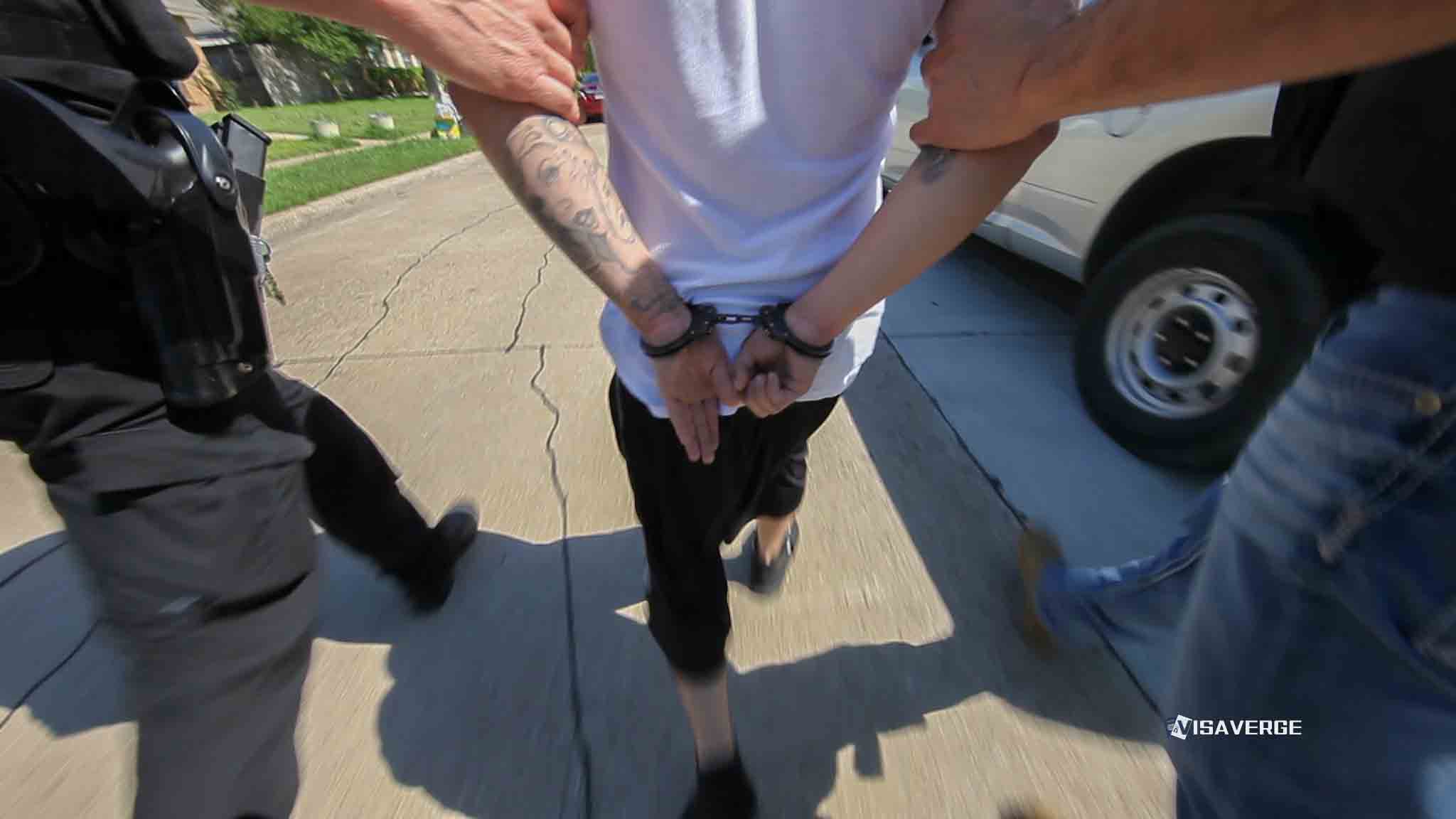
Visible enforcement activity widened the story on March 23, 2026. An arrest was filmed at San Francisco International Airport, or SFO, and reporters documented roving four-member patrols in “ICE” vests at Newark. Those images turned a staffing response into a public test of how far immigration agents may be seen inside civilian travel spaces.
- JFK — New York, New York: ICE presence confirmed on March 23, 2026 amid shutdown-related TSA strain.
- EWR — Newark, New Jersey: Roving patrols in “ICE” vests were observed in terminal areas on March 23, 2026.
- ATL — Atlanta, Georgia: The airport faced nearly 6 hours of wait times on March 22, 2026.
- MSY — New Orleans, Louisiana: Deployment was described as support for airport operations.
- PHX — Phoenix, Arizona: ICE presence was confirmed during TSA staffing disruptions.
- PHL — Philadelphia, Pennsylvania: Agents were deployed as TSA staffing shortages worsened.
Why the Deployment Matters
Why this matters goes beyond line management. Armed immigration enforcement personnel are not typically the public face of airport checkpoint support. TSA remains the screening authority, but the use of ICE agents near entrances, exits, and terminal spaces may change how travelers perceive the airport environment.
Administration officials said the goal was to ease congestion and keep flights moving during the shutdown. Critics said the tactic may also serve as political pressure during a budget fight, especially because the most visible impact landed in crowded public spaces where delays were already drawing national attention.
AFGE sharply criticized the deployment. “ICE agents are not trained or certified in aviation security. Putting untrained personnel at security checkpoints does not fill a gap. It creates one,” the union said.
Legal experts also raised Fourth Amendment concerns. In many cases, airport travelers expect screening by TSA officers under established aviation security rules, not contact with immigration agents whose mission is enforcement. That distinction may matter if questioning expands beyond crowd control or if stops appear tied to race, ethnicity, language, or perceived nationality.
Civil-liberties advocates warned about racial profiling risks. Trump’s March 22, 2026 post singled out Somali immigrants, and that language heightened alarm among East African communities. Even lawful permanent residents, visa holders, and naturalized citizens may feel pressure to avoid travel if they fear being questioned in terminals.
Passengers reported confusion about what ICE agents were doing and whether status checks could happen outside a formal border setting. That uncertainty can affect citizens and noncitizens alike. In crowded terminals, many travelers may not know the difference between TSA authority, police authority, and ICE authority.
TSA workers faced another strain: morale. Their pay remained frozen during the shutdown while other federal agents were brought in to support airport operations. For some officers, that raised fairness questions as they continued checkpoint work under high stress and public frustration.
Communities with close ties to immigrant populations may feel the effects most sharply. Visible airport arrests, even if limited in number, can have a chilling effect on routine travel to visit family, attend work trips, or return from domestic flights.
What travelers should watch for: possible status checks, visible enforcement in terminals, and updated advisories from DHS/ICE.
Anyone flying through the listed airports may want to allow extra time and monitor official advisories before leaving for the airport. People with pending immigration matters may also want to carry usual travel and identity documents and consult a professional if they have case-specific concerns.
Where to Verify Updates
For verification, the most direct federal channels are the DHS Newsroom, ICE press releases, and the USCIS newsroom. Those pages may provide statements, enforcement updates, and broader federal immigration messaging tied to the same events.
Short clips on social media may show real scenes without showing the full context. Airport arrests, patrol footage, and terminal encounters can spread quickly, but travelers should verify time, place, and agency involvement before drawing conclusions from secondhand reports.
Verify official updates via DHS Newsroom, ICE press releases, and USCIS newsroom before relying on social posts or secondhand reports.
By late March 23, 2026, the central facts were clear: the U.S. Department of Homeland Security and the White House had confirmed ICE deployment at major airports, TSA staffing was under severe shutdown pressure, and visible airport arrests had deepened legal and civil-liberties concerns. Anyone traveling through JFK, EWR, ATL, MSY, PHX, PHL, or seeing reports from SFO may want to check official federal updates before heading to the airport or sharing claims online.
This article provides general information about immigration law and is not legal advice. Immigration cases are highly fact-specific. Consult a qualified immigration attorney for advice about your specific situation.