- Respondents bear the initial burden to prove evidence was unlawfully obtained under Matter of Barcenas.
- DHS faces a February 13 funding deadline that could impact ICE oversight and field operations.
- Proposed budget conditions include mandatory body-worn cameras and stricter judicial warrant standards for arrests.
In Matter of Barcenas, 19 I&N Dec. 609 (BIA 1988), the Board of Immigration Appeals held that a person seeking to suppress evidence in removal proceedings bears the initial burden to come forward with evidence making a prima facie case that the evidence was unlawfully obtained.
Only after the respondent meets that initial burden does the burden shift to the government to justify how it obtained the evidence.
Even if an encounter seems unlawful, immigration courts often apply the exclusionary rule narrowly. Many cases turn on whether a violation was “egregious” under INS v. Lopez-Mendoza, 468 U.S. 1032 (1984) and circuit law.
This procedural rule matters now because the active debate over Immigration and Customs Enforcement funding, oversight conditions, and field tactics will likely shape what gets documented during arrests.
That documentation, in turn, may shape what respondents can prove in court. When encounters are masked, undocumented, or contested, meeting Barcenas’s prima facie showing can be harder. When encounters are recorded, it can be easier.
1) Overview: the ICE funding dispute, the DHS timeline, and what shutdowns mean in practice
As of Wednesday, February 4, 2026, Congress has largely funded the federal government through the end of the fiscal year under H.R. 7148 (the Consolidated Appropriations Act, 2026). The Department of Homeland Security (DHS), however, is on a shorter runway.
That mismatch creates recurring brinkmanship. A full-year appropriations law sets spending levels and often includes detailed conditions, while a short-term extension typically maintains prior funding levels for a limited period and can limit program changes.
When DHS is funded on a shorter extension than other agencies, planning becomes difficult. Hiring, contracting, and procurement can all slow.
A partial government shutdown does not necessarily stop immigration enforcement. Many DHS and ICE functions are treated as essential, so detention operations and enforcement activity may continue.
Some support functions can slow, including certain contracting actions and administrative processes. Other agencies that touch immigration can also feel strain, including EOIR immigration courts, depending on the funding posture and contingency planning.
The core dispute is not only the dollar figure for ICE. It is also about conditions tied to that spending. Those conditions can shape tactics, documentation, and oversight.
DHS’s current stopgap funding is set to expire at midnight on February 13, 2026, unless Congress acts.
2) Democratic demands: translating oversight proposals into day-to-day enforcement changes
Democratic leaders have described several “must-have” operational changes as a condition of full-year DHS funding. The requests fall into a few buckets that can affect what is documented and how enforcement is conducted.
A) Identification and recording (body cameras; limits on face coverings)
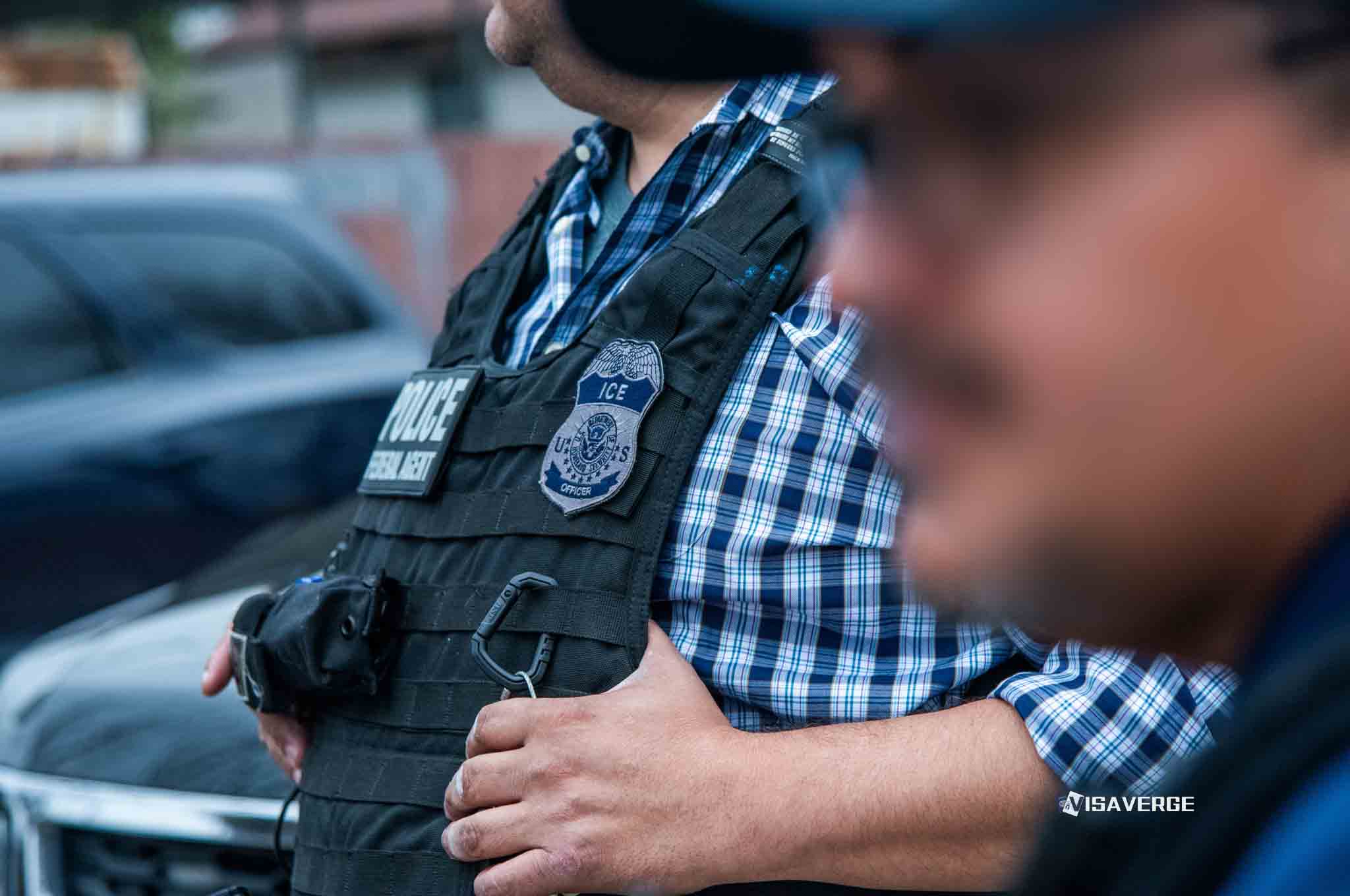
One major category is a requirement for body-worn cameras and limits on masks or face coverings during operations. In practice, this can change the evidentiary record.
Video may resolve disputes about consent, force, and what was said. It may also reduce ambiguity about who participated.
B) Warrant standards (judicial vs. administrative)
Another category is a push for a judicial warrant standard for entry onto private property or certain arrests. A judicial warrant is issued by a neutral judge based on a showing of probable cause.
By contrast, ICE often uses administrative warrants (such as Forms I-200 or I-205), signed by immigration officers, not judges. This distinction matters most at the threshold of a home or other private area.
Under Fourth Amendment doctrine, entry into a home typically requires a judicial warrant or valid consent, absent exigent circumstances. Immigration court litigation often focuses on whether consent was truly voluntary and whether the setting was coercive.
C) Limits on patrol models and “roving” tactics
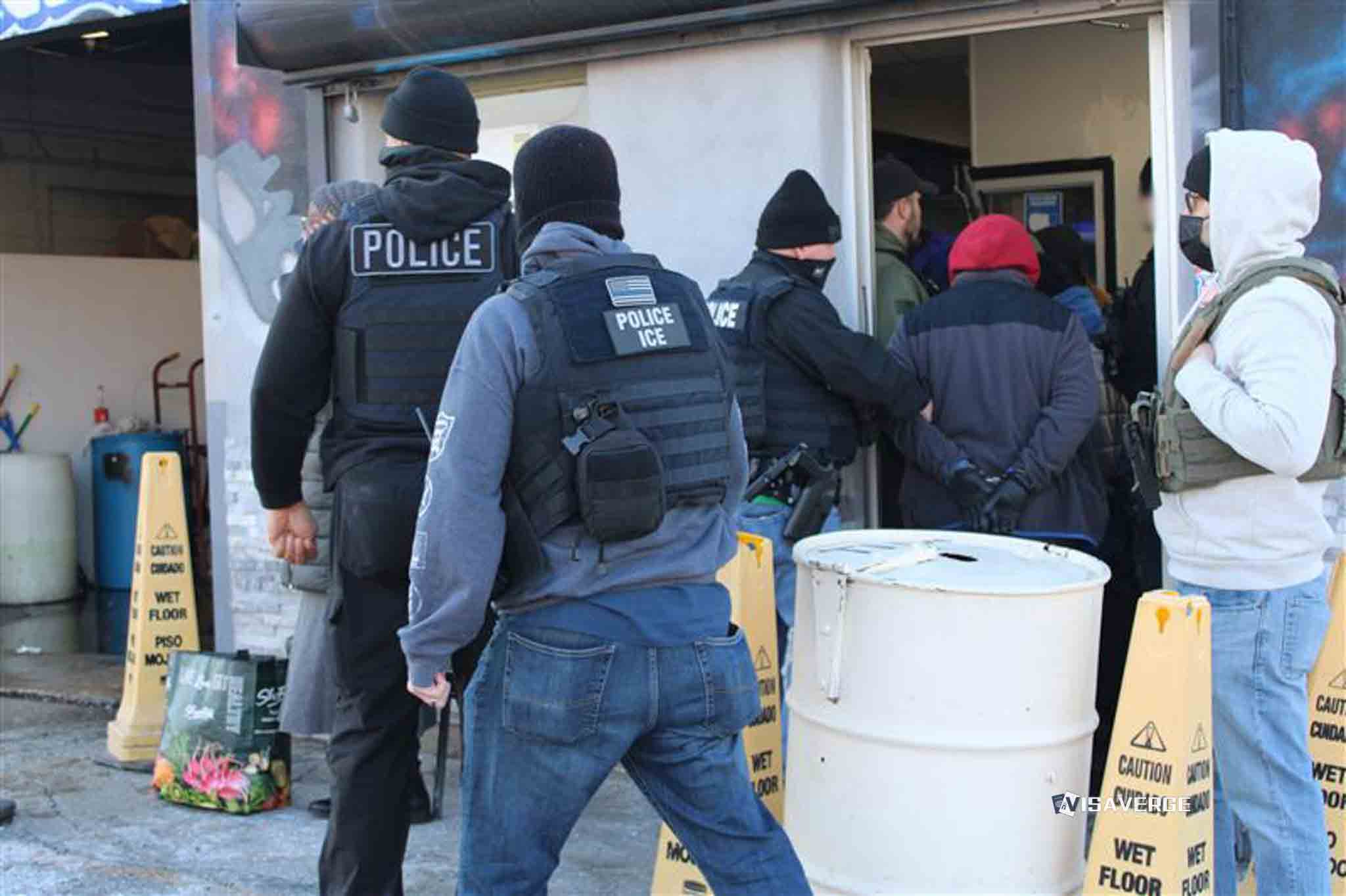
Demands to limit “roving patrols” are best understood as a debate about street-level enforcement intensity. More field activity can produce more arrests, more NTA issuance, and more detention bookings.
It can also increase litigation over stops, questioning, and any escalation.
D) Sensitive locations protections (schools, churches, hospitals, courthouses)
“Sensitive locations” policies aim to reduce enforcement activity in places where community access is critical. That includes schools and healthcare settings.
The theory is that fear of enforcement can deter school attendance, medical care, and cooperation with public institutions. These policies are controversial because critics argue they can create predictable refuges, while supporters argue they prevent collateral harm and protect public health and safety.
E) Independent oversight and investigations
An oversight body focused on lethal force and misconduct is aimed at accountability. For removal defense, independent investigations can also create records that later inform suppression motions, bond hearings, or credibility disputes.
3) DHS and Administration responses: commitments, priorities, and how budgets translate into capacity
DHS leadership has indicated support for expanding body-worn cameras, with phased implementation tied to available funds. That linkage is important: if Congress conditions or restricts spending, the pace and scope of camera deployment may change.
The Administration has also publicly emphasized arrests of people charged with or convicted of crimes. Definitions matter here: “arrests,” “charges,” and “convictions” are not interchangeable.
In immigration law, consequences often turn on the statutory ground charged and the record of conviction. See, for example, the categorical approach in many criminal-removal contexts.
Budget requests connect to operational reality. Funding can affect staffing levels, transportation contracts, detention bed space, and detention medical services. Those capacity choices can also increase pressure on EOIR dockets.
That pressure may influence custody decisions and continuance litigation, even if legal standards remain the same.
4) Key statistics and context (Feb. 2026): what the metrics do—and don’t—prove
Current detention figures are often cited as a proxy for enforcement intensity. They can be informative, but they are not the full story.
A rise in overall detention may reflect more arrests, fewer releases, or slower case completion. Family detention figures can be especially sensitive, given longstanding litigation and policy shifts across administrations.
Large, multi-year funding infusions can affect enforcement capacity over time. They can support longer-term vendor contracts, facility expansion, and technology purchases that may outlast any single appropriations standoff.
Reported “departures” also need careful parsing. Removals/deportations are formal actions. Self-departures can include many scenarios, and the legal implications vary widely. Combining them without definitions can obscure what actually happened in individual cases.
5) Community impact: workplaces, schools, healthcare access, and safer documentation
Shifts toward more street or field enforcement can change community behavior. In some places, people may avoid reporting crimes or serving as witnesses, parents may hesitate to engage with schools, and people may postpone medical appointments.
Healthcare impacts are not theoretical: missed preventive visits can worsen chronic conditions. Fear of public spaces can also affect mental health.
Some communities respond by documenting encounters. Filming in public is often protected, but rules vary by state and setting. People should prioritize safety, avoid interference, and be mindful of private property restrictions.
A calm observer who records from a safe distance is less likely to escalate an encounter. Local legal aid groups and community organizations may help people create emergency plans, identify reputable counsel, and avoid scams.
Carrying false documents or making false statements can create serious immigration and criminal exposure. Even small misrepresentations may trigger inadmissibility under INA § 212(a)(6)(C).
6) Funding status and what’s at stake: why DHS’s shorter extension matters for cases
Because DHS is on a shorter extension than many other agencies, near-term uncertainty is higher. That can affect operational planning even if day-to-day enforcement continues.
Contractors and local partners may also adjust expectations. Three broad outcomes are typically on the table:
- Full-year DHS appropriations. This can lock in funding levels and any oversight conditions and may stabilize planning for detention contracts, technology, and staffing.
- Another short-term extension. This can keep operations moving but prolong uncertainty, keep policy fights alive, and delay procurement and program changes.
- A lapse in appropriations. Many core functions may continue under shutdown rules, but administrative slowdowns and contracting constraints can ripple across detention, transportation, and support services.
For removal defense, oversight conditions are not abstract. Documentation requirements, warrant policies, and sensitive-location limits can affect what facts exist to litigate. They can also affect whether respondents can meet the Barcenas prima facie burden in suppression disputes.
Watch the upcoming DHS funding deadline and the longer-term funding horizon set by the broader appropriations framework in H.R. 7148.
7) Official government sources for primary documents and updates
For readers tracking developments, these official sources are the most reliable starting points:
- USCIS Newsroom (benefits policy and processing updates, separate from ICE enforcement): https://www.uscis.gov/newsroom
Practical takeaways for immigrants, families, and defense counsel
- Suppression is possible but demanding. Under Matter of Barcenas, 19 I&N Dec. 609 (BIA 1988), the respondent must produce enough evidence to raise a prima facie case. Contemporaneous documentation can be decisive.
- Warrant language matters. Administrative ICE paperwork is not the same as a judge-signed warrant. The facts around consent and entry often drive outcomes.
- Funding conditions can change the record. Body cameras, mask rules, and oversight mechanisms can affect what can be proven later in court.
- Healthcare and school impacts are real case factors. They can intersect with bond, prosecutorial discretion requests, and humanitarian equities. The legal relevance varies by posture and jurisdiction.
Because suppression law, bond standards, and Fourth Amendment remedies can vary by circuit, and because arrests often involve complex factual disputes, individuals facing enforcement or removal proceedings should consult a qualified immigration attorney promptly.
This article provides general information about immigration law and is not legal advice. Immigration cases are highly fact-specific, and laws vary by jurisdiction. Consult a qualified immigration attorney for advice about your specific situation.
Resources:
- AILA lawyer search