- Medical examiners ruled the death a homicide following neck and torso compression during an ICE detention incident.
- Fellow detainees reported witnessing excessive force during the restraint of 55-year-old Geraldo Lunas Campos at Fort Bliss.
- Congresswoman Veronica Escobar is demanding transparency and closure of the large-scale Camp East Montana temporary facility.
(EL PASO COUNTY, COLORADO) — ICE detention facilities and contractors must comply with federal detention standards requiring prompt medical care, accurate incident reporting, and preservation of records after a death in custody—requirements that can trigger parallel reviews by DHS oversight components and, in some cases, law-enforcement investigations.
Those obligations arise through multiple legal and policy channels, including ICE detention standards incorporated into facility contracts, DHS reporting and oversight practices, and immigration detention authorities under the Immigration and Nationality Act (INA). ICE’s authority to detain generally flows from INA § 236 (certain pre-removal detention) and INA § 241 (post-order detention).
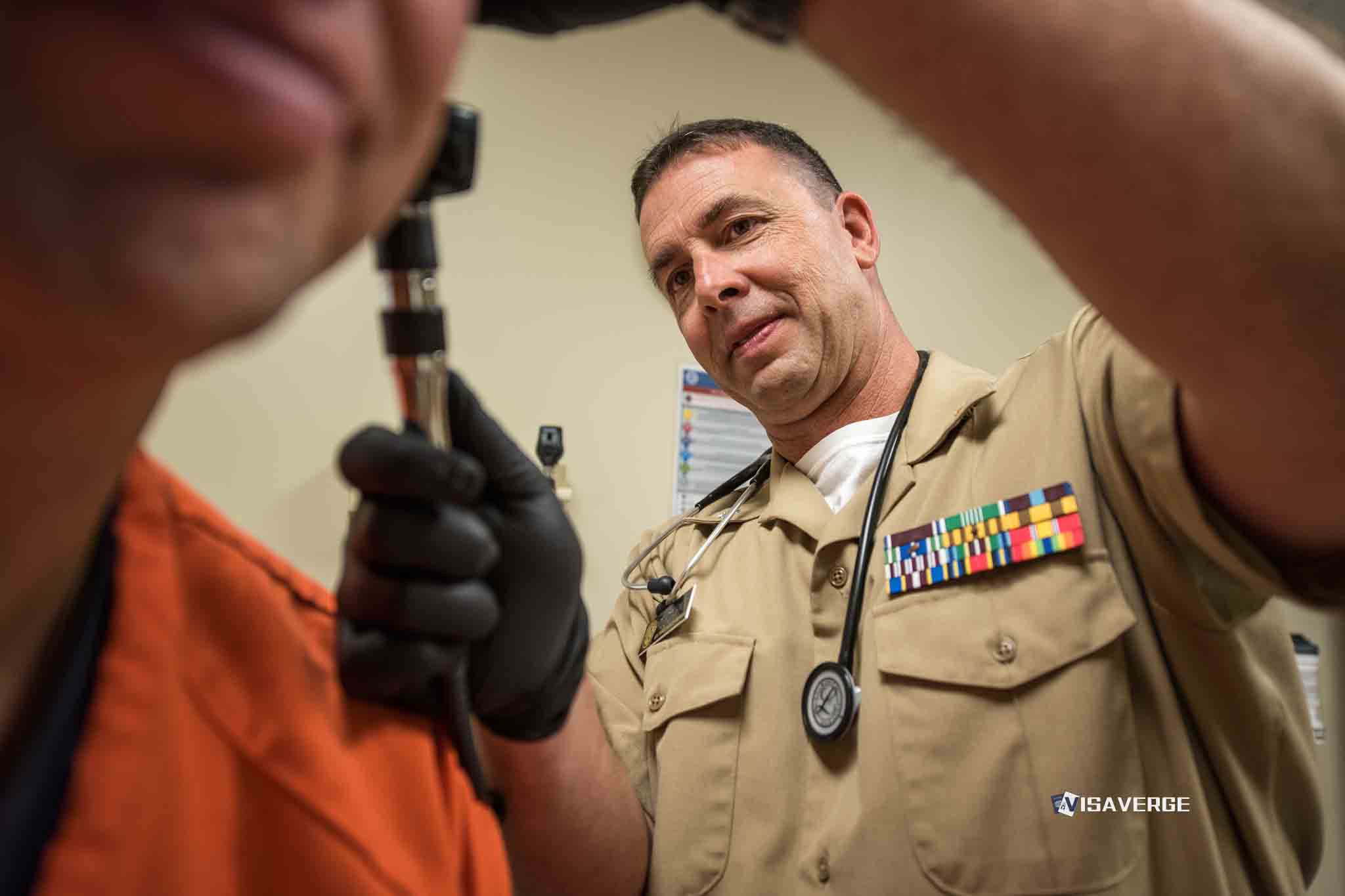
When a critical incident occurs, compliance is typically measured against required medical response, documentation, and cooperation with oversight bodies, rather than against the eventual medical examiner outcome alone.
1) Incident Overview
Geraldo Lunas Campos, a 55-year-old Cuban immigrant, died while in ICE custody at the Camp East Montana facility at Fort Bliss in El Paso, Texas.
The El Paso County Medical Examiner’s Office later classified the death as a homicide and reported a cause of death of asphyxia due to neck and torso compression.
For readers, it helps to separate medical-legal terms from criminal-law conclusions. A “manner of death” is the medical examiner’s classification, such as natural, accident, suicide, homicide, or undetermined.
“Homicide” in that context generally means death caused by another person’s actions, without deciding criminal intent.
Why it matters for detention oversight: a homicide manner-of-death finding commonly increases scrutiny of use-of-force, staffing, training, and medical response. It may also shape what records must be preserved and reviewed.
2) Autopsy Findings
The autopsy released on January 21, 2026, states the cause of death as asphyxia from compression of the neck and torso. That means breathing was obstructed because pressure was applied to areas that affect airflow and chest expansion.
The report describes injuries that can be relevant in in-custody investigations. It noted petechial hemorrhages (tiny blood spots) in the eyelids and neck skin.
Petechiae may be seen when venous pressure rises, including in some restraint-related events. The report also noted abrasions on the chest and knees.
Abrasions can be consistent with a physical struggle or contact with surfaces. These findings are contextual, not self-executing proof of legal fault.
The reporting also includes a witness account. Fellow detainee Santos Jesús Flores told investigators he saw multiple guards restrain Lunas Campos and said one guard placed an arm around his neck until he lost consciousness.
Flores reported hearing, “I can’t breathe.” That allegation should be understood as a reported observation. Investigators typically test such accounts against video, logs, staff statements, medical notes, and timing data.
Autopsy release timing often affects public narratives. Agencies may issue early statements based on initial reports. Those statements may later be revised once medical examiner findings and internal reviews mature.
3) Official Timeline and Statements
In deaths in custody, the public record often develops in layers. Agencies may issue an initial notice, then follow with clarifications. Those changes do not, by themselves, prove misconduct or accuracy.
They do indicate that facts are being gathered and evaluated. Here, DHS and ICE issued multiple statements over time. In many in-custody death reviews, overlapping processes can occur at once.
A facility may conduct an internal critical-incident review. DHS components may conduct administrative review. A medical examiner performs an independent determination. Law enforcement may also review conduct depending on jurisdiction and referral.
Use-of-force investigations commonly examine several categories of evidence. These include surveillance video, body-worn camera footage if used, radio traffic, medical encounter records, segregation logs, incident reports, and witness interviews.
Investigators also look for policy compliance, including restraint techniques, de-escalation steps, and supervisory approvals. The key compliance point for facilities is consistency and documentation.
If accounts shift, investigators typically examine what information was available at each stage, who documented it, and whether evidence was preserved without alteration.
Public statements and press releases are not substitutes for independent medical examiner findings. Treat early accounts as preliminary until corroborated by records.
4) Facility Context and Conditions
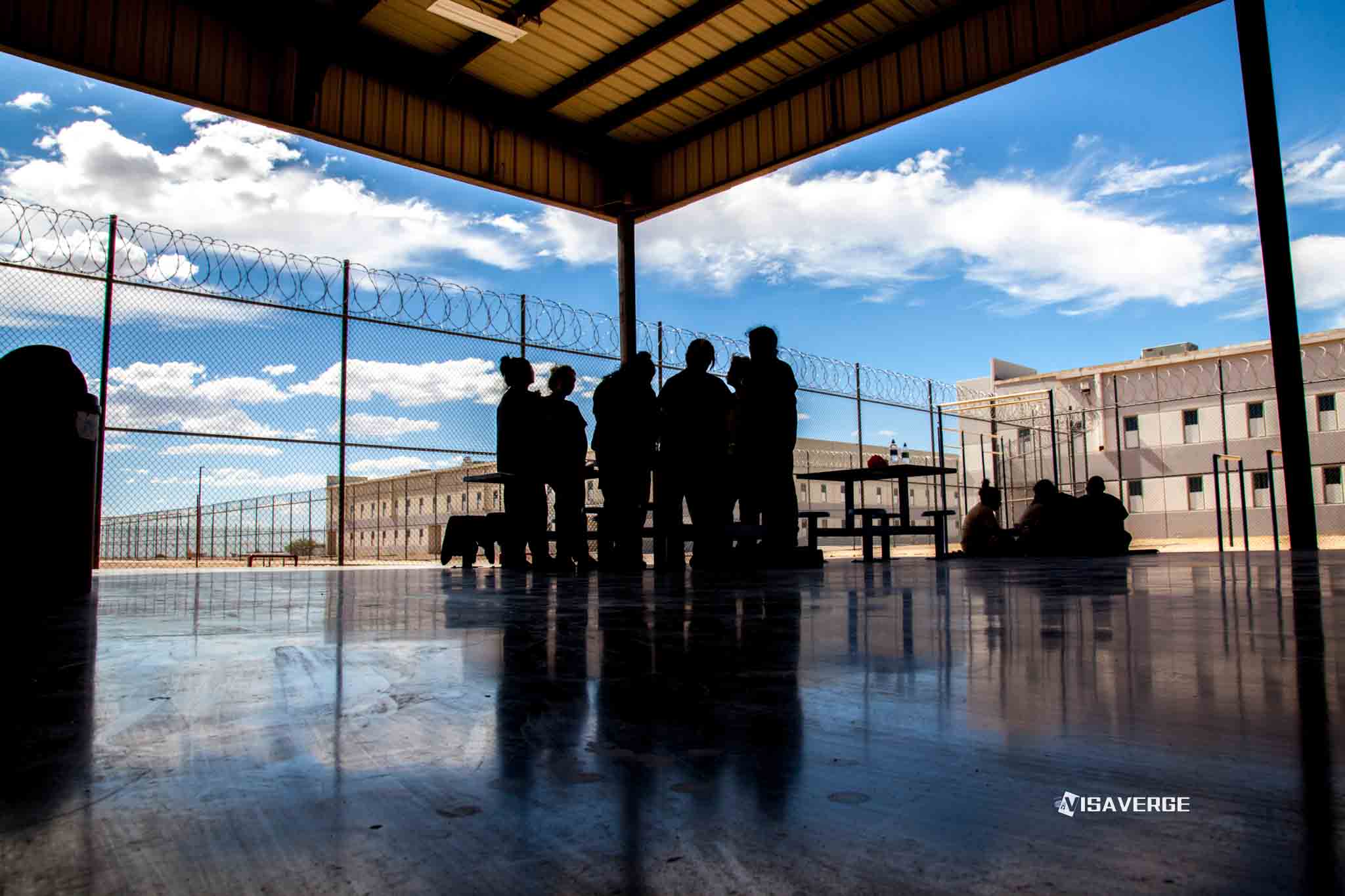
Camp East Montana is described as a large tent detention site at Fort Bliss, with a reported capacity of 5,000. Large-scale “tent” operations tend to draw oversight attention for practical reasons.
They raise questions about clinical staffing, access to emergency services, privacy for medical encounters, and supervision in high-acuity housing. High-volume operations can affect compliance in predictable ways.
Staffing shortages may delay medical checks. Training gaps may affect restraint practices.
Segregation units can raise heightened risk if detainees have mental-health needs, or if observation protocols are not followed. The report also references multiple deaths at the facility within a short window.
Clusters of critical incidents can lead to more frequent inspections, contract scrutiny, and congressional questions. The existence of multiple deaths does not establish causation. It can, however, increase demands for transparent reporting and corrective action plans.
Oversight pathways may include DHS Office of Inspector General work, DHS Office for Civil Rights and Civil Liberties engagement, and contract compliance reviews. Members of Congress may also request briefings and documents.
5) Detainee Background and Witness Information
ICE and DHS statements included background details about Lunas Campos. He reportedly lived in Rochester, New York, for more than 20 years and had diagnoses including bipolar disorder and anxiety.
Mental-health history often becomes central in custody incidents because it can affect suicide-risk screening, crisis response, medication continuity, and the appropriateness of segregation placements.
The government also emphasized his criminal history, including a 2003 conviction involving sexual contact with a minor under 11. Agencies often cite criminal history to explain enforcement posture and perceived public safety risk.
That information may be relevant to detention authority and custody level. It does not answer whether force used in a specific encounter was consistent with policy, proportionality, or medical need.
Witness information, including Flores’s account, is typically assessed through corroboration. Investigators commonly look for synchronization between witness timelines, camera angles, staff rosters, and medical chart entries.
They also check when vital signs were assessed, when EMS was called, and what resuscitation steps were taken.
6) Legislative Reaction and Implications
Rep. Veronica Escobar (D-TX) called for immediate briefings from DHS Secretary Kristi Noem and Acting ICE Director Todd M. Lyons. She also called for greater transparency and accountability, and has urged closure of the facility.
Congress has several oversight tools. Lawmakers may send letters requesting records, demand briefings, or hold hearings. They may ask the Government Accountability Office to review detention contracting and compliance practices.
They may also coordinate with inspectors general on audit scopes and timelines. Policy implications often turn on how well agencies can show compliance with use-of-force protocols and medical-response requirements.
The case may also intensify debate over large, temporary detention models and whether they can maintain consistent medical monitoring, especially in segregation settings. Parallel investigations can proceed regardless of political statements.
Medical examiner findings, administrative reviews, and congressional oversight often run on separate timelines.
When a death occurs in custody, facilities typically must initiate immediate internal reporting and preserve video and records. Exact timeframes can be contract- and policy-specific, and counsel should confirm them promptly.
7) Impact and Official Sources
The homicide classification and the stated cause—asphyxia due to neck and torso compression—are likely to sharpen scrutiny of restraint techniques, supervision in segregation, and the transparency of agency communications.
This is especially true at large detention sites like the Camp East Montana facility, where scale can strain staffing and medical responsiveness.
For compliance monitoring, readers should distinguish between (1) agency press statements, (2) medical examiner determinations, and (3) oversight findings from audits or investigations. Each serves a different role.
None alone resolves all factual disputes.
Primary sources worth checking directly include:
- ICE newsroom releases and detainee death notifications
- DHS Press Office statements
- Rep. Veronica Escobar’s press releases
Families, witnesses, and detained individuals may face immigration and criminal exposure when speaking publicly. Anyone involved should seek legal counsel before giving detailed statements.
Practical compliance takeaways for facilities and practitioners
- Preserve all video, logs, medical charts, and radio traffic from the incident window.
- Document medical checks and escalation steps with timestamps.
- Ensure translation access for witness interviews when needed.
- Coordinate responses through counsel to avoid inconsistent narratives.
⚖️ Legal Disclaimer: This article provides general information about immigration law and is not legal advice. Immigration cases are highly fact-specific, and laws vary by jurisdiction.
Consult a qualified immigration attorney for advice about your specific situation.