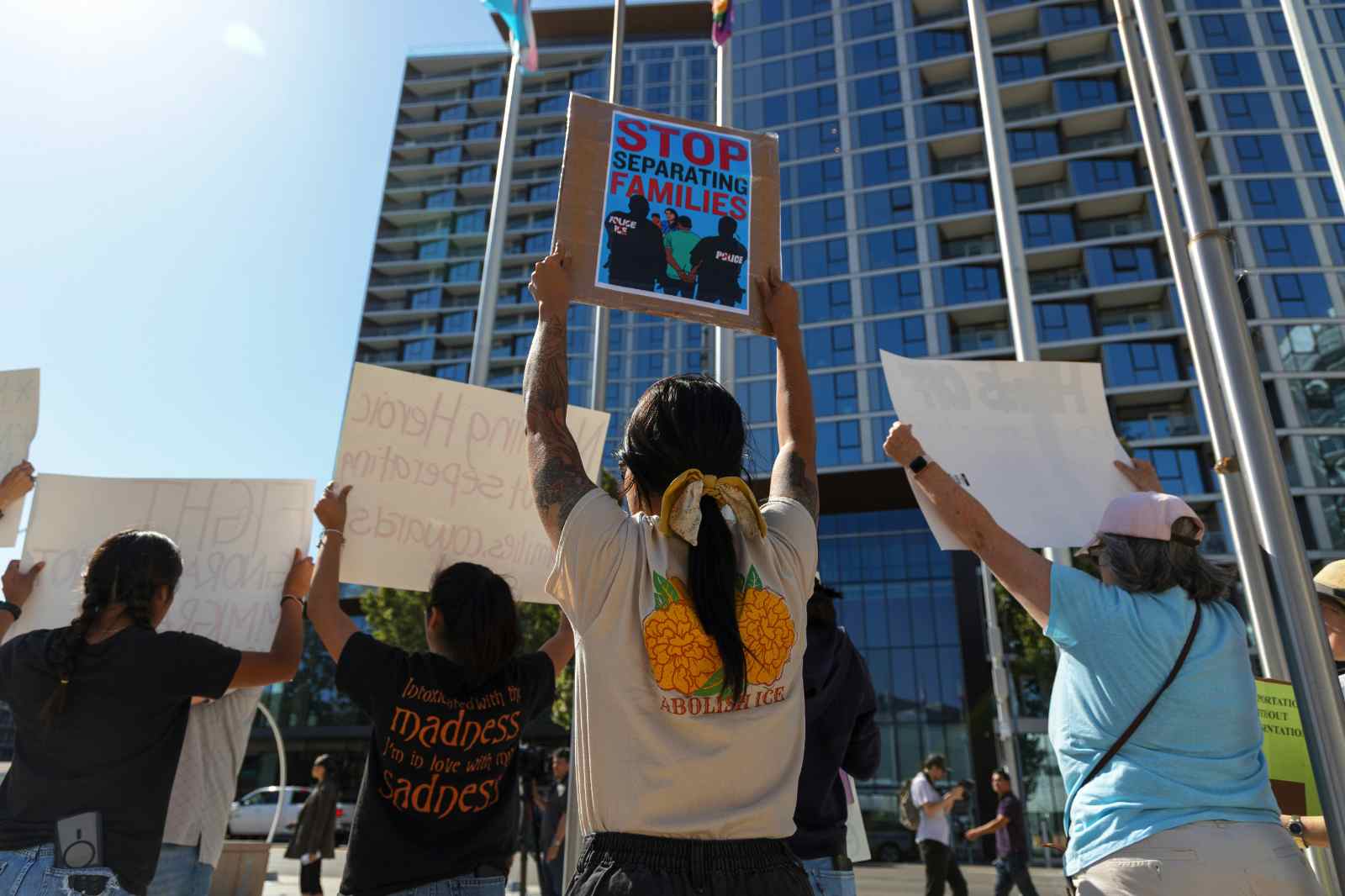
- Senator Booker is pushing to mandate body cameras and ban abbreviated training for immigration agents after fatal incidents.
- Defense strategies now prioritize preserving video evidence and identifying specific agencies early in litigation.
- Proposed reforms include minimum training standards and the VISIBLE Act to ensure clear agent identification.
(MINNEAPOLIS) — A growing defense strategy in immigration-related encounters is to treat video and identification issues as core evidence questions from day one, especially as Sen. Cory Booker presses Congress to ban abbreviated training for immigration agents and mandate body cameras during public-facing operations.
The policy debate surged in January 2026 after the fatal shooting of Renee Nicole Good, a 37-year-old U.S. citizen, by an ICE agent in Minneapolis on January 7, 2026. Federal officials have defended the agent’s conduct and DHS training standards.
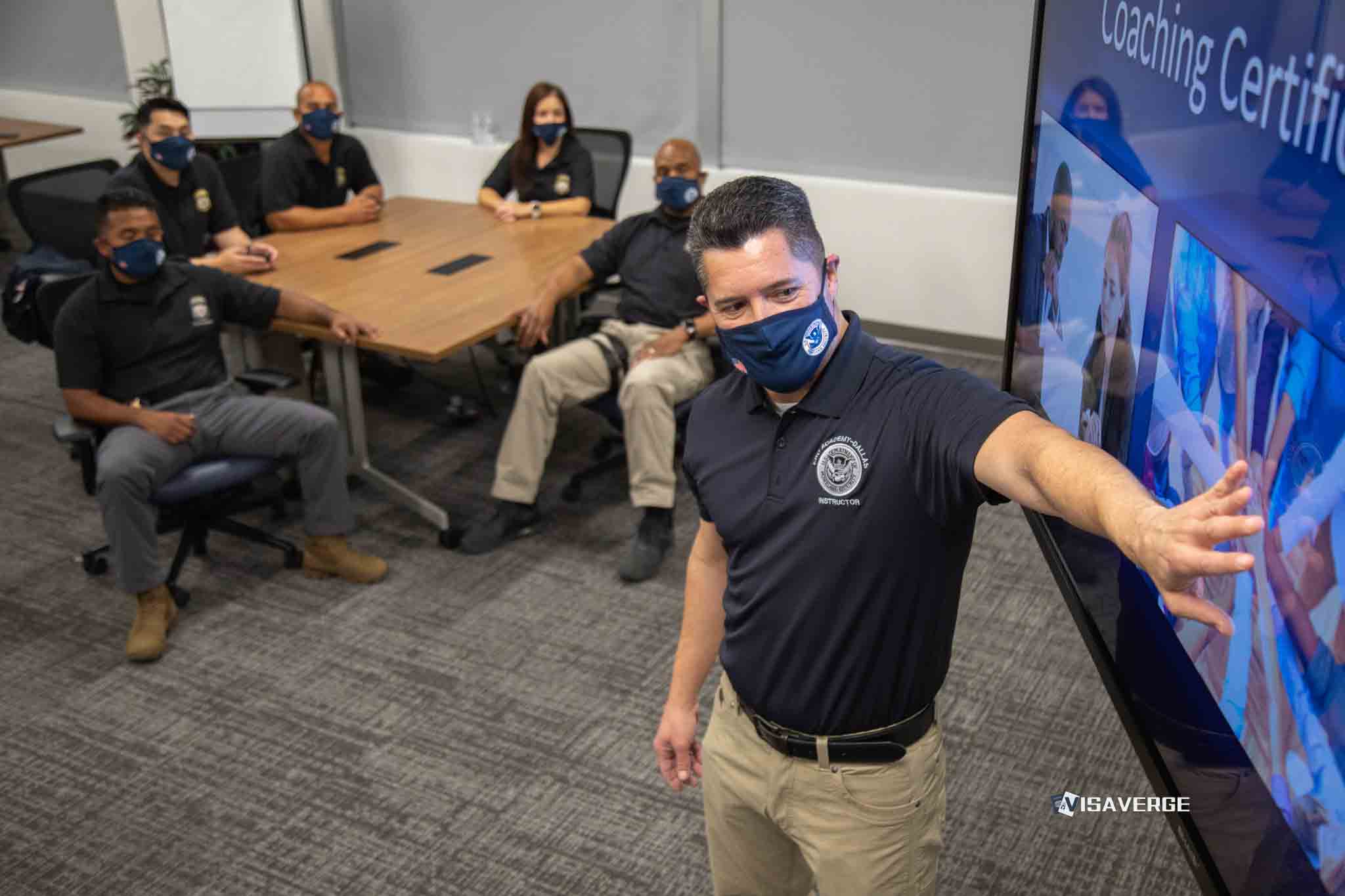
Senator Booker has argued that shortened training and weak accountability rules raise predictable risks. For defense counsel, families, and community advocates, the legal takeaway is immediate.
When use-of-force or mistaken-identity allegations arise in an immigration operation, the strongest early moves often involve preserving footage, pinning down which agency acted, and building an evidentiary record that can be used across forums. Those forums may include immigration court (EOIR), federal court, and internal oversight channels.
Key definitions that often get blurred
ICE, DHS, and USCIS are not interchangeable. DHS is the Cabinet department. ICE is a DHS enforcement agency. USCIS is a DHS benefits agency. It typically does not conduct street enforcement.
“Immigration agents” is also imprecise. The term may refer to ICE Enforcement and Removal Operations (ERO) officers, ICE Homeland Security Investigations (HSI) agents, or CBP officers. Each role can carry different authorities, training pipelines, and use-of-force policies.
Training pipeline and operational policy also differ. Training describes onboarding and certification. Operational policy covers what an officer may do in the field, and under what supervision.
Recent reporting has focused on whether training time was compressed from months to weeks. DHS has publicly defended its current standards, while Senator Booker has called for minimum training requirements and a ban on accelerated training.
Exact training figures and date-stamped claims vary by source and time period, and readers should compare documents by publication date and audience.
Section 1 — Overview of the issue and recent developments (defense lens)
The defense “relief option” here is not a single immigration benefit. It is a cross-cutting litigation and case-building approach: use accountability tools—especially body cameras and clear identification—to test the government’s version of events.
That approach matters because immigration cases often turn on credibility and paper records. Video can change leverage. It can also create impeachment material, mitigation evidence, and sometimes grounds to suppress evidence or terminate proceedings.
Senator Booker says he is pushing three connected changes: a federal minimum training standard, a prohibition on abbreviated training, and body cameras for public-facing immigration operations. He has also previously promoted the VISIBLE Act concept, which centers on visible identification and limits on face coverings during arrests.
DHS leadership has disputed the premise that training is inadequate. After the Minneapolis shooting, DHS Secretary Kristi Noem stated that the officer “followed his training” and characterized the incident as domestic terrorism by the victim. The White House also defended the officer’s actions as self-defense.
Those are official statements, not factual findings from a completed investigation. For defense counsel, that distinction matters. Official messaging is not the same as adjudicated fact. Ongoing investigations can produce different conclusions.
Warning (Evidence Preservation)
If a use-of-force incident occurred, counsel should act quickly to preserve video, radio traffic, dispatch logs, and reports. Agencies may have routine retention schedules.
Section 2 — Training practices: past, present, and proposed changes
The training-duration controversy is a proxy for a broader legal question: whether officers were adequately prepared to apply constitutional limits, de-escalation, and agency use-of-force rules. Reports have described a shift toward shorter onboarding for some ICE roles.
“Accelerated” or “abbreviated training” can mean a compressed curriculum, fewer scenario-based exercises, shortened field training, or faster deployment under thinner supervision. It can also mean changes to how prior experience is credited.
When readers see competing numbers, they should ask three questions. First, what job category is being discussed. ICE deportation officers, ICE special agents, and CBP officers are not trained identically. Second, what document is being cited. Older public-facing materials can persist online after internal programs change. Third, what counts as “training.” Some sources include academy time only. Others include field training officer (FTO) phases.
From a defense strategy perspective, training length alone rarely proves wrongdoing. But it can support arguments about foreseeability, supervision, and reasonableness. It can also guide discovery requests and cross-examination themes.
Common training-linked topics that matter in litigation include constitutional limits on searches and seizures, de-escalation methods, identification procedures, interagency coordination with local law enforcement, and firearms decision-making.
If a case includes a contested stop, arrest, or entry into a home, counsel may track those issues to Fourth Amendment principles. Immigration arrests often intersect with constitutional rules even though removal is a civil process.
The BIA has addressed suppression standards in cases such as Matter of Barcenas, 19 I&N Dec. 609 (BIA 1988).
Section 3 — Funding and staffing context driving policy
Training controversies rarely happen in a vacuum. Rapid hiring surges can strain academy capacity, field supervision, and mentoring. Public statements have described a major staffing expansion tied to a large supplemental appropriation.
In practical terms, a surge can shift the experience mix. More new hires can mean fewer seasoned mentors per trainee. It can also mean more multi-agency deployments with uneven command structures.
For defense counsel, surge conditions can be relevant in two ways. One, they can explain inconsistent documentation. Large operations generate rushed paperwork, mismatched identifiers, or incomplete narratives. Two, they can support targeted requests for standard operating procedures.
Counsel may seek policies on team composition, arrest planning, and supervisory approvals. Still, the public should be cautious about inferring too much from budgets alone. More money does not automatically mean better training. Quality depends on standards, instructor staffing, and accountability systems.
Section 4 — Key policy proposals and bills
Several proposals in public discussion would change how defense attorneys build records.
- VISIBLE Act-style identification rules. As described publicly, this concept would require clear identification and restrict face coverings during arrests. If enacted, it may reduce disputes over which agency acted, and which officer used force. It may also make it easier to locate complaint channels and records custodians.
- Federal minimum training duration. A minimum standard would limit how far agencies can compress onboarding. Implementation would be complex. It would require definitions, exemptions, and transition rules for laterals and veterans.
- Body camera mandates. A federal mandate would raise scope and compliance questions. Which operations count as “public-facing”? What are activation rules? How long is footage retained? Who can access it, and when?
- Civil liability debates. Separate proposals on qualified immunity also shape accountability. Civil suits against federal officers face doctrinal hurdles. Some claims are limited by judge-made doctrines. Legal standards can shift by circuit and by claim type.
For defense strategy, the details matter. A mandate with weak enforcement may yield little usable footage. A mandate with strong retention and disclosure rules can materially affect case outcomes.
Warning (Do not rely on proposed bills as current rights)
Proposed requirements for body cameras or identification are not automatically enforceable until enacted and implemented.
Section 5 — Context, significance, and public safety implications
Incidents like the Minneapolis shooting often become catalysts because they compress several questions into one event: officer safety, public safety, command decisions, and trust.
Supporters of stricter enforcement often argue that officers need operational flexibility, and that resistance creates danger. Critics argue that high-tempo operations with less training predict mistakes and escalation.
At this stage, much remains contested. Statements from officials are not substitutes for completed investigative findings. Defense counsel should avoid litigating the facts in public before records are obtained. Early narratives can harden, and later evidence can cut both ways.
Section 6 — Impacts on individuals and accountability concerns (how to build a defensible record)
If body cameras and identification rules expand, several individual-level effects may follow.
- Potential benefits. Clear ID can help families and counsel identify the right agency and obtain records faster. Video can preserve tone, distance, warnings, and compliance efforts. It can also rebut inaccurate report language.
- Potential risks. Video can capture bystanders, children, and private spaces. Privacy concerns may grow, especially in home entries. Footage can also be used against noncitizens in both immigration and criminal settings.
- Accountability pathways. Depending on facts, options may include internal complaints, DHS Office of Inspector General reporting, congressional inquiries, or civil litigation. Each has different standards and timelines. Some remedies are discretionary and slow.
Defense counsel in removal proceedings should also track how evidence was obtained. Relief options, if the person is placed in proceedings, may include asylum (INA § 208), withholding of removal (INA § 241(b)(3)), CAT protection under 8 C.F.R. §§ 1208.16–1208.18, or cancellation of removal under INA § 240A. Video evidence can affect credibility and discretion in many of these cases.
Deadline (FOIA and retention practicalities)
FOIA under 5 U.S.C. § 552 has no short filing deadline, but waiting can reduce the chance that video still exists. Early requests are often critical.
Section 7 — Official sources and where to verify information
Readers can verify claims and track changes through primary sources.
- Senator Booker’s official newsroom:
- DHS newsroom:
- USCIS newsroom (for benefits and policy updates that may affect immigrants after enforcement events): [USCIS newsroom](
- Congress.gov for bill text, versions, actions, and committees: When reading Congress.gov, check the “Text” tab for the latest version, not just summaries. Review the “Actions” tab for committee steps and votes. Confirm whether a bill became law by locating a public law number.
The bottom line for people affected by an operation is that policy debates can take months or years to translate into field rules. In the meantime, defense strategy often turns on fast, disciplined evidence work and careful forum selection.
Warning (Attorney representation is often decisive)
Immigration enforcement incidents can trigger removal, criminal exposure, and civil claims at once. Coordinated counsel is usually essential.
⚖️ Legal Disclaimer: This article provides general information about immigration law and is not legal advice. Immigration cases are highly fact-specific, and laws vary by jurisdiction. Consult a qualified immigration attorney for advice about your specific situation.
Resources:
- [AILA lawyer search](
The article explores the intersection of immigration enforcement, legislative reform, and legal defense strategy. Following a fatal incident in Minneapolis, Senator Cory Booker is championing legislation for body camera mandates and standardized training. Defense attorneys are increasingly treating identification and video evidence as foundational to case success. The piece clarifies agency roles and emphasizes that official statements during investigations are not final adjudicated facts, requiring disciplined evidence preservation.
Related Coverage