- Manila’s NAIA airport is launching biometric e-gates to automate border identity checks and reduce passenger wait times.
- The system uses Amadeus technology to match facial captures with passport data in under 20 seconds.
- Rollout focuses on Filipino passport holders first, with expansion to Clark and Cebu airports planned through 2026.
(MANILA, PHILIPPINES) Travelers passing through Ninoy Aquino International Airport (NAIA) are now meeting a new kind of immigration line: biometric immigration gates that match your face to your passport record in seconds. The rollout is part of a wide airport rebuild led by New NAIA Infrastructure Corporation (NNIC) with travel technology firm Amadeus supplying the platform that runs the automated border flow.
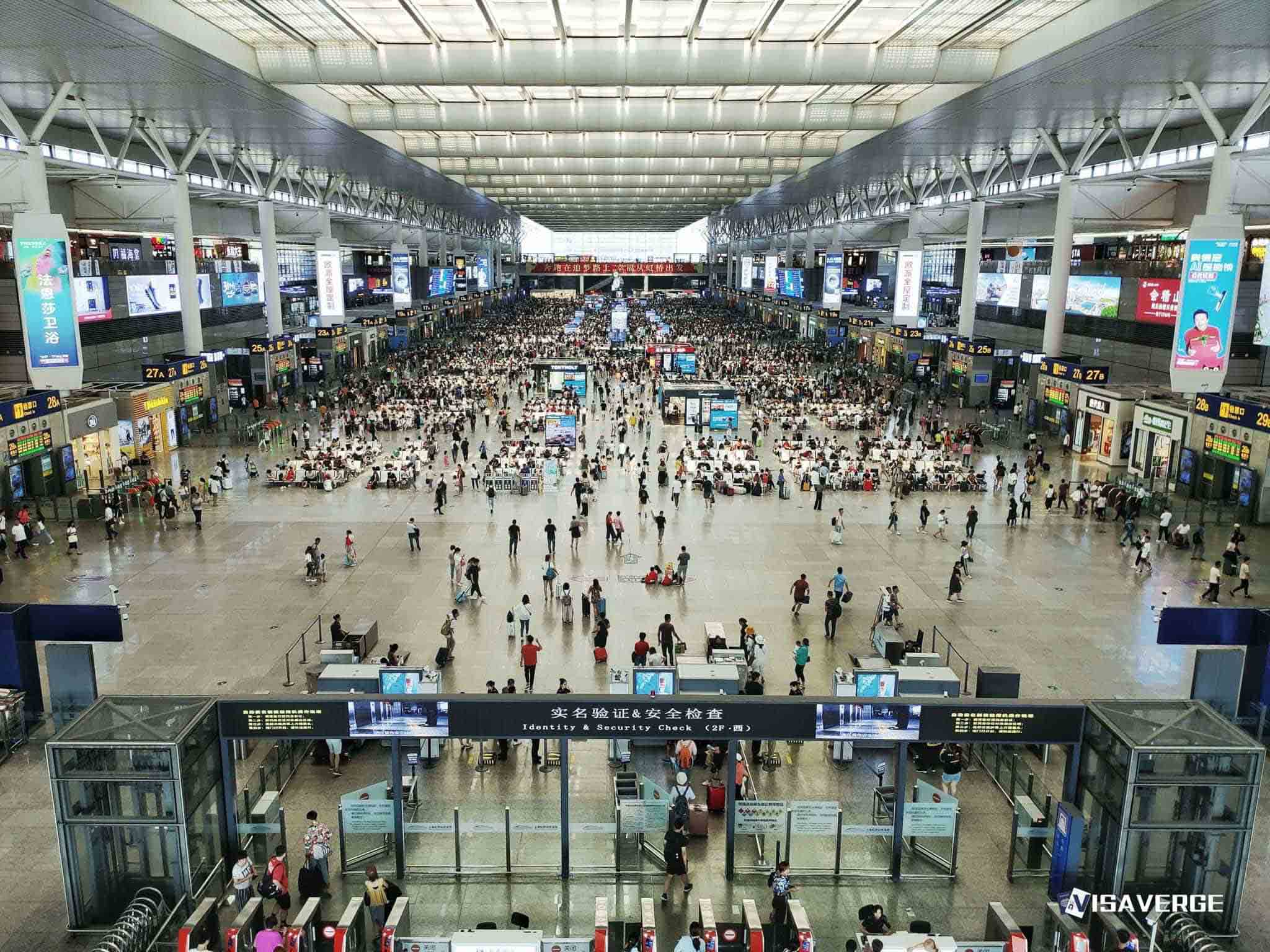
For most passengers, the change feels simple: more self-service lanes, fewer paper-like checks, and faster movement toward baggage claim or departure gates. For immigration authorities, it’s a major shift in how identity checks happen at the physical border.

It also changes what “being prepared” looks like, because small issues that a human officer could quickly fix can cause an e-gate to reject a traveler.
These gates don’t decide whether you deserve a visa, a work permit, or a long-term status. They speed up a different moment in the journey: the border inspection at arrival and departure, where officers confirm identity, check travel documents, and look for alerts tied to a person or passport.
Why NAIA is adding biometric e-gates now
NAIA’s deployment comes as airports across Asia, Europe, and the Middle East put more of the border process into automated lanes. The core idea is consistent: use machines for routine checks, and keep trained officers focused on exceptions, interviews, and higher-risk cases.
At NAIA, the program sits inside a much larger airport upgrade plan. NNIC is overseeing construction and operational changes, while Amadeus provides the software layer often described as a “seamless journey” system.
In practice, that means the gate hardware and cameras are linked to airline and airport systems, plus Philippine immigration databases used for border checks. The basic tradeoff is clear: automation moves queues faster when everything matches cleanly, but it also creates firm “pass or refer” outcomes.
If something doesn’t line up, the system sends you to a staffed counter for a traditional inspection.
Rollout reality inside a working airport
NAIA is turning on e-gates in phases. That matters because the airport stays open during renovations, and immigration halls can’t be rebuilt overnight without disrupting flights.
During a phased rollout, “operational” has a specific meaning for travelers:
- The lane is open to the public for real processing, not a demo.
- Officers monitor the area and handle referrals.
- The gate is connected to immigration systems used for watchlist and travel-history checks.
- Signage and queue barriers are set up so passengers don’t funnel into a dead end.
Expect the airport to adjust lane layouts as terminals are refurbished. One week an e-gate bank may be at the center of the hall, and later it may shift as counters are rebuilt.
During busy periods or technical maintenance, staff may pause e-gate use and direct everyone back to manual counters to keep people moving.
VisaVerge.com reports that phased activations often create short-term confusion even when the technology works, because passengers arrive with old habits and follow the longest line they see.
What you do at the gate: the step-by-step traveler flow
For passengers who are eligible to use the biometric lanes, the gate process is designed to be predictable and fast. Here is the typical journey, from queue to exit, in five clear steps.
- Join the e-gate line and get ready. Keep your passport open to the photo page and remove items that cover your face, like hats and large sunglasses.
- Scan your passport. The reader checks the passport chip and the printed data. It also confirms the document is readable and valid for the system.
- Look at the camera for face capture. The camera takes a live image and measures key facial features to compare with stored reference data tied to your passport.
- Wait for the match decision. If the system finds a strong match and no alerts block auto-clearance, the doors open and you proceed.
- If referred, move to an officer. A referral is not a punishment. It simply means the automated check could not complete, so a human officer finishes the inspection.
Behind the scenes, the system is doing rapid comparisons. It checks whether the passport data aligns with immigration records and whether the live facial image matches the identity record strongly enough for automated clearance.
Even in the best-run airports, biometric lanes don’t work for everyone, every time. Common reasons include:
- A damaged passport chip or unreadable data page
- A big change in appearance, or a mismatch between live image and stored photo
- Poor camera capture because of lighting, reflections, or face positioning
- A system outage or network slowdown during peak arrivals
- An immigration record that requires an officer decision
When that happens, an officer takes over. You may be asked the same basic questions you would hear at a manual counter, and the officer may re-check your document, travel history, and entry conditions.
How Amadeus and immigration systems connect in practice
Travelers see a glass lane and a camera. The harder work happens in the integration between gate software and government databases.
Amadeus’ role is to support the “front end” flow so each step happens in the right order, with clear prompts and consistent outcomes. The immigration authority’s role is to control the rules of clearance, the alerts that trigger referrals, and the audit trail that shows how an inspection was completed.
At a high level, e-gates rely on three building blocks:
- Document authentication, to confirm the passport is genuine and readable
- Biometric matching, to confirm the person at the gate matches the identity record
- Exception handling, so officers can quickly pull aside cases that need manual review
This is why e-gates can shorten lines even when only a portion of travelers use them. If routine cases move out of officer queues, the remaining manual line often becomes more manageable for families, older travelers, and people who need extra help.
Policy signals travelers are hearing, and what they mean at NAIA
Biometric border checks are not just a technology story. They sit inside a broader shift toward stronger identity checks, risk-based screening, and more consistent records across borders.
In the United States 🇺🇸, the Transportation Security Administration has discussed biometric identity options for domestic checkpoints. Adam Stahl, the senior official performing the duties of TSA Deputy Administrator, said: “TSA ConfirmID will be an option for travelers that do not bring a REAL ID or other acceptable form of ID to the TSA checkpoint and still want to fly.”
That statement is about U.S. airport screening, not Philippine immigration control. Still, it shapes expectations. Travelers increasingly assume their face, passport, and travel record will be checked in a connected way across different stages of a trip.
Separately, U.S. immigration policy has also emphasized deeper screening for certain groups in high-risk categories through a formal memorandum tied to a presidential proclamation. That is not a rule that governs NAIA’s gates, but it is another sign of the same global direction: more screening, more data checks, and fewer purely manual decisions.
NAIA also has a history of security cooperation with U.S. agencies. In a prior DHS rescission, Acting Secretary Kevin K. McAleenan said: “The Government of the Philippines has made significant improvements to the security operations of MNL. The U.S. State Department has provided $5 million to help fund airport security improvements at MNL to include training and technology.”
For travelers, “validation” in this context speaks to systems and procedures, not individual approvals to travel.
Who can use the e-gates, and who still needs a counter
Most airports start e-gates with the easiest group to verify: citizens using national passports that already connect cleanly to government records. NAIA’s initial use has centered on Filipino passport holders, with plans to widen access later to other groups, including registered foreign residents and frequent travelers.
If you are not eligible for the automated lane, the shift still affects you. As more eligible passengers move to machines, officer counters can devote more time to:
- First-time visitors who need a fuller review
- Travelers with complex itineraries or long stays
- Passengers with document questions, name variations, or prior overstays
- People traveling with children who cannot use gates alone
This also changes the “feel” of the immigration hall. E-gate areas tend to move in bursts. Manual lines move in a steady rhythm.
During peak arrivals, officers may re-balance staff between automated areas and counters, based on which queue is growing.
Accessibility and special situations at the gate
Automation helps many travelers, but it can be stressful for people who need more time or assistance. Airports that roll out biometric lanes need clear options so nobody feels trapped between a machine and a missed connection.
Families should expect that young children may not be able to use gates independently, and some may be directed to manual counters even when parents are eligible. Elderly passengers may prefer a staffed counter if they have trouble following on-screen prompts or standing in a narrow lane with luggage.
Face capture also raises practical issues for travelers who wear facial coverings for medical or religious reasons. Some systems require a clear view of key facial features to complete the match. When a passenger cannot or should not remove a covering in public, an officer-led process must be available that respects dignity while still meeting border rules.
Passengers with disabilities benefit when e-gate zones are designed with wide lanes, clear signage, and staff who proactively offer help. The best systems treat accessibility as part of operations, not an afterthought.
Privacy basics under the Data Privacy Act
The Philippine government has said the system complies with the Data Privacy Act of 2012. For travelers, that claim has a practical meaning even if you never read the law.
In plain language, privacy compliance at an airport border checkpoint usually involves:
- Collecting biometric data for a defined purpose, such as identity verification and border security
- Protecting stored and transmitted data through security controls
- Limiting who can access biometric records as part of their job
- Setting retention and deletion practices that follow government rules
- Providing a way to seek help or file a complaint through proper channels
Using an e-gate also creates a digital record of how you were processed. That can help with audit trails and investigations, but it also raises questions about how long records are held and who can see them.
Travelers who want official guidance on Philippine border processing can consult the Philippine Bureau of Immigration.
Expansion beyond Metro Manila and what to watch through 2026
Philippine immigration officials have said they plan to extend biometric e-gates beyond NAIA to other international airports, including Cebu and Clark, as the country builds a more consistent border experience.
In most countries, expansion follows a familiar pattern. Airports start with a pilot, then add a limited set of lanes, then widen eligibility once staff are trained and referral procedures work smoothly.
The goal is a reliable identity “thread” across touchpoints, so a person’s document and biometric checks follow consistent rules from one airport to another.
For travelers, the most important updates are operational ones: which terminal has active gates, who can use them, and how queues are arranged during construction. During refurbishments, airports may shift arrival routes, change where officers stand, and temporarily merge lines.
Clear signs help, but crowds often move faster than signage, especially after long-haul flights.