- The ACLU and Ferndale Inclusion Network hosted a civil rights training to educate residents on ICE encounters.
- Participants learned to remain silent and request lawyers during police stops or immigration questioning.
- Organizers emphasized that judicial warrants are required before allowing officials to enter private homes.
(FERNDALE, MI) — A Know Your Rights training hosted by the ACLU and the Ferndale Inclusion Network aims to equip residents with constitutional rights and practical safety steps at a time of heightened ICE activity.
1) Event overview and context: what this Know Your Rights session is
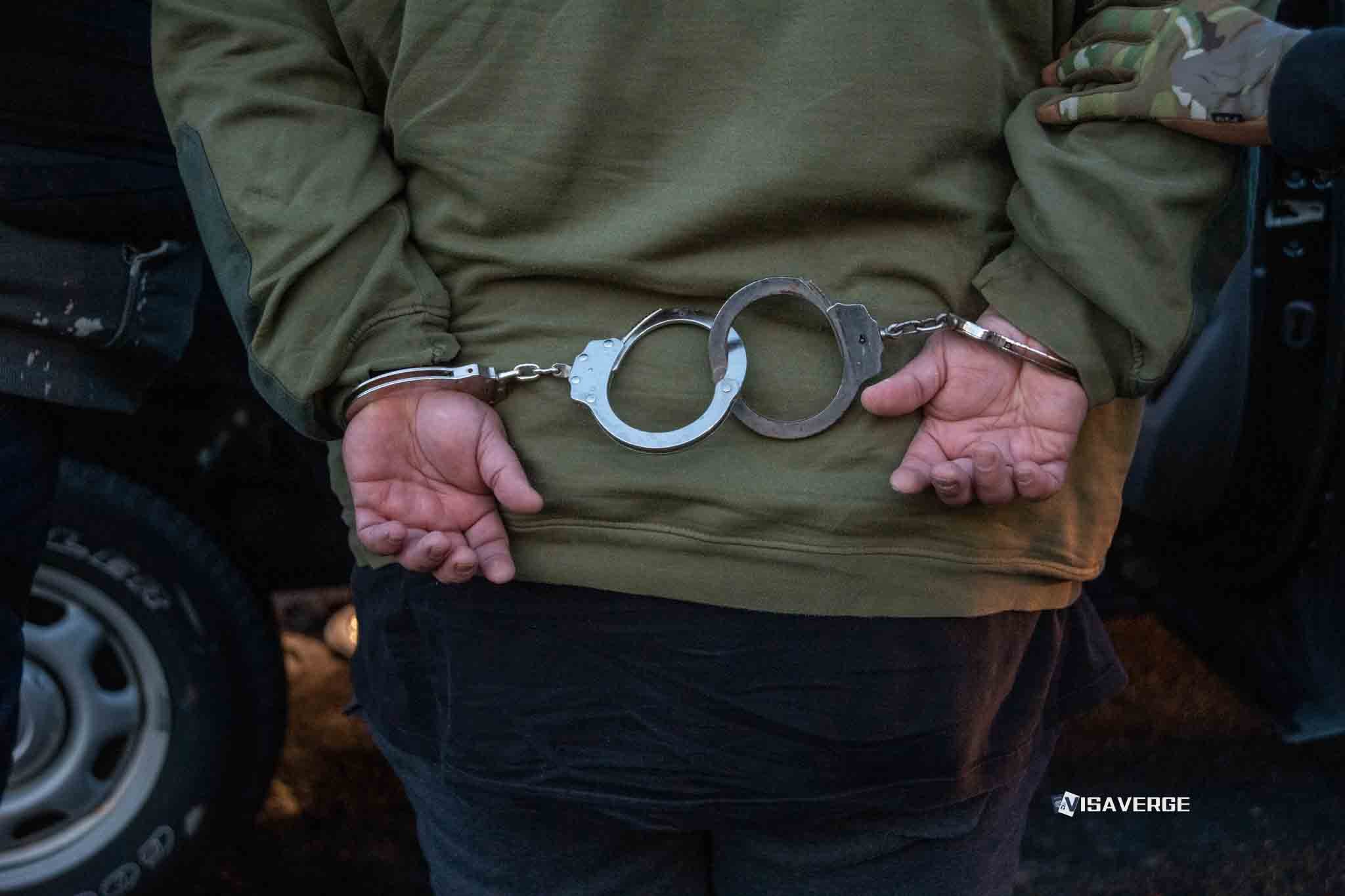
Community members in Ferndale are gathering for a Know Your Rights training designed to help you prepare for stressful encounters with law enforcement or immigration officials.
The focus is practical: what to say, what not to say, and how to avoid actions that can raise risk in the moment. ACLU presenters and local organizers plan to cover common scenarios people worry about most—traffic stops, street questioning, and unexpected contact connected to ICE operations.
Expect plain-language explanations, examples, and time for questions that stay in the lane of general rights education. First United Methodist Church of Ferndale is hosting the session at its Ferndale location.
The setting matters. A church-based venue can feel more accessible for families and neighbors who want information without having to enter a government building or a courthouse. Concerns driving attendance are also plain: residents want to know how to protect themselves and their households during enforcement activity, and how to support others without escalating a situation.
2) Organizers and motivation: why the ACLU and Ferndale Inclusion Network partnered
ACLU staff and volunteers often run civil rights trainings that explain constitutional protections in everyday situations. Ferndale Inclusion Network, led locally by advocates who field questions from neighbors, organized this session so people could get the same baseline information in one place and share it responsibly at home.
Mara Livezey of the Ferndale Inclusion Network has described hearing concerns from dozens of community members about personal safety during ICE operations and related encounters. Those concerns intensified after a fatal incident that organizers referenced: the shooting death of Renee Good in Minneapolis during an incident involving ICE agents.
The training is framed as a way to reduce confusion, lower temperature in tense moments, and help residents make informed choices. Livezey has also stressed the constitutional foundation of the program’s message: “You have rights that are protected by the constitution so unless you know those rights, you can’t advocate for yourself to the fullest extent.”
Plan on this being an educational session, not legal representation for individual cases. You can learn general rights and safety practices, but the presenters typically will not advise you on the facts of a specific pending case.
3) Training topics and rights education: what you’ll learn, step by step
Before you go, help yourself by thinking through the situations you are most likely to face. Then use the session to match each situation with a short script you can remember.
A. If you’re stopped by police
- Stay calm and keep your movements slow. Sudden motion can raise risk fast.
- Ask if you are free to leave. That question can clarify whether it’s a detention or a conversation.
- Give required identification when required by your state’s rules, and avoid extra talk. Extra details can create misunderstandings.
- Do not physically resist, even if you believe the stop is unfair. Challenge later through safer channels.
B. If you’re being questioned
- Use your right to remain silent. You can say, “I’m going to remain silent.”
- Ask for a lawyer if you are detained or arrested. Then stop answering questions.
- Avoid guessing or “clearing things up” on the spot. In many cases, that can be used against you later.
For readers who want the text of core protections, Cornell Law’s Constitution pages are a reliable public reference point (for example, law.cornell.edu).
C. If you interact with immigration officials
- Ask who they are and request identification. Stay polite. Stay firm.
- Ask, “Am I free to leave?” If the answer is yes, leave calmly.
- Be careful with documents. If paperwork is presented, you can ask to review it. You generally do not have to sign documents you do not understand.
This session is not a substitute for USCIS filings or legal counsel. Still, rights education can help you respond safely during encounters tied to immigration enforcement.
D. How to help friends, family, and neighbors stay safer
- Be a calm witness when appropriate. Your presence can help keep interactions orderly.
- Document safely where legal. If you record, keep distance and avoid interfering.
- Share short scripts at home. A rehearsed sentence can be easier than improvising under stress.
| Encounter Type | Rights/Actions to Take | Notes |
|---|---|---|
| Police stop (car or street) | Stay calm; ask if you’re free to leave; limit conversation | Do not resist physically; comply with lawful instructions while preserving rights |
| Questioning/detention | Say you will remain silent; request a lawyer | Silence should be stated clearly; stop volunteering details |
| Immigration officials in public | Ask for ID; ask if you can leave; keep distance | Avoid sudden movements; do not interfere with officers |
| Home encounter (knock at door) | Do not open the door; ask for a judicial warrant | A valid warrant is typically signed by a judge; you can request it be shown |
| Witnessing/documenting an encounter | Record only where legal; stay back; remain calm | Local recording laws vary; safety comes first |
4) Legal rights and safety emphasis: avoiding escalation and protecting your home
Rights education can change how an encounter unfolds because it reduces accidental consent and prevents people from talking themselves into trouble. Clear, simple phrases also help create a cleaner record of what happened.
Home encounters are a major theme in many Know Your Rights trainings for one reason: the doorway is where people often give up protections by accident. If someone says they are with immigration enforcement, you generally do not have to open the door.
Ask if they have a valid judicial warrant, and request that it be shown. Many advocates advise speaking through the door if you can do so safely.
Recording and documentation are also common topics, but they come with cautions. You may have a right to record public officials in many public settings, yet state and local laws can affect audio recording rules. Safety and distance matter.
If recording could trigger conflict, prioritize getting to a safe place and writing down what you observed. Some residents have raised worries about disproportionate targeting during ICE operations, including concerns described by Livezey about people who are Black or Brown, or those whose names appear to suggest immigrant status.
The training treats that concern as a community safety planning issue: know your rights, plan your responses, and support neighbors without escalating encounters.
✅ Know Your Rights now: what to do if stopped by police or approached by immigration officials, and how to document safely
5) Broader context and nationwide activity: how to use the training after you attend
Know Your Rights trainings are happening in many places on January 20, 2026, reflecting widespread demand for practical, nonpartisan rights education during active enforcement periods. Ferndale’s session fits into that same pattern: local groups partnering with civil rights advocates to share clear scripts, safety steps, and basic constitutional protections.
In Pittsburgh, for example, Frontline Dignity held a training focused on how to legally witness and document ICE operations. Different communities emphasize different scenarios, but the common thread is preparation without panic.
After you attend, share what you learned carefully and help others prepare in simple, repeatable ways.
- Teach “one script per scenario” at home. Keep it short and repeatable.
- Encourage people to avoid giving legal advice. Stick to general rights and safety steps.
- Point others to reputable public resources. For constitutional text and doctrine basics, law.cornell.edu is a solid starting point.
If you plan to attend in Ferndale, the Know Your Rights training is hosted by the ACLU and the Ferndale Inclusion Network at First United Methodist Church of Ferndale, located at 22331 Woodward Ave, Ferndale, MI 48220, with a start time of 7 PM on January 20, 2026. Arrive a few minutes early so you can settle in and focus.
This article provides general information about rights education and is not legal advice or guaranteed outcomes. Readers should consult appropriate legal resources or counsel for individual circumstances.