


For 2026 graduates, OPT and the STEM OPT Extension are the main paths to stay and work in the United States 🇺🇸 after your F‑1 studies. The rules have not changed at a deep level, but USCIS and SEVIS systems are stricter, more digital, and less forgiving of mistakes. That means timing, clean paperwork, and employer compliance with E‑Verify matter more than ever.
Below is a clear, step‑by‑step walk‑through of the full journey: from planning your OPT, to filing, to moving into the 24‑month STEM OPT Extension, and then lining this up with possible H‑1B plans.

Big Picture: How OPT and STEM OPT Work Together
Before you plan any dates, it helps to see how the pieces fit.
- OPT (post‑completion)
- Up to 12 months of work after you finish your degree.
- Open to all F‑1 students.
- Job must be directly related to your major, but you can work for more than one employer.
- STEM OPT Extension (24 months)
- Only for degrees in DHS‑approved STEM fields.
- Requires a formal training plan on Form I‑983: https://www.ice.gov/doclib/sevis/pdf/i983.pdf.
- Employer must be enrolled in E‑Verify.
- Gives an extra 24 months after your first year of OPT, if approved.
Most STEM students follow this path:
- Graduate and enter 12‑month OPT.
- Before OPT ends, apply for the STEM OPT Extension.
- Use this time to gain experience and, for many, to try for H‑1B or another long‑term status.
According to analysis by VisaVerge.com, students who treat OPT and STEM OPT as one connected timeline rather than two separate events are far less likely to fall out of status or miss filing windows.
Key takeaway: Treat OPT and STEM OPT as a single, continuous planning process. Timing and consistency are everything.
Step 1: Plan Your OPT Timeline Early
When you can apply for OPT
For post‑completion OPT in 2026, file your Form I‑765: https://www.uscis.gov/i-765:
- Up to 90 days before your program end date.
- No later than 60 days after your program end date.
- And within 30 days of your DSO entering the OPT recommendation in SEVIS.
Because many schools expect heavy SEVIS traffic in Spring and Fall 2026, apply as early as you realistically can within this window.
What to discuss with your DSO
At least one semester before graduation, meet your Designated School Official (DSO) and discuss:
- Your expected program end date.
- Your preferred OPT start date (you choose a date within the 60 days after program completion).
- Whether your degree is STEM‑eligible and if you may later qualify for the STEM OPT Extension.
- Travel plans, family visits, or job hunting plans that may affect your date choices.
Your DSO will update SEVIS and issue you a new OPT‑recommended I‑20, which you’ll need for your OPT filing.
Step 2: File OPT the 2026 Way – Online, Accurate, and Consistent
Use the USCIS online account
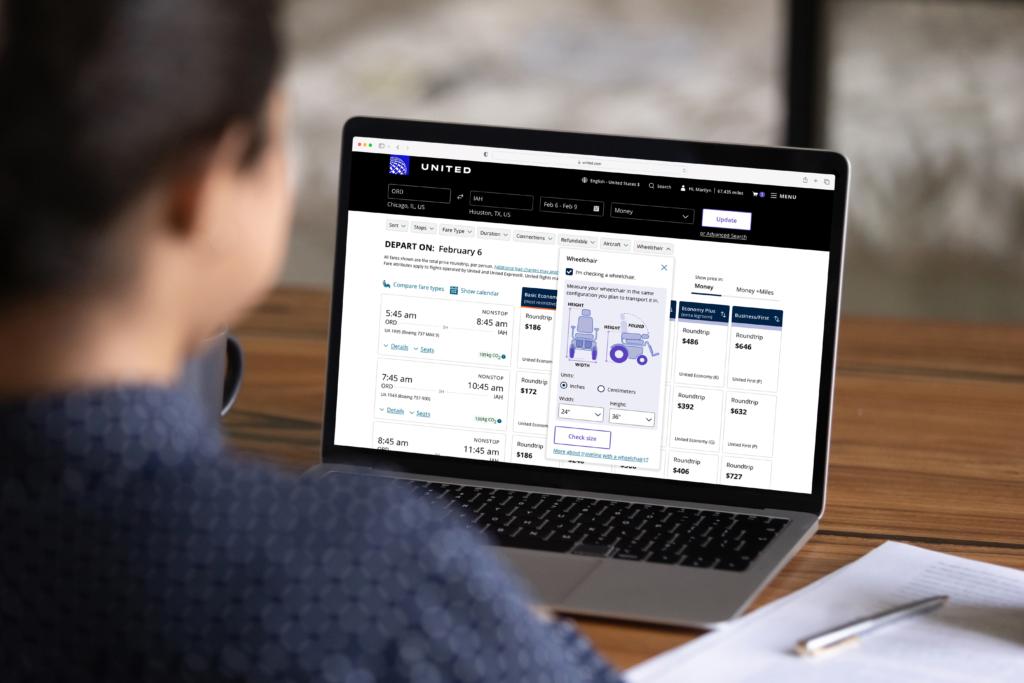
USCIS strongly encourages filing OPT and STEM OPT Extension requests online through a USCIS online account, using the same Form I‑765: https://www.uscis.gov/i-765.
Key benefits:
- Immediate receipt number after submission.
- Fewer rejections for missing signatures or incorrect fees.
- Faster updates on case status.
- Easier to fix simple mistakes through secure messages or uploads.
Unless your school gives you a very specific reason to mail a paper packet, online filing is the safer choice in 2026.
Make sure your I‑20 is fresh and signed correctly
USCIS is strict about I‑20 timing:
- For OPT and STEM OPT, your DSO must sign your I‑20 within 30 days of when you file your I‑765.
- DSOs may use digital signatures (check your school’s method).
- You must sign your part of the I‑20 either in ink or using an accepted electronic signature method.
Many cases in 2024–2025 were delayed or rejected simply because the I‑20 was too old or the signatures did not meet these rules. Always double‑check the date next to your DSO’s signature before filing.
Keep your name, address, and email identical everywhere
USCIS systems compare your:
- School record,
- SEVIS record, and
- Form I‑765 details.
To avoid mismatches:
- Use your full legal name the same way on every form, including spaces, accents, and hyphens.
- Use the same mailing address format everywhere.
- Use one main email address and stick with it.
If you moved recently, update your school and SEVIS first, then file your OPT with the updated address.
Upload a correct photo
Photo mistakes are now one of the top reasons for Requests for Evidence (RFEs).
Photo requirements for 2026:
- Taken within the last 30 days.
- No filters and no harsh shadows.
- Plain, neutral background.
- High resolution, between 600×600 and 1200×1200 pixels.
Many students use professional passport photo services or trusted digital tools that follow the official rules. Do not reuse an old visa photo from years ago.
For full photo standards and OPT rules, review USCIS guidance at the main OPT employment authorization page: https://www.uscis.gov/i-765.
Step 3: Life on OPT – Work Rules, Reporting, and Status
Once your OPT is approved and you receive your EAD card, you may start work on or after the start date on the card.
During your 12 months of OPT:
- The job must be directly related to your major.
- You may work for multiple employers, as long as each job fits your field of study.
- You must not exceed the allowed days of unemployment under OPT rules.
You must report important changes through your school’s OPT portal or SEVIS link (varies by school):
- New employer or end of employment.
- Any change in job title, duties, or work location.
- Change of U.S. address (within 10 days).
- New contact details, like email or phone.
Failing to report can cause SEVIS problems later when applying for the STEM OPT Extension or other benefits.
Step 4: Preparing for the STEM OPT Extension
If your degree is in a DHS‑approved STEM field, you may extend your work period by 24 months through the STEM OPT Extension.
Check your STEM eligibility
Before planning dates, confirm:
- Your degree’s CIP code is on the official DHS STEM list.
- The degree is from a U.S.‑accredited institution.
- The degree shows correctly on your I‑20 and SEVIS record.
Some students qualify based on a prior STEM degree earned in the last 10 years, but extra rules apply (where the degree was issued and how it links to your current OPT). Your DSO can help check this.
Confirm your employer meets STEM rules
USCIS expects:
- Employer is actively enrolled in E‑Verify and provides a valid E‑Verify number.
- Employer’s legal name and EIN are correct on forms.
- There is a real employer–employee relationship:
- Self‑employment is not allowed.
- Staffing agencies may qualify only if they directly supervise your training.
- Fully remote jobs must include structured oversight, clear supervision, and training.
You cannot use volunteer or unpaid positions for STEM OPT. The job must be paid and match the training plan.
Step 5: Complete and Maintain Form I‑983
Before filing for STEM OPT Extension, you and your employer must complete Form I‑983 (the STEM OPT training plan): https://www.ice.gov/doclib/sevis/pdf/i983.pdf.
Key points for 2026:
- Always download the latest edition of Form I‑983 from the official ICE/SEVP site before filling it out.
- Make sure job title, duties, worksite address, and supervisor details match your I‑765 and E‑Verify records.
- Write clear learning objectives and explain how your employer will train, supervise, and evaluate you.
During your STEM period, keep the I‑983 up to date:
- Submit a 6‑month validation report confirming you are still working and contact details are correct.
- Complete annual self‑evaluations and have your employer sign them.
- File an updated I‑983 if job title, duties, work hours, salary, or worksite change meaningfully.
Schools are under pressure from DHS to track these reports. Late or missing evaluations can affect both you and your school’s SEVP record.
Step 6: Filing the STEM OPT Extension on Time
Timing is strict:
- Your standard OPT EAD must still be valid on the date USCIS receives your STEM OPT Extension application.
- USCIS provides an automatic 180‑day work extension while your STEM case is pending, provided your filing was on time.
Work backward from your OPT end date:
- Ask your DSO when they will recommend STEM OPT in SEVIS and issue the new I‑20.
- Complete Form I‑983 with your employer and have it approved by your DSO.
- File Form I‑765 for STEM OPT Extension well before your OPT EAD expires.
Use your USCIS online account for filing and tracking. If you receive an RFE, respond as early as you can, not at the last minute.
Step 7: Aligning OPT and STEM OPT With H‑1B Plans
Many students view OPT and STEM OPT as a bridge to H‑1B.
Typical timelines for 2026 graduates:
- Spring 2026 graduates
- Likely OPT start: Summer 2026
- First H‑1B lottery chance: March 2027
- Fall 2026 graduates
- Likely OPT start: Early 2027
- First H‑1B lottery chance: March 2028
STEM OPT provides an added 24 months of work authorization, which often covers:
- Several H‑1B lottery attempts, and
- Time to explore other visas or early steps toward permanent residence for some.
Because H‑1B is competitive and not guaranteed, many students and employers see STEM OPT as a vital backup period.
Step 8: Avoid Common Mistakes That Delay or Sink Cases
Across both OPT and STEM OPT Extension, repeat errors are common.
Employer and degree data mistakes
Double‑check:
- Employer’s official legal name.
- Employer EIN.
- E‑Verify ID number.
Even a single wrong digit can cause long delays or denials.
For your degree:
- Ensure the exact degree name and CIP code appear on your I‑20.
- Confirm the degree is on the DHS STEM list if applying for the extension.
- Ensure your school is properly accredited, as required.
Reporting failures
During OPT and STEM OPT, report:
- New jobs and job endings.
- Address changes within 10 days.
- Periods without work (unemployment).
- For STEM OPT: 6‑month validations and yearly evaluations.
Late or missing reports may not cause immediate consequences but can lead to SEVIS errors, RFEs, or problems later when changing status or applying for benefits.
Unauthorized work
USCIS and DHS pay close attention to unauthorized work, including:
- Freelance or gig work unrelated to your major.
- Side jobs paid in cash or through peer‑to‑peer apps.
- Self‑employment claimed during the STEM OPT Extension (not allowed).
If unsure whether a role is allowed, ask your DSO or an experienced immigration lawyer before accepting it.
Step 9: Social Media, Online Profiles, and Consistency
USCIS and DHS may review publicly available social media in some cases. Keep the following in mind:
- Maintain a professional digital presence. Avoid public posts about “working under the table,” visa shortcuts, or anything suggesting you are breaking status rules.
- Ensure your LinkedIn job history lines up with your Form I‑983 training plan and your Form I‑765 details.
- Do not post that you are self‑employed on STEM OPT, or that you are doing work unrelated to your STEM field.
The goal: your online presence, school records, and USCIS filings should all tell the same truth.
Step 10: Documents to Keep and How to Stay Ready
Throughout OPT and the STEM OPT Extension, maintain a complete, organized file:
- All I‑20s, especially those with OPT and STEM recommendations.
- Copies of your Form I‑765 filings and approvals.
- Your EAD cards (front and back scans).
- All versions of Form I‑983, including evaluations.
- Job offer letters, contracts, and pay records.
- Every USCIS receipt notice, email, and RFE response.
Having this full file helps if:
- You change schools or employers.
- You apply for H‑1B, another work visa, or permanent residence.
- You face questions at the border, at a visa interview, or in a future immigration filing.
By treating OPT and the STEM OPT Extension as a careful, step‑by‑step process—rather than a last‑minute rush—you can reduce stress, protect your F‑1 status, and give yourself the best chance to stay and work in your field in the United States.
For 2026 graduates, OPT (12 months) plus a 24‑month STEM OPT Extension remain key work options after F‑1 study. USCIS emphasizes online filings, precise timing, up‑to‑date DSO signatures on I‑20s, consistent personal data, and compliant employers enrolled in E‑Verify. Complete a current Form I‑983, submit six‑month validations and annual evaluations, and plan OPT/STEM timelines alongside H‑1B strategies to avoid status problems and delays.




FJB! WE LOVE ICE!