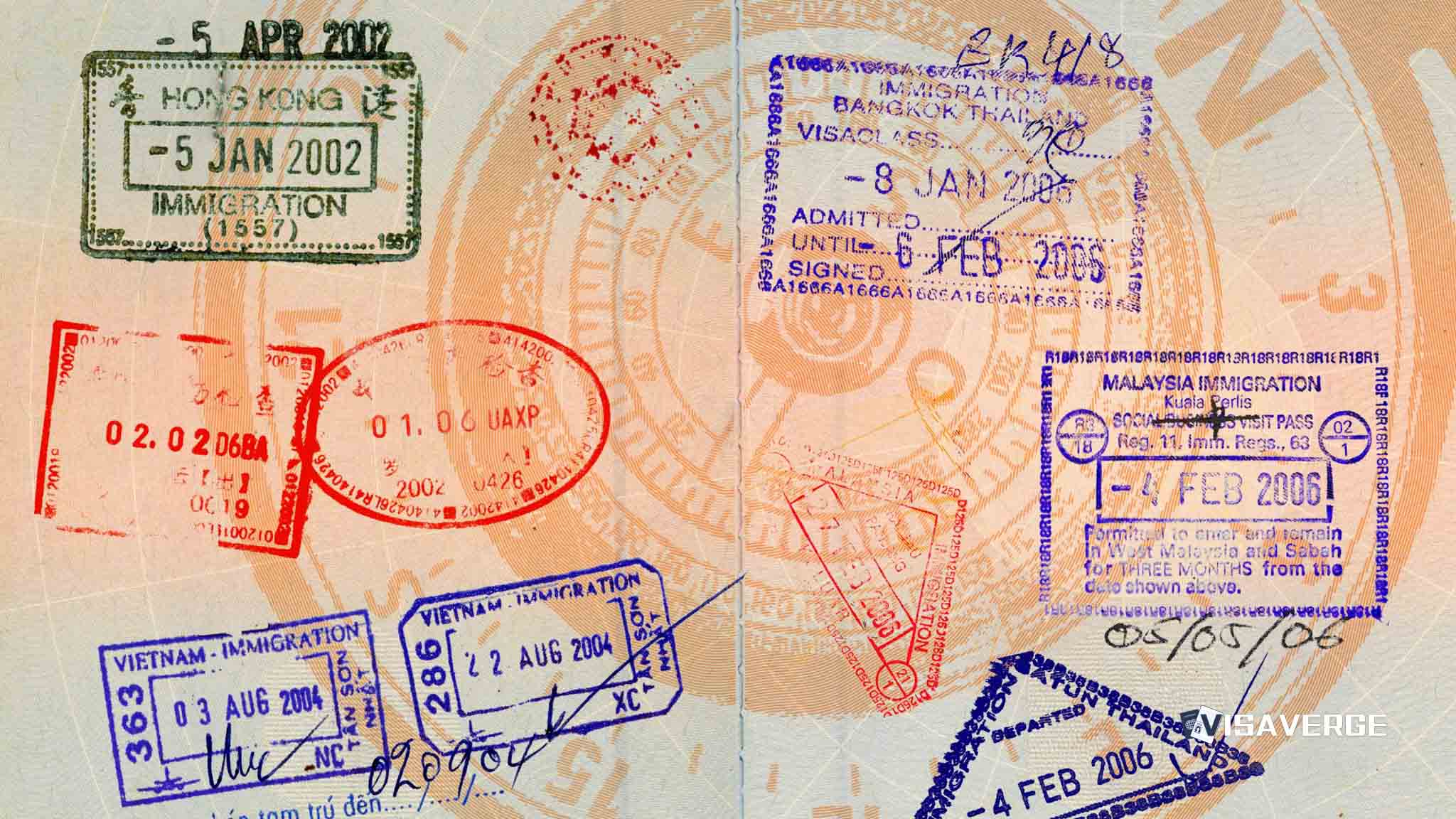
- H-1B holders must carry Form I-94 at all times to avoid potential misdemeanor penalties and fines.
- A judicial warrant signed by a judge is required for forced entry into private homes without consent.
- Individuals have the right to remain silent beyond providing basic identity and immigration status information.
As of March 24, 2026, DHS and ICE have moved toward a zero-tolerance enforcement posture, making document-carry compliance and warrant awareness central for H-1B holders during stops, site visits, and post-termination reviews.
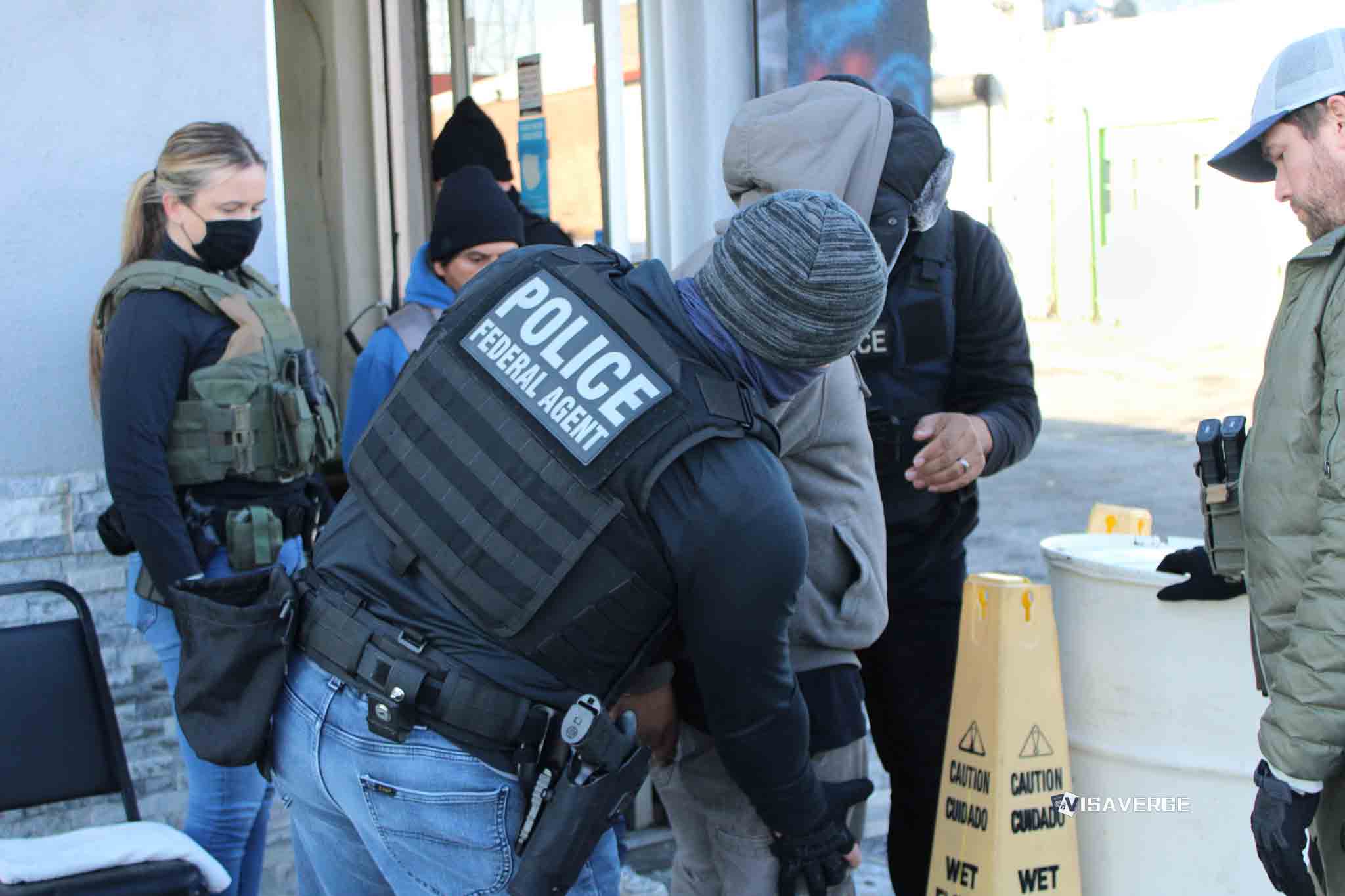
For H-1B holders, the immediate effect is practical. Even workers who are lawfully present may face closer questioning, and officers are stressing proof of registration, identity, and status during public encounters and work-related checks.
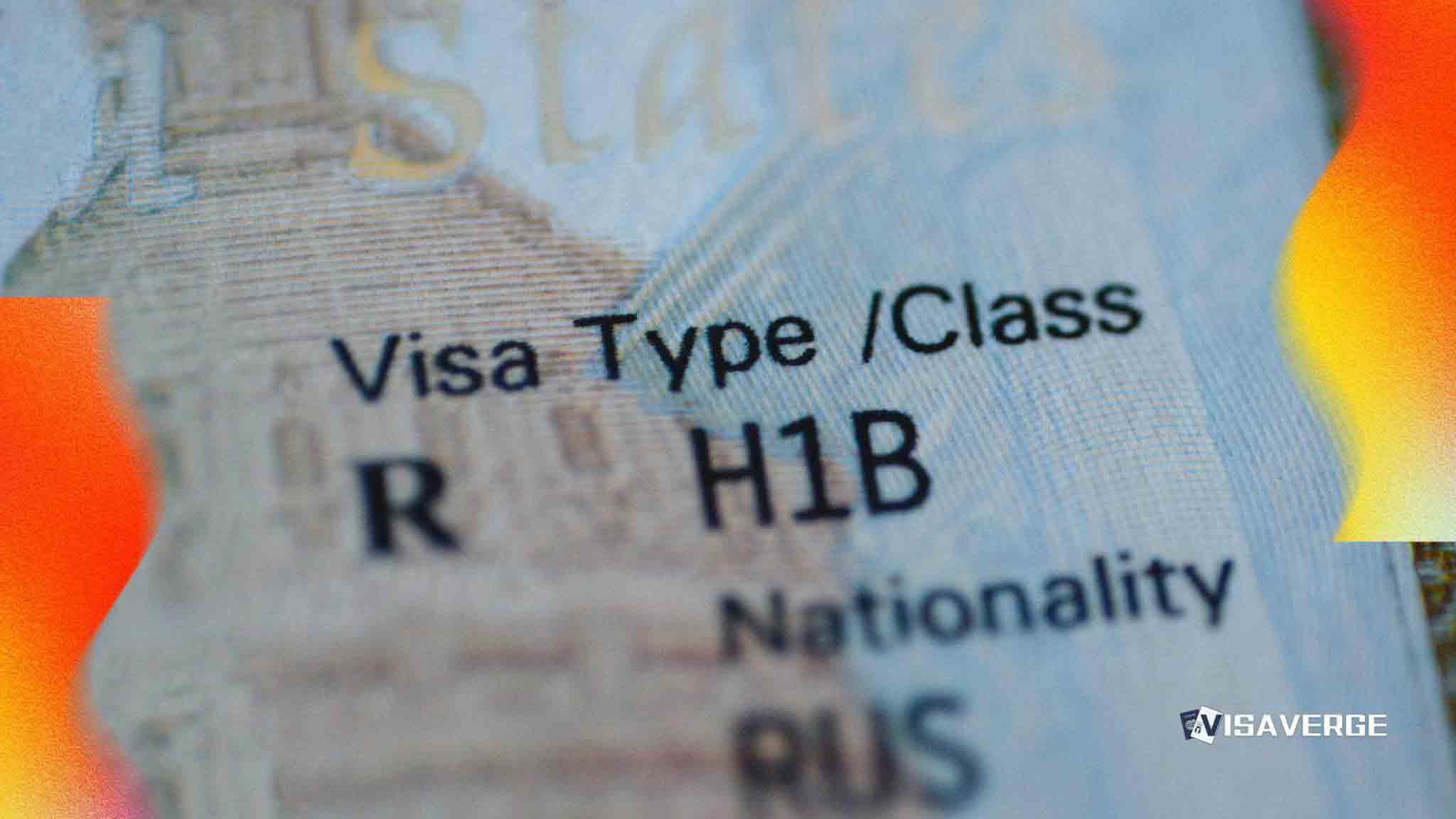
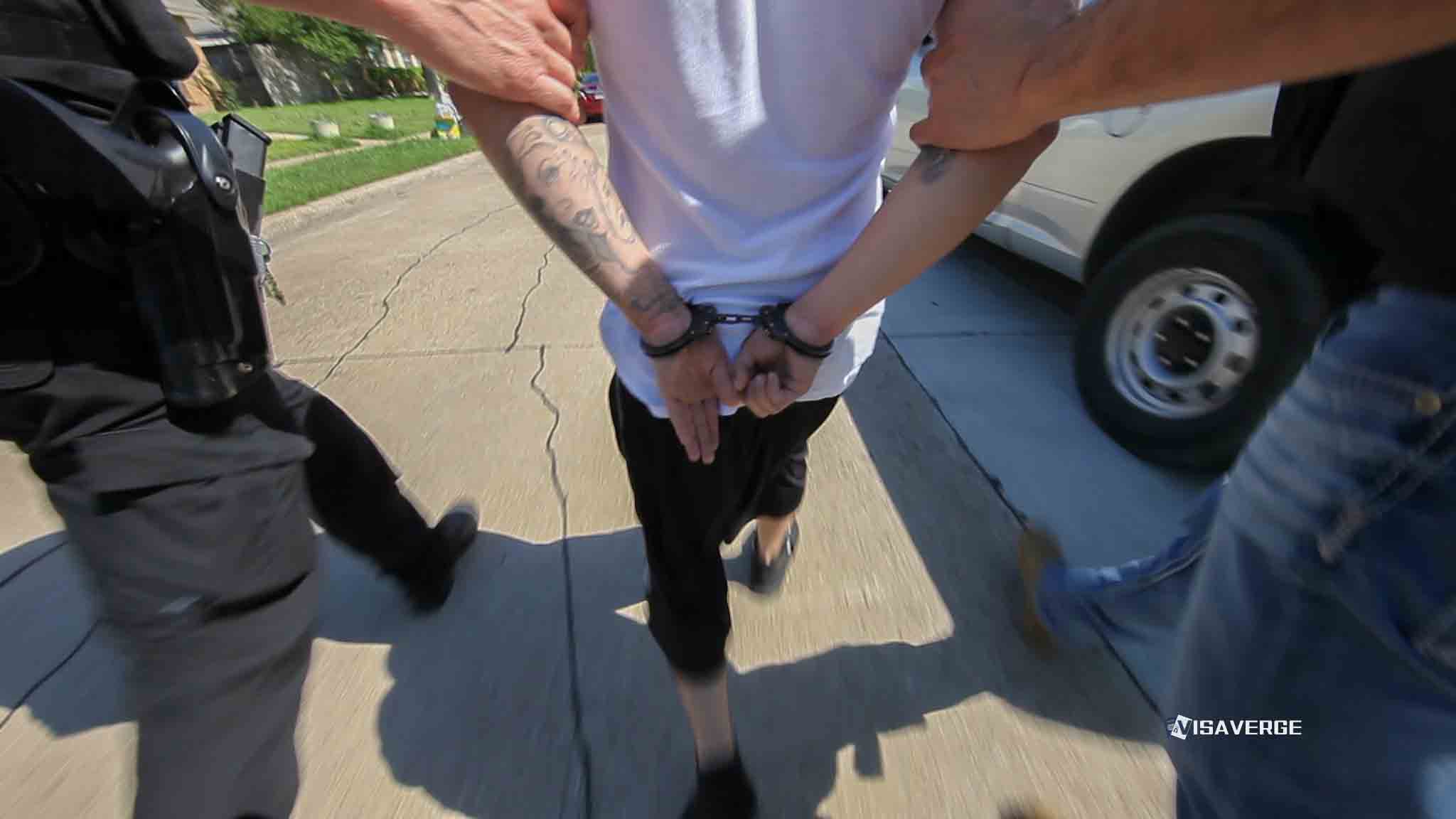
If approached while walking, H-1B holders may reduce risk by staying calm, keeping their hands visible, and avoiding sudden movements. Ask which agency is involved, and if conditions allow, note the officer’s name and badge number.
A person stopped in public may ask, “Am I free to leave?” If the answer is yes, leave calmly. If the answer is no, ask the reason for the detention, then avoid arguing on the scene.
Questions may continue, but the right to remain silent often still matters beyond basic identity and status requests. In many cases, a person may decline to answer extra questions about work, travel, or family and state that they are exercising the right to remain silent.
Drivers face added duties. Pull over safely, keep hands on the wheel, and tell the officer before reaching for a wallet, glove box, or phone. Then provide a driver’s license, vehicle registration, and proof of insurance, along with immigration documents if the stop involves ICE or another immigration authority.
📅 If stopped, immediately identify agency and yield to safe compliance: carry I-94 and I-797 copies; know your rights to silence beyond basic identity/status questions
Mandatory Documents and Legal Consequences
For H-1B holders, Form I-94 is the core proof of registration and lawful status evidence to carry. A copy of Form I-797 approval notice is also prudent because it may help show the petition approval tied to the person’s H-1B classification.
Federal law under the Alien Registration Act framework, including 8 U.S.C. § 1304(e), requires many noncitizens age 18 or older to carry proof of registration. Failing to carry that proof may be treated as a misdemeanor, with penalties of up to $5,000 fine and 30 days jail.
That rule is separate from state driving rules. Anyone operating a vehicle must still carry the documents required for driving, even if immigration status is valid and current.
Warrants, Home Encounters, and Entry Questions
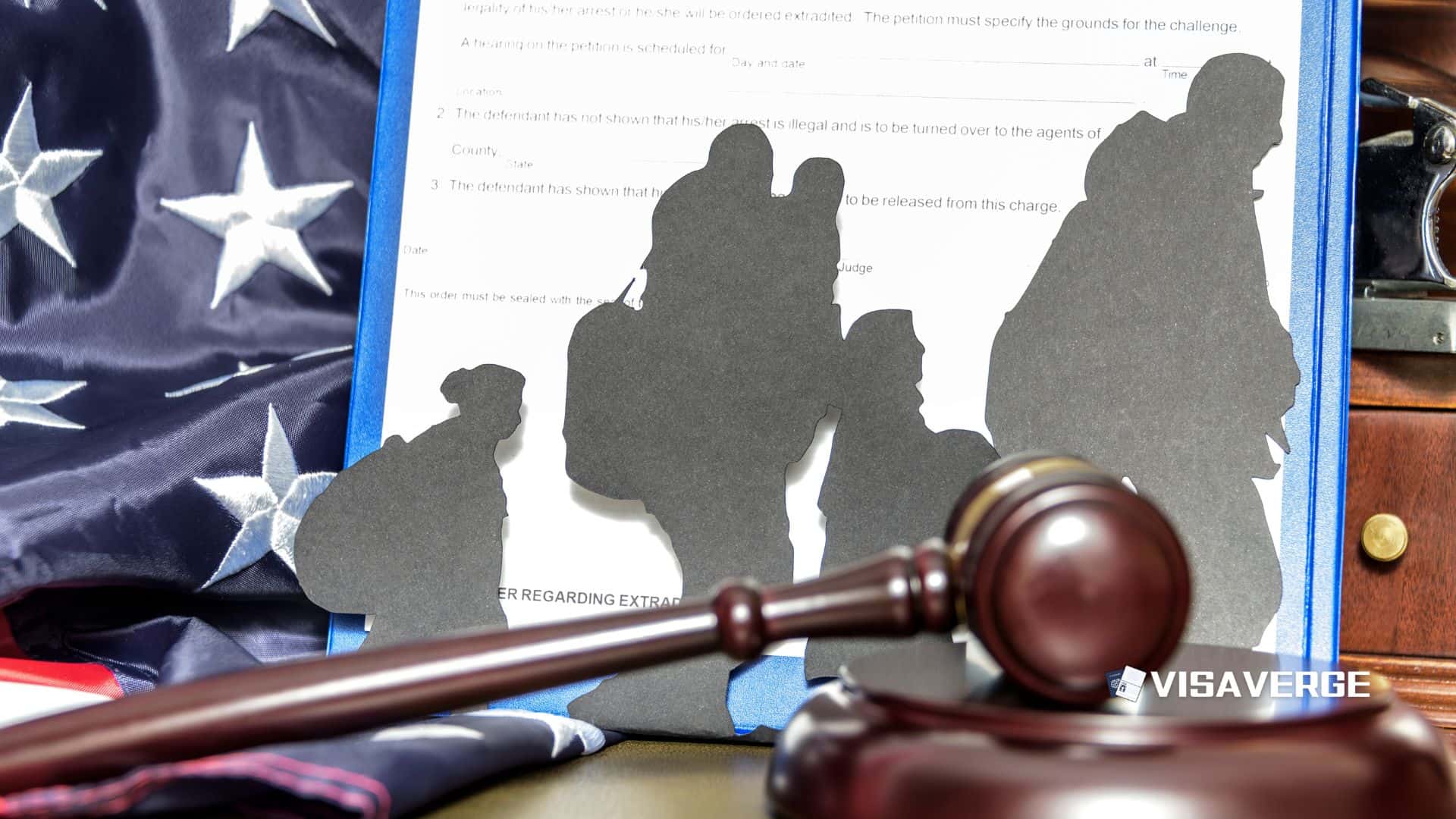
Warrant type also matters during home or work encounters. ICE officers may present an administrative warrant, often Form I-200 or Form I-205, but that alone does not authorize forced entry into a home or other private nonpublic space without consent.
A judicial warrant is different. If signed by a judge, it may permit entry under its terms. H-1B holders and employers may want to read the document carefully, because the label and signature authority can change what officers may do.
Documents to Carry and What They Do
- Form I-94. This is the core proof of registration and status evidence for H-1B holders. It should be carried because document-carry compliance is being enforced more strictly.
- Form I-797. A copy supports proof of H-1B approval and may help during questions about petition validity or employer details.
- Driver’s license. This is the document that shows driving authorization and should be presented during traffic stops.
- Vehicle registration. This provides vehicle ownership or registration proof and is usually requested in routine traffic stops.
- Proof of insurance. This demonstrates insurance compliance and is needed in vehicle stops under state law.
- Administrative warrant, Form I-200/I-205. This is an immigration arrest or removal process document for officers, not workers, and does not by itself permit forced entry into private nonpublic spaces.
- Judicial warrant. This is court-authorized entry or search authority for officers, and a judge’s signature matters for home entry questions.
Key Facts and Enforcement Details as of March 2026
DHS and USCIS sharpened this posture through a series of formal statements in 2025. On April 11, 2025, DHS Secretary Kristi Noem said, “The Trump administration will enforce all our immigration laws—we will not pick and choose which laws we will enforce.”
Noem added that noncitizens 18 and older must carry registration documents at all times. For H-1B holders, that statement was not abstract messaging. It signaled that document-carry lapses may trigger real enforcement exposure even for people who otherwise hold lawful status.
USCIS then pointed to a more active role for its officers. On December 22, 2025, Joseph Edlow, USCIS director, said, “USCIS is exercising new law enforcement authorities,” and that officers were again empowered to issue NTAs.
Those Notices to Appear place a person into removal proceedings. For H-1B workers, that raises the stakes during status reviews, worksite checks, amendment questions, or disputes about whether employment remains valid.
A day later, on December 23, 2025, USCIS spokesman Matthew Tragesser described tighter H-1B selection and oversight in terms that linked legal immigration to stricter scrutiny. His remarks reinforced that H-1B compliance would be reviewed through an integrity and enforcement lens, not just a petition-processing lens.
That pattern matters because enforcement now reaches ordinary settings more often. Site visits, payroll reviews, address checks, and post-termination status questions may draw more attention than they did under earlier practice.
Recent numbers show the scale. Since January 2025, USCIS has issued about 230,000 NTAs, a sign that referral into proceedings is no longer unusual in the current climate.
Another change widened the field for enforcement actions. Sensitive-location protections adopted in 2021 were rescinded on January 20, 2025, which means schools, churches, and hospitals no longer receive the same internal restraint that many families had relied on.
Home and workplace encounters therefore require two separate checks in real time. First, ask which agency is present. Second, determine whether officers have an administrative warrant or a judicial warrant before consenting to entry into a private area.
For H-1B workers, the day-to-day risk is less about dramatic raids than about ordinary compliance failures. An outdated address, payroll mismatch, unfiled amendment after a worksite move, or confusion after a layoff may draw larger immigration consequences in a zero-tolerance setting.
Employers may also see more worksite scrutiny. H-1B petitions tie the worker’s status to a specific role, wage, and location, so site visits and status reviews can turn on whether actual job conditions match the filing.
Termination is an especially sensitive point. Reports through 2025 suggested some workers faced faster enforcement action after job loss, raising concern that the usual 60-day grace period may offer less practical protection if officers conclude status ended earlier or facts are disputed.
That does not mean every laid-off H-1B worker will receive an NTA. It does mean people in that position may need records ready, including recent pay statements, petition papers, and proof of any timely filing or job change.
Families tied to H-1B status may feel the effect as well. A spouse or child may not be the target of a stop, but a principal worker’s status problem can quickly affect the household’s legal position, travel plans, and school or housing choices.
Paper records now carry more weight. H-1B holders may want to keep Form I-94 accessible at all times, maintain a copy of Form I-797, review payroll consistency, and confirm that worksite and job terms still match the approved petition.
Official Records Behind These Rules
Official records for these rules are public. USCIS Newsroom items and DHS press releases support the leadership statements and policy posture described here, while USCIS materials on alien registration explain the document-carry framework that officers may cite.
ICE records can also matter after an arrest or transfer. In detention or location cases, locator.ice.gov may help families or counsel identify where a person is being held.
✅ Verify current document-carry requirements via USCIS Newsroom or DHS press releases before travel or worksite visits
Readers checking the current rules should look first to uscis.gov and DHS.gov for statements, policy notices, and compliance pages. When legal text is needed, law.cornell.edu may help readers review the statute behind registration requirements, but individual cases may still require qualified counsel.
The immediate takeaway for H-1B holders is direct: carry Form I-94, keep a Form I-797 copy available, know the difference between an administrative warrant and a judicial warrant, and treat every stop, site visit, or job change as a possible status review point.
Information reflects enforcement posture as of March 2026 and is for educational purposes; readers should consult official guidance for current rules.
This article does not constitute legal advice; individuals should seek qualified counsel for specific cases.