- Aggressive enforcement is causing a chilling effect on hotel staffing and guest travel confidence.
- The hospitality industry faces a 200,000-worker labor shortage despite recent H-2B visa increases.
- Recent TPS terminations for Somalia and Ethiopia threaten the work authorization of long-term employees.
As the hospitality sector braces for staffing gaps, unions say aggressive immigration enforcement and rhetoric are scaring workers and travelers, even as the government centers its narrative on system integrity and labor-market goals.
1) Overview: Labor union claims on immigration policies and hotel sector impact
UNITE HERE, a labor union representing 300,000 workers, says the current enforcement posture tied to Trump’s immigration policies is changing behavior in and around hotels. The union’s core claim is a “chilling effect.” workers may avoid shifts, guests may cancel trips, and employees may stay silent about workplace problems because they fear attention from immigration authorities.
Hotels are exposed in a few specific ways. Frontline service roles are hard to backfill on short notice. Seasonal demand spikes can force managers to hire quickly. Travel demand also depends on confidence, especially for international visitors and convention planners who watch headlines.
Government leaders describe the same moment very differently. Federal agencies and senior officials frame stepped-up enforcement as necessary for system integrity, public safety, and labor-market protection. That framing matters because it signals priorities for audits, worksite activity, and follow-through.
By the end of this guide, readers should understand how enforcement messaging, visa policy changes, and Temporary Protected Status (TPS) terminations can shape staffing stability, worker well-being, and compliance risk for hotels.
2) Official statements and framing from government and administration
Tom Homan, speaking in Minneapolis on February 12, 2026, offered a clear message about enforcement scope. He said priorities include public safety and national security threats, while adding that authorities would still take action on “everybody else.” That posture is not a legal determination about any one worker or employer. Still, it can shape expectations about enforcement tempo.
USCIS has also used broad language about labor-market effects. On November 13, 2025, USCIS spokesman Matthew Tragesser argued that unchecked migration can flood the labor market and depress wages. DHS messaging has paired that theme with warnings to industries. On June 18, 2025, DHS Assistant Secretary Tricia McLaughlin warned there would be “no safe spaces” for industries that harbor violent criminals or purposely undermine ICE’s efforts.
Statements like these do two things at once. They signal enforcement priorities and set a tone for public messaging. They do not replace the day-to-day reality inside hotels, where managers still must run background checks, handle I-9 compliance, and respond to worker absences.
In practice, hotel operators may see more visible enforcement around transit corridors, more workplace scrutiny, or higher anxiety among staff who commute through high-profile areas. Airport-adjacent properties can feel it fastest. Security practices around terminals and credentialed work zones can tighten quickly after major announcements.
3) Key facts and policy details
UNITE HERE’s “Inhospitable” report, released February 12, 2026, argues that deportations and anti-immigrant rhetoric deter both travel and worker participation. The union ties that deterrence to operational pain points: fewer applicants, higher turnover, and less willingness to report wage or safety problems.
AHLA, the American Hotel & Lodging Association, reports the sector is still about 200,000 workers short compared with pre-2020 levels. A shortage like that usually does not mean every hotel is empty of staff. It often shows up as capped room inventory, reduced housekeeping frequency, longer check-in lines, and heavier overtime. Guest experience can slide. Burnout rises faster.
Two policy levers matter most in early 2026.
H-2B is a nonimmigrant visa used for temporary, seasonal, non-agricultural jobs. Hotels and related hospitality employers often use H-2B seasonal guest workers when they can show a temporary need and meet Department of Labor steps. A supplemental increase typically changes planning. It can affect recruiting timelines, returnee expectations, and whether an employer takes on a new contract or limits inventory.
TPS, or Temporary Protected Status, is different. TPS can allow eligible nationals of certain countries to live and work in the United States for a period of time. When TPS is terminated, workers and employers may face continuity questions. Work authorization can hinge on deadlines, re-registration rules, and other updates. Employers may need to plan reverification carefully and avoid overreacting, since timing and eligibility can vary.
Kristi Noem, as Secretary of Homeland Security, announced TPS terminations on February 9, 2026, including Somalia. Separate TPS changes also touched Ethiopia in late 2025. For hotels, the practical issue is stability. A worker who has been reliable for years may suddenly face uncertainty about future work authorization, depending on federal timelines and personal eligibility.
Readers should verify updates through USCIS and DHS releases. USCIS posts benefit and program changes in its Newsroom and on program pages. DHS posts enforcement-related announcements and broader policy statements.
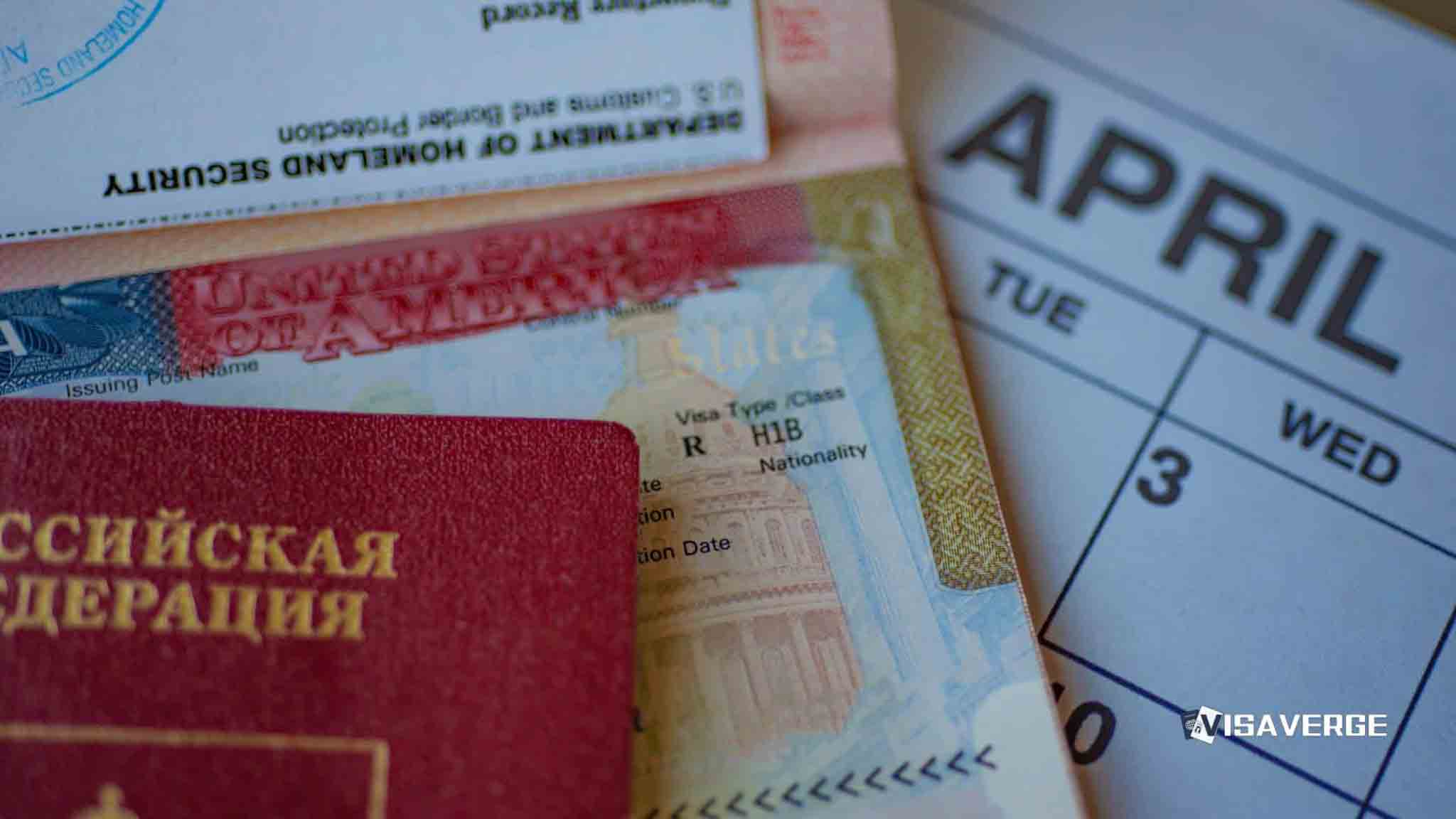
⚠️ Key dates and actions readers should watch: February 4, 2026 (H-2B increase finalized), February 9, 2026 (TPS terminations announced), February 12, 2026 (Minneapolis enforcement surge report)
Table 1: Policy levers and staffing impact
| Policy/Factor | Effect on Hotel Staffing | Related Stakeholders | Notes/Source |
|---|---|---|---|
| FY 2026 H-2B supplemental visas (64,716) | May expand seasonal hiring options and reduce peak-season gaps for some employers | DHS, USCIS, DOL, hotels, AHLA | Verify on USCIS H-2B FY 2026 page (uscis.gov) |
| Temporary Protected Status (TPS) terminations | May create work authorization uncertainty, affecting retention and scheduling | DHS, USCIS, workers, hotels, UNITE HERE | Verify via DHS and USCIS announcements (dhs.gov, uscis.gov) |
| Minneapolis enforcement surge and related visibility | May increase fear-driven absences and deter travel, especially near airports and convention hubs | ICE, DHS, Minneapolis–Saint Paul employers, travelers | Reported surge activity and local impacts should be cross-checked with DHS releases |
| Public integrity and labor-market messaging | May shift employer risk calculations and worker willingness to report abuse | USCIS, DHS, employers, labor union advocates | USCIS Newsroom statements can signal priorities |
| Hotel labor shortfall (~200,000 workers short) | May push overtime, service cuts, and retention pressure | AHLA, hotels, workers | Industry-reported staffing gap frames operating constraints |
A brief note on H-1B, since it often comes up in immigration conversations. H-1B is mainly for specialty occupations and has its own cap and process. It is not the main channel for frontline hotel roles. Still, when H-2B access and TPS stability change the supply of hospitality labor, some employers may revisit which jobs can realistically be filled through long-term professional hiring versus seasonal staffing.
4) Context and significance of enforcement actions
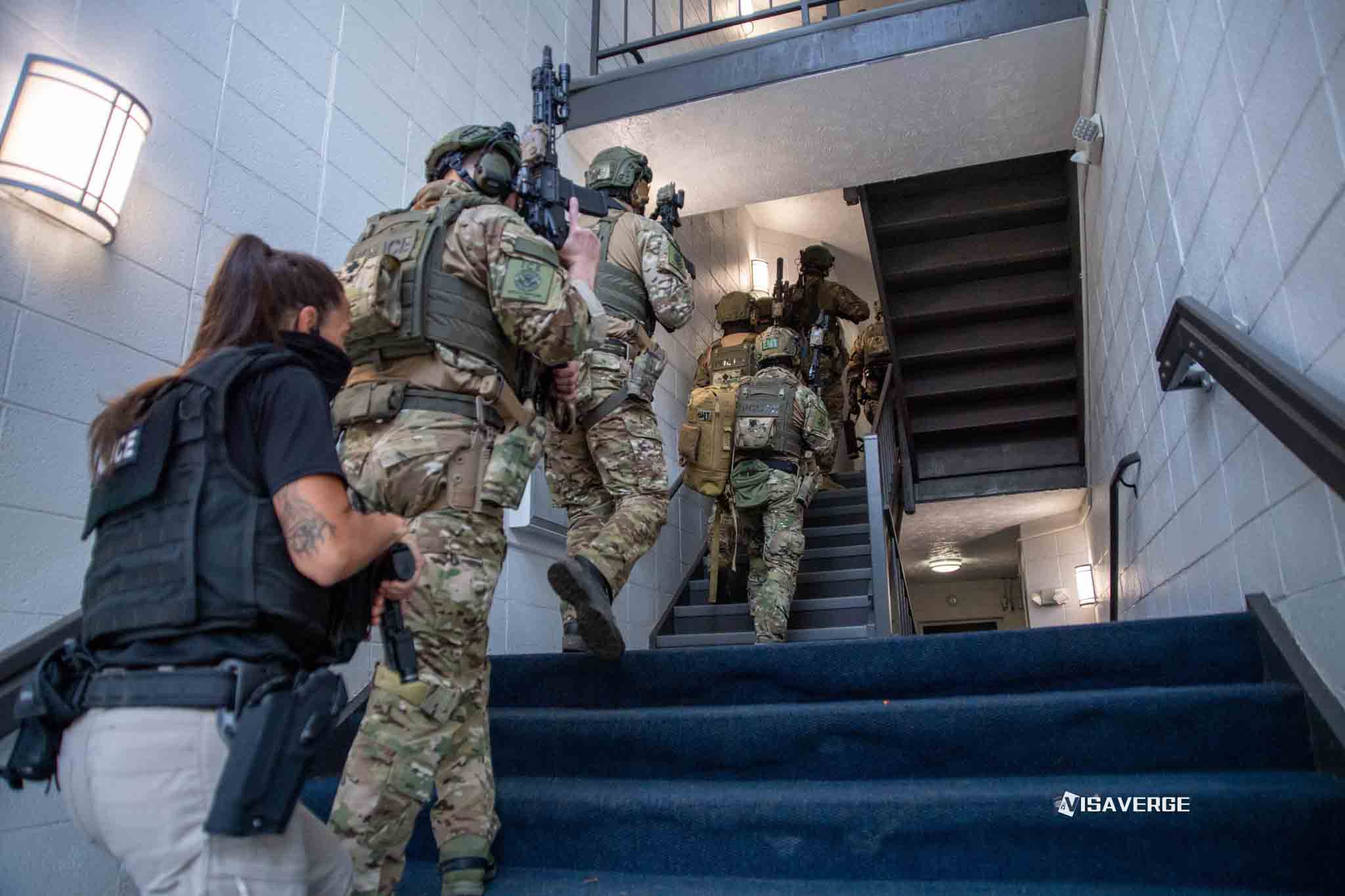
Minneapolis became a flashpoint after a reported surge that involved about 3,000 federal agents. Surges like this can be highly visible. Workers may see more law enforcement presence near transit, at major corridors, or around large venues. That visibility alone can change attendance patterns, even for legally authorized employees who fear mistakes or confusion.
Minneapolis–Saint Paul also sits at the intersection of tourism, air travel, and business events. When public clashes or large operations draw global attention, travel advisories can follow. Several European countries issued warnings tied to the Minneapolis/St. Paul area after clashes between ICE and protesters. Advisories like these may not ban travel, but they can nudge corporate travel managers and international visitors toward alternatives.
Industry conference concerns matter because hotels plan months ahead. Convention blocks, group sales projections, and staffing models rely on steady demand. A sudden drop in international visitors can hit room nights and staffing budgets at the same time. That squeeze can feel worse than either problem alone.
5) Impact on affected individuals and workforce
Gwen Mills, president of UNITE HERE, described the human side on February 11, 2026. She said hundreds of members and their families had not left their house for over a month, including documented and U.S.-born workers who feared being picked up indiscriminately. Even when that fear is not tied to a specific legal risk, it can still reshape behavior at work.
Fear-driven absenteeism is a management problem and a worker well-being problem. A few missed shifts can cascade. Teams run short. Supervisors call in backups. Overtime rises. Tension follows quickly in guest-facing departments.
Airport-adjacent work adds another layer. UNITE HERE has reported cases where members working in secure airport areas, who had already passed federal background checks, were detained by ICE. Detentions or questioning in vetted zones can disrupt staffing at the worst possible time, especially for early-morning peak periods.
Chilling effects also intersect with workplace abuses. Labor leaders cite research indicating a rise in minimum wage violations for Hispanic workers during aggressive enforcement periods, tied to underreporting. The mechanism is simple. When workers fear contact with authorities, they may avoid reporting wage theft, harassment, or safety issues.
Workers can take steps that may reduce confusion in high-stress moments. Keeping personal records organized helps. Knowing workplace policies on identification, scheduling, and who to contact during emergencies can also matter. For individualized guidance, a qualified immigration attorney or accredited representative is the right source.
Employers, meanwhile, should aim for consistency and non-discrimination. Hotels can review I-9 practices for uniformity across departments. They can also train managers not to single out employees based on accent, name, or perceived national origin. Written protocols for responding to government inquiries can reduce panic and prevent missteps.
⚠️ Key dates and actions readers should watch: February 4, 2026 (H-2B increase finalized), February 9, 2026 (TPS terminations announced), February 12, 2026 (Minneapolis enforcement surge report)
✅ What hotel employers should document and communicate to workers about compliance and protections amid enforcement surges
– Document I-9 policies and apply them consistently across all staff.
– Communicate non-discrimination expectations to supervisors in writing.
– Keep a clear internal chain of contact for any visit or request from ICE or DHS.
– Share employee assistance resources and credible legal-aid contacts, where available.
– Record scheduling and attendance disruptions factually, without assumptions about status.
6) Official government sources and references
USCIS and DHS publish different kinds of updates, so readers should check both. USCIS is the main channel for benefits and program rules, including H-2B updates and many work authorization details. The USCIS Newsroom is a reliable place to confirm dates and program language. DHS press releases and official statements are the usual place for enforcement announcements, industry warnings, and department-wide policy messaging.
Cross-checking is straightforward. Match the date, the agency name, and the document title. Be cautious with screenshot-only posts that omit context. For primary material, start with USCIS pages such as the Newsroom release on strengthening “integrity” in the immigration system and the USCIS page on the FY 2026 H-2B increase. DHS’s press release page is the quickest route for enforcement statements and departmental announcements: DHS press releases. For H-2B program updates, USCIS also maintains the FY 2026 H-2B increase page: USCIS: Temporary increase in H-2B nonimmigrant visas for FY 2026.
The practical takeaway for hotels is immediate. Track the dates, verify changes through USCIS and DHS, and plan staffing and communications around February 4, 2026 and February 9, 2026, since those actions can affect both hiring pipelines and workforce stability.
This article discusses immigration policy and labor-market impacts. Readers should not rely on this for individualized legal advice.
Policy changes can have varying effects by jurisdiction and employer; consult official agency releases for updates.