- The FY 2027 H-1B season introduces wage-weighted selection alongside existing beneficiary-based rules for registrations.
- Indian applicants face massive interview cancellations due to expanded social media vetting and backlogs.
- A new $100,000 supplemental fee now applies to specific petitions for beneficiaries located outside the U.S.
(INDIA) — FY 2027 H-1B visa processing has split into two problems for many Indian applicants: a new wage-weighted cap selection system and the mass cancellation of interviews that began in late 2025.
As of March 22, 2026, USCIS has confirmed that the FY 2027 cap season opened on March 4, 2026 under a final rule that took effect on February 27, 2026. At the same time, interview backlogs in India continue after consular cancellations and expanded vetting slowed appointment capacity.
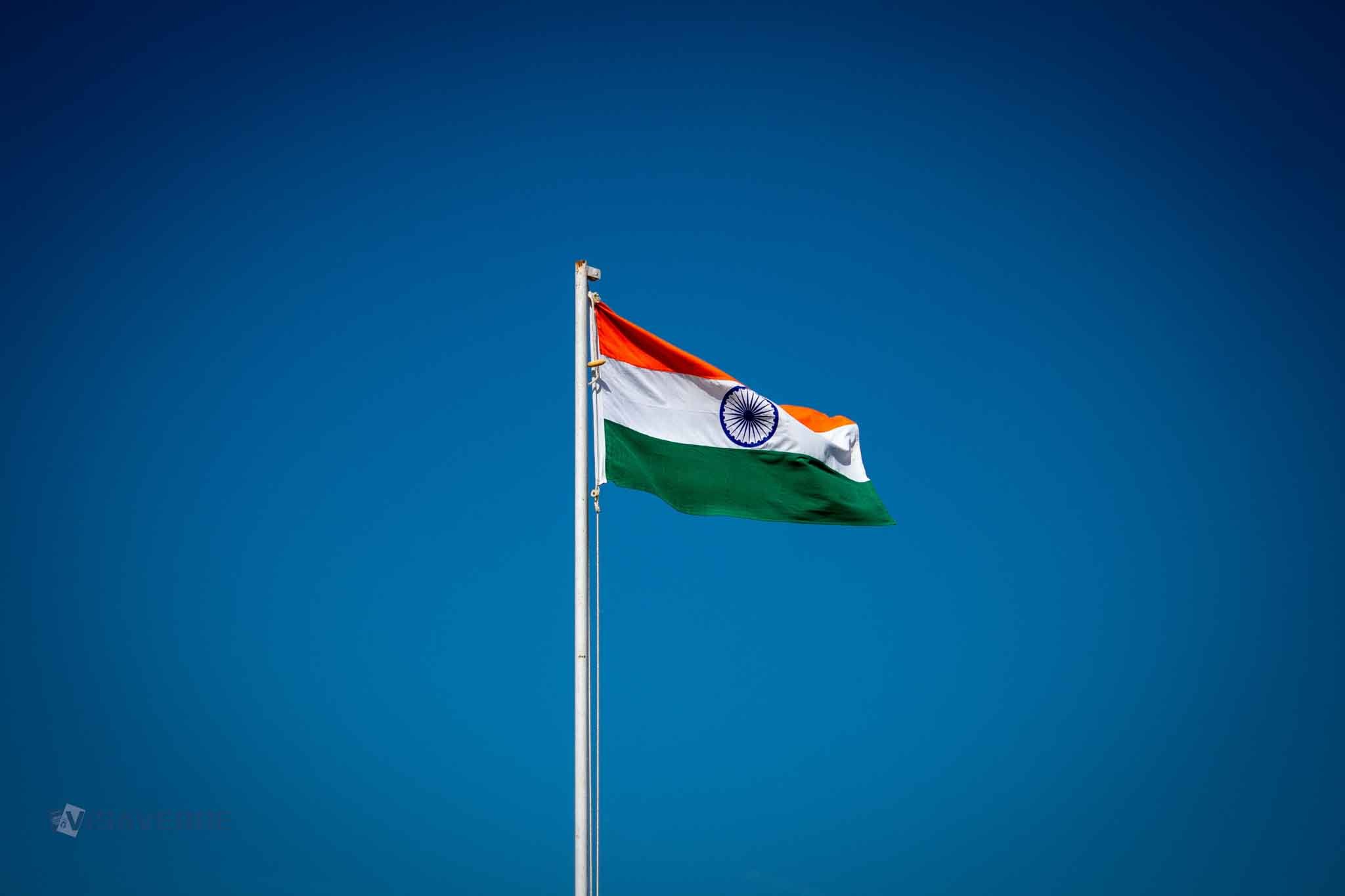
For employers, the issue is timing and compliance. For workers, the issue is travel risk, stamping delays, and possible gaps in U.S. employment.
📅 Key Date: FY 2027 cap registration opened on March 4, 2026. Selected cap petitions may be filed after USCIS issues selection notices.
FY 2027 timeline and what changed
The FY 2027 season no longer looks like the prior cap cycle. USCIS said on March 19, 2026 that a DHS final rule announced on December 23, 2025 became effective on February 27, 2026. That rule moved the cap process to a weighted selection model tied to higher wage levels.
The government also kept the one-registration-per-beneficiary rule. That means multiple employers cannot multiply one person’s lottery chances through duplicate cap entries for the same beneficiary.
| FY 2027 Milestone | Date |
|---|---|
| Final rule announced | December 23, 2025 |
| Final rule effective | February 27, 2026 |
| Registration opened | March 4, 2026 |
| Selection notices | After registration closes |
| Petition filing window | Begins after selection notice |
| Earliest employment start | October 1, 2026 |
USCIS had not published final FY 2027 registration totals or a selection rate by March 22, 2026. That limits direct statistical comparison with FY 2026. The clearest difference is procedural. FY 2026 used beneficiary-based selection. FY 2027 added wage weighting.
That change matters most for lower-paid roles. It also raises risk for employers filing entry-level positions at Level I wages.
Interview cancellations in India reshaped the cap season
The cap changes are only part of the problem. The larger practical issue for many Indian professionals has been visa stamping.
In late 2025, U.S. posts in India began cancelling large numbers of pre-booked H-1B visa interview appointments. On December 9, 2025, U.S. Embassy India told applicants not to appear on their original dates and said admission would be denied if they did.
India’s Ministry of External Affairs followed with a formal protest on December 26-27, 2025. The MEA said the scale of disruption caused hardship for Indian nationals and their employers.
That response was expected. India accounts for about 71% of all H-1B visa holders, so any disruption in Mission India has immediate effects across the U.S. labor market.
⚠️ Employer Alert: Workers who travel for stamping should not be treated as guaranteed return cases. Consular delays can leave approved H-1B employees stuck abroad for months.
Why interviews slowed so sharply
The main driver was expanded vetting. Effective December 15, 2025, the State Department expanded mandatory social media screening to all H-1B and H-4 applicants. Applicants were told to keep profiles public for a five-year review period.
That review slowed interview throughput. Consular officers had less daily capacity. Many appointments booked for December 2025 and January 2026 were pushed into March, April, and May 2026. Some delays now extend into 2027.
Lawyers also report more 221(g) administrative processing cases tied to social media concerns. Those refusals are not final denials, but they can add weeks or months.
For families, the delay is wider than the principal worker. H-4 spouses and children face the same vetting queue. That has led to family separation and school disruptions.
Fees, wages, and the new cap pressure points
The standard H-1B filing fees still apply, but FY 2027 now includes an added cost issue for some cases outside the United States.
| Fee | Amount | Required |
|---|---|---|
| Registration | $215 | Yes |
| I-129 filing | $780 | Yes |
| ACWIA | $750-$1,500 | Yes |
| Fraud prevention | $500 | Yes |
| Premium processing | $2,805 | No |
| Supplemental fee for certain new petitions | $100,000 | Case-specific |
The $100,000 supplemental fee stems from a September 19, 2025 Presidential Proclamation. It applies to certain new H-1B petitions for beneficiaries outside the United States or seeking consular notification.
That cost changes employer decision-making. It also makes consular delays more expensive when workers cannot return after travel.
The wage-weighted rule adds another filter. Employers should review the offered salary against the Occupational Employment Statistics wage level for the job and location.
| Wage Level | DOL Description | Typical Experience |
|---|---|---|
| Level I | Entry | 0-2 years |
| Level II | Qualified | 2-4 years |
| Level III | Experienced | 4-6 years |
| Level IV | Fully Competent | 6+ years |
USCIS and DHS have long examined Level I filings more closely. That is even more important now. A role with broad duties, weak degree linkage, and an entry-level wage may face harder review under a weighted system.
💼 Employee Tip: Before cap filing, ask for your SOC code, work location, and wage level. Check the prevailing wage at flcdatacenter.com.
What happens next for selected and non-selected cases
If a registration is selected, the employer may file the H-1B petition during the filing window listed in the USCIS account notice. Selection does not guarantee approval. USCIS still reviews specialty occupation evidence, degree match, wage level, and employer eligibility.
If the worker is abroad, petition approval also does not guarantee quick visa issuance. The consular bottleneck in India remains a separate problem.
If a registration is not selected, the options depend on the employer and the worker’s record:
- Cap-exempt H-1B with a university, nonprofit affiliate, or research organization
- O-1 for workers with strong national or international acclaim
- L-1 for intracompany transferees with qualifying overseas employment
- STEM OPT extension, if available
- Remote work abroad until the next cap season, where business rules allow
Emergency requests exist in India, but they are narrow. They usually require urgent humanitarian or business-critical facts.
⏰ Deadline: Workers in India should avoid nonessential travel until they confirm interview availability, document readiness, and employer contingency plans.
Travel and staffing risk for Indian professionals
The holiday timing made the disruption worse. Many workers had returned to India for year-end visits and stamping. When appointments were cancelled, they could not reenter the United States to resume work.
Employers should plan for that scenario now, especially in IT, healthcare, and engineering. A petition approval notice is not the same as a visa foil. A visa foil is not the same as admission at the port of entry.
For FY 2028, employers should expect another early-March registration period unless USCIS announces a different calendar. Preparation should start by January 2027, with wage analysis and job duty review completed before registration opens.
Employers should start position review now. Confirm the role meets specialty occupation standards, the degree field is specific, and the salary aligns with the correct wage level. Build a travel policy for workers who need stamping in India.
Employees should check whether international travel is necessary before visa stamping. They should also confirm whether their case may trigger consular notification, added fees, or long administrative processing.
Monitor the USCIS Newsroom, U.S. Embassy India visa notices, and Travel.State.gov for appointment and vetting updates. Employers should prepare selected FY 2027 cases for filing as soon as notices arrive. Employees should gather degree records, prior approval notices, passport validity, and social media history before any interview is booked.
📋 Official Resources:
- H-1B Program: uscis.gov/h-1b-specialty-occupations
- Cap Season: uscis.gov/h-1b-cap-season
- Prevailing Wages: flcdatacenter.com