Key Takeaways
•
Ex-Russian diplomats face additional H-1B challenges due to heightened scrutiny from geopolitical tensions and national security concerns.
•
Employer hesitation and stricter USCIS interpretations present hurdles in specialty occupation and sponsorship for ex-diplomats.
•
Alternatives like EB-5 or O-1 visas offer possible options, requiring significant investment or extraordinary ability proof.
Applying for an H-1B visa can be a challenging journey for anyone, but for an ex-Russian diplomat, there are additional hurdles to consider. The H-1B visa is a popular avenue for skilled workers seeking employment in the United States, particularly in specialized fields that demand a high degree of education or skill. However, due to geopolitical tensions and specific concerns about Russian nationals, these applicants face unique issues.
Heightened Scrutiny of Russian Nationals
Free toolH-1B Cost Calculator Online
Geopolitical tensions between Russia ?? and Western countries have led to increased scrutiny of Russian nationals trying to get visas, including the H-1B. For example, there’s been a noticeable rise in restrictive immigration measures against Russian citizens, driven by national security worries and political relations. As reported by VisaVerge.com, these measures mainly affect short-term visas, but they have created an environment of suspicion that can also affect those seeking H-1B visas.
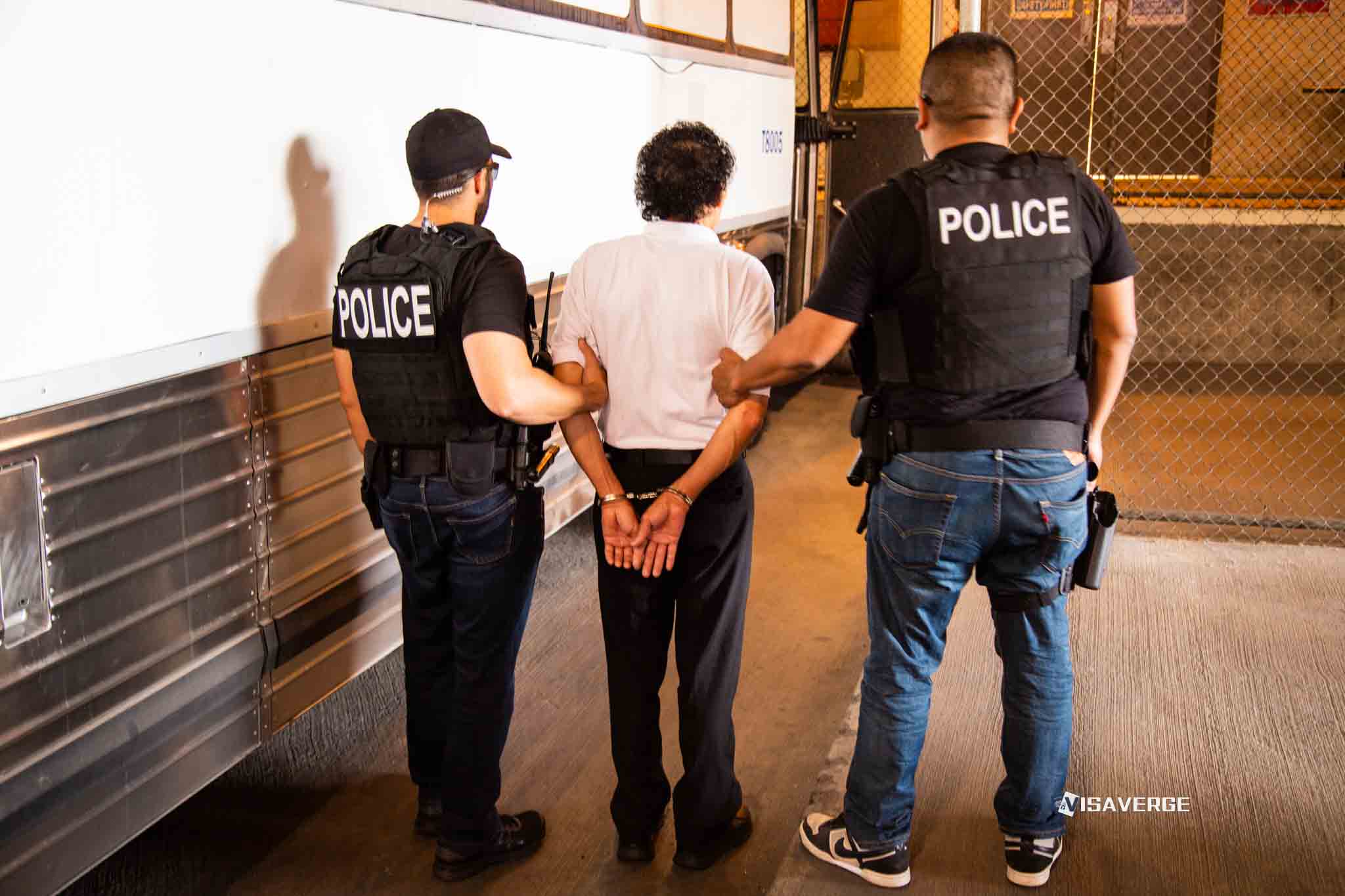
U.S. policies focused on national security often require closer examination of applicants from countries that are seen as adversaries. This means a former diplomat from Russia ?? may have to undergo additional background checks and face delays due to concerns about ties to their former government roles.
Concerns About Diplomatic History
The past role of being a diplomat can be a red flag. There is a chance that such a history might suggest potential risks like espionage or attempts to influence political matters. Agencies like U.S. Citizenship and Immigration Services (USCIS) are likely to look more closely at these individuals to ensure their employment in the U.S. doesn’t pose a threat to national interests.
H-1B-Specific Challenges
- Specialty Occupation Requirements
To obtain an H-1B visa, applicants must work in “specialty occupations,” which typically require at least a bachelor’s degree or equivalent experience. For an ex-Russian diplomat, proving that skills align with such qualifying occupations might be difficult, especially if previous roles were political or diplomatic. USCIS has tightened definitions around what jobs qualify as specialty occupations. This stricter interpretation means petitions are often rejected if the job doesn’t clearly tie duties to a specific degree field.
-
Employer Sponsorship
The H-1B visa process necessitates sponsorship by a U.S. employer. This involves filing a Labor Condition Application (LCA) and committing to not affect U.S. worker wages or working conditions negatively. Due to the current political environment involving Russian nationals, some employers might hesitate to sponsor a Russian ex-diplomat, worried about perceived risks or scrutiny from federal agencies.
-
Lottery System and Selection Odds
The cap for H-1B visas is set at 85,000 per year, comprising 65,000 regular slots and 20,000 for advanced degree holders from U.S. schools. Demand often surpasses supply, leading to a lottery-based selection process. For instance, in 2024, about 780,884 applications were submitted for 188,400 slots, bringing the selection rate to roughly 24%. This low selection probability adds another layer of difficulty for aspiring H-1B holders.
Policy Changes and Financial Barriers
Recent changes by the Department of Homeland Security (DHS) have increased the financial burden on applicants. Starting July 2024, a new $4,000 fee will apply to H-1B petitions. These added costs might deter smaller employers from sponsoring international workers and create additional challenges for applicants who rely on employer sponsorship to pursue their careers in the U.S.
Stricter Compliance Demands
USCIS has been more exacting in their examination of H-1B petitions:
- Employers must show hiring foreign workers will not negatively impact U.S. labor markets.
- The definition of “specialty occupation” now involves more subjective evaluation.
For ex-Russian diplomats, this intensified scrutiny could be a substantial obstacle, particularly if their skill sets don’t fit well into traditional job categories expected by USCIS.
Impacts of Declining H-1B Approvals
From fiscal year 2024, there has been a noted decline in H-1B visa approvals, even for major companies like Amazon and Infosys. This broader trend highlights the program’s systemic difficulties:
- Increased competition for limited visas.
- Regulatory shifts that prioritize American worker protections.
For ex-Russian diplomats, these hurdles compound other challenges related to their nationality and professional history, making the path to securing an H-1B precarious.
Considering Alternative Immigration Options
Due to the complexities in obtaining an H-1B visa, ex-Russian diplomats might look into other routes:
- EB-5 Immigrant Investor Program
This pathway allows for a permanent residency through investment in U.S. businesses. Unlike the H-1B:
- It doesn’t need employer sponsorship or meet specialty occupation criteria.
- Provides a stable and flexible alternative especially if the financial investment threshold (usually between $800,000 to $1 million) is met.
-
O-1 Visa for Extraordinary Ability
Ex-diplomats who can prove exceptional skills or accomplishments in their field, such as international relations, might be eligible for an O-1 visa. This category is aimed at individuals with notable ability in sciences, arts, education, business, or athletics.
In Conclusion
For ex-Russian diplomats, achieving an H-1B visa involves tackling a web of complications rooted in personal profile and broader international politics. Increased scrutiny of Russian applicants, coupled with tougher compliance and reduced approval rates, create immense barriers. While alternatives like the EB-5 or O-1 are worth exploring, each has specific demands and restrictions.
Ultimately, the key to success involves thorough preparation, expert legal advice, and strategically considering all possible immigration paths. Given the ongoing global political climate and the U.S.’s evolving immigration policies, those in this unique position should remain flexible and informed to pursue their goal of working in the United States.
Applicants can find more information on the H-1B visa process and requirements on the official U.S. Citizenship and Immigration Services (USCIS) website.
Learn Today
H-1B Visa: A non-immigrant visa allowing U.S. employment in specialty occupations requiring specialized knowledge and at least a bachelor’s degree.
Geopolitical Tensions: Political relationships and conflicts between countries, influencing policies like immigration and international relations.
Specialty Occupation: A job that requires specialized knowledge or education, typically requiring a U.S. bachelor’s degree or equivalent experience.
Labor Condition Application (LCA): A document filed by U.S. employers to ensure hiring foreign workers doesn’t affect American workers’ wages or conditions negatively.
EB-5 Immigrant Investor Program: A U.S. visa option for foreign investors granting permanent residency through significant business investment.
This Article in a Nutshell
Applying for an H-1B visa is tough, but ex-Russian diplomats face additional hurdles. Heightened scrutiny, geopolitical tensions, and specific concerns about diplomatic histories complicate matters. With tightened specialty occupation requirements and employer hesitations, their journey can be daunting. Exploring alternative visas, like the O-1 or EB-5, may offer other opportunities.
— By VisaVerge.com
Read more:
• Amazon Reduces H-1B Visa Sponsorship Amid Economic Shifts
• Cap-Exempt H-1B Visa Alternatives for U.S. Companies
• US Companies Reduce H-1B Visa Sponsorships in 2024
• Impact of 2004 H-1B Visa Cap Increase
• Chile Visa Rules for Indian Citizens with US H-1B Visa