- Corporate restructurings can trigger status gaps for sponsored workers without proactive planning.
- A missing signature or filing can turn routine mergers into authorization crises overnight.
- Successor-in-interest status requires formal assumption of liabilities and continuity of job terms.
As deals restructure, the immigration backbone of sponsorship can break without careful successor planning, triggering status gaps, rework, and costly delays for both employers and sponsored workers. One signature page missed at closing can turn a routine merger into an H‑1B work authorization problem overnight.
Fixing it later often costs more. Corporate restructurings tie directly to immigration filings because petitions and compliance duties attach to a specific legal employer and a specific set of job facts.
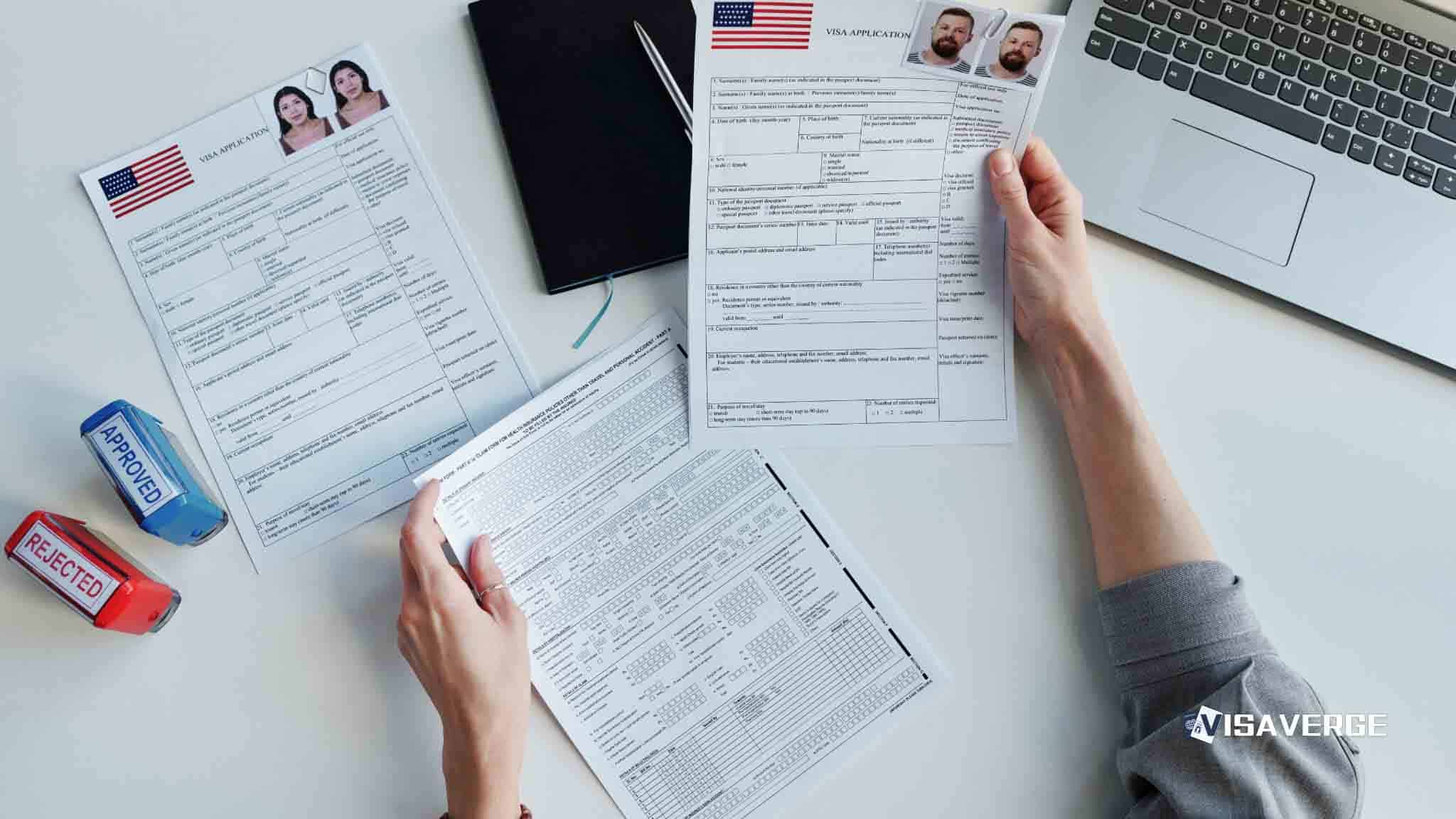
Change the entity, the payroll, the worksite, or the supervision chain, and you may have “material changes” that require action before Day 1 under the new structure.
What you’ll need before the deal closes
Deal teams move fast. Your immigration work has to move faster.
- A deal-structure summary (stock purchase, asset purchase, merger, spin‑off, internal reorg) and the post-close org chart.
- A mapping of every sponsored worker to (a) FEIN, (b) worksite address, (c) job title/duties, (d) wage source, and (e) petition type and expiration.
- A list of PERM and I‑140 cases with priority dates and offered wages.
- A decision on I‑9 handling: “successor” approach or “new hire” approach.
- A closing-week checklist with owners in HR, payroll, and legal.
Section 1: Overview: Hidden immigration risks in corporate restructuring
Deal integration often focuses on finance and systems first. Immigration issues sit in the seams between HR, payroll, and corporate legal.
That is where errors happen. Mergers, acquisitions, spin‑offs, and internal reorganizations create immigration breakpoints in three places: the petitioning entity’s identity, the employer–employee relationship, and worksite and wage facts tied to the LCA and petition.
Any mismatch can affect petition validity, I‑9 exposure, and downstream green-card steps. USCIS and DHS have signaled tighter review of technical compliance.
USCIS Director Joseph B. Edlow said on December 22, 2025 that USCIS enforcement actions and policy changes are aimed at “restoring integrity.” DHS Secretary Kristi Noem reiterated a similar message on January 13, 2026 during an announcement on status terminations.
Timelines that once felt “forgiving” may now carry sharper risk.
Section 2: 1) The “Successor-in-Interest” Trap (RIN 1615-AC85)
“Successor-in-interest” is the concept that lets a new or reorganized entity step into the prior employer’s shoes for immigration filings. It generally hinges on continuity: the job opportunity continues, the terms remain consistent, and the new entity assumes the obligations tied to the petition.
Stock purchases and mergers often make successor proof easier because the employing entity may remain the same, or liabilities transfer by operation of law. Asset purchases can be harder because the buyer does not automatically take on all liabilities in many asset deals.
Immigration filings may not “carry over” unless the buyer clearly assumes the relevant obligations and liabilities. Evidence typically includes transaction documents, explicit assumption language, and proof that operations and the job offer continue.
FEIN and employer-identity mapping matters here. So do payroll records that show who actually employs and controls the worker after close.
Failing successor proof can force new filings, including new H‑1B petitions, new LCAs, or green-card rework. In some scenarios, it can also create priority date exposure if a case must be restarted rather than continued.
Recent policy items to track during diligence include the January 2026 DHS proposed rule under RIN 1615-AC85, the January 5, 2024 USCIS Policy Alert on “totality of circumstances” for ability to pay, and integrity-focused agency messaging on December 22, 2025 and January 13, 2026.
Section 3: 2) “Ability to Pay” Requirements
Ability to pay is not just an I‑140 filing issue. It can come back during successor review, RFEs, or later filings that require USCIS to revisit the employer’s ongoing financial capacity.
The baseline rule is simple but demanding: the employer must show it can pay the offered wage from the priority date until the worker becomes a permanent resident. After a restructuring, that proof can get messy fast.
Consolidated financials may not answer the question USCIS is asking. Officers often focus on the petitioning entity’s ability, not the parent group’s story.
Acquisition accounting can blur what “income” means in the short term, especially if the transaction creates one-time costs or paper losses. Common evidence categories include tax returns or audited statements, payroll records showing actual wages paid, and measures such as net income and net current assets.
Staffing and wage consistency can matter too. A sharp drop in payroll support or headcount can invite questions.
Portfolio risk is the part many employers miss. One entity might inherit dozens of priority dates and offered wages across multiple business units.
Build a grid of: (1) priority date, (2) offered wage, (3) actual wage paid, (4) entity that pays, and (5) evidence available by tax year.
Section 4: 3) H‑1B “Material Change” & LCA Assumption
H‑1B cases are especially sensitive during restructurings because the petition ties to the employer, the role, and the worksite. Material changes may trigger an amended H‑1B petition.
That can be true even when the worker’s day-to-day job feels “the same.” Common triggers include changes to the employer’s legal identity or the employer–employee relationship, worksite changes that affect LCA coverage, and major changes to job duties or wage.
Spin‑offs often create multiple triggers at once: payroll and supervision can shift, and so can the FEIN tied to the LCA. Successor status can support continuity but does not erase LCA duties.
Many transactions require an LCA assumption statement placed in the Public Access File before the deal closes. That statement is part of the compliance chain; missing it can create an immediate gap in compliance posture.
Closing-day timing is unforgiving. If the new employer facts apply at 12:01 a.m. after close, unauthorized employment risk can begin at 12:02 a.m. Paperwork must match reality.
Premium Processing can help with amended filings when timing is tight. Premium Processing is available, and the service standard is 15 calendar days.
✅ Map successor-in-interest exposure worker by worker, including FEIN and entity changes.
✅ Confirm LCA and FEIN alignment before close, and place any required LCA assumption statements in the Public Access File on time.
✅ Prepare enhanced I‑9 and payroll integration checks so work authorization records match payroll reality on Day 1.
Section 5: 4) I‑9 Compliance: New Hire vs. Successor
Post-close I‑9 handling is a fork in the road. Either path can be lawful, but each carries tradeoffs.
Under a successor approach, the acquiring or surviving entity takes responsibility for existing I‑9s. That can reduce disruption for workers but can also inherit errors, missing forms, or inconsistent practices across sites.
Under a new-hire approach, the employer completes new I‑9s within three business days of the close for affected workers. That may improve data quality and uniformity but creates operational burden and reverification risks if teams treat rehires inconsistently.
Data quality must be managed either way. Build a remediation plan with an audit trail and apply the same correction standards across locations to avoid discrimination risk and credibility problems during audits.
Integration planning matters more than many teams expect. Align I‑9 timing with onboarding systems, payroll conversion, and worksite moves to prevent mismatches between paystubs and I‑9 employer names that can trigger avoidable questions later.
Section 6: 5) Significant 2025–2026 Policy Shifts (Impact on Restructuring)
Policy and fee shifts change deal math and sequencing. Start with budgeting: if a restructuring forces new filings rather than amendments, costs can spike due to filing fees, attorney time, and internal disruption.
Selection methodology can interact with compensation changes. Weighted H‑1B Selection is scheduled as effective Feb 27, 2026. Any restructuring that changes wage levels should be reviewed for downstream effects on new cap filings.
Shorter EAD validity increases renewal frequency and raises the odds of a work authorization gap if successor adjudications drag or if records are inconsistent across entities.
Build buffers into the deal calendar. Do not assume approvals. Sequence payroll, FEIN changes, LCA actions, and filing dates so workers remain authorized through the transition.
The following policy items are key to track and incorporate into deal planning:
- One Big Beautiful Bill Act — July 4, 2025 ($100,000): a deal that requires a new H‑1B petition, not an amendment, may trigger this cost.
- Weighted H‑1B Selection — Feb 27, 2026 (Effective): wage changes tied to integration could affect future cap strategy and budgeting.
- EAD Validity Reduction — Dec 4, 2025 (18 months): more frequent renewals can increase the chance of work authorization gaps during corporate changes.
Section 7: 6) Impact on Affected Individuals
Employees often learn about the deal late and their exposure can start immediately. Paperwork gaps, entity mismatches, or unfiled amendments can create instant work authorization issues.
That can affect payroll, travel plans, and even future immigration benefits. Small inconsistencies matter — keep records clean.
Green-card cases can face long delays if successor proof fails. Some cases may require rework, and PERM restart scenarios can apply in certain fact patterns, pushing timelines back by years even when the employee never changed roles.
Travel adds another layer. Visa stamps and port-of-entry questions often focus on employer identity and job details. Carry documentation that matches the post-close employer name and explains the relationship to the prior entity.
Workers should keep copies of paystubs, offer letters, and any employer-name or FEIN changes tied to payroll. Receipt notices and key filings also matter. Consistent records reduce risk during audits and travel.
Section 8: 7) Official Government Sources
USCIS and DHS materials can guide diligence. Use them as reference points, not as deal-day checklists.
Start with the USCIS Policy Manual at uscis.gov. Look for the successor-in-interest framework and what evidence USCIS expects, and use it to pressure-test whether the deal documents actually support the story you plan to file.
Next, read the DHS Unified Agenda entry for RIN 1615-AC85. Treat proposed rules differently than final rules: proposed text can still shape planning, budgets, and timelines.
Finally, monitor the USCIS Newsroom at uscis.gov for operational changes. Filing location shifts, form updates, and adjudication posture can affect transaction timing. A small operational change can break a closing-week plan.
Disclaimer: This article discusses immigration law and tax considerations related to corporate restructuring. It does not constitute legal advice. Readers should consult qualified counsel for advice tailored to their circumstances.
Treat closing as an immigration deadline, not just a corporate one, and lock your successor-in-interest, material changes, and work authorization steps in writing before the signature pages are final.