- Your passport decides your path: 42 countries use ESTA, everyone else needs a B1/B2 visa.
- A U.S. visa does not cover Canada or Mexico, plan each of the three host countries separately.
- A B1/B2 now costs $435, and interview waits reach 14 months, so apply now.
The 2026 FIFA World Cup runs June 11 to July 19 across the United States, Canada, and Mexico, and for millions of international fans the hardest part is not getting a ticket. It is getting in. Three host countries means three separate entry systems, a new $250 U.S. visa fee, interview backlogs that stretch past a year, and a priority program called FIFA PASS that most fans do not fully understand. This guide pulls every piece together in one place.
Whether you need a quick online ESTA or a full visa interview comes down to your passport. From there, the path splits by country, by cost, by timeline, and by how early you started. Below is the complete map: start with whether you need a visa at all, then follow the links to the detailed guide for your situation.
Free toolDS-160 Form Filling Online Helper ToolOne rule sits above all the others. A match ticket does not guarantee entry, and a U.S. visa does not cover Canada or Mexico. Plan each border separately, and start now.

The complete 2026 World Cup visa toolkit
Eight focused guides cover every stage of the journey, from figuring out which authorization you need to clearing the airport on arrival. Jump to the one that fits your question.
Step 1: Do you even need a visa?
Your nationality decides everything. Citizens of the 42 Visa Waiver Program countries apply online for an ESTA, currently $40, with no interview. Everyone else needs a B1/B2 visitor visa, which means a DS-160 application and an in-person interview. Canadians and Bermudians generally need no advance authorization at all.
If you are not sure which group you fall into, the fastest answer is in our breakdown of ESTA vs B1/B2 by nationality. Once you know you need a B1/B2, the full process is laid out in the step-by-step U.S. visa guide.
Step 2: Map your matches across three countries
This is the trap most fans miss. A U.S. ESTA or visa only gets you into the United States. Canada requires its own eTA or visitor visa, and Mexico asks for an FMM tourist card on arrival. If your match schedule crosses borders, you must satisfy each country independently, including at land crossings.
Our cross-border guide to visa rules across the USA, Canada, and Mexico lays out exactly what each country wants and how to plan a multi-country trip without getting stranded at a border.
Step 3: Use FIFA PASS to jump the line
If you bought your tickets directly from FIFA and you need a U.S. visa, FIFA PASS can route you to a priority interview slot ahead of the general queue. For fans from five bond-flagged nations who opted in by April 15, 2026, it also waived a visa bond of up to $15,000.
It is powerful but limited: it speeds up scheduling, not approval. Read our full explainer on how FIFA PASS works, and see the original announcement when FIFA PASS was unveiled for ticket holders.
Step 4: Start early, because the clock is real
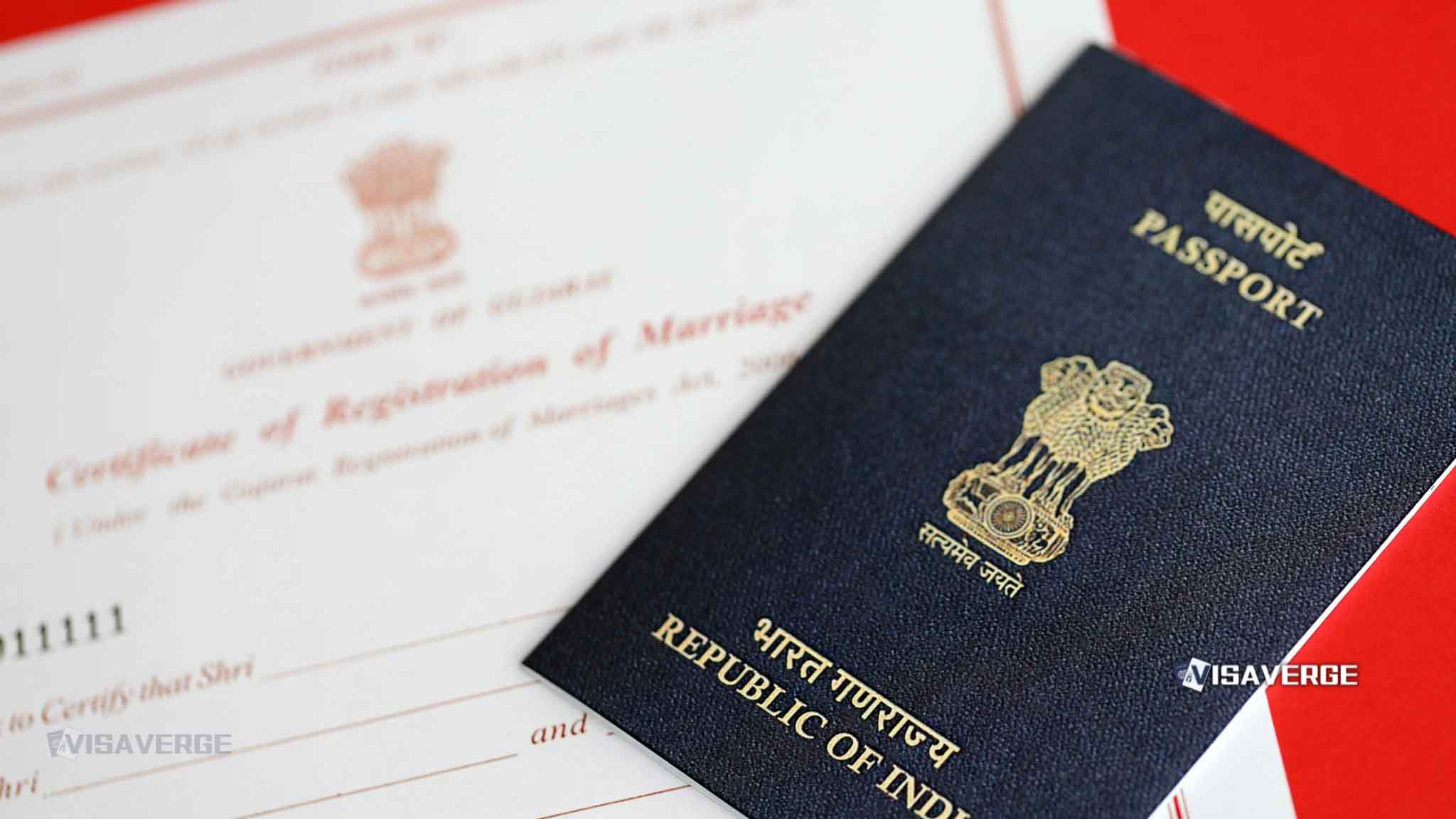
Interview wait times run from about 60 days to more than a year. In India they have reached 14 months. With the tournament opening June 11, any fan who still needs a B1/B2 visa is already racing the calendar.
Our visa timeline guide breaks down apply-by dates country by country and explains what to do if no appointment is available before your match. The backdrop: U.S. visa wait times in India have hit 14 months, even as the U.S. expands consular staffing for the surge.
Step 5: Budget for the real cost of entry
A U.S. visitor visa now costs $185 plus a $250 Visa Integrity Fee, a total near $435 if issued. ESTA is $40. Canada and Mexico add their own charges. The range between a Visa Waiver fan and a visa-required fan is enormous.
Our entry costs guide itemizes every fee by country and fan profile, and our reporting covers how World Cup travelers face the $435 visa and integrity fee.
Step 6: Clear the airport, then stay legal
On arrival, free biometric eGates at host-city airports can clear you in about two minutes. Our guide to faster airport entry compares eGates, CLEAR, and Global Entry so you do not lose an hour at immigration.
The last and most important step is the one fans forget: leave on time. Your authorized stay is set by the I-94 at entry, not by your visa, and overstaying triggers three-year or ten-year reentry bars. Our guide to avoiding a visa overstay explains how to read your I-94 and protect your future access to the U.S.
Latest 2026 World Cup visa news
The policy picture keeps shifting. These reports track the developments shaping fan travel this summer:
- U.S. visa crackdown threatens fans’ access to the 2026 World Cup
- U.S. waives the $15,000 visa bond for FIFA PASS fans from five nations
- World Cup travelers face a $435 visa and integrity fee
- Secretary Marco Rubio pledges faster visa processing for World Cup visitors
Your next move
Confirm whether you need a visa or an ESTA today. If you need a B1/B2, file the DS-160 this week and opt into FIFA PASS if you hold a FIFA ticket. Sort Canada and Mexico separately if your matches cross borders. Budget for the full fee, clear the airport with eGates, and respect your I-94 date. Do those six things in order, and the only thing left to worry about is the football.
Frequently Asked Questions
Do I need a visa to attend the 2026 World Cup?
It depends on your nationality. Citizens of the 42 Visa Waiver Program countries apply online for an ESTA ($40). Everyone else needs a B1/B2 visitor visa with an interview. Canadians and Bermudians generally need no advance authorization. The tournament runs June 11 to July 19, 2026.
Does a U.S. visa let me attend matches in Canada and Mexico?
No. A U.S. ESTA or visa only covers entry to the United States. Canada requires its own eTA or visitor visa, and Mexico requires an FMM tourist card. If your matches cross borders, you must satisfy each country’s entry rules separately.
What is FIFA PASS and should I use it?
FIFA PASS is a voluntary program that gives fans who bought tickets directly from FIFA a priority U.S. visa interview slot. It speeds up scheduling but does not guarantee approval. For five bond-flagged nations, opting in by April 15, 2026 also waived a visa bond of up to $15,000.
How much does it cost to enter the U.S. for the World Cup?
ESTA costs $40. A B1/B2 visa costs $185 plus a $250 Visa Integrity Fee, about $435 total if issued. Canada and Mexico add their own fees. A Visa Waiver fan can attend all three host countries for around $109.
How early should I apply for my World Cup visa?
Immediately if you need a B1/B2. Interview wait times run from 60 days to over a year, reaching 14 months in India. ESTA applicants can apply just days before travel, but visa-required fans should file the DS-160 now.
What happens if I overstay my visa during the World Cup?
Your authorized stay is set by the I-94 at entry, not your visa validity. Overstaying more than 180 days triggers a 3-year reentry bar; over a year, a 10-year bar. Check your I-94 date and depart on or before it.