Understanding I-140 Rejection: What Next?
Receiving a rejection notice for an I-140 petition can be disheartening, especially when you have high hopes of securing an Employment-Based Green Card in the United States. However, understanding why your I-140 was rejected and knowing the possible steps to take thereafter can ease the frustration and guide you through the next stages of your immigration journey.
Reasons for I-140 Rejection
Before diving into the repercussions and solutions, it’s imperative to pinpoint the causes behind an I-140 rejection. These may include:
- Incomplete or incorrect information on the application
- Insufficient evidence to support the petition
- Ineligibility under the employment-based preference category filed
- Labor certification issues, where applicable
Responding to an I-140 Rejection
Review and Rectify

The first actionable step after an I-140 rejection is to carefully review the rejection notice. The United States Citizenship and Immigration Services (USCIS) typically provides the reason(s) for the denial. This detail is crucial for understanding whether you can reapply or if there’s a need for an immigration appeal process.
Reapplying for I-140
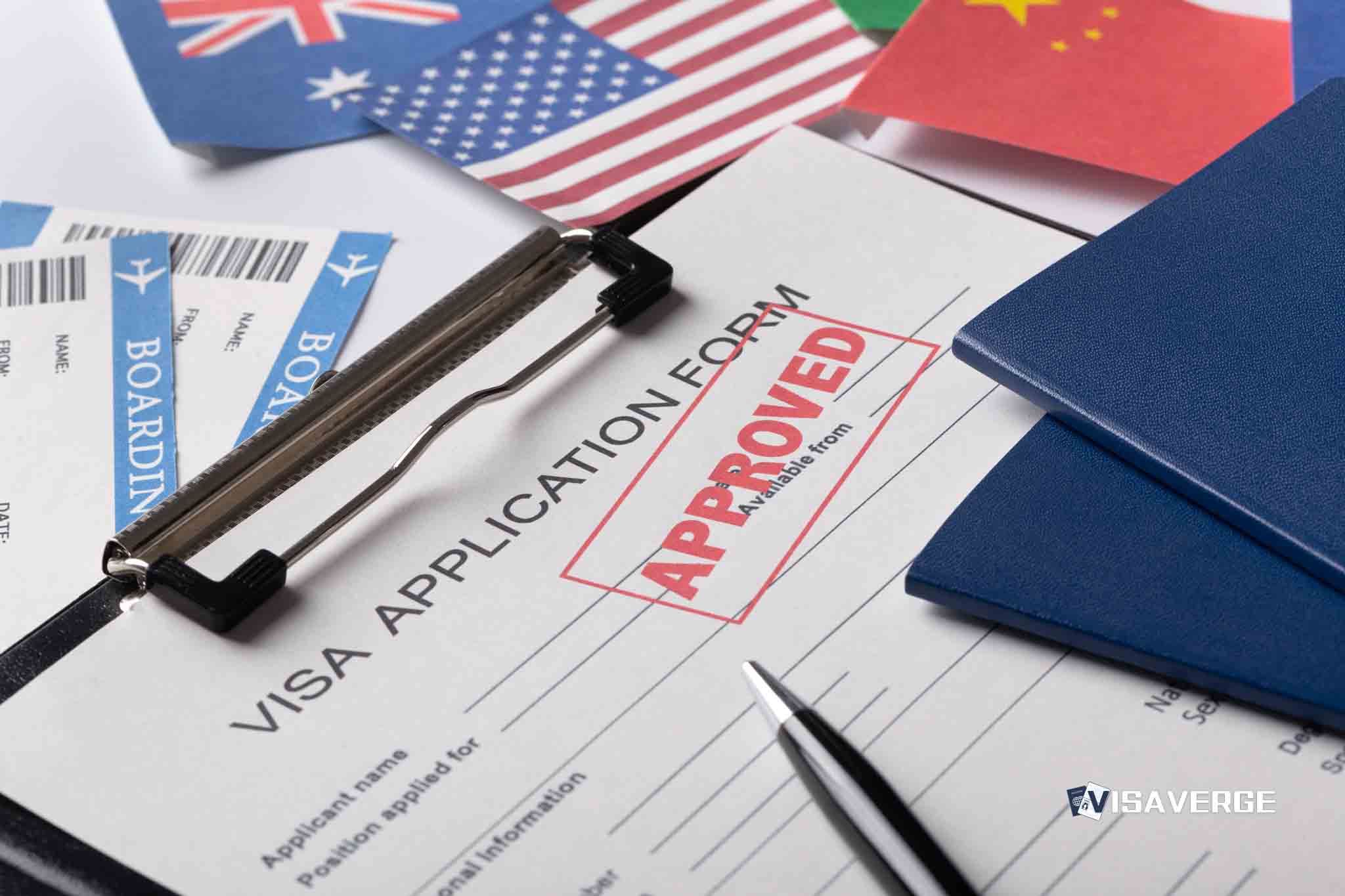
If the rejection stems from fixable issues such as missing documents or incorrect information, you may opt to correct the errors and refile the petition. A fresh application should include:
- All required documentation
- Updated and accurate information
- Additional evidence, if lack of evidence was an issue
Reapplying can be a valid step if the rejection is not due to an inherent eligibility problem, but rather clerical or procedural shortcomings.
The Immigration Appeal Process
If, after a thorough review, you believe that the decision to deny your I-140 was made in error, you can choose to appeal. The immigration appeal process generally involves filing a motion to reopen or reconsider with the USCIS or an appeal with the Administrative Appeals Office (AAO).
- Motion to Reopen: This is for presenting new facts or evidence that was not included in the original petition.
- Motion to Reconsider: This is based on proving that the decision was incorrect based on the evidence and the law at the time of the original decision.
To initiate an appeal, you must act within the prescribed time frame mentioned in your rejection notice, typically within 30 days.
Staying Informed and Seeking Legal Help
It is of paramount importance to stay updated with immigration laws and policies which can be complex and subject to change. For official information and updates, visit the USCIS website or consult the Department of State’s Visa Bulletin for information on preference categories and priority dates.
Given the intricate nature of immigration procedures, seeking advice from an immigration attorney might be beneficial. A knowledgeable legal professional can provide tailored guidance, helping you to navigate the process and increase your chances of an approved petition.
Maintaining Legal Status
During the appeal or reapplication process, ensure you maintain your legal status in the United States. A rejection does not automatically affect your current visa status, but you must continue to adhere to all visa regulations and work authorization guidelines if applicable.
Conclusion
An I-140 rejection, while a setback, is not necessarily the end of the road for your Employment-Based Green Card aspirations. By understanding the reasons, responding appropriately, and utilizing the immigration appeal process prudently, you can work towards rectifying the situation. Remember to maintain your legal status and consider professional legal help to navigate these complex waters. Stay informed, proactive, and persistent for the best chance at turning the situation around.
So, there you have it! Getting an I-140 rejection notice is like finding out your favorite app crashed, but fear not! Understand the reasons, fix what went wrong, and consider appealing if needed. Don’t forget to stay updated on immigration laws and seek legal guidance when necessary. Keep calm, stay in legal status, and for more in-depth information, head over to visaverge.com and let the tech gurus guide you through this immigration adventure!
FAQ’s to know:
FAQ 1: What are some common reasons for I-140 rejection?
– Answer: Common reasons for I-140 rejection include incomplete or incorrect information on the application, insufficient evidence to support the petition, ineligibility under the employment-based preference category filed, and labor certification issues, where applicable.
FAQ 2: What should I do if my I-140 petition is rejected?
– Answer: If your I-140 petition is rejected, the first step is to carefully review the rejection notice provided by the USCIS. If the issues are fixable, you may choose to correct the errors and refile the petition with all required documentation, updated information, and any additional evidence. However, if you believe the denial was made in error, you can initiate the immigration appeal process by filing a motion to reopen or reconsider with the USCIS or an appeal with the Administrative Appeals Office (AAO).
FAQ 3: Should I seek legal help in case of an I-140 rejection?
– Answer: Seeking advice from an immigration attorney can be beneficial in case of an I-140 rejection. Immigration procedures can be complex and subject to change, so consulting a knowledgeable legal professional can provide tailored guidance and increase your chances of an approved petition. They can also assist you in understanding and navigating the immigration appeal process, if necessary.
What did you learn? Answer below to know:
-
What are some common reasons for an I-140 petition rejection?
a) Lack of evidence to support the petition
b) Incorrect information on the application
c) Ineligibility under the employment-based preference category
d) All of the above -
What should you do if your I-140 petition is rejected due to missing documents or incorrect information?
a) File a motion to reopen
b) File a motion to reconsider
c) Reapply with all required documentation and updated information
d) Seek legal help immediately -
How can you initiate the immigration appeal process after an I-140 rejection?
a) File a motion to reopen within 30 days
b) File a motion to reconsider within 30 days
c) Appeal with the USCIS or the AAO within the prescribed time frame
d) Both a and c