Spanish
Official VisaVerge Logo Official VisaVerge Logo
  • Home
  • Airlines
  • H1B
  • Immigration
    • Knowledge
    • Questions
    • Documentation
  • News
  • Visa
    • Canada
    • F1Visa
    • Passport
    • Green Card
    • H1B
    • OPT
    • PERM
    • Travel
    • Travel Requirements
    • Visa Requirements
  • USCIS
  • Questions
    • Australia Immigration
    • Green Card
    • H1B
    • Immigration
    • Passport
    • PERM
    • UK Immigration
    • USCIS
    • Legal
    • India
    • NRI
  • Guides
    • Taxes
    • Legal
  • Tools
    • H-1B Maxout Calculator Online
    • REAL ID Requirements Checker tool
    • ROTH IRA Calculator Online
    • TSA Acceptable ID Checker Online Tool
    • H-1B Registration Checklist
    • Schengen Short-Stay Visa Calculator
    • H-1B Cost Calculator Online
    • USA Merit Based Points Calculator – Proposed
    • Canada Express Entry Points Calculator
    • New Zealand’s Skilled Migrant Points Calculator
    • Resources Hub
    • Visa Photo Requirements Checker Online
    • I-94 Expiration Calculator Online
    • CSPA Age-Out Calculator Online
    • OPT Timeline Calculator Online
    • B1/B2 Tourist Visa Stay Calculator online
  • Schengen
VisaVergeVisaVerge
Search
Follow US
  • Home
  • Airlines
  • H1B
  • Immigration
  • News
  • Visa
  • USCIS
  • Questions
  • Guides
  • Tools
  • Schengen
© 2025 VisaVerge Network. All Rights Reserved.
Green Card

The Impact of Employee Relocation on the PERM Process and Work Visa Sponsorship

Employee relocation during the PERM process can have significant implications, as it may affect work visa sponsorship. Employers must ensure compliance and understand the impact on the PERM application and the employee's legal status. It is crucial to consult legal experts and follow the appropriate procedures to minimize risks and ensure a smooth transition.

Last updated: July 18, 2025 8:03 pm
SHARE
VisaVerge.com
Key takeaways

Understanding the PERM process is crucial for businesses hiring foreign talent, as it is the initial step for green card sponsorship.
Relocating employees during the PERM process can have implications on labor market tests and job location consistency.
Strategic planning and compliance with immigration laws are essential when navigating employee relocation during the PERM process.

Understanding the PERM Process in Employee Relocation

Employee relocation can be a complex aspect to consider for businesses, especially when it is intertwined with work visa sponsorship and the PERM (Program Electronic Review Management) process. For companies in the United States looking to hire foreign talent, understanding the implications of relocating employees during this intricate immigration procedure is vital.

The PERM process is the initial step for an employer to sponsor a foreign national for lawful permanent resident status—also known as a green card. This process involves a series of legal and regulatory requirements that ensure priority is given to U.S. workers for job positions.

Navigating Immigration Laws during the PERM Process

During employee relocation, companies must adhere to strict immigration laws and policies. It’s essential that businesses contemplating the relocation of their workers during the PERM process proceed with caution and thorough understanding.

The PERM process requires the employer to test the U.S. labor market to determine if there are any able, willing, and qualified U.S. citizens or residents for the position that is intended for the foreign worker. If the employee is relocated to a different geographical area during this process, the validity of the labor market test, which is the foundation of the PERM application, could be compromised.

Here are some key implications to consider when relocating employees during the PERM process:
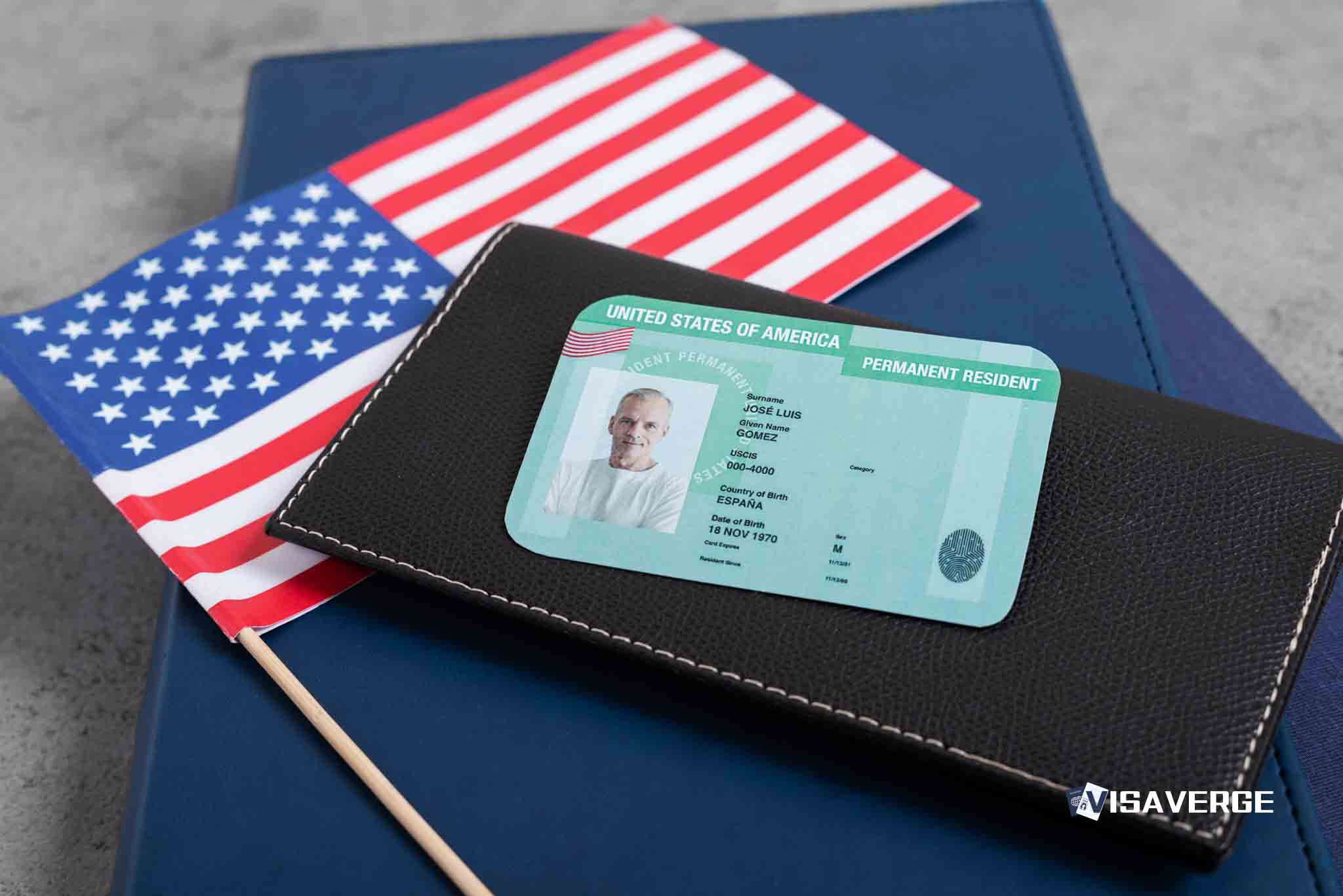
The Impact of Employee Relocation on the PERM Process and Work Visa Sponsorship

Geographical Considerations

  • Job Location Consistency: The job location specified in the PERM application should be consistent. If an employee is moved to a new location, it could necessitate a new labor condition application and a restart of the PERM process.

  • Labor Market Impact: Relocation might alter the labor market conditions. The availability of workers or prevailing wage levels might differ, affecting the outcome of the labor certification.

Timing and Strategy in Relocations

  • Audit Risks: Changes in job location or duties could trigger a U.S. Department of Labor audit that can delay the PERM certification.

  • Strategic Planning: Companies must strategically plan the timing of relocations. It is generally advised to avoid relocating the employee beneficiary during the PERM process.

Maintaining Compliance

  • Adherence to PERM Requirements: The employer must continue to adhere strictly to the PERM requirements until the process is completed.

  • Legal Guidance: Consultation with immigration attorneys is crucial to ensure all actions comply with relevant immigration laws.

When considering work visa sponsorship, businesses can refer to official resources such as the U.S. Department of Labor’s website on the PERM process for guidance and updates to the regulations: U.S. Department of Labor – PERM.

For further support and advice on immigration, the United States Citizenship and Immigration Services (USCIS) is a key authority on these matters and can provide comprehensive assistance: USCIS Website.

Key Takeaways

For employers and HR professionals, here are the main points to remember:

  • Be cautious when relocating employees during the PERM process to prevent delays or denials.
  • Understand that a change in job location can trigger a need for a new labor test.
  • Avoid employee relocations during the PERM process for smoother sponsorship.
  • Always consult with legal experts for compliance with immigration laws.

Navigating employee relocation within the complexities of the PERM process and work visa sponsorship can be challenging, but with proper guidance and an understanding of the implications, companies can manage this successfully.

So there you have it, folks! Navigating the PERM process and employee relocation can be a wild ride, but with a little caution and planning, you’ll be on your way to successfully sponsoring foreign talent. Remember, consistency in job location, strategic timing, and careful adherence to PERM requirements are key. And if you want to dig deeper into all things immigration, check out visaverge.com for more tips, guides, and juicy details. Happy sponsoring!

FAQ’s to know:

FAQ 1: What are the implications of relocating employees during the PERM process?

Answer: Relocating employees during the PERM process can have significant implications. It is important to note that the job location specified in the PERM application should remain consistent. If an employee is moved to a new location, it may require a new labor condition application and a restart of the PERM process. Furthermore, relocation can alter the labor market conditions such as the availability of workers and prevailing wage levels, potentially affecting the outcome of the labor certification.

FAQ 2: What are the risks associated with employee relocations during the PERM process?

Answer: There are certain risks associated with relocating employees during the PERM process. Changes in job location or duties can trigger a U.S. Department of Labor audit, which can result in delays in the PERM certification. To minimize risks, companies should strategically plan the timing of relocations and generally avoid relocating the employee beneficiary during the PERM process.

FAQ 3: What are the key considerations for maintaining compliance during the PERM process?

Answer: To maintain compliance during the PERM process, employers must continue to adhere strictly to the PERM requirements until the process is completed. It is crucial to consult with immigration attorneys to ensure all actions are in compliance with relevant immigration laws. Seeking legal guidance will help businesses navigate the complexities of the PERM process and ensure they are fulfilling their obligations appropriately.

What did you learn? Answer below to know:

  1. True or False: Relocating an employee to a new location during the PERM process can necessitate a restart of the PERM process.
  2. What is the purpose of the PERM process?
    a) To sponsor a foreign national for a work visa
    b) To test the U.S. labor market for available and qualified U.S. workers
    c) To obtain a green card for a foreign worker
    d) To audit the employer’s compliance with immigration laws
  3. When is it generally advised to avoid relocating an employee beneficiary during the PERM process?
    a) Before submitting the PERM application
    b) After receiving the PERM certification
    c) During the labor market test
    d) Throughout the entire PERM process

Share This Article
Facebook Pinterest Whatsapp Whatsapp Reddit Email Copy Link Print
What do you think?
Happy0
Sad0
Angry0
Embarrass0
Surprise0
Robert Pyne
ByRobert Pyne
Editor
Follow:
Robert Pyne, a Professional Writer at VisaVerge.com, brings a wealth of knowledge and a unique storytelling ability to the team. Specializing in long-form articles and in-depth analyses, Robert's writing offers comprehensive insights into various aspects of immigration and global travel. His work not only informs but also engages readers, providing them with a deeper understanding of the topics that matter most in the world of travel and immigration.
Subscribe
Login
Notify of
guest

guest

0 Comments
Inline Feedbacks
View all comments
H-1B Workforce Analysis Widget | VisaVerge
Data Analysis
U.S. Workforce Breakdown
0.44%
of U.S. jobs are H-1B

They're Taking Our Jobs?

Federal data reveals H-1B workers hold less than half a percent of American jobs. See the full breakdown.

164M Jobs 730K H-1B 91% Citizens
Read Analysis
Bali Travel Rules 2026: Visa, All Indonesia App & Tourism Levy Explained
Travel

Bali Travel Rules 2026: Visa, All Indonesia App & Tourism Levy Explained

Italy Faces Airport and Airline Strikes on January 9, 2026
Airlines

Italy Faces Airport and Airline Strikes on January 9, 2026

2026 Child Tax Credit Rules: Eligibility, Amounts, and Claims
Taxes

2026 Child Tax Credit Rules: Eligibility, Amounts, and Claims

Sri Lanka Visa-on-Arrival: Key Details and Recent Changes Explained
Visa

Sri Lanka Visa-on-Arrival: Key Details and Recent Changes Explained

February 2026 Visa Bulletin Predictions: Complete Analysis and Forecast
Guides

February 2026 Visa Bulletin Predictions: Complete Analysis and Forecast

Cheapest MBA Programs, United States, Affordable MBA Options for 2026
F1Visa

Cheapest MBA Programs, United States, Affordable MBA Options for 2026

ICE has not detained any U.S. citizen, Department of Homeland Security says
Citizenship

ICE has not detained any U.S. citizen, Department of Homeland Security says

2025 SEP IRA Limits: 25% of Net Earnings or ,000
Knowledge

2025 SEP IRA Limits: 25% of Net Earnings or $70,000

Year-End Financial Planning Widgets | VisaVerge
Tax Strategy Tool
Backdoor Roth IRA Calculator

High Earner? Use the Backdoor Strategy

Income too high for direct Roth contributions? Calculate your backdoor Roth IRA conversion and maximize tax-free retirement growth.

Contribute before Dec 31 for 2025 tax year
Calculate Now
Retirement Planning
Roth IRA Calculator

Plan Your Tax-Free Retirement

See how your Roth IRA contributions can grow tax-free over time and estimate your retirement savings.

  • 2025 contribution limits: $7,000 ($8,000 if 50+)
  • Tax-free qualified withdrawals
  • No required minimum distributions
Estimate Growth
For Immigrants & Expats
Global 401(k) Calculator

Compare US & International Retirement Systems

Working in the US on a visa? Compare your 401(k) savings with retirement systems in your home country.

India UK Canada Australia Germany +More
Compare Systems

You Might Also Like

F-1 to H-1B: Securing Visa Without Original I-797—Key Steps
Documentation

F-1 to H-1B: Securing Visa Without Original I-797—Key Steps

By Sai Sankar
Passport Reissue: Process, Scenarios, and When to Apply
Knowledge

Passport Reissue: Process, Scenarios, and When to Apply

By Jim Grey
Qualifying for Permanent Residency in Australia as a Recent Graduate
Australia Immigration

Qualifying for Permanent Residency in Australia as a Recent Graduate

By Visa Verge
H4 Visa Holders: Can They Work in the USA? Find a Clear Answer!
Knowledge

H4 Visa Holders: Can They Work in the USA? Find a Clear Answer!

By Visa Verge
Show More
Official VisaVerge Logo Official VisaVerge Logo
Facebook Twitter Youtube Rss Instagram Android

About US


At VisaVerge, we understand that the journey of immigration and travel is more than just a process; it’s a deeply personal experience that shapes futures and fulfills dreams. Our mission is to demystify the intricacies of immigration laws, visa procedures, and travel information, making them accessible and understandable for everyone.

Trending
  • Canada
  • F1Visa
  • Guides
  • Legal
  • NRI
  • Questions
  • Situations
  • USCIS
Useful Links
  • History
  • USA 2026 Federal Holidays
  • UK Bank Holidays 2026
  • LinkInBio
  • My Saves
  • Resources Hub
  • Contact USCIS
web-app-manifest-512x512 web-app-manifest-512x512

2026 © VisaVerge. All Rights Reserved.

2026 All Rights Reserved by Marne Media LLP
  • About US
  • Community Guidelines
  • Contact US
  • Cookie Policy
  • Disclaimer
  • Ethics Statement
  • Privacy Policy
  • Terms and Conditions
wpDiscuz
Welcome Back!

Sign in to your account

Username or Email Address
Password

Lost your password?