U.S. Customs and Border Protection will begin requiring live facial recognition scans (photographs) from every non‑U.S. citizen who crosses the border, including Green Card holders, under a biometric entry‑and‑exit rule that takes effect on December 26, 2025. The change is travel‑related and applies at entry and exit points nationwide, from airport jet bridges to land crossings and seaports, and it removes earlier age carve‑outs for children under 14 and adults over 79. The rule was published in the Federal Register on October 24, 2025, and CBP says it is meant to tighten identity checks and close gaps left by paper records of departures.
What the rule actually does — and what it does not do

Despite headlines that have spread online, the source material makes clear that there is no new USCIS rule demanding fresh biometrics or a new photograph from existing permanent residents to keep their status.
- What it does not do
- It does not change how a Green Card is issued or renewed.
- It does not create a new USCIS requirement that lawful permanent residents must submit new biometrics to maintain status.
- What it does do
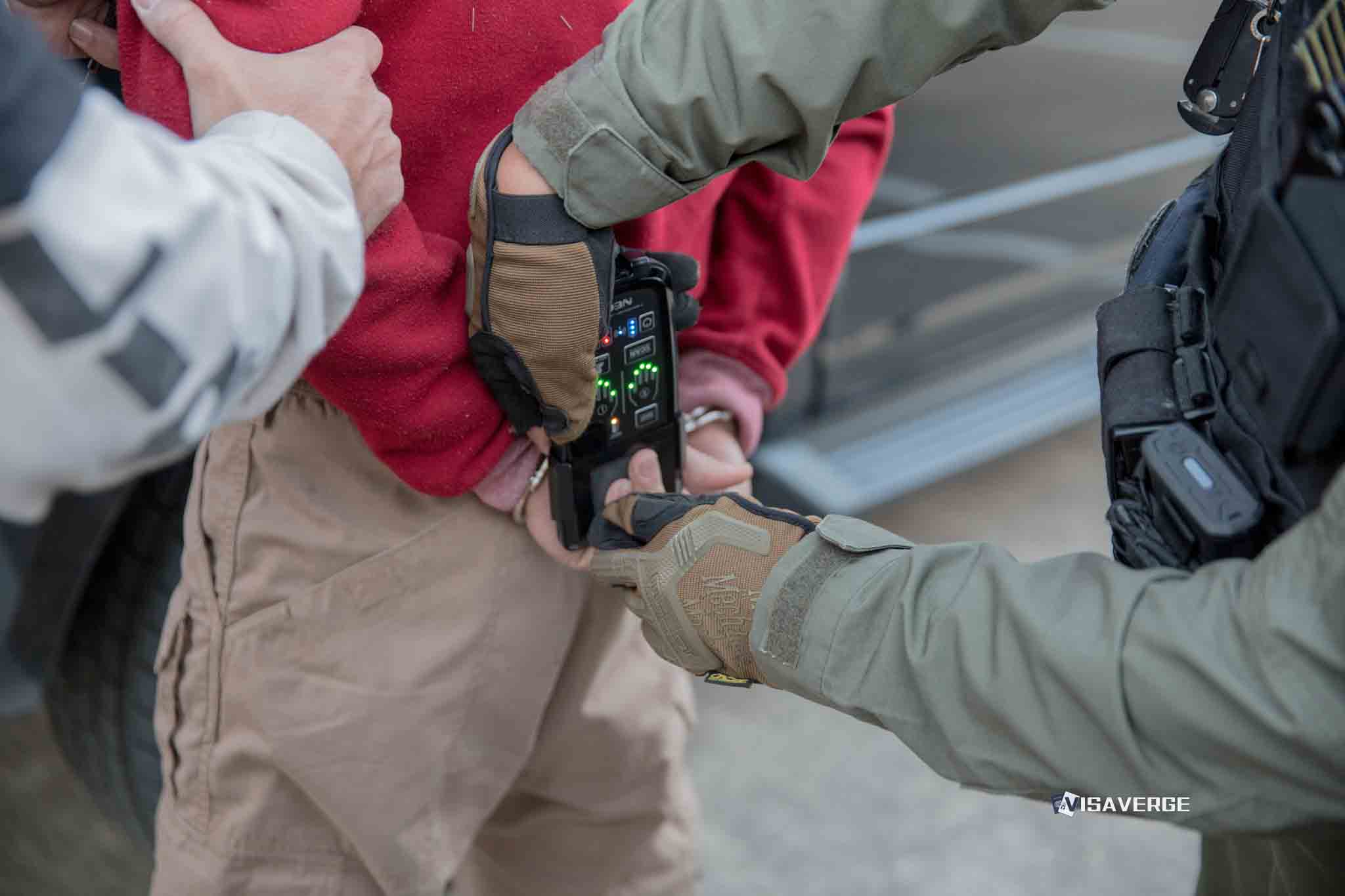
- It requires CBP officers and cameras to collect a live image at inspection and match it to passport or visa photos already held in Department of Homeland Security databases.
- The facial scan that used to happen on some trips will now happen on every trip, and it will occur at exit as well as at entry.
For many families, that means the routine face scan occurs more frequently and now includes outbound travel from the United States 🇺🇸, not just arrival.
Scope and operational details
CBP’s plan covers air, sea and land travel and is part of the agency’s push for a complete biometric record of who entered and who left.
| India | China | ROW | |
|---|---|---|---|
| EB-1 | Apr 01, 2023 ▲31d | Apr 01, 2023 ▲31d | Current |
| EB-2 | Jul 15, 2014 ▲303d | Sep 01, 2021 | Current |
| EB-3 | Nov 15, 2013 | Jun 15, 2021 ▲45d | Jun 01, 2024 ▲244d |
| F-1 | May 01, 2017 ▲174d | May 01, 2017 ▲174d | May 01, 2017 ▲174d |
| F-2A | Feb 01, 2024 | Feb 01, 2024 | Feb 01, 2024 |
- Where images will be captured
- Airport jet bridges and gate areas
- Seaports
- Land border crossings
- How images will be used
- Live images will be matched against existing travel document photos in DHS systems.
- The goal is to create a complete entry/exit history to check against visa limits and residency rules.
The exit photography is the part many travelers haven’t seen before. By making exit photography mandatory, CBP aims to create a complete entry/exit history that can be checked against visa limits and residency rules — helping spot overstays or identity misuse.
CBP says it will pay for the equipment. The rollout will start at major airports and expand to other ports over the next 3 to 5 years. CBP estimates image capture adds “under 20 seconds per inspection,” but frequent travelers and immigration lawyers caution that small delays can compound during busy times or when additional checks are triggered.
Changes to age exemptions and personal impacts
The rule ends previous age exemptions, which many will find the most personal change.
- Who is newly included
- Toddlers and children under 14
- Older adults previously exempted (over 79)
- All non‑U.S. citizens — tourists, students, workers and Green Card holders
- Practical effects
- Families will see cameras aimed at toddlers.
- Older travelers who previously waved through without photos will now be scanned.
- Frequent travelers may experience more checkpoint interactions or delays if the system flags them.
Effects on lawful permanent residents (Green Card holders)
For lawful permanent residents, the new exit record has an additional dimension.
- No legal change to abandonment standards
- The rule does not change the legal standard for abandoning permanent residency.
- There is no USCIS action required to maintain status.
- Practical consequences
- The new, more complete travel history may make it easier and faster for officers to spot long absences or travel patterns that suggest residence outside the U.S.
- Travelers with long gaps between entry and exit may be more likely to be sent to secondary inspection, where they can face lengthy waits and detailed questions about home address, employment and taxes.
Data connections and privacy concerns
CBP plans to connect travel images and records with other federal databases, raising privacy and civil‑liberties questions.
- Possible data linkages
- Internal Revenue Service (IRS)
- Social Security Administration
- Government rationale
- Officials say the program “improves identity verification” and fulfills post‑9/11 congressional mandates for a biometric entry/exit system.
- Concerns
- Civil liberties groups and some immigrants worry about privacy, error rates, data storage, retention period and the potential for broader surveillance.
- Analysis (e.g., VisaVerge.com) warns broadened data matching may increase routine referrals to secondary inspection for frequent crossers.
Practical considerations at ports of entry/exit
CBP has emphasized speed and funding for the technology, but real‑world factors could slow the process.
- CBP’s claims
- Image capture should add only moments at inspection booths.
- CBP will fund the necessary cameras and systems.
- Real-world issues that can add time
- Gate area backups and crowds
- Re-taking photos due to lighting, hats, masks, or a child turning away
- System flags that trigger extra questioning or verification
Immigration attorneys remind travelers that officers can ask extra questions for many reasons (for example, a name similar to someone else’s record). Wider use of facial recognition scans (photographs) may not create new legal duties, but it increases the instances when a traveler must prove identity and document consistency.
DHS proposal for USCIS biometrics — a separate issue
Confusion has been fueled by a separate Department of Homeland Security proposal affecting USCIS biometrics.
- USCIS proposed rule (separate)
- Published November 3, 2025
- Public comment period ends January 2, 2026
- Would allow USCIS to collect fingerprints, facial imagery, palm prints, DNA and voice prints, with continuous vetting and no age limits
- Key distinction
- The USCIS proposal is not the same as the CBP final rule taking effect on December 26, 2025.
- USCIS biometrics typically appear in benefit applications; CBP controls inspections at ports and can send travelers to secondary inspection.
Legal framing and the question of refusal
The biometric exit program ties into long‑running post‑9/11 congressional direction to confirm both arrivals and departures.
- Supporters’ view
- A live gate photo is harder to fake than a passport stamp and can help stop impostors.
- Critics’ view
- Concerns about error rates, how long images are kept, and civil‑liberties implications.
- Can travelers refuse?
- The rule is framed as a condition of inspection for non‑citizens.
- Refusing a photo could lead to delays and additional scrutiny at entry and exit points.
CBP posts public information about its biometric exit work at: CBP Biometric Exit
Practical advice for immigrants and frequent travelers
For those planning travel, the source material offers straightforward preparation steps.
- Treat the scan like any other inspection step and bring proper documents.
- For permanent residents who spend long periods abroad:
- Expect more questions even if the Green Card is valid.
- Carry proof of U.S. ties (lease, job letter, tax records) to show intent to maintain residence.
- Additional pointers
- Have passport/visa and Green Card readily available.
- Allow extra time in case of delays at busy entry and exit points during rollout.
- Be prepared for secondary inspection and questions about travel patterns.
There is no USCIS action required for status maintenance under this CBP rule, and this is not a demand for new application biometrics. The main takeaway for travelers: be prepared, carry evidence of U.S. ties if relevant, and understand that the new photos will make travel histories easier to review.
CBP will require live facial recognition photos from every non‑U.S. citizen at entry and exit points starting December 26, 2025, eliminating prior age exemptions for those under 14 and over 79. The system matches live images to DHS travel‑document photos to build full entry/exit records, with rollout at major airports and expansion over three to five years. CBP funds equipment and says capture adds under 20 seconds per inspection. This rule is distinct from a separate DHS/USCIS biometrics proposal open for comment.