- F-1 students face serious immigration risks from school discipline and protest-related arrests during walkouts.
- Maintaining SEVIS compliance is the primary defense strategy to prevent status termination after suspensions.
- Students can pursue discretionary reinstatement if status is lost due to circumstances beyond their control.
(MINNEAPOLIS, MINNESOTA) — For F-1 students caught up in school discipline or protest-related arrests, the most immediate “defense strategy” is often preserving (or restoring) lawful student status through SEVIS compliance, reinstatement, and—when necessary—immigration court safeguards. With Hundreds of students suspended in multiple districts after anti-ICE walkouts, the legal stakes can rise quickly when school discipline intersects with DHS enforcement activity and the presence of federal agents near campuses.
Student walkouts tied to immigration enforcement controversies typically include leaving class, on-campus demonstrations, and social-media organizing. Districts often frame discipline as an attendance or safety issue, citing disruption, insubordination, or supervision needs. Students and advocates, by contrast, often characterize walkouts as protected speech and assembly. For noncitizen students—including F-1 high school, college, and university students—these events can trigger a second layer of risk: school reporting obligations, status concerns, and misinformation that can cause unforced immigration mistakes.
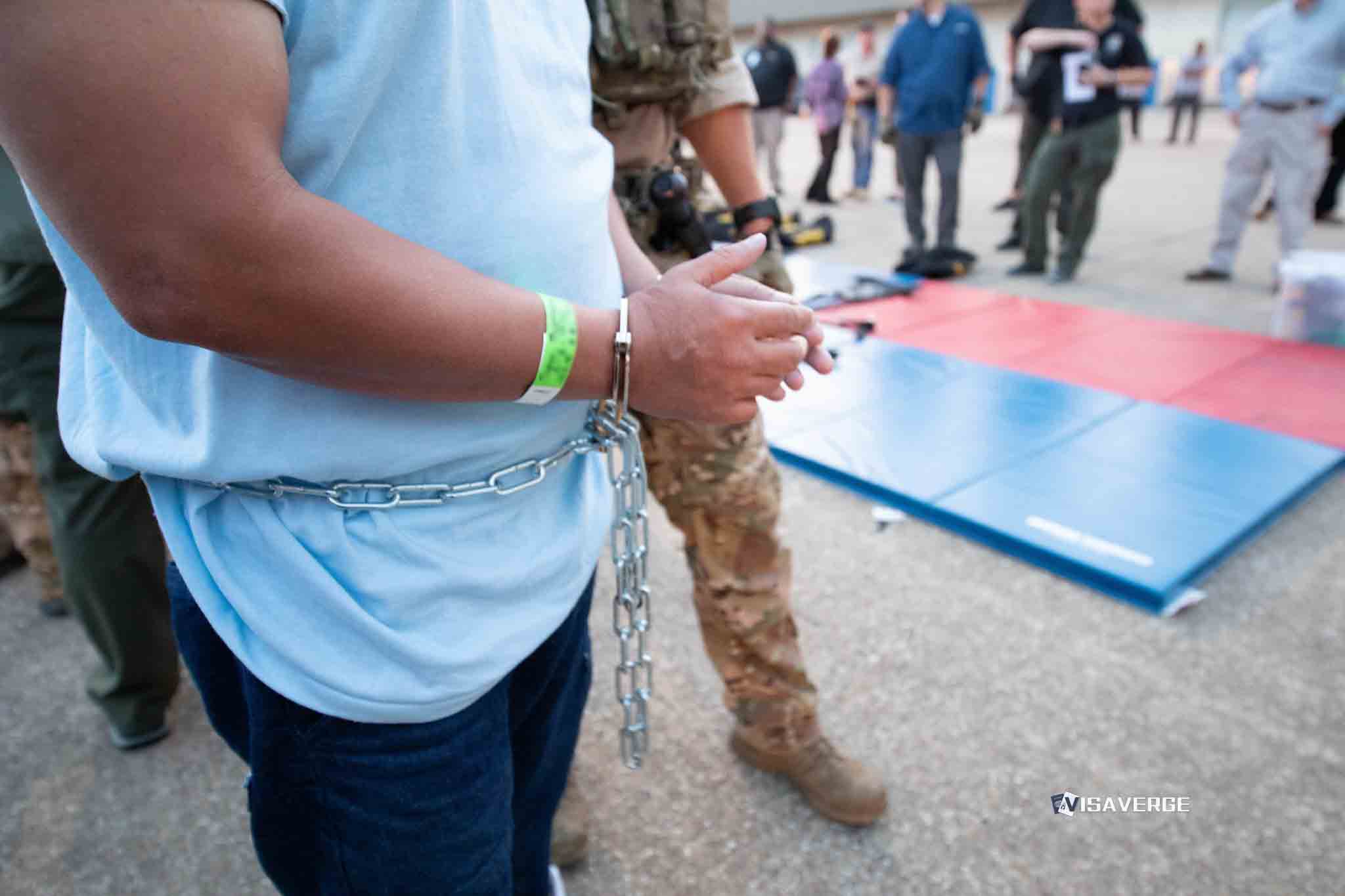
1) The core defense: maintain F-1 status, prevent SEVIS termination, and prepare for rapid response
For most F-1 students, the “relief option” is not a courtroom remedy at first. It is status triage: (1) avoid actions that cause a school to terminate the SEVIS record, (2) document continued eligibility, and (3) if status is lost, pursue reinstatement or another lawful pathway promptly. F-1 status is governed primarily by INA § 101(a)(15)(F) and 8 C.F.R. § 214.2(f), with schools acting through Designated School Officials (DSOs) as the first line of compliance.
A suspension alone does not automatically end F-1 status. But a suspension can lead to missed attendance, failure to maintain a full course of study, loss of enrollment, or inability to return to class. Those issues can, in turn, prompt SEVIS termination or prevent timely program completion. If law enforcement gets involved, an arrest or charges may also complicate travel, visa renewals, or future discretionary decisions.
Warning: If you are an F-1 student and your school threatens to withdraw you or terminate your SEVIS record, consult an experienced immigration attorney immediately. Small timing errors can have lasting consequences.
2) What federal messaging does—and does not—mean for student cases
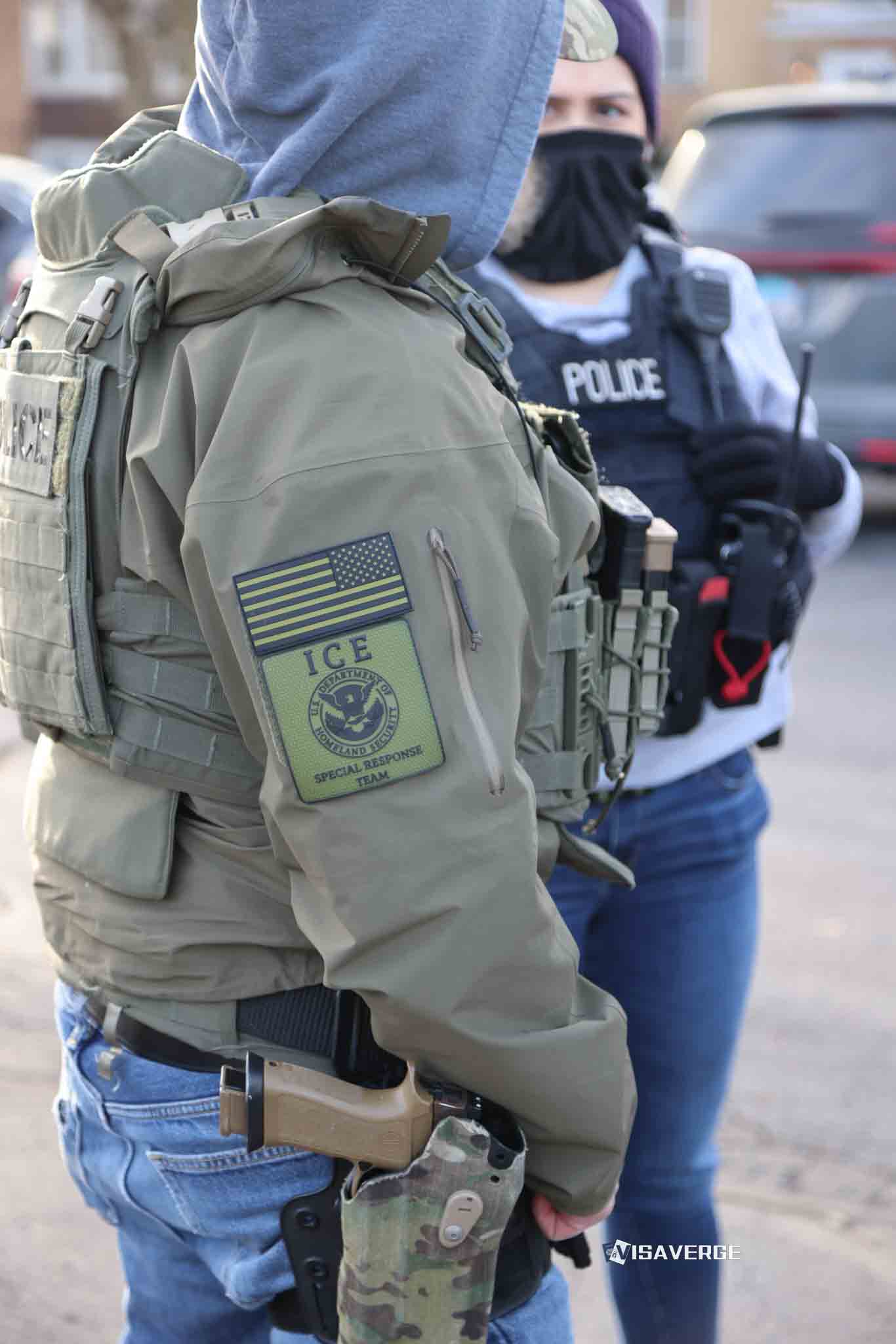
DHS messaging can shape local reactions, even when it does not change the legal rules for student benefits. DHS is the umbrella department. ICE generally handles interior enforcement and removal operations. CBP focuses on border and certain interior enforcement authorities. USCIS adjudicates immigration benefits, including change or extension requests for some nonimmigrants.
In recent statements described in official releases, DHS has framed protest-related incidents through public-safety language. DHS has also emphasized prosecution for assaulting or obstructing officers, and it has described enforcement activity as targeting serious offenders. Separately, officials have stated that the agency does not “raid” schools, while also referencing discretion to enter schools under certain directives in specific circumstances. Public statements can be misread as new policy. In practice, the controlling rules remain the statutes, regulations, and agency procedures.
3) Key incidents, scale, and discipline policies that can affect immigration posture
The wave of walkouts in early 2026 followed flashpoints in Minneapolis connected to “Operation Metro Surge,” including reported deaths of Renee Good (Jan. 7, 2026) and Alex Pretti (Jan. 24, 2026). Those incidents became organizing catalysts, including a “National Shutdown” day on Jan. 30, 2026, when LAUSD alone was estimated at 12,500 student walkouts, according to reports.
District discipline responses have varied sharply, and those differences matter. In Plainfield, Indiana, students were warned of three-day suspensions for leaving school during walkouts. In Redlands, California, approximately 450 students reportedly faced suspensions from sports, dances, and extracurriculars until completing Saturday school or community service. In Cobb County, Georgia, warnings reportedly included out-of-school suspensions and possible loss of parking and graduation privileges.
State-level intervention adds another pressure point. Reports described investigations and threats of state takeovers or funding consequences in Texas where officials alleged districts “facilitated” protests. For noncitizen students, these environments can increase the likelihood that routine school discipline becomes a recordkeeping problem, a transfer problem, or a status problem—especially if a school moves quickly to withdrawal.
4) Eligibility rules and procedural options for F-1 students who fall out of status
A. Reinstatement (often the first-line option) A student who violated status may request reinstatement under 8 C.F.R. § 214.2(f)(16) if they can show eligibility and credible reasons for the violation. Reinstatement is discretionary. Students generally must demonstrate they are currently pursuing, or intend to pursue, a full course of study, have not engaged in unauthorized employment, and that the violation resulted from circumstances beyond their control or a DSO error, or that denial would cause extreme hardship.
Historically, immigration adjudicators have treated student-status compliance strictly. In Matter of Yazdani, 17 I&N Dec. 626 (BIA 1981), the Board emphasized that nonimmigrants are expected to comply with the terms of their admission. While Yazdani predates modern SEVIS procedures, its theme—strict adherence—still influences how violations are viewed.
B. Change of status or other pathways Some students may pursue a different nonimmigrant status if eligible, or depart and seek a new visa abroad. Those choices carry travel and timing risks, including visa issuance discretion and inspection by CBP at reentry.
C. If enforcement escalates to removal proceedings If a student is placed in proceedings, defenses depend on the charge and the facts. Some may seek continuances to resolve criminal matters, seek termination if DHS cannot meet its burden, or pursue relief like asylum (INA § 208) in appropriate cases. These are complex and jurisdiction-dependent.
Deadline: Many school discipline processes have short appeal windows. Separately, SEVIS and reinstatement timing can be unforgiving. Act quickly once a suspension, withdrawal, or SEVIS action is threatened.
5) Evidence that typically strengthens an F-1 “status defense”
For reinstatement or to prevent SEVIS termination, documentation is often decisive. Useful evidence commonly includes:
- A DSO letter confirming SEVIS history, current eligibility, and whether the issue stems from discipline, withdrawal, or attendance.
- Proof of continued enrollment or a concrete re-enrollment plan, including class schedules and tuition payment records.
- Attendance records and written explanations for absences, including suspension notices and reinstatement terms.
- Disciplinary documents showing the basis for the suspension and the steps taken to return to good standing.
- If there was an arrest: certified court dockets, charge dispositions, and—when appropriate—attorney letters explaining the posture of the case.
- Personal declaration describing events, emphasizing compliance intent and steps taken to correct the issue.
This is where representation matters. An attorney can coordinate the school record, criminal defense record, and immigration posture so that one system does not inadvertently harm the other.
6) Factors that strengthen—or weaken—student cases after walkouts
Cases tend to be stronger when the student remained academically engaged, avoided violence or property damage, and promptly complied with school remediation (Saturday school, community service, or restorative processes). Clear documentation that the student can resume a full course of study is often key.
Cases can weaken when there are gaps in enrollment, multiple status violations, or inconsistent explanations across school and legal records. Travel during uncertainty can also create problems, because CBP may ask about enrollment and status at the port of entry. Social media posts can become relevant too, not because protest is illegal, but because they may be used to allege intent to disrupt school operations or to justify harsher school consequences.
Warning: Do not assume that “school discipline is separate from immigration.” For F-1 students, enrollment and attendance are often the core of lawful status.
7) Bars and disqualifiers to keep in view
Some issues can directly block reinstatement or trigger enforcement attention. A common barrier is unauthorized employment, which can make reinstatement far harder. Certain criminal charges can also create separate immigration consequences, depending on the statute and disposition. Even without a conviction, arrests can affect discretionary decisions, including visa renewals.
Also remember the agency distinction. USCIS does not police protest activity as such. But USCIS can deny a discretionary request if the record raises credibility or eligibility issues. ICE and CBP operate in enforcement and inspection lanes, with different authorities and different decision points.
8) Realistic expectations and why counsel is critical
Most students will not face immigration court solely because they joined a walkout. But the combination of discipline, missed attendance, withdrawal, or a terminated SEVIS record can trigger cascading consequences. Reinstatement may be granted when a student moves quickly, presents consistent evidence, and has a credible explanation. It may be denied when the record suggests ongoing noncompliance or unauthorized work. Outcomes are fact-specific, and practices can vary by region and by school policies.
Given the heightened attention in communities reporting federal activity near schools, students and families should treat status questions as urgent. A qualified immigration attorney can assess SEVIS posture, coordinate with the DSO, advise on travel risk, and—if there is a criminal case—work alongside defense counsel to reduce immigration fallout.
9) Official government sources and references
The following primary sources are where readers can find official statements, releases, and oversight materials referenced in this guide:
- Department of Homeland Security Newsroom
- U.S. House of Representatives – Oversight Report
- ICE Official Statements
- Texas Education Agency Guidance
Legal resources
- AILA Lawyer Referral
Legal Disclaimer: This article provides general information about immigration law and is not legal advice. Immigration cases are highly fact-specific, and laws vary by jurisdiction. Consult a qualified immigration attorney for advice about your specific situation.