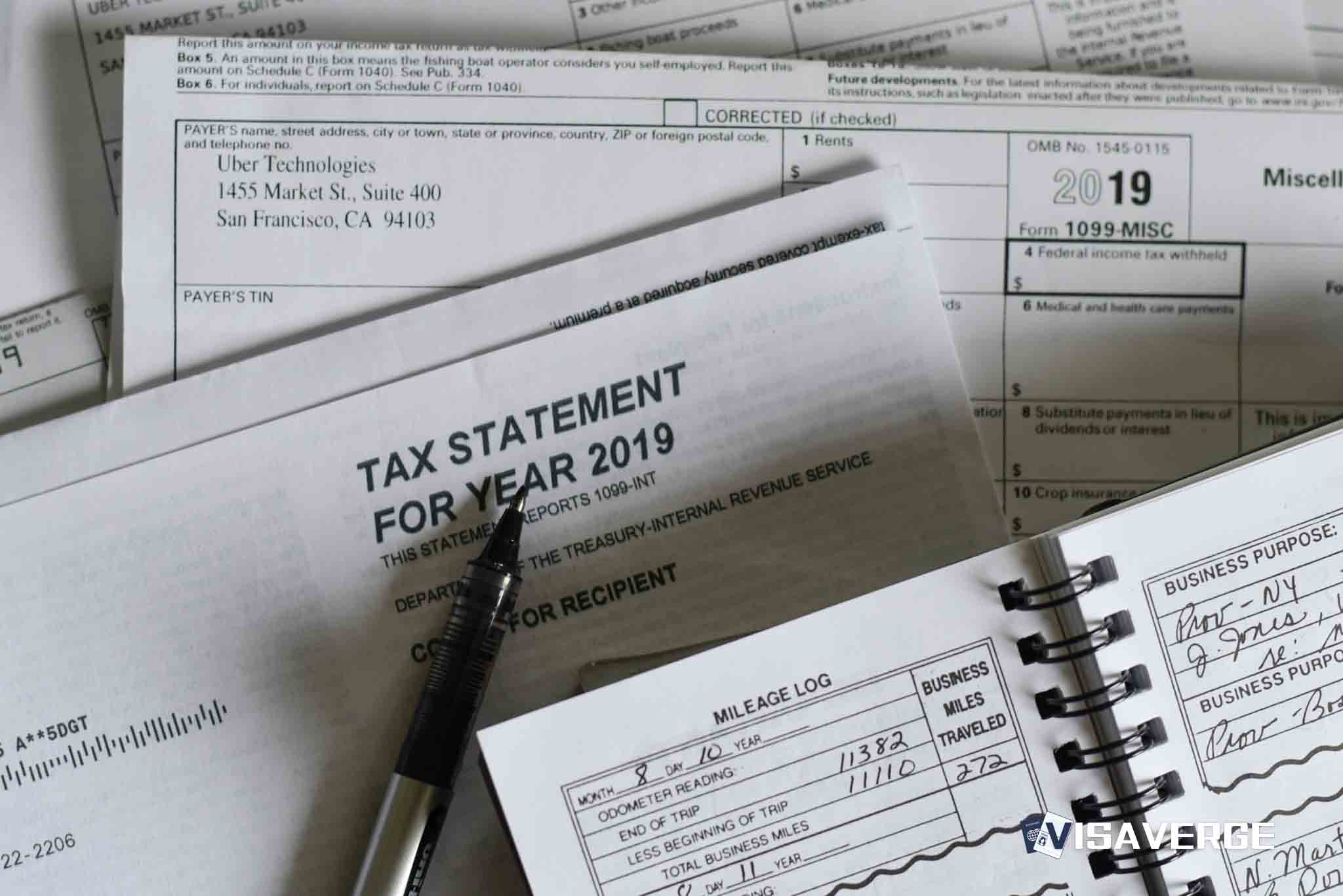
- F-1 students must meet the April 15 deadline if they earned U.S. wages during 2025.
- Students without income still need to file Form 8843 by the June 15, 2026 deadline.
- Recent updates to IRS Publication 901 have altered treaty benefits for several countries.
(UNITED STATES) — International students on F-1 status have two tax deadlines coming up in 2026, and missing them can lead to IRS penalties, treaty disclosure problems, and added immigration scrutiny for some students using OPT.
As of April 1, 2026, the most important dates are April 15, 2026 for many 2025 federal tax returns and June 15, 2026 for certain students who only need to file Form 8843. The main IRS references are IRS Publication 901 and IRS Publication 519.

International students often focus on tuition, work authorization, and visa compliance first. Tax filing is easy to miss. But treaty claims, OPT income, and FICA rules all connect to your federal return.
Deadline summary for international students
| Tax Event | Who It Affects | Deadline | Extension Available |
|---|---|---|---|
| Form 1040-NR for tax year 2025 | Nonresident aliens with wages subject to withholding | April 15, 2026 | Yes, generally to October 15, 2026 with Form 4868 |
| Form 8843 only | F-1 or J-1 students with no U.S. wages and no return filing requirement | June 15, 2026 | No standard automatic extension if filed alone |
| FBAR (FinCEN Form 114) | Anyone with foreign accounts over $10,000 aggregate at any time | April 15, 2026 | Automatic to October 15, 2026 |
📅 Deadline Alert: If you earned U.S. wages in 2025, your Form 1040-NR is generally due by April 15, 2026. Filing late can trigger penalties and interest.
Why Tax Treaty Benefits matter in 2026
Tax Treaty Benefits can reduce or eliminate U.S. federal income tax on certain wages, scholarships, or training income. The rules depend on your country of residence before coming to the United States.
The IRS explains these rules in Publication 901 (U.S. Tax Treaties) and Publication 519 (U.S. Tax Guide for Aliens). Students claiming treaty positions should also review the IRS treaty claims guidance and compare it against their visa status and days in the United States.
This matters even more in 2026 because early-year policy shifts have put extra attention on student employment. DHS said on January 9, 2026, in a letter made public on February 26, 2026, that it is re-evaluating whether the OPT framework serves labor market, tax, and national security interests.
USCIS also paused adjudication of certain benefits, including some Form I-765 requests for OPT, for nationals of 39 designated high-risk countries starting January 1, 2026. On March 23, 2026, SEVP also warned schools to watch for fraud involving some STEM OPT employers.
Country highlights from IRS Publication 901
The IRS updated Publication 901 on January 23, 2026. A few treaty rules stand out for students:
- China, Article 20: Students and trainees may exclude up to $5,000 per year of personal services income.
- This China benefit can remain available even after the student becomes a resident alien for tax purposes.
- India, Article 21(2): Indian students may be allowed to claim the standard deduction on a federal return.
- Russia: Major treaty provisions remain suspended since August 16, 2024. Many student treaty exemptions are generally unavailable.
- Hungary: The U.S.-Hungary treaty ended effective January 1, 2024. It is not active for 2026 filing purposes.
Students should verify treaty language in IRS Publication 901 before claiming an exemption. A treaty article that applied two years ago may no longer apply now.
What happens if you miss the filing deadline
If you owe tax and file Form 1040-NR late, the IRS can charge:
- A failure-to-file penalty, generally 5% of unpaid tax per month, up to 25%
- A failure-to-pay penalty, generally 0.5% of unpaid tax per month
- Interest on unpaid balances
If you claim a treaty position, reporting still matters. In many cases, treaty-exempt income must be disclosed on Form 1040-NR and Form 8833. For individuals, the penalty for failing to file Form 8833 when required can be $1,000.
⚠️ Warning: A treaty benefit does not always erase your filing duty. Students who had exempt income may still need Form 1040-NR, Form 8833, or Form 8843.
For Form 8843, the issue is different. Many students with no income assume they do not need to file anything. That is often wrong. F-1 students usually file Form 8843 to explain their exempt status under the substantial presence rules in Publication 519.
OPT, FICA, and processing costs
Students on OPT often ask whether treaty benefits and payroll tax rules are the same. They are not.
During your first five calendar years in F-1 or J-1 status, you are generally exempt from Social Security and Medicare taxes if you remain a nonresident alien. That FICA rule is separate from income tax treaty rules.
OPT workers should also budget for USCIS costs. Effective March 1, 2026, premium processing for Form I-765 rose to $1,780. Students facing travel, work start dates, or a tax deadlines crunch should account for that added cost.
Special circumstances and practical next steps
No broad IRS disaster relief tied specifically to international students had been announced as of April 1, 2026. Students in federally declared disaster areas should still check IRS.gov/newsroom for location-based extensions.
Before filing, gather these records:
- Passport, visa, and entry dates
- Form W-2 and any 1042-S
- Prior-year returns
- Bank records for any FBAR filing duty
- Your treaty article from IRS Publication 901
- School and employment records tied to OPT rules
If you had wages in 2025, review Form 1040-NR now. If you had no wages, confirm whether Form 8843 is due by June 15, 2026. If you are from China, India, Russia, or Hungary, check treaty status before you file. If you changed status, worked on OPT, or plan to claim a treaty article, review Publication 519, Publication 901, and consider professional help before the deadline.
⚠️ Disclaimer: This article is for informational purposes only and does not constitute tax, legal, or financial advice. Tax situations vary based on individual circumstances. Consult a qualified tax professional or CPA for guidance specific to your situation.