- DHS is introducing Form I-936 to allow applicants to request waivers for mandatory electronic filing starting August 2026.
- The waiver costs twenty-five dollars for most, with specific fee exemptions available for humanitarian categories like VAWA self-petitioners.
- USCIS estimates the shift to digital will save five hundred eighteen million dollars annually in processing and labor costs.
The Department of Homeland Security is creating a $25 route for applicants who face undue hardship using required online immigration filing systems. The new Form I-936, Request for Waiver of E-Filing Requirement, lets eligible filers seek a temporary exemption.
DHS announced the change August 10, 2026, through an Interim Final Rule titled “Mandatory Electronic Filing (E-Filing).” The rule is scheduled to take effect August 11, 2026.
Free toolI-94 Expiration Calculator Online
The rule gives U.S. Citizenship and Immigration Services authority to require electronic submission for any immigration form that has been available online for at least 180 days. USCIS must post a notice on its website at least 60 days before requiring online filing for a particular form or group of filers.
The waiver is not automatic. USCIS will decide requests individually, and an approved waiver generally lasts 30 days and covers only the specific form named in the request.
A basic lack of online-filing experience will usually fall short. USCIS said, “lack of familiarity with online filing alone will generally not qualify for a waiver.”
The waiver costs $25, but some humanitarian applicants can avoid the fee
Most applicants seeking an exemption must pay the $25 filing fee. DHS also provides fee waivers for several humanitarian categories.
Those categories include:
- Violence Against Women Act self-petitioners;
- Applicants for T nonimmigrant status;
- Applicants for U nonimmigrant status;
- Temporary Protected Status applicants; and
- Certain battered spouses.
The T and U categories cover victims of trafficking and crime. The humanitarian exemptions remove the fee requirement, but they do not turn the waiver into an automatic approval.
Applicants still must show undue hardship. The agency will review each request on its own facts.
USCIS can target forms already available online
At the time of the rule’s release, 22 forms had already met the 180-day threshold for possible mandatory online filing. The list includes several widely used immigration forms.
| Form | Immigration filing |
|---|---|
I-130 | Petition for Alien Relative |
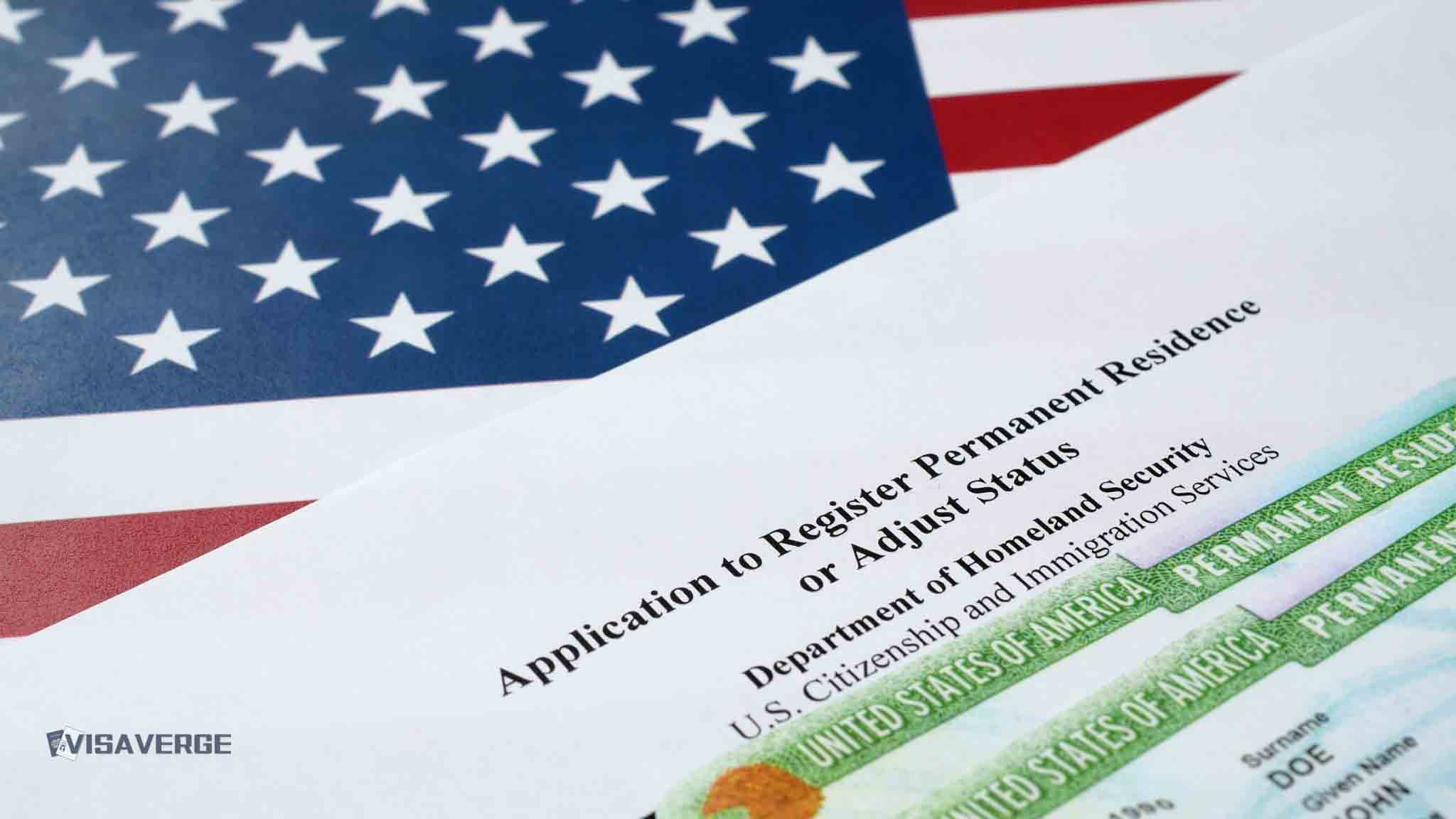
I-485 | Application to Register Permanent Residence or Adjust Status |
I-765 | Application for Employment Authorization |
N-400 | Application for Naturalization |
I-539 | Application to Extend/Change Nonimmigrant Status |
Meeting the threshold does not itself mean every listed form immediately becomes online-only. USCIS must provide the required advance notice before applying the electronic requirement to a specific form or category of filers.
That notice period gives applicants time to identify the correct filing method. It also creates a window to request an exemption when digital submission would cause undue hardship.
DHS points to paper-processing costs and projected savings
DHS said the shift is intended to “improve processing efficiency, reduce operational costs, strengthen fraud detection capabilities, and enhance national security screening.”
The department tied the policy to USCIS paper-processing expenses. In fiscal year 2025, USCIS processed more than 452 million pages for paper filings, according to the figures cited in the rule. Labor costs reached approximately $253 million, while postage cost $10.9 million.
The rule estimates $518 million in annual net savings for applicants. DHS attributes the projected savings to less paperwork and fewer rejected filings.
The digital-first approach also carries a new recurring administrative task: applicants who cannot use the online system may need to seek a separate waiver before filing the underlying immigration benefit request.
About 249,000 people could seek waivers each year
DHS estimates that roughly 249,000 individuals may request an electronic-filing waiver annually. That estimate covers people expected to use the new waiver process as online filing expands.
The short validity period limits the waiver’s reach. An approval generally lasts 30 days, and it applies only to the particular form requested rather than to all future immigration filings.
Applicants therefore must match the waiver request to the filing that presents the hardship. A waiver granted for one form does not generally extend to another form.
Public comments remain open through October 13
The rule is open for public comment through October 13, 2026. Comments should identify Docket No. USCIS-2026-0232, the docket number assigned to the rule.
DHS published the rule through the Federal Register, identified as CIS No. 2853-26 and DHS Docket No. USCIS-2026-0232. USCIS also posted information in its newsroom.
Applicants should check USCIS notices before sending a paper filing or preparing a waiver request. Filing requirements, fees and processing times are subject to change, so applicants should verify current information at uscis.gov.