- DHS proposes buying a new warehouse in Ashland, Virginia, for ICE processing and holding operations.
- The Lewistown 95 Logistics Center would require significant security modifications to support federal custody functions.
- Developer Jim Pattison claims unawareness of DHS intent regarding ICE use prior to accepting the sale contract.
(ASHLAND, VIRGINIA) — U.S. Immigration and Customs Enforcement has proposed buying a newly built warehouse in Ashland, Virginia, from Jim Pattison Developments and converting it into an immigrant processing and holding facility, according to details released by the Department of Homeland Security and local officials.
The property, known as the Lewistown 95 Logistics Center, sits in Hanover County and has been marketed as a distribution-style site. DHS outlined plans to adapt the building and grounds to support ICE operations, including changes that would reshape traffic patterns, perimeter security, lighting and access control around the warehouse complex.
What DHS and ICE would do
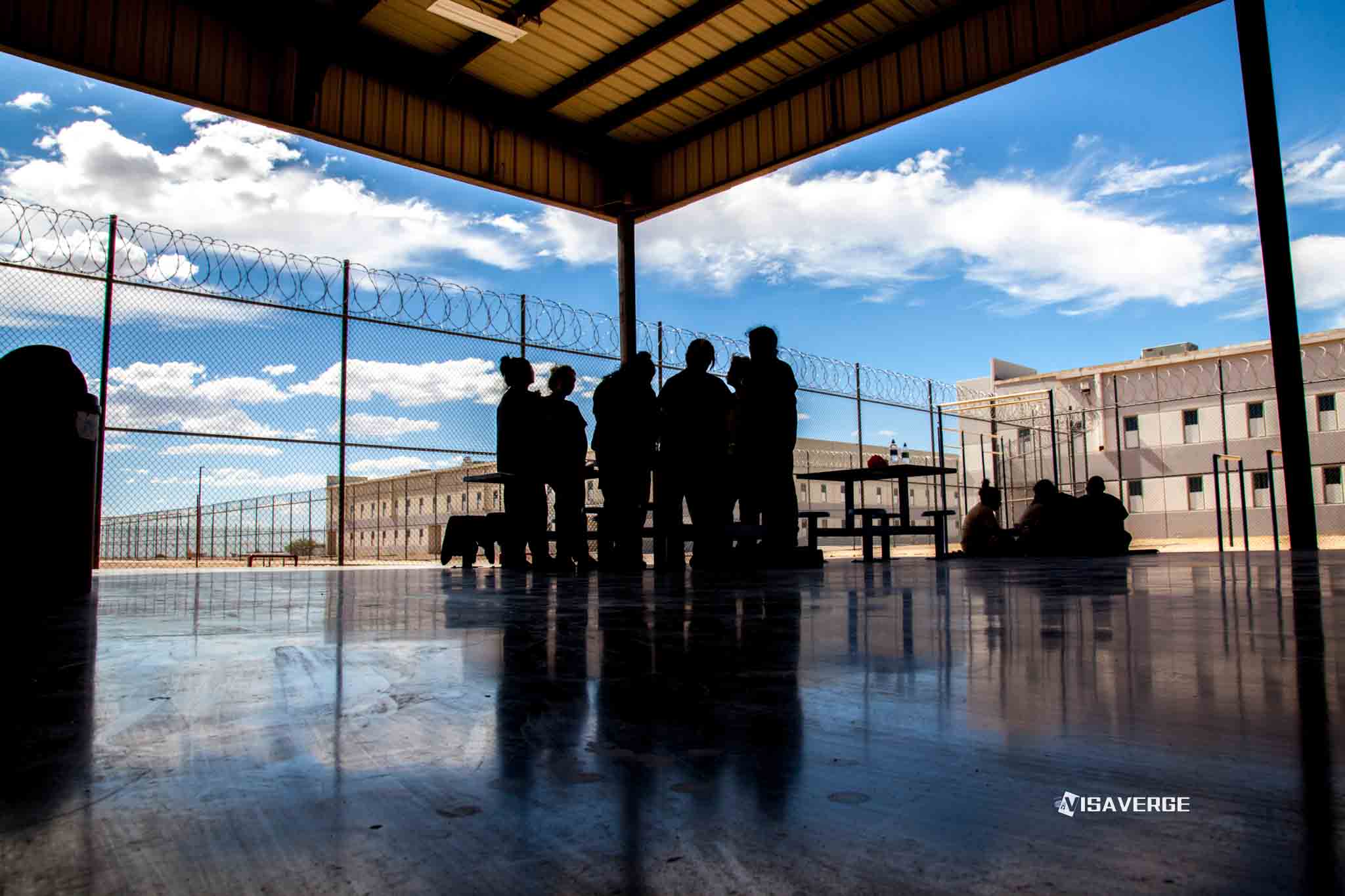
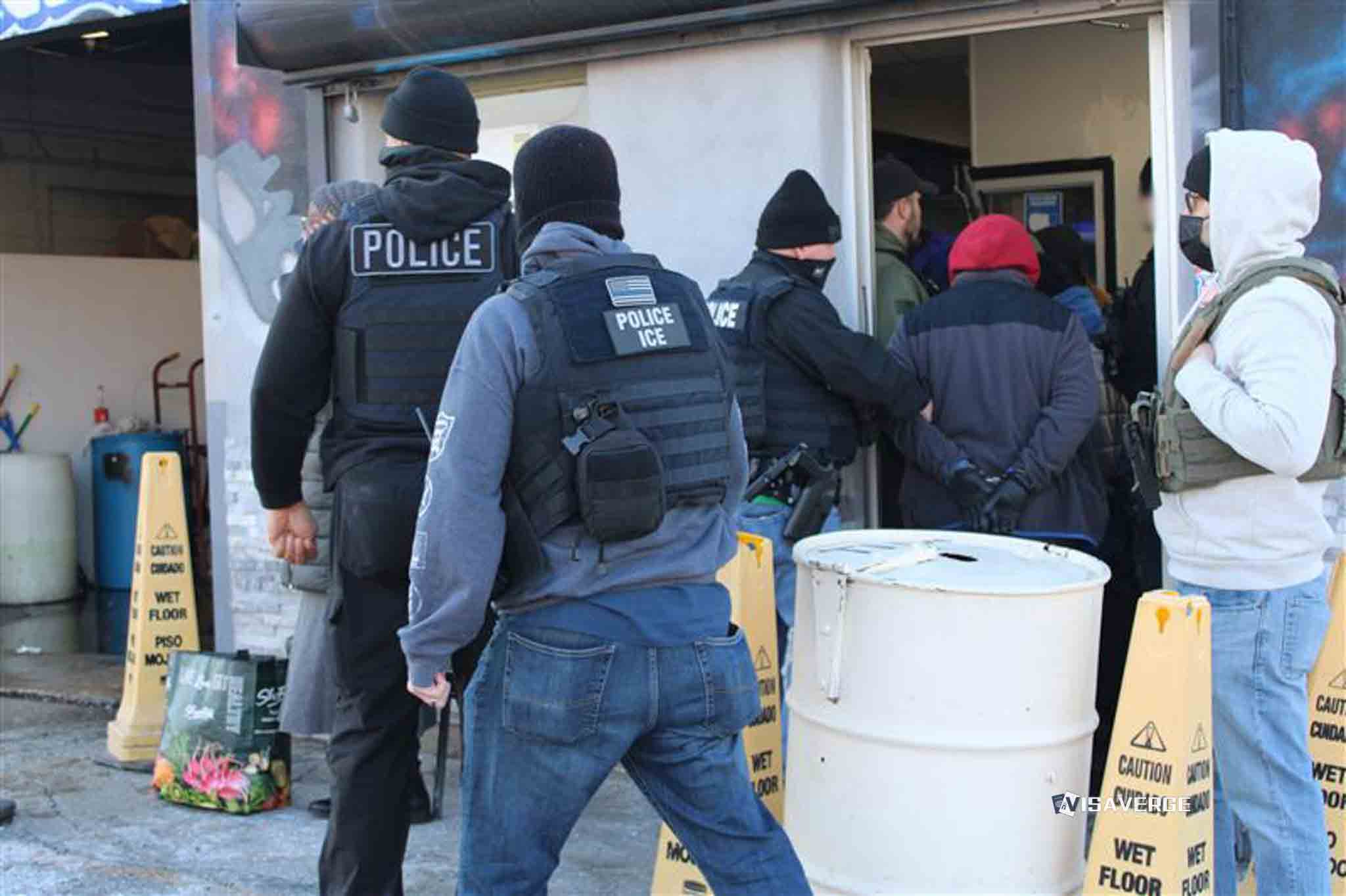
ICE operates under DHS and typically uses “processing and holding” sites to handle intake and screening after an arrest, place people in short-term custody, and coordinate transportation and transfers. A conversion from logistics space to custodial space can also require segregation of areas, controlled entry points, and interior layouts suited to holding and processing functions.
DHS signaled that the site would require modifications and operational features associated with custody and processing, without disclosing key operational details. Hanover County officials said the letter did not include specifics on capacity, how long people might be held, staffing, or a timeline for any start of operations.
Why a warehouse was considered
The proposal has placed a Canadian corporate name into a Virginia land-use and immigration debate because Jim Pattison Developments is tied to Vancouver-based billionaire Jim Pattison. The property’s location in Ashland has also focused attention on how quickly a large warehouse can be repurposed compared with building a purpose-built facility from scratch.
Warehouse conversions can appeal to federal planners because the buildings already have large footprints, substantial utility infrastructure, loading areas and road access. Those same features can drive local concerns, because custody operations can bring new security perimeters, exterior lighting, vehicle circulation for transports, and changes in how nearby roads and emergency services are used.
- Large open floor plates and loading bays
- Existing industrial utilities and road access
- Potential for quick repurposing versus building new
Local response and consultation
Hanover County received DHS outreach in late January and set a limited response window under its process for tracking communications tied to potential site changes. County officials discussed the letter during a Board of Supervisors meeting held in late January, with the county noting the meeting was weather permitting.
DHS also consulted the Virginia Department of Historic Resources and tribal nations, including the Pamunkey and the Upper Mattaponi. Such consultations generally address whether proposed actions could affect cultural resources or historic properties and what steps might be required before certain work proceeds.
Consultations with state and tribal authorities typically focus on cultural and historic resource impacts and any mitigation or review steps required before work begins.
Ownership, disclosure and public reaction
The building’s commercial origins help explain why the site drew interest for a quick conversion. It has been positioned as a distribution center and has a prior association with Genpak, a food packaging facility owned by Pattison Group, suggesting a layout designed for freight movement, large open interior areas, and industrial utilities rather than custody operations.
Ownership history and valuation have become part of the public argument because they shape questions about intent, disclosure, and how the site fits into local tax and land-use discussions. A large gap between what a property sold for and how it is assessed later can also sharpen perceptions in a controversy, even when assessment practices and market conditions vary.
Jim Pattison Developments said it accepted a contract to sell the site without knowing DHS intended it for ICE use, and learned of that purpose later. A company representative emphasized that point in statements to media as criticism grew.
That claim matters because opponents often try to influence large transactions by applying pressure to the seller, while supporters focus on whether the federal government can secure space quickly for enforcement needs. In many siting disputes, public pressure can affect private parties, but it does not itself determine what federal agencies pursue or what local permits might be required.
Political reactions
Elected officials have also begun to stake out positions that reflect differing levers of authority. Some lawmakers can influence funding, demand oversight, or press for details, while local governments often focus on zoning, permitting, traffic, and public safety coordination depending on how a project is structured.
Republican Congressman Rob Wittman, who represents Virginia’s 1st District, linked his response to broader enforcement and funding debates. “Public safety and the rule of law are imperative. I have been in contact with the Department of Homeland Security about these recent reports. I will continue to monitor the situation,” Wittman said.
Wittman supported DHS funding bills, while Virginia Democrats, including Congresswoman Jennifer McClellan, opposed them. Those votes reflect a wider split in Washington over immigration enforcement resources and detention infrastructure, even as local communities weigh the immediate effects of potential facilities in their jurisdictions.
Public protests and wider reporting
Protests and online backlash have emerged on both sides of the U.S.-Canada border, the reporting said. CBC, in a report published Thursday, highlighted chants and calls for Pattison to reconsider the sale.
The proposed Ashland site also fits into a broader national push described in late 2025 reporting by The Washington Post, which said the Trump administration planned to repurpose warehouses into large-scale detention sites. That plan was described as scaling detention through a “feeder system,” with people processed for weeks before transfers to larger sites for deportations.
The same Washington Post report described a separate, linked proposal in Stafford County, Virginia, for a large detention center. It also said Stafford officials had not yet received a formal proposal, underscoring the difference between reported planning concepts and the arrival of concrete filings in a specific jurisdiction.
Logistics, operations and unanswered questions
Geography and logistics sit at the center of why warehouse conversions surface in immigration enforcement discussions. Transport corridors, proximity to courts, and links to existing detention networks can shape how quickly a federal agency can move people through intake, custody decisions, transfers and deportation logistics, even when the public has few details about day-to-day operations.
The building itself is recent, with construction completed in 2024, and its design reflects warehouse priorities rather than custodial needs. Distribution centers typically prioritize open floor plates, efficient egress for workers, loading bays and storage volume, while custody and processing settings require layered security, controlled movement and spaces for medical screening and privacy-sensitive procedures.
A “new build” does not automatically mean a site is ready for detention-related use. Even with modern systems, a facility used for holding and processing can require different life-safety planning, staff areas, monitoring, hygiene infrastructure, and compliance work tailored to custody operations rather than commercial logistics.
Many of the most material questions for Hanover County residents remain unanswered in the information described so far. Capacity, average length of stay, staffing plans, contractor roles and daily transportation routes affect everything from traffic volumes and emergency response demand to detainee welfare and oversight access.
Medical and mental-health provisions, complaint mechanisms and who can enter to inspect operations often shape how communities assess risk and accountability. They also affect how lawyers, advocates and elected officials frame oversight requests, because a short-term processing model can look very different from a longer-term detention footprint.
What happens next typically turns on paper trails and process milestones rather than rhetoric. Communities often look for formal filings, contracts, procurement notices, permit applications, and environmental or historic review steps, as well as scheduled public meetings where agencies and local officials face detailed questions.
Current status
For now, DHS has put a specific site in Ashland into play for an immigrant processing and holding facility while leaving critical operational details undisclosed. “Public safety and the rule of law are imperative. I have been in contact with the Department of Homeland Security about these recent reports. I will continue to monitor the situation,” Wittman said.