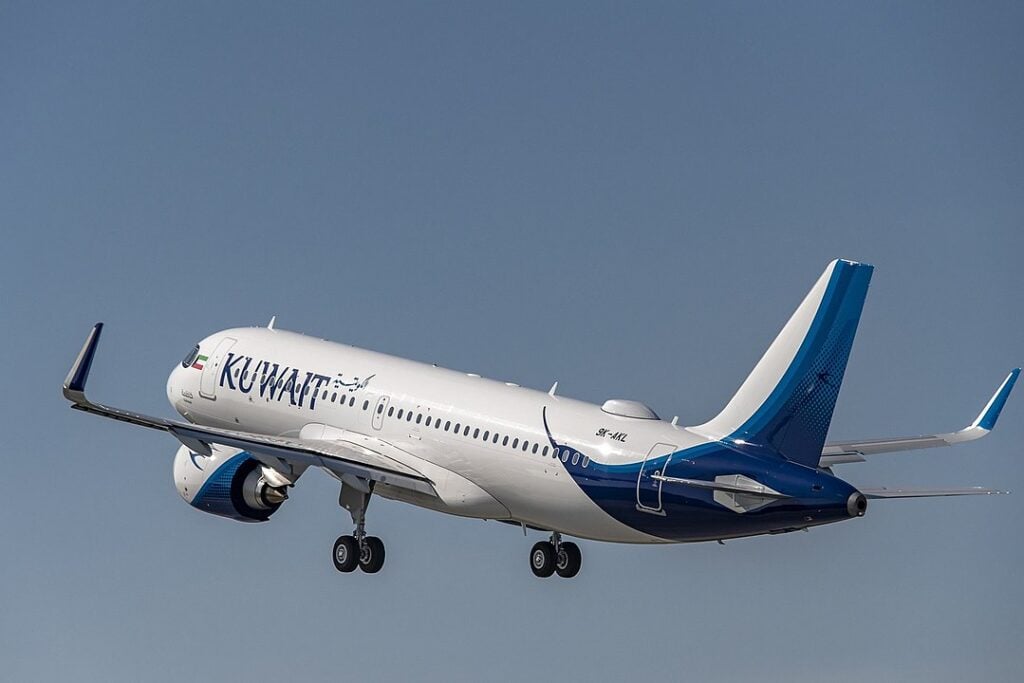
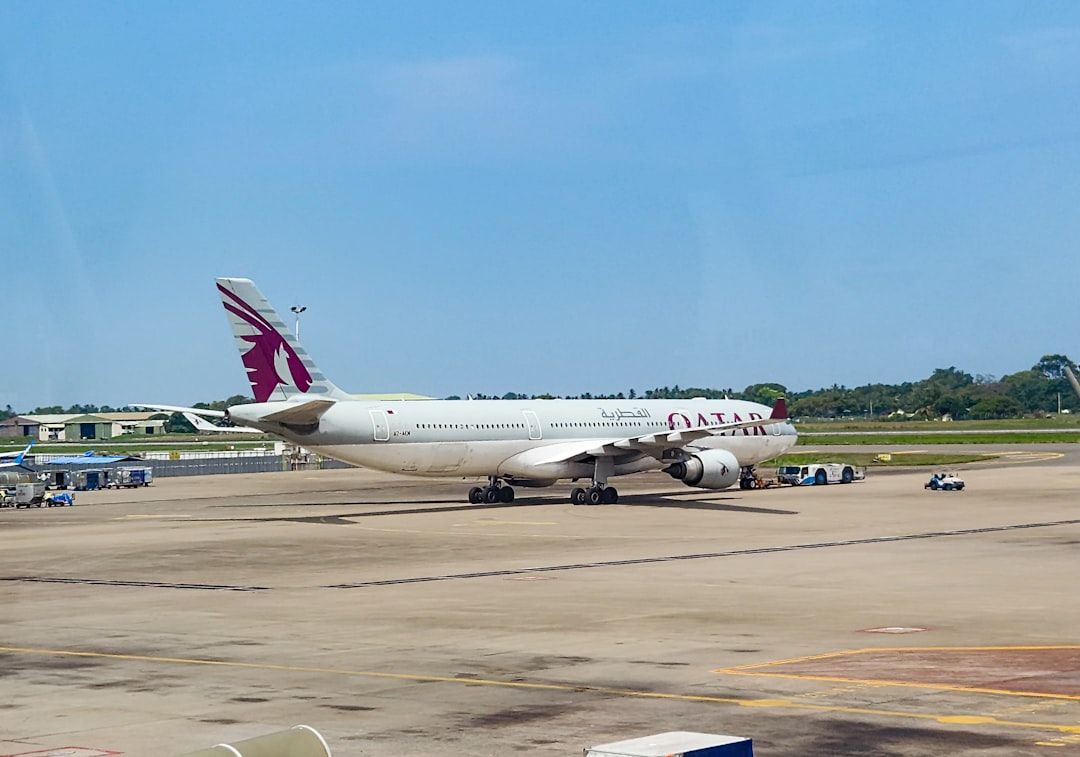
- GCC leaders approved a Unified Civil Aviation Authority to centralize regional oversight and technical standards.
- The new authority, headquartered in the UAE, aims to reduce operational friction for seventeen state-run airlines.
- Travelers may eventually see smoother transfers and consistent rules across Bahrain, Kuwait, Oman, Qatar, Saudi, and UAE.
(BAHRAIN) — The GCC just approved a Unified Civil Aviation Authority, and it could make Gulf aviation feel more “single-market” over time. For your next Canada–GCC trip, that matters most in one place: smoother, more consistent rules behind the scenes, which can translate into fewer operational headaches and better connections.
If you’re choosing flights today, my quick recommendation is simple. Pick Emirates via Dubai when you want the easiest Canada-to-Gulf option with a strong onboard product. Pick Qatar Airways via Doha when you care most about award-seat flexibility through partners.

Consider Saudia via Riyadh/Jeddah when price is your top priority, and you can be flexible.
| Category | Emirates via Dubai (DXB) | Qatar Airways via Doha (DOH) | Saudia via Riyadh/Jeddah (RUH/JED) |
|---|---|---|---|
| Best for | Nonstop Canada–Gulf, premium experience | Partner redemptions, global connections | Sales, certain secondary connections |
| Typical Canada positioning | Strong nonstop presence on select city pairs | Usually one-stop via Europe or U.S./Canada partners, then DOH | Often one-stop via partners, then RUH/JED |
| Loyalty sweet spot (Canada-based) | Emirates Skywards can be pricey, but direct | Avios partners can be efficient on some dates | SkyTeam partners can work, but varies widely |
| Upgrade game | Good paid upgrade offers at times | Strong premium cabin, upgrades depend on fare | Can be good value, but rules vary by fare |
| Connection experience | DXB is big, efficient, can be long walks | DOH is compact and premium-feeling | RUH/JED are improving, but patterns vary |
| Risk factors | DXB peak banks can be crowded | Fewer true nonstops from Canada | Fewer “sure thing” routes from Canada |
| Who wins “set-and-forget” booking | Emirates | Qatar Airways | Emirates (or Saudia if price rules all) |
1) Overview: GCC Unified Civil Aviation Authority — what it is, and what it isn’t
The headline change is political and regulatory, not a new airline route. On Dec. 3, 2025, the 46th GCC Summit in Bahrain approved the creation of a Unified Civil Aviation Authority for the six-member bloc.
Those six states are Bahrain, Kuwait, Oman, Qatar, Saudi Arabia, and the United Arab Emirates. The plan is regional by design, aiming for common approaches across borders.
The authority will be headquartered in the UAE. That signals a practical operational choice, given the UAE’s deep aviation bench and hub scale.
At a high level, this body is meant to coordinate:
- aviation policy development
- technical alignment across states
- safety oversight approaches
- certification pathways
- air navigation procedures
What it won’t do is replace every national regulator overnight. National civil aviation authorities and transport ministries still exist.
They will keep day-to-day control, while coordinating with the unified body. For travelers, that distinction matters. Your ticket rules, entry rules, and compensation expectations won’t “flip” on one announcement.
2) Scope, objectives, and the real-world impact on flights you book
The GCC’s aviation system is huge, even before you add connecting traffic. The bloc includes 20+ international airports and 17 state-run airlines. It handled about 68 million passengers in the prior year.
Today, fragmentation shows up in boring but costly ways. Airlines face repeated audits, duplicated approvals, and country-by-country operating requirements. Airports can face inconsistent technical standards.
Air navigation procedures can vary more than you’d expect inside one region. If the Unified Civil Aviation Authority succeeds, you should expect gradual change in three areas.
1) Fewer duplicated processes for airlines
This can reduce repetitive checks and paperwork. It also frees airline teams to focus on operations and reliability.
That matters for you because reliability is often won in the back office. Better standardization can mean fewer last-minute snags with aircraft approvals, training sign-offs, and operating authorizations.
2) More consistent safety management and certification logic
Gulf carriers already score well globally. The goal here is consistency and scalability as traffic rises.
For travelers, the best outcome is boring. It’s fewer irregular operations caused by procedural mismatches.
3) Over time, more aligned passenger-facing rules
This is the part people jump to first. It is also the slowest.
Aviation harmonization can eventually shape:
- disruption handling expectations
- service minimums
- consumer protection frameworks
But each state still decides what it adopts. Expect a phased approach, not a single GCC-wide rulebook in 2026.
Competitive context matters here. The EU’s aviation framework is the clearest comparison. North America is closer to “coordinated, but separate.” The GCC is aiming for more bloc-style coordination, without instantly rewriting national systems.
3) Complementary initiatives accompanying the authority
The unified authority did not arrive alone. It was approved alongside a broader mobility push, including a GCC railway project intended to link member states.
That’s not just a nice infrastructure headline. It’s a reminder that the Gulf is building a multi-mode network. Aviation remains the backbone for long-haul. Rail can change short-haul demand, airport catchment areas, and hub flows.
The more immediate traveler-facing pilot is “One-Stop Travel,” launched in December 2025 between the UAE and Bahrain. The concept is simple: eligible travelers complete immigration and security only at departure, then move through arrival with fewer formalities.
If it expands, this could reduce connection stress on certain itineraries. It could also tighten minimum connection times on paper, if airports and regulators allow it.
For Canadians connecting through the Gulf, the first benefits will likely be indirect. Think smoother transfers when your itinerary includes short intra-GCC hops.
This is also where documentation discipline matters most, especially with multi-country itineraries and tight connections. Keep your documents organized, and expect phased eligibility as the program expands.
4) Implementation timeline and the hurdles that decide speed
The GCC expects foundational regulations and early workstreams in Q1 2026. That is soon on paper, but it is not “fully unified aviation” in weeks.
⚠️ Heads Up: Watch Q1 2026 for the first framework releases. Practical traveler changes usually lag regulatory announcements.
The hardest parts are not press-release topics. They are legal alignment and enforcement reality.
National coordination is the core challenge
The UAE’s GCAA, for example, already has mature systems. Every member state has its own market structure and priorities. The unified authority must fit into those structures without breaking them.
Standardizing air navigation procedures is technical and sensitive
Airspace management touches defense, sovereignty, and capacity planning. It also touches delay performance.
Even small procedural alignment can take time. It needs training, system changes, and audits.
Certification pathways take time to reconcile
Aircraft approvals, maintenance oversight, and training standards have deep institutional roots. A shared framework can reduce duplication, but only after states agree on mutual recognition logic.
Future-proofing adds complexity
Advanced air mobility concepts are already on the table. So are data-sharing rules and governance.
If you want a practical expectation: 2026 is likely about building the framework. The more visible passenger changes tend to be second-wave effects.
5) Why this matters for Dubai, hub competition, and Canada-bound travelers
The GCC is framing this as a bloc play, and that has real implications for hubs like Dubai.
In aviation, bloc effects often show up as:
- shared standards that reduce airline friction
- coordinated capacity thinking across airports
- stronger positioning in global negotiations and safety credibility
For Canada, the Gulf is not just “a place to visit.” It’s a connector to South Asia, the Middle East, and parts of Africa.
When the Gulf system runs smoothly, your one-stop itinerary becomes more dependable. When standards and procedures vary too much, missed connections and reaccommodation become more chaotic.
Cargo is another underappreciated angle. Stronger coordination can support trade flows, which can support passenger route economics. That can help keep year-round service viable, not just seasonal peaks.
Employment and tourism follow the same logic. More consistent regional rules can support more stable growth, which tends to show up as more frequencies and better schedules.
6) What airlines, airports, and frequent flyers are watching next
Industry groups are signaling support. Kamil Alawadhi, IATA’s regional vice president for Africa and the Middle East, called the move a “landmark step,” pointing to fewer redundant audits. Stefano Baronci of ACI Asia-Pacific & Middle East framed it as a “historic milestone” for coordinated development.
Those endorsements matter because IATA and ACI tend to focus on implementation reality. They care about standard processes, predictable oversight, and scalable growth.
What airlines and airports likely care about first
- One audit framework that reduces repeat inspections
- Common technical and training baselines
- Faster, clearer approvals for cross-border operations
- More predictable air navigation procedures
What you should care about as a traveler from Canada
- Whether connection processes become simpler on intra-GCC legs
- Whether minimum connection times improve at key hubs
- Whether disruption handling becomes more consistent across the bloc
- Whether schedules and frequencies expand as friction drops
Miles and points: how to choose a GCC hub from Canada
For most Canadian flyers, the best loyalty play depends on your earning currency.
Choose Emirates via Dubai if:
- You want the simplest routing, especially if a nonstop fits.
- You value the onboard experience and schedule more than points math.
- You’re willing to pay more miles for a direct option some days.
Points angle: Emirates Skywards pricing can be steep on premium cabins. Sales and upgrade offers can still pencil out when cash fares jump.
Choose Qatar Airways via Doha if:
- You collect flexible points that transfer to Avios partners.
- You want more ways to build an award itinerary via partners.
- You care about global connectivity beyond the Gulf.
Points angle: Avios-based redemptions can be strong on certain routes. Watch total taxes and fees, especially on complex itineraries.
Choose Saudia via Riyadh or Jeddah if:
- You find a fare sale that beats the market by a wide margin.
- Your dates are flexible, and you can accept more routing variation.
- You can earn with, or redeem through, SkyTeam-linked programs when it fits.
Points angle: Partner pricing and availability can swing a lot. Check earning rates by fare class before you buy, especially on cheaper tickets.
The booking call: which is “best” in early 2026
For a trip you’re buying now, the Unified Civil Aviation Authority is a medium-term tailwind, not a same-day feature. It points toward smoother cross-border operations inside the GCC, plus a stronger base for growth.
In practical terms, Emirates via Dubai is still the easiest recommendation for many Canada-based travelers who want the cleanest routing. Qatar Airways via Doha is often the smartest play when award flexibility is the priority. Saudia is worth a hard look when the fare gap is big enough to matter.
If you’re planning spring or summer travel, keep an eye on Q1 2026 announcements. The earliest signals will be new framework rules and which airports join early process changes. That is when “regional coordination” starts to become something you can feel in an itinerary.
The GCC is establishing a Unified Civil Aviation Authority in the UAE to centralize aviation oversight for its six member nations. By standardizing safety, technical audits, and navigation procedures, the bloc aims to reduce costs for airlines and improve reliability for passengers. While implementation begins in Q1 2026, the move signals a shift toward a more integrated, ‘single-market’ feel for one of the world’s busiest aviation corridors.