Key Takeaways
- House Bill 10 mandates NC sheriffs comply with ICE detainer requests and verify immigration status for serious crimes suspects.
- The bill, supported by Republicans, has passed the Senate Judiciary Committee with accountability measures for non-compliance included.
- Opposition from Democratic sheriffs highlights concerns over community trust, constitutional issues, and straining local resources.
The North Carolina Senate is on the brink of deciding on a new version of an immigration bill that has sparked significant debate and controversy, particularly among some county sheriffs. This legislation, known as House Bill 10, has gained momentum facilitated by the Republican stronghold in both legislative chambers.
Key Features of House Bill 10
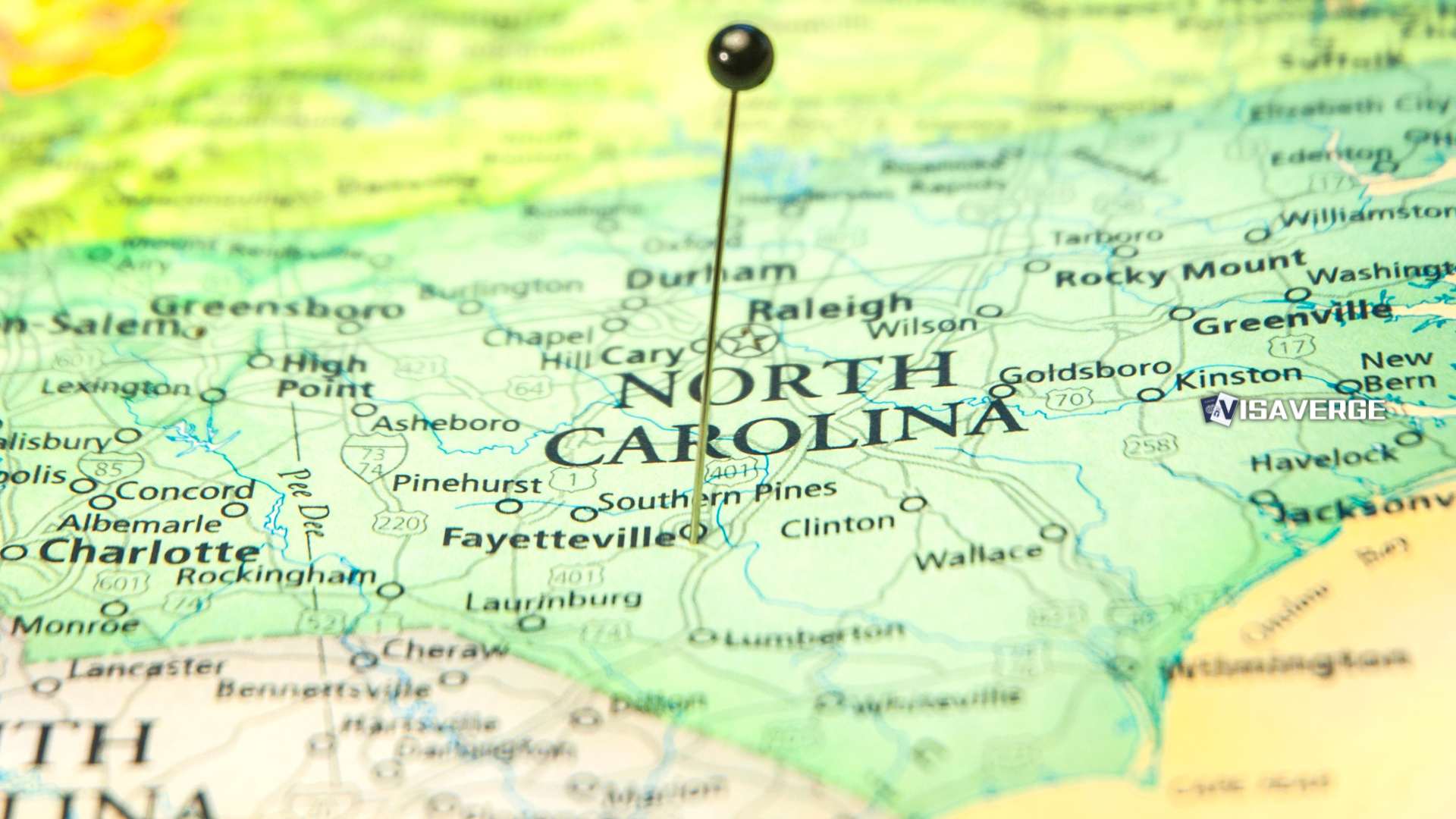
The proposed bill mandates that sheriffs and jailers in North Carolina’s 100 counties comply with detainer requests from the U.S. Immigration and Customs Enforcement (ICE). They would need to hold individuals suspected of being in the country without proper documentation for up to 48 hours if ICE issues a detainer. Additionally, the legislation requires verification of the immigration status of those charged with serious crimes, specifically targeting individuals accused of violent felonies or certain misdemeanors. The aim is to improve the cooperation between local sheriffs and federal immigration officers.
Free toolUSCIS Receipt Number DecoderProgress and Amendments
Recently, the Senate Judiciary Committee approved the bill via voice vote, indicating its importance to state Republicans. An amendment has been added, allowing individuals to file a complaint with the State Attorney General’s Office if they believe there is non-compliance with the bill. This outlines the accountability measures put in place should the bill pass the full Senate, with the house vote set to follow soon after.
Voices of Opposition
Several urban Democratic sheriffs, especially those in Wake County, Durham, Mecklenburg, and Guilford, have voiced strong opposition. Their concerns mainly revolve around community trust, potential constitutional issues, a possible strain on local sheriff’s departments, and risks of lawsuits for violating constitutional rights. Sheriff Willie Rowe of Wake County stated, “We want to make our communities safer, but HB 10 will make us less safe by fomenting distrust in local law enforcement.”
Support and Safety Concerns
Those in favor, largely Republican lawmakers, believe the bill will boost public safety by ensuring people accused of serious crimes, who may be unauthorized immigrants, aren’t released back into the community. They argue that notifying ICE in a timely manner could prevent further offenses.
Political Dynamics
House Bill 10’s journey highlights the present political landscape in North Carolina. With Republicans holding a veto-proof majority in both chambers, previously vetoed bills by Democratic Governor Roy Cooper now have a better chance of becoming law. The Republican supermajority can potentially override any gubernatorial veto, accentuating their legislative influence.
Implications if Passed
Should it pass, the bill could dramatically alter local law enforcement procedures and resources, potentially impacting the trust immigrant communities place in the police. It may also reshape North Carolina’s alignment with federal immigration policies. Moreover, it ignites ongoing debates about sanctuary policies and local-level immigration enforcement.
Broader Context
This legislative effort aligns with similar endeavors in other states aiming to bolster local collaboration with federal immigration authorities. It plays into the wider national discussion about immigration policy, sanctuary cities, and the responsibilities of local jurisdictions. The NC Senate’s decision, the House’s subsequent action, and the governor’s response will be closely watched, affecting local communities and law enforcement views.
For more information about immigration procedures and policies, visit the U.S. Citizenship and Immigration Services. Analysis from VisaVerge.com highlights how local legislation mirrors overarching national trends, emphasizing the crucial interplay between state and federal immigration policies.
Learn Today
House Bill 10: Proposed legislation in North Carolina mandating local law enforcement compliance with federal immigration detainer requests.
Detainer: A request by U.S. Immigration and Customs Enforcement (ICE) to local law enforcement to hold an individual for up to 48 hours.
ICE: U.S. Immigration and Customs Enforcement, a federal agency managing border control, customs, trade, and immigration enforcement.
Veto-proof Majority: A legislative scenario where a political party holds enough seats to override a governor’s veto.
Sanctuary Policies: Local government initiatives limiting cooperation with federal immigration enforcement to protect unauthorized immigrants.
This Article in a Nutshell
North Carolina’s Senate eyes a contentious immigration bill, sparking debate, notably among county sheriffs. House Bill 10 requires compliance with ICE detainers, impacting law enforcement and immigrant trust. Republican dominance suggests likely passage. The bill’s implications: enhanced public safety for supporters, potential community distrust for opponents. Its fate remains pivotal.
— By VisaVerge.com
Read more:
• North Carolina Marijuana Legality in 2024: Is Weed Legal?](https://www.visaverge.com/knowledge/2024-north-carolina-marijuana-legality-is-weed-legal-in-north-carolina/)
• Top Dangerous Cities for Traffic Collisions: Car Accident Statistics](https://www.visaverge.com/news/top-dangerous-cities-for-traffic-collisions-car-accident-statistics-revealed/)
• Telugu Population in the US Surges to 1.23 Million](https://www.visaverge.com/news/telugu-population-in-us-surges-to-1-23-million/)
• Nebraska State Chamber: Immigration Key to Workforce Shortages](https://www.visaverge.com/news/immigration-key-to-solving-workforce-shortages-says-nebraska-state-chamber/)
• Real ID Requirements Effective Starting May 7, 2025](https://www.visaverge.com/news/real-id-requirements-starting-may-7-2025/)