(costa rica) — If you’re flying to costa rica with a U.S. connection, the smartest move is simple: carry your passport and use it at TSA. It keeps you out of the new TSA ConfirmID fee process and avoids last‑minute stress when REAL ID rules tighten again on February 1, 2026.
This isn’t an airline policy change. It’s a tsa checkpoint rule that affects how you clear security for U.S. domestic flights. Costa Rica entry rules are a separate system. But if your trip includes a U.S. domestic leg on either end, these rules can absolutely affect whether you make your flight.
Quick recommendation: Passport-first beats REAL ID-only for Costa Rica trips
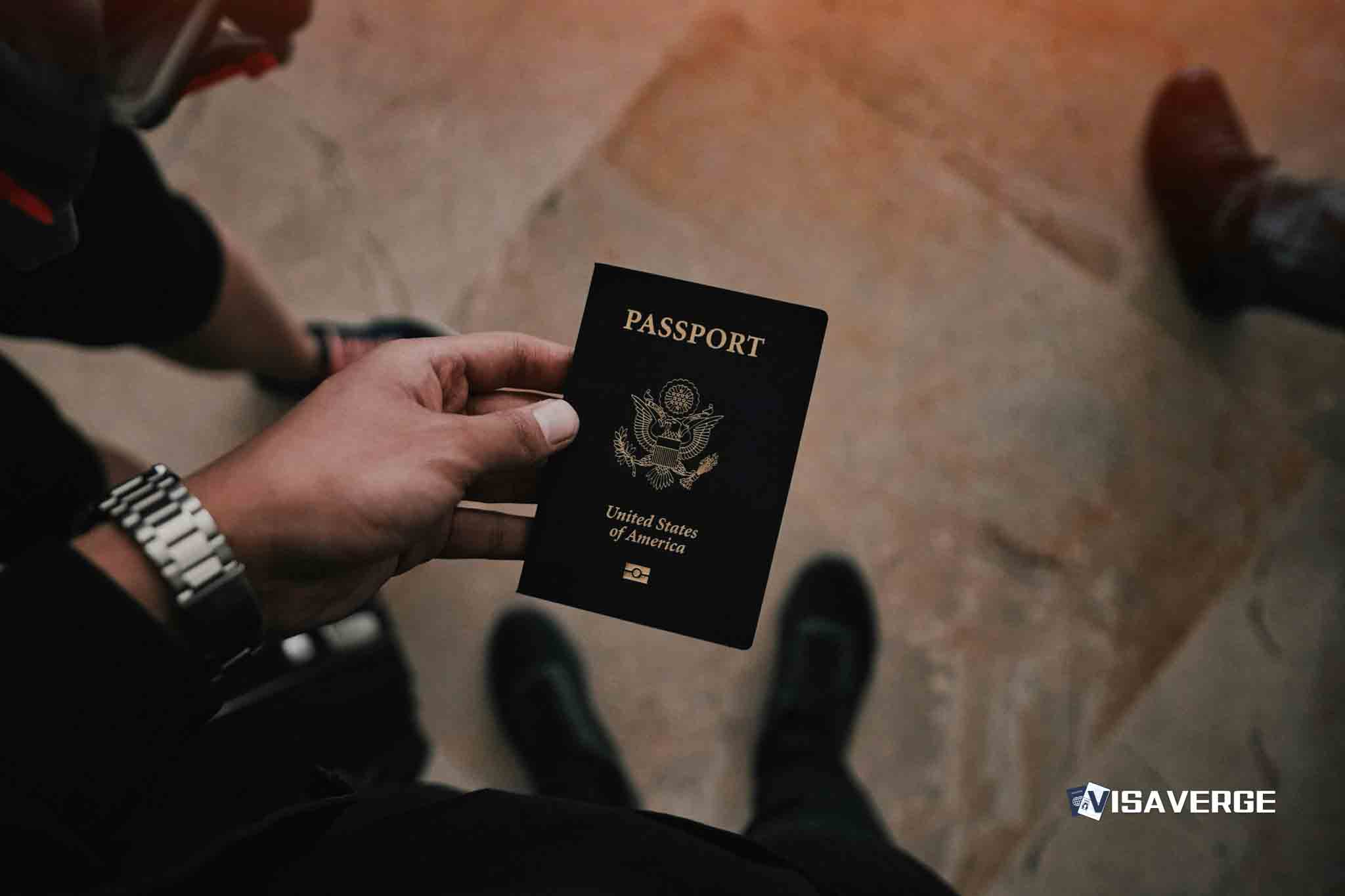
For any itinerary that mixes U.S. domestic flying with an international flight to or from Costa Rica, a passport is the easiest “one document” answer. It works for the international segment (required), U.S. domestic TSA screening (accepted), and most connection scenarios where a driver’s license could create risk.
A REAL ID-compliant license is still great for domestic-only trips. It’s just not the cleanest plan for Costa Rica travel, because you’ll need a passport anyway.
Side-by-side comparison: Your two realistic paths
| Factor | Path A: Use a passport at TSA (recommended) | Path B: Rely on REAL ID / risk ConfirmID |
|---|---|---|
| Works for U.S.–Costa Rica flights | Yes (passport required) | No (REAL ID is not valid internationally) |
| Works at TSA for U.S. domestic legs | Yes | Yes, but only if your license is REAL ID-compliant |
| Exposure to TSA ConfirmID fee | None, if you have your passport | High if you show a non‑REAL‑ID license and have no other accepted ID |
| Cost risk | $0 extra | $45 if you end up in ConfirmID |
| Time risk at security | Normal screening | Potential extra processing if identity must be verified |
| Best for | Anyone connecting in the U.S. or flying a domestic segment | True domestic-only trips, or travelers who never separate from their REAL ID |
The biggest trap is thinking, “I’ll just use my license in the U.S. and my passport internationally.” That plan falls apart if your license isn’t REAL ID-compliant and your passport is buried in your checked bag, or left at home.
1) What changed in the U.S. and when
REAL ID enforcement is now a real checkpoint issue, not a future warning sign. Since May 7, 2025, adults on U.S. domestic flights must present either a REAL ID-compliant state ID or another TSA-accepted ID.
What’s new is the paid fallback. Starting February 1, 2026, TSA adds a paid identity verification path called ConfirmID for adults who show up without acceptable ID. The TSA ConfirmID fee is $45.
ConfirmID is positioned as an identity verification alternative. It is not a “buy your way through TSA” pass. TSA is clear that payment and verification steps do not guarantee clearance if identity cannot be confirmed.
- These are TSA checkpoint rules, not airline rules.
- This applies to adult travelers (18+).
- It primarily affects people trying to fly domestic inside the U.S.
- It can hit you on a Costa Rica trip if you add a U.S. domestic leg.
A key detail is the ConfirmID travel window. It covers a 10‑day period. That can help for round trips with domestic segments. It still isn’t a cost you want to discover at 5 a.m.
2) How this affects trips between Costa Rica and the U.S.
For Costa Rica itineraries, the rule of thumb is easy: passport rules apply internationally, TSA ID rules apply domestically. Many headaches come from mixing the two.
International segment: passport required, REAL ID won’t help
If you’re flying between the U.S. and Costa Rica, you need a passport. A REAL ID-compliant license does not replace a passport for international travel.
Airlines also tend to verify international documents at check-in. That is separate from TSA screening. One is about entering a country. The other is about clearing airport security.
Domestic U.S. segments: TSA still wants acceptable ID
If your itinerary looks like this:
- San José (SJO) → Miami (MIA) → New York (JFK), or
- Chicago (ORD) → Houston (IAH) → San José (SJO)
…you will clear TSA for the domestic leg(s). You must present acceptable ID for those U.S. domestic flights.
In practice, your passport is the easiest fix. It is widely accepted at TSA checkpoints. It also keeps you away from ConfirmID and the $45 fee tied to the 10‑day validity window.
This is also where travelers get tripped up on the return. You might land in the U.S. from Costa Rica, then connect onward domestically. You’ll still need acceptable ID when you go through screening for that domestic segment.
3) Practical implications for travelers (Costa Rica–bound and Costa Rica-based)
These rules don’t hit everyone equally. The biggest divide is who has a passport in hand during U.S. domestic screening.
U.S. citizens and residents heading to Costa Rica
You already need a passport for Costa Rica. If you carry it through the whole trip, you can use it for TSA on the outbound domestic connection, TSA on the return domestic connection, and any same-day domestic repositioning flights.
That makes REAL ID more of a convenience than a requirement for this trip type. If you’re chasing simplicity, a passport for every segment is the cleanest play.
Costa Rican and other foreign nationals flying in the U.S.
Foreign passports are generally accepted at TSA checkpoints. That means most visitors are naturally insulated from the ConfirmID scenario.
The ConfirmID fee is mainly a problem when someone tries to screen with only a non‑REAL‑ID state ID and no alternate accepted document.
Who is most exposed to ConfirmID and extra processing
The travelers most likely to get hit are U.S.-based flyers who have a non‑REAL‑ID driver’s license and do not have a passport or other TSA-accepted ID available at security.
This is especially common on split bookings. Think: a cheap domestic positioning flight to an international gateway, booked separately from the Costa Rica ticket. In those cases, you may have to re-clear security. That is where ConfirmID can appear.
Even if you can complete verification, the bigger risk is timing. Any extra screening step increases the odds you miss a tight connection. That’s doubly painful when your next flight is an international departure.
4) Costa Rica’s own entry requirements (unchanged by REAL ID)
Costa Rica’s entry rules are governed by Costa Rican immigration policy. They do not care whether your U.S. license has a star on it.
Airlines do care that you meet entry requirements, because they can be on the hook for flying you back. That’s why check-in agents may ask for documents even before you reach TSA.
- A valid, machine‑readable passport.
- A visa, if required for your nationality.
- Proof of onward or return travel.
- Proof of economic means, including a threshold of US$100.00 per month (or partial month) of authorized stay.
Those checks are separate from TSA’s domestic screening rules. Keep them mentally separate when you prep.
5) How to avoid problems and extra fees on Costa Rica trips
If you do one thing, do this: carry your passport for any itinerary that includes a U.S. domestic segment. Even if you planned to use a driver’s license at home.
Here’s the practical prevention plan that works for most travelers:
- Use your passport at TSA for U.S. domestic legs tied to your Costa Rica trip.
- If you prefer using a license domestically, confirm it is REAL ID-compliant well before travel.
- If your license is not REAL ID-compliant, plan on your passport instead.
- Treat ConfirmID as a last resort, not a plan.
ConfirmID might sound like a safety net. It also comes with a $45 cost and is tied to a 10‑day travel window. That is still friction when you’re trying to catch a connection.
Price and fees: the real comparison travelers feel
This is where the choice becomes tangible.
- If you carry a passport, the incremental cost at the airport is effectively $0.
- If you arrive at TSA with only a non‑REAL‑ID license, the new out-of-pocket risk is $45.
That fee can wipe out the savings from choosing the cheaper connecting itinerary. It can also erase the value of booking Basic Economy, where changes are limited and missed flights can get messy.
Comfort and stress: what this does to your travel day
Comfort isn’t just seat pitch. It’s whether your trip starts with drama. A passport-first approach reduces “document uncertainty.”
- Early departures, when rebooking options are limited.
- Tight connections, where any delay at security is costly.
- Peak travel weeks, when TSA lines are longer.
Miles and points angle: how to book without losing value
Document issues don’t directly change how many miles you earn. They can change whether you fly the itinerary you booked.
- If you misconnect and get reaccommodated, you may land on a different flight number or partner. That can alter crediting.
- If you booked a mileage run with a tight domestic connection, an ID snag can destroy your status math.
- Award tickets can be unforgiving if you miss the first segment. Many airlines cancel the rest of the itinerary.
If you’re using points for Costa Rica, the safe play is to build buffer time on any U.S. domestic connection. Your miles are only “worth it” if you actually take the flights.
Competitive context: why this feels stricter now
U.S. airlines have largely converged on stricter fare rules and tighter change policies in their cheapest fares. That puts more pressure on “day-of-travel” execution.
TSA’s REAL ID enforcement and the ConfirmID paid fallback add one more failure point. It’s not about which airline you choose. It’s about whether you can even reach the gate.
Choose X if…, Choose Y if…
Choose Passport at TSA if:
- Your Costa Rica trip includes any U.S. domestic leg.
- You’re flying on separate tickets and may re-clear security.
- You’re checking a bag and don’t want your passport out of reach.
- You’re flying Basic Economy and want fewer surprises.
Choose REAL ID as your primary domestic ID if:
- You’re flying domestic-only in the U.S. with no international segment.
- You consistently carry a REAL ID-compliant license and prefer it.
- You want to keep your passport locked away unless you need it.
Choose ConfirmID only as a backstop if:
- You truly have no acceptable ID at the checkpoint.
- You accept the $45 fee and the added friction.
- You have extra time and a flexible itinerary.
The best Costa Rica travel habit in 2026 is boring but effective: keep your passport in your personal item, not your checked bag, and use it for every TSA screening tied to the trip. Do that before February 1, 2026, and you’re far less likely to meet the ConfirmID desk when you’d rather be boarding.
TSA is tightening identification rules for U.S. domestic flights, which impacts travelers heading to Costa Rica. Starting February 2026, those without REAL ID-compliant identification face a $45 verification fee. The smartest strategy is to use a passport for both domestic and international segments to avoid costs and delays. While Costa Rica’s entry rules remain unchanged, U.S. checkpoint changes can disrupt travel itineraries involving connections.