- Freezing temperatures at Zurich Airport triggered over 90 cancellations affecting 10,000 SWISS passengers.
- Operational bottlenecks occur as de-icing queues delay flights by an average of 90 minutes.
- Travelers should proactively reroute early via larger hubs if arrival timing is critical.
(ZURICH) — swiss has canceled more flights this week as freezing temperatures jam up de-icing at Zurich, and your best move is simple. If you must travel in the next 72 hours, reroute early on a larger hub carrier. If your trip is optional, take the refund or push dates.
Winter disruptions aren’t rare in Europe. What’s different here is the combo of sub-zero weather, de-icing queues, and network ripple effects. When Zurich (ZRH) slows down, SWISS feels it fast.
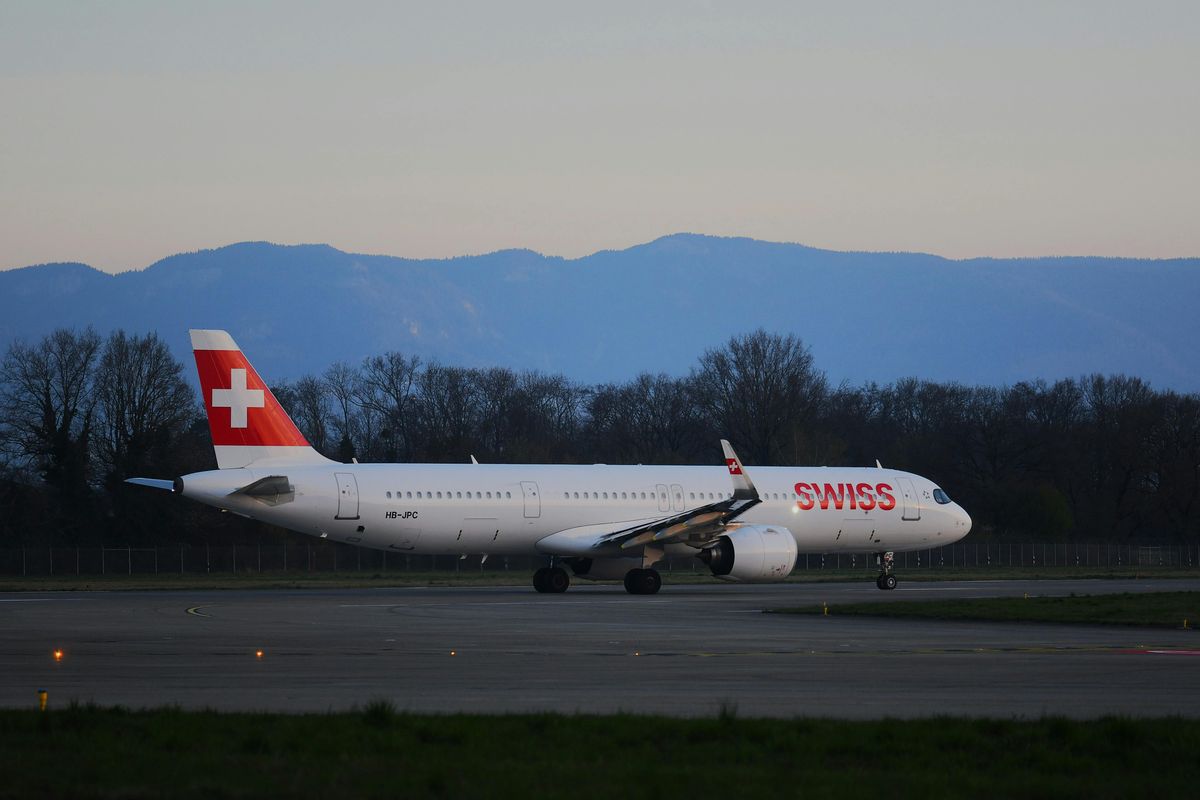
It’s a hub-and-spoke airline with tight connections and short turn times. That’s great on normal days. In a cold snap, it can unravel quickly.
Overview: what’s happening at SWISS and Zurich right now
Freezing temperatures sound like a simple weather story. In airline operations, it’s usually a ground-story. De-icing is the choke point.
Here’s why this turns into a mess quickly at Zurich:
- De-icing takes time and requires dedicated trucks, pads, and trained staff.
- Pads and stands fill up when aircraft can’t depart on schedule.
- Crews time out when delays push them past duty limits.
- Aircraft rotations break, which forces preventive cancellations later.
Those “preventive” cancellations frustrate travelers. They can also protect the rest of the schedule. If SWISS cancels an early flight, it may save a long-haul departure later.
Airlines do this to keep aircraft and crews in legal positions. They also do it to avoid stranding a plane away from its base.
Updates in this article are consolidated through Saturday, January 10, 2026. Counts change during the day. They can also differ by tracking method and cutoff time.
How big is the disruption, and why totals don’t always match
This has stretched across multiple days, and it’s affecting thousands of travelers. That matters because seats disappear quickly when everyone rebooks at once.
A Swiss news agency tally put cancellations at 93 swiss flights since january 1, with around 10,000 passengers affected as of Saturday morning. An earlier snapshot from another Swiss outlet cited 57 canceled flights and about 7,430 passengers.
That gap is normal in fast-moving IRROPS. Different totals happen for a few reasons:
- One tracker counts individual flight legs, another counts paired rotations.
- Some totals include only SWISS mainline. Others include Helvetic-operated flights sold as SWISS.
- Cutoff times vary, especially on days with rolling cancellations.
What it means for you is straightforward. Rebooking competition will be high. Call lines will back up. Airport service desks will be swamped. Alternate flights will price up, too.
Which routes are most likely to be hit (and how to check yours fast)
In de-icing constraints, airlines usually cut flights that do two things. They consume scarce departure slots, and they’re easier to re-accommodate. That often means short-haul feeders into the hub.
- Short-haul feeders into the hub
- Hub-to-hub flights with multiple later options
- Routes with strong rail alternatives nearby
On Saturday, SWISS canceled 12 additional flights, described as return flights from Zurich. The affected cities included Nice, Frankfurt, Düsseldorf, London, Milan, and Luxembourg.
“Return flights” is an operational tell. Many short-haul flights are planned as a paired out-and-back rotation. If the first leg cancels, the aircraft never arrives for the return. That can remove both flights from the schedule.
Route lists can change hour by hour. Don’t rely on social media screenshots. Use:
- The SWISS app for live status and rebooking prompts
- Zurich Airport advisories for airport-wide constraints
- Push notifications, since gate changes and delays can move quickly
Zurich’s operational bottleneck: why delays turn into cancellations
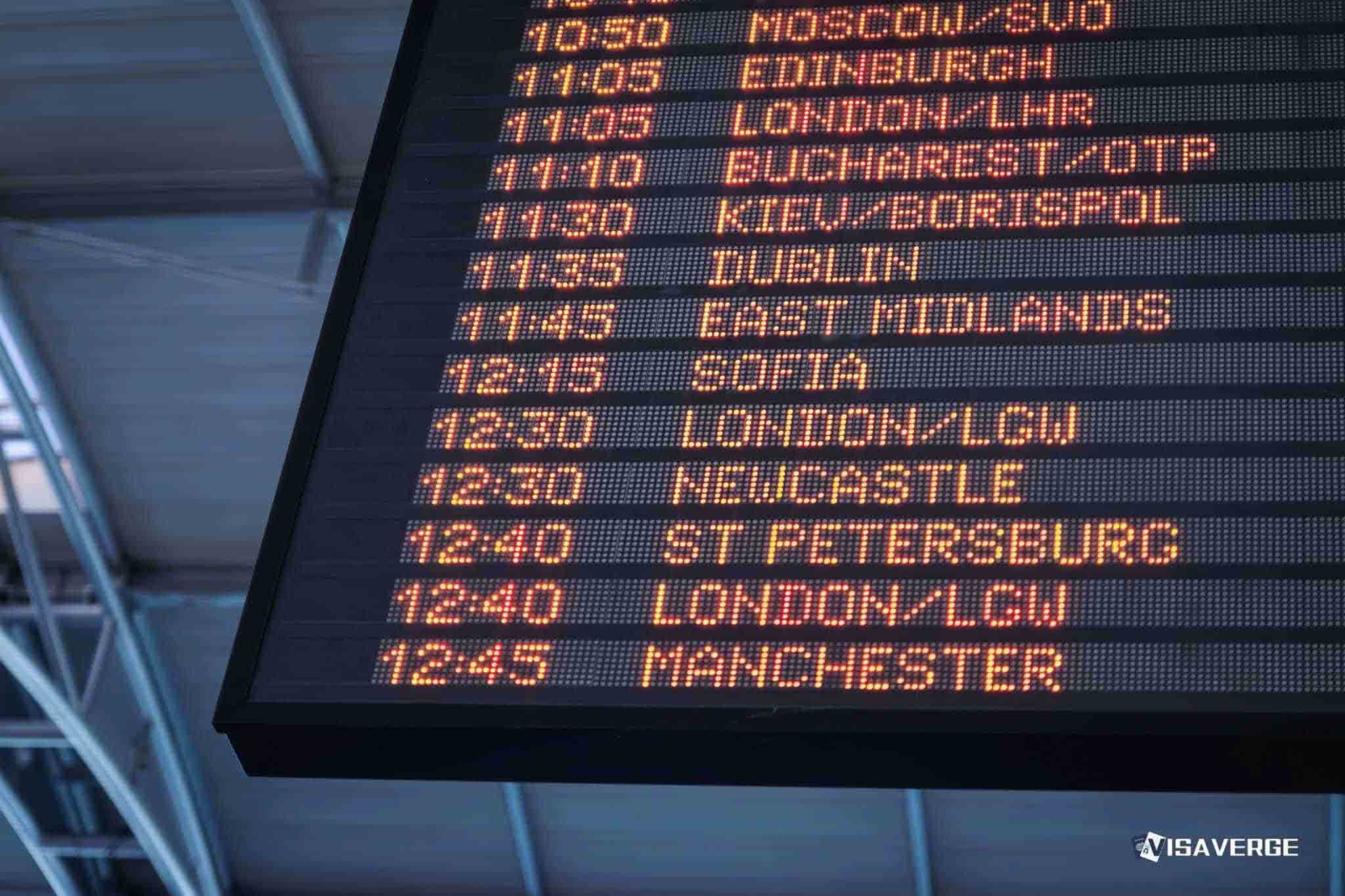
SWISS expects an average arrival delay of about 1.5 hours at Zurich on Saturday. That’s an airport-wide headache, not a single-flight issue.
A 90-minute average delay creates three practical problems. First, connection math breaks. Second, bags miss flights. Third, crew legality becomes the limiter.
- Connection math breaks. A 50-minute connection becomes a misconnect.
- Bags miss flights. Ramp teams get overwhelmed during compressed departure banks.
- Crew legality becomes the limiter. Planes may be ready, but crews can’t fly.
De-icing is the multiplier. It extends turn times, and it breaks the rhythm of a hub. Zurich isn’t a mega-hub with endless spare gates. When stands fill, arriving planes may wait for parking.
That delays deplaning. It also delays cleaning and boarding. The entire day gets later.
SWISS says it’s coordinating closely with MeteoSwiss and adding staff. That helps at the margins. It can’t create more de-icing pad capacity during severe cold.
The Europe-wide factor: why disruptions spread to SWISS quickly
This isn’t happening in a vacuum. Earlier this week, a Europe-wide snowstorm triggered more than 1,400 cancellations across northern Europe. Paris airports saw mandated departure cuts, and Amsterdam Schiphol had mass cancellations.
Even if Zurich weather were perfect, SWISS would still suffer when Europe clogs. Here’s a simple example. A canceled inbound flight means an aircraft and crew never arrive. SWISS cited an Amsterdam–Zurich cancellation (LX733) as part of the ripple effect.
For travelers, this matters because reroutes can fail, too. If you try to detour via Amsterdam or Paris during capacity cuts, you may just swap one problem for another. The “best” reroute is usually through a hub that’s functioning normally that day.
That changes by the hour in winter. Competitive context is clear. This isn’t unique to SWISS. KLM, Air France, and others get hit hard during snow events. The difference is that Zurich’s smaller footprint leaves less slack for recovery.
Comparison: stay on SWISS vs reroute proactively
Your decision comes down to certainty versus simplicity. Staying with SWISS keeps your ticket intact. It also keeps you in SWISS’s priority queue.
Rerouting can get you moving sooner, but it may cost more and complicate refunds. The right choice depends on your flexibility, your elite status, and how much you value arriving on schedule.
| Factor | Option A: Stay on SWISS rebooking | Option B: Proactively reroute to another carrier/hub |
|---|---|---|
| Speed to a confirmed seat | Can be slow during mass IRROPS | Often faster if you act early |
| Cost control | Better if SWISS rebooks you | You may pay a new fare upfront |
| Airport hassle | Less planning, but longer queues | More self-service, fewer desk lines |
| Connection risk | Higher if you keep tight ZRH connections | Lower if you choose nonstop or bigger hubs |
| Miles and status earning | Protected if you fly SWISS | Risky if you move to a non-partner ticket |
| Award ticket flexibility | Depends on ticket issuer rules | May be easier if you cancel and rebook elsewhere |
| Bags and reaccommodation | SWISS handles end-to-end if you stay | Mixed if you split tickets |
Best for: Flex travelers, elites, families (stay). Time-sensitive trips, events, cruises (reroute).
Price: what usually happens in these scenarios
Airlines rarely discount during a weather crunch. Last-minute seats get expensive, especially on the same city pairs. The cheapest path is often to accept SWISS’s proposed rebooking, even if it’s later.
If you reroute, consider nearby alternates. In Switzerland, rail can be the hidden weapon. If your disrupted flight is a short hop, a train to a nearby hub can open options.
Think Zurich to Milan by rail, then fly long-haul. Or Zurich to Frankfurt by rail, then connect.
Miles and points: this is where many travelers make a costly mistake
If you’re chasing miles or elite status, don’t ignore the earning details. Paid SWISS tickets earn Miles & More miles and status credit. They also earn partner credit in many Star Alliance programs.
If SWISS rebooks you onto a Star Alliance partner, earning often remains similar. It depends on fare class mapping. If you buy a new ticket on a non-alliance carrier, you might earn nothing meaningful toward your current status goals.
Award tickets are trickier. If you booked with points through a bank portal, your “airline” may be the portal. That can slow changes. If you booked via Miles & More or a partner, reissue rules differ.
If you’re close to requalifying status, accept a longer routing that stays in your alliance. A same-day arrival on a non-partner ticket might cost you a status tier later.
Choose SWISS if… / Choose a reroute if…
Choose SWISS rebooking if:
- You can arrive a day late without major consequences.
- You have SWISS or Star Alliance status. That helps in rebooking queues.
- You’re traveling with family and want one carrier handling bags and protection.
- Your ticket is complex, like multi-city, long-haul business, or mixed cabins.
Choose a proactive reroute if:
- You’re headed to a cruise, wedding, exam, or first-day meeting.
- You have a tight ZRH connection under 90 minutes during this cold snap.
- You can travel with carry-on only and don’t want baggage re-tagging drama.
- You found a same-day option via a functioning hub, and seats are still open.
Rebooking and refunds: what to do when your flight breaks
SWISS says its Operations Center will rebook passengers as quickly as possible when a flight can’t operate. Refunds are available on request via customer service or the SWISS app.
In weather IRROPS, the real-world playbook is simple. Accept a protected rebooking first, so you have a safety net. Then hunt for a better routing in the app or at the gate.
- If you find a better option, ask the airline to move you onto it.
- Keep records. Take screenshots of cancellation notices and new itineraries.
- Save receipts for meals and transport that the airline later requests for claims. Keep them itemized.
One angle many travelers forget is immigration and transit. If you get stranded overnight, your hotel location matters. A missed connection can also change your transit country, which can trigger visa rules.
Track your Schengen day count if you’re close to a limit. Transit changes can have unexpected consequences for some nationalities.
Context: SWISS is usually reliable, and that’s the point
SWISS reported that between December 22, 2025 and January 4, 2026, it carried 629,632 travelers and operated 98.9% of flights as scheduled. That’s a strong run for the holiday peak.
It also shows why this week feels jarring. Winter weather is a low-frequency, high-impact event. One bad day can undo weeks of smooth operations.
SWISS also cited late-December storms that forced cancellations, including New York flights. Long-haul routes are especially sensitive. One canceled widebody rotation can take days to unwind.
A decision framework for the next 72 hours
Start with three questions:
- How urgent is your arrival time? Same-day, next-day, or flexible.
- How exposed is your itinerary? Tight connections and last flight of the day are highest risk.
- What are your constraints? Visa rules, Schengen days, work or school reporting, and checked bags.
Then act accordingly. Monitor your booking in the SWISS app, and watch Zurich Airport’s operations updates. Winter cancellations often come in waves. If your flight is early morning, start monitoring the night before.
If you can shift plans, the easiest win is to avoid the peak disruption window. Move to a midday departure, when recovery options are wider. Or push to the first calmer weather day. Seats come back fast once the hub catches up.
If you must travel, lock in a reroute before the last seats vanish. Do it on Saturday while airlines are still building Sunday and Monday recovery schedules.
Freezing weather in Zurich has caused a surge in SWISS flight cancellations, with nearly 100 flights and 10,000 passengers affected. The primary bottleneck is the de-icing process, which has led to average delays of 90 minutes and broken crew schedules. Impacted routes include major European hubs like London and Milan. Travelers are advised to monitor the SWISS app and consider proactive rerouting or rail alternatives.