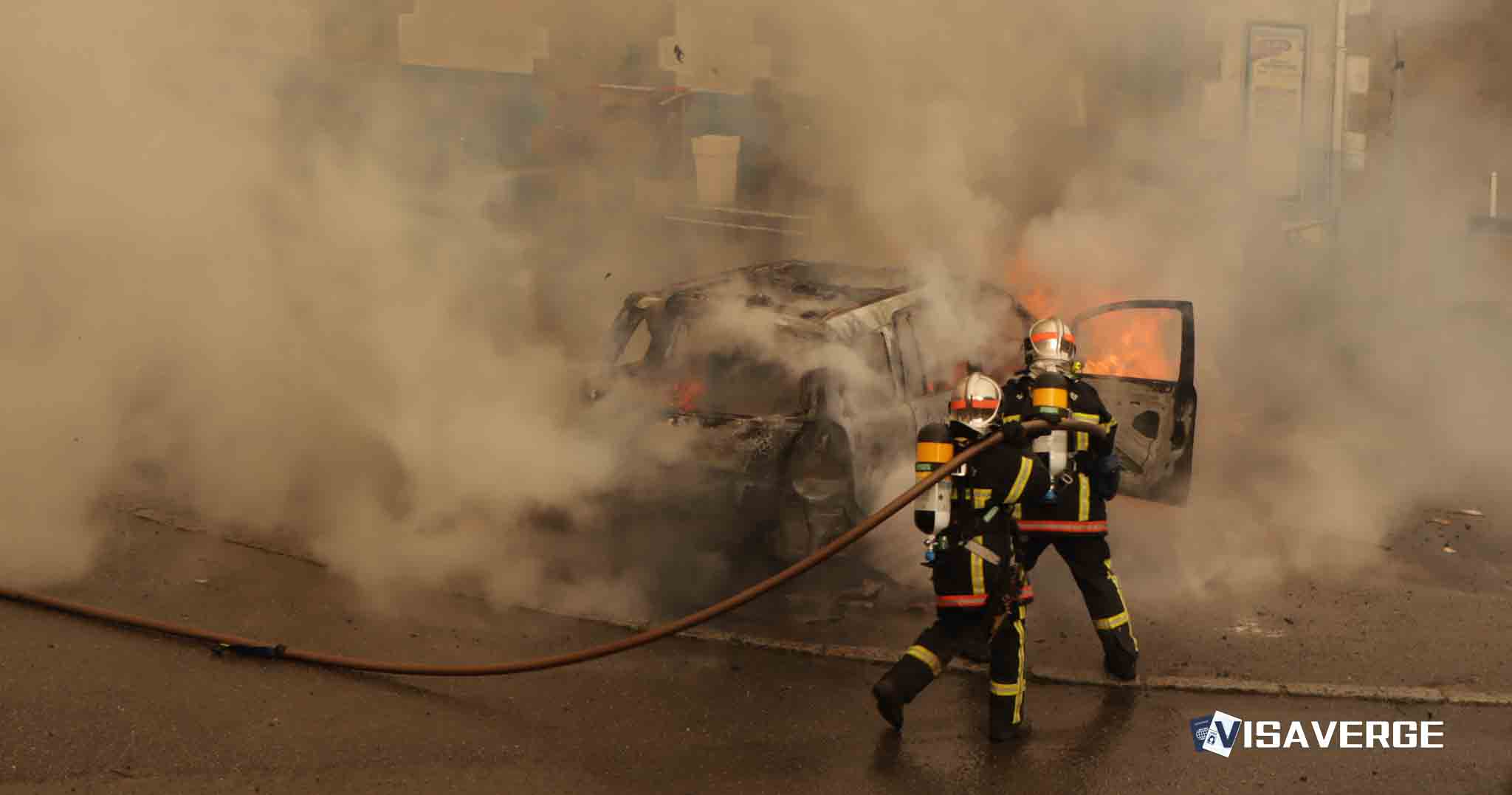
- Air Canada Express Flight AC8646 collided with a fire truck on Runway 4 at LaGuardia Airport.
- The crash claimed the lives of Captain Antoine Forest and First Officer Mackenzie Gunther during landing.
- Investigators are focusing on ground radar failures and the lack of a transponder on the emergency vehicle.
(NEW YORK, UNITED STATES) — If you were booked on Air Canada Express Flight AC8646, the crash at LaGuardia Airport was the kind of rare runway event that reminds travelers why airport surface safety matters. For everyone else, the big takeaway is simpler: incidents like the LaGuardia Airport Collision can trigger long runway closures, delays, and a deeper look at how air traffic control and airport vehicles share space.
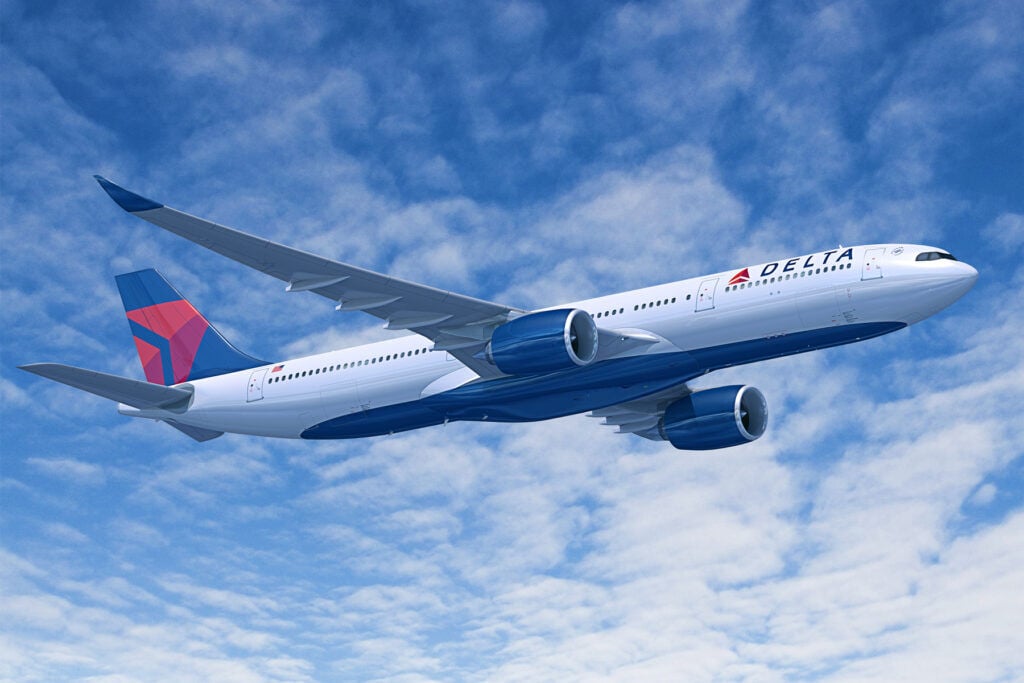
The wreck involved a Jazz Aviation-operated Air Canada Express CRJ-900 arriving from Montréal late Sunday, March 22, 2026. It has also put a human face on Jazz Aviation’s pilot pipeline, after the second pilot was identified as Mackenzie Gunther, a recent Seneca Polytechnic graduate.
LaGuardia collision: crash basics and key facts
The collision happened late Sunday, around 11:45 p.m., on Runway 4 at LaGuardia Airport. The aircraft was Air Canada Express Flight AC8646, a CRJ-900 operated by Jazz Aviation on the Montréal–New York route.
What makes the crash especially serious is the reported impact speed. Early reporting put the jet at roughly 93 to 105 mph, or about 167 km/h, when it struck Port Authority ARFF Truck 1 during landing. At that speed, even a ground collision on the runway can become catastrophic in seconds.
For travelers, the lesson is not that runway collisions are common. They are not. The point is that when they do happen, they can shut down a major airport operation and ripple across schedules for hours or days.
| Detail | Information |
|---|---|
| Flight | Air Canada Express AC8646 |
| Operator | Jazz Aviation |
| Route | Montréal to New York-LaGuardia |
| Aircraft | Bombardier CRJ-900 |
| Runway | Runway 4 |
| Time | About 11:45 p.m., Sunday, March 22, 2026 |
| Collision | Struck Port Authority ARFF Truck 1 during landing |
That route detail matters for frequent flyers, too. Jazz Aviation flies under the Air Canada Express brand, so this crash draws attention not only to airport operations, but also to the regional network that feeds Air Canada’s broader domestic and transborder system.
Identified individuals: pilots and their backgrounds
The second pilot killed in the collision was Mackenzie Gunther. He was a 2023 graduate of Seneca Polytechnic’s Honours Bachelor of Aviation Technology program.
Gunther’s path into the cockpit followed a familiar regional-airline route. He joined Jazz Aviation through the Jazz Aviation Pathways Program and began his professional flying career there after graduation. That makes the story especially painful for aspiring pilots, because it shows just how quickly a promising career can be cut short.
Captain Antoine Forest was also identified. He was from Coteau-du-Lac, Quebec. Forest’s great aunt said he had always wanted to be a pilot, which adds another deeply personal layer to the tragedy.
Seneca Polytechnic confirmed Gunther’s death, lowered flags to half-staff across campuses, and issued condolences to his family, friends, colleagues, and professors. That response matters because it shows how tightly connected aviation schools and regional carriers are. A loss like this is felt not just in one cockpit, but across a training network.
The LaGuardia Airport Collision has also become a reminder that regional airlines are staffed by pilots with real training pipelines and career plans. For passengers, that is often invisible. In moments like this, it suddenly becomes impossible to ignore.
| Person | Role | Background | Public response |
|---|---|---|---|
| Mackenzie Gunther | First officer | Seneca Polytechnic 2023 graduate | Seneca Polytechnic lowered flags and offered condolences |
| Antoine Forest | Captain | From Coteau-du-Lac, Quebec | Family described him as someone who always wanted to fly |
If you regularly fly Air Canada Express or other regional brands, check which airline is actually operating your flight. The operating carrier affects crew training, aircraft type, and disruption handling.
Flight and immediate aftermath
The aircraft collided with Port Authority ARFF Truck 1 while landing on Runway 4. According to cockpit voice recorder analysis cited in early reporting, control transferred from Gunther to Forest six seconds before impact.
That detail should not be read as blame. It simply helps show how little time the crew had to react. In a landing sequence, six seconds is almost no time at all.
There were 72 passengers and 4 crew members on board, for a total of 76 people aboard the aircraft. Passengers later described hearing hard braking and then a huge boom when impact came.
Several passengers credited the pilots with acting fast enough to reduce the severity of the crash. Rebecca Liquori said the pilots saved their lives, and Clément Lelièvre praised their incredible reflexes. Those are emotional accounts, but they also reflect a common truth in aviation: fast cockpit action can change survival odds.
Injuries and immediate response
The injury count shifted as more information came out in the days after the crash. That is normal after a serious incident, when hospitals, agencies, and airlines update figures at different times.
Initial reports said 39 of the 76 aboard were hospitalized. Later reporting put the total hospitalized at at least 41. By the following Tuesday, only six people remained hospitalized.
One of the most striking survival stories involved flight attendant Solange Tremblay. She was reportedly ejected from the aircraft and survived with leg fractures that required surgery. Her daughter called it a total miracle.
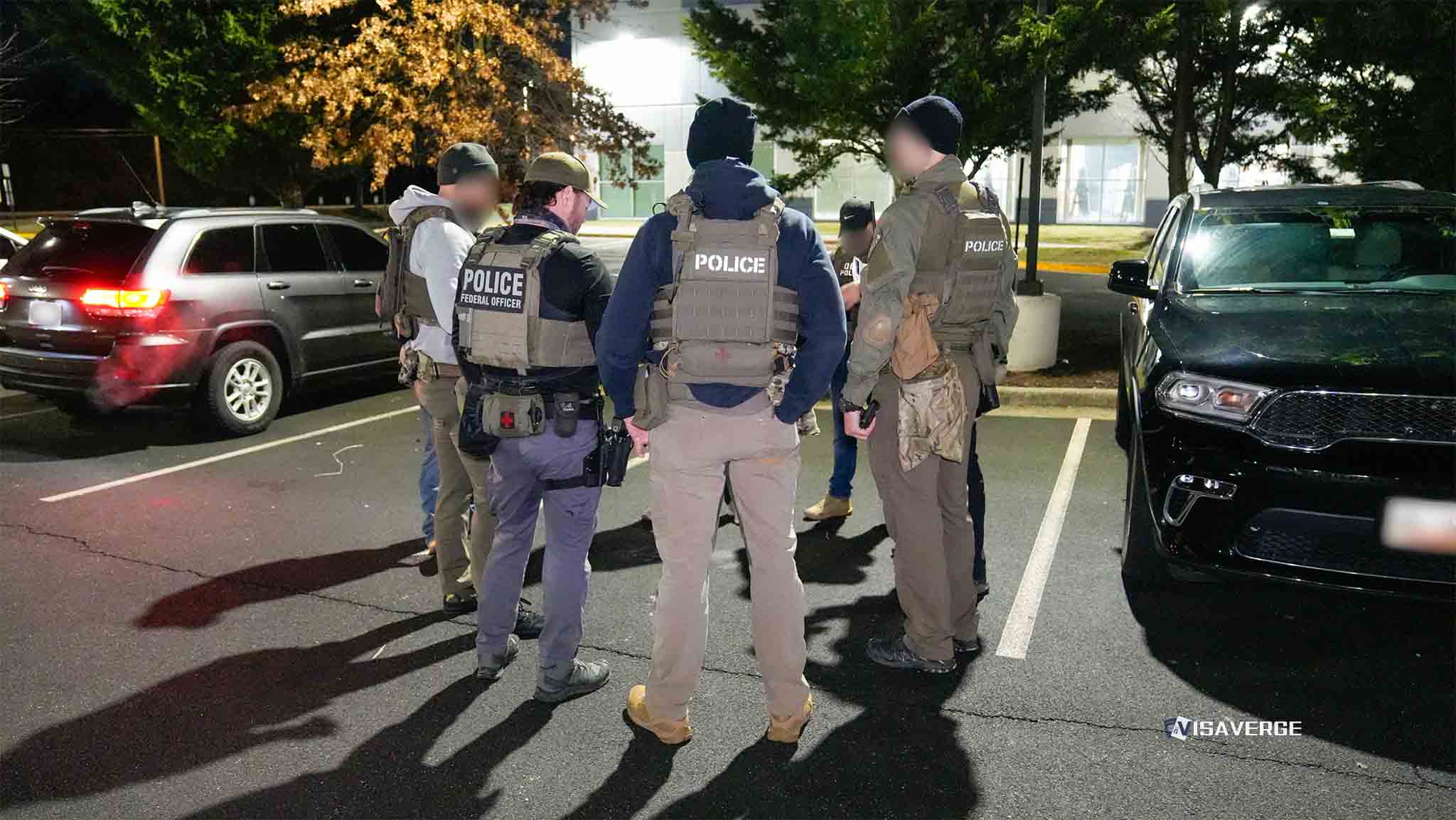
On the ground, two Port Authority police officers in the truck were reported to be stable. That detail matters because runway collisions are not limited to passengers and crew. Ground responders are directly exposed, too.
The numbers changed as the response unfolded, which is exactly why early casualty reports should be treated carefully. In the first days after a crash, counts often move as doctors discharge patients, transfer them, or reclassify injuries.
Investigation and findings from the NTSB
The NTSB’s early work has focused on how the aircraft and truck came to occupy the same runway space. Chair Jennifer Homendy said the investigation is looking hard at operational and coordination issues, not just the moment of impact.
One early finding centered on Airport Surface Detection Equipment. The system reportedly failed to alert properly because it had low-confidence tracking of converging vehicles. Investigators also said the fire truck lacked a transponder, which may have limited how clearly it appeared to monitoring systems.
Questions remain around tower-vehicle clearance, controller roles, and the midnight shift handoff. Reporting indicated the tower cleared Truck 1 to cross, then ordered it to stop nine seconds and again four seconds before impact. Investigators are still sorting out who was doing what, and when.
There is also no confirmed evidence yet that the pilots saw the truck before impact. That matters, because runway visibility, lighting, and closing speeds can leave crews with almost no margin for evasive action.
Fatigue does not appear to be part of the early picture. The controller remained on post-crash, which suggests investigators have not found an immediate staffing collapse or abandonment issue.
For travelers, the operational takeaway is straightforward. Airport surface technology is now part of your safety equation, even if you never see it.
Operational status and response
The runway remained closed until 7 a.m. Friday after the crash. That closure matters far beyond the accident itself, because one blocked runway at a constrained airport like LaGuardia can cause missed connections, diversions, and rolling delays.
If you fly through busy Northeast airports often, you already know how quickly one event can spread. A runway closure can affect arrival banks, departure sequencing, crew legality, and aircraft rotations across an airline network.
That is especially true for Air Canada and its regional partner Jazz Aviation. A flight disruption at LaGuardia can complicate same-day connections in Toronto, Montréal, and beyond. It can also affect elite travelers trying to protect segments or time-sensitive status runs.
If your trip includes LaGuardia, keep checking your airline app for gate changes, diversions, and schedule shifts. Major airport incidents often create delays long after the headlines fade.
The ongoing investigation will likely shape more operational changes, too. Expect more scrutiny of runway access procedures, vehicle transponder use, tower communication, and surface detection coverage.
Public and family responses
The public response has been shaped by grief, gratitude, and shock. Seneca Polytechnic’s lowered flags and condolences reflected the school community’s loss, while the families of both pilots have been left with the hard reality of lives cut short far too early.
That human reaction is paired with the passengers’ accounts of the crew’s calm, fast response. Their comments suggest the pilots were trying to protect the cabin even in the final seconds.
That matters because airline stories can easily become numbers and acronyms. Here, they are also about people: a young graduate starting a flying career, a captain from Quebec, a flight attendant who survived a violent impact, and travelers who walked away because the crew reacted quickly.
For flyers, the LaGuardia Airport Collision is a reminder to stay aware of how airport safety systems work, especially on the ground where aircraft, vehicles, and air traffic control all intersect. If you’re booked on a regional route through LaGuardia in the coming weeks, keep an eye on schedule recovery and airport advisories before you head to the terminal.