- An Alaska Airlines Boeing 737 performed a go-around to avoid a FedEx jet on an intersecting runway.
- The aircraft maintained a vertical separation of approximately 300 feet during the routine safety maneuver.
- The FAA and NTSB are investigating the incident timing at the busy Newark Liberty International Airport.
(NEWARK, NEW JERSEY) — A near miss at Newark Liberty International Airport on March 17 is a reminder that even routine landings can turn tense fast when intersecting runways are in play. If you were traveling through Newark that evening, the key takeaway is simple: the flight crews and controllers used a go-around to avoid a worse outcome, and that decision matters more than the drama of the moment.
Incident at Newark Liberty International Airport
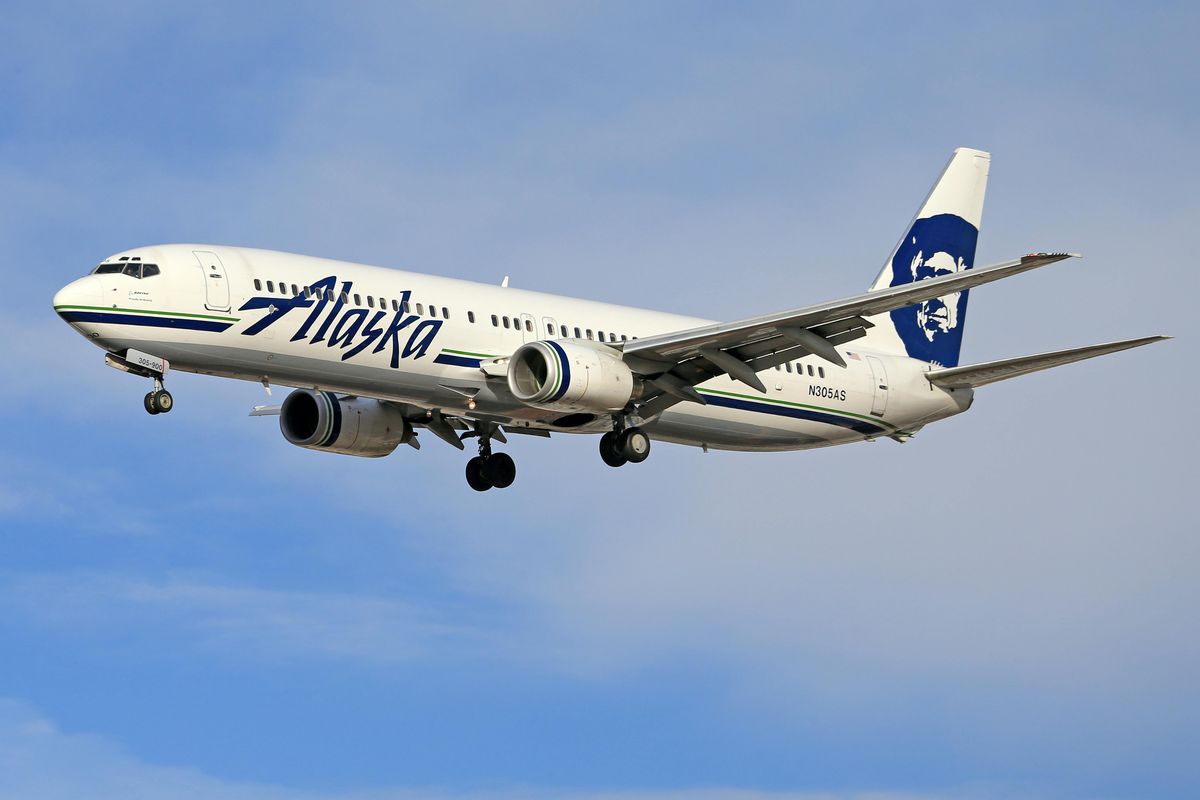
The event unfolded around 8:15 to 8:17 p.m. local time at Newark Liberty International Airport. Alaska Airlines Flight 294 was on approach to land when FedEx Flight 721 was also operating in the same airport environment on an intersecting runway.
That runway layout is important. When runways cross, arrival timing has to be exact. A few seconds of delay can create a close call, even when everyone follows standard procedures.
This was a serious incident, but it should still be treated carefully. Investigators have not yet finished their work, and the final sequence may differ from early public discussion. What is clear is that a landing sequence at one of the country’s busiest airports came much closer than anyone would want.
Sequence of Events and Proximity
Air traffic control instructed Alaska 294 to go around while FedEx 721 was on final approach. That means the Alaska jet was told not to land and instead climb away and circle back for another attempt.
The timing was tight. Alaska’s aircraft was reportedly about 150 feet above the ground when the go-around began. Radar data later showed the Alaska jet passing over the FedEx aircraft by roughly 300 to 325 feet.
That does not mean the aircraft nearly touched. It does mean the timing left little room for error. For travelers, that difference matters. A go-around is not a failure. It is a standard safety move used when a landing no longer looks clean or safe.
A go-around can feel alarming from the cabin, especially near touchdown. In aviation, though, it is a normal procedure, and pilots train for it regularly.
The key point is that the crew responded as trained. The controller’s timing, the runway geometry, and the spacing between the two aircraft are now part of the review. Early descriptions should not be treated as the final word.
Aircraft, Route Details, and Passengers
The flight details help cut through online guesswork. Alaska Airlines operated a Boeing 737 on a Portland, Oregon, to Newark route. FedEx operated a Boeing 777 on a Memphis, Tennessee, to Newark route.
Those details matter because this was not a random airport rumble. It involved a scheduled passenger arrival and a freight operation at a major hub with crossing runway traffic.
The Alaska flight carried 171 passengers and 6 crew members. No injuries were reported on either aircraft.
- Alaska Airlines Flight 294: Boeing 737; Portland → Newark; 177 total onboard; go-around, no injuries.
- FedEx Flight 721: Boeing 777; Memphis → Newark; not publicly detailed in the report; landed safely, no injuries.
For travelers, the passenger count matters because it shows how many people were affected by the disruption. It also helps explain why even a brief operational scare at Newark can ripple through a busy evening schedule.
Airline Statements and Reactions
Alaska Airlines acknowledged the go-around and said the crew was trained for that type of maneuver. The carrier also noted that the FAA and NTSB were reviewing the event.
FedEx said its aircraft landed safely without incident after following air traffic control instructions.
Those statements are standard for an event like this. Airlines often avoid speculation while investigators sort through radar data, communications, and runway sequencing. A public statement also does not assign fault.
That distinction matters. An airline can confirm a go-around without admitting error. A carrier can report a safe landing without saying what happened on the other runway. The investigation is where the facts get pinned down.
Expert Commentary
Former FAA leadership weighed in on the challenge of intersecting-runway operations. The concern was timing. In that view, the controller may have waited too long before sending Alaska 294 around.
That is an opinion, not a finding. But it reflects a real operational issue. Intersecting runways leave less margin for late decisions than parallel runways do. If the spacing breaks down, the safest option is to abandon the landing.
In this case, the criticism centers on whether the go-around call came late in the sequence. That is exactly the kind of question investigators will test against the radar track and recorded radio traffic.
The line between “close call” and “near miss” is often drawn later, after data is reviewed in full. Until then, expert commentary should be treated as informed reading, not official judgment.
Airport Impact and Context
Operations at Newark were briefly halted as a precaution, then resumed. For travelers, even a short pause at Newark can create a chain reaction.
That airport runs hot on most days. It handles heavy traffic, tight gate turns, and frequent schedule pressure. When a runway event forces a temporary stop, the effects can spread quickly into delays, missed connections, and crew timing issues.
Newark’s traffic levels are part of the context here. So are reports of air traffic controller shortages. Those staffing concerns have been widely discussed, but they are background, not proof of cause in this case.
Still, thin staffing can make a bad moment harder to absorb. One pause can throw off arrivals, departures, and gate sequencing for the rest of the evening. If you were connecting through Newark, that kind of disruption could have meant a rebook, a tighter connection, or a longer wait at the gate.
If you have a connection at Newark, leave extra time between flights. A short runway pause can cascade into missed connections fast.
For mileage runners and frequent flyers, the practical lesson is blunt. Hubs with heavy traffic and crossing runway patterns can be efficient, but they also leave less slack when something goes wrong.
Investigation Status and Disclosure
The FAA and NTSB both opened investigations after the event. That dual response is common, but the agencies play different roles.
The FAA handles many incidents and operational reviews. The NTSB typically steps in on major safety events and serious close calls. Together, they will look at the sequence, the timing, and the human factors involved.
Public disclosure came on March 19, 2026, two days after the incident. That timing is also normal. Aviation investigators often wait until they have enough verified detail to release a clear statement.
The FAA has said go-arounds are routine safety procedures. That matters because public reaction often treats them like emergencies. In reality, they are part of normal airline operations.
Investigators will likely review:
- ATC recordings
- Radar tracks
- Runway sequencing
- Pilot responses
- Local traffic flow at the time
- Staffing and coordination factors
Those details will help show whether the go-around was issued at the right time, whether the spacing was acceptable, and whether airport operations followed procedure.
For travelers, the big takeaway is not fear. It is awareness. Newark is a busy airport with complex runway operations, and this event shows how thin the margins can be when arrivals stack up.
The final report will matter more than the first headlines. If you are flying through Newark in the coming weeks, keep an eye on connection times, monitor gate changes closely, and choose the longest viable layover when possible.