- Dubai International Airport briefly suspended operations today following a drone incident near Concourse A.
- Travelers should verify specific flight numbers as rolling cancellations continue despite the partial restart.
- Consider rerouting via Abu Dhabi or delaying travel to avoid connection risks at DXB.
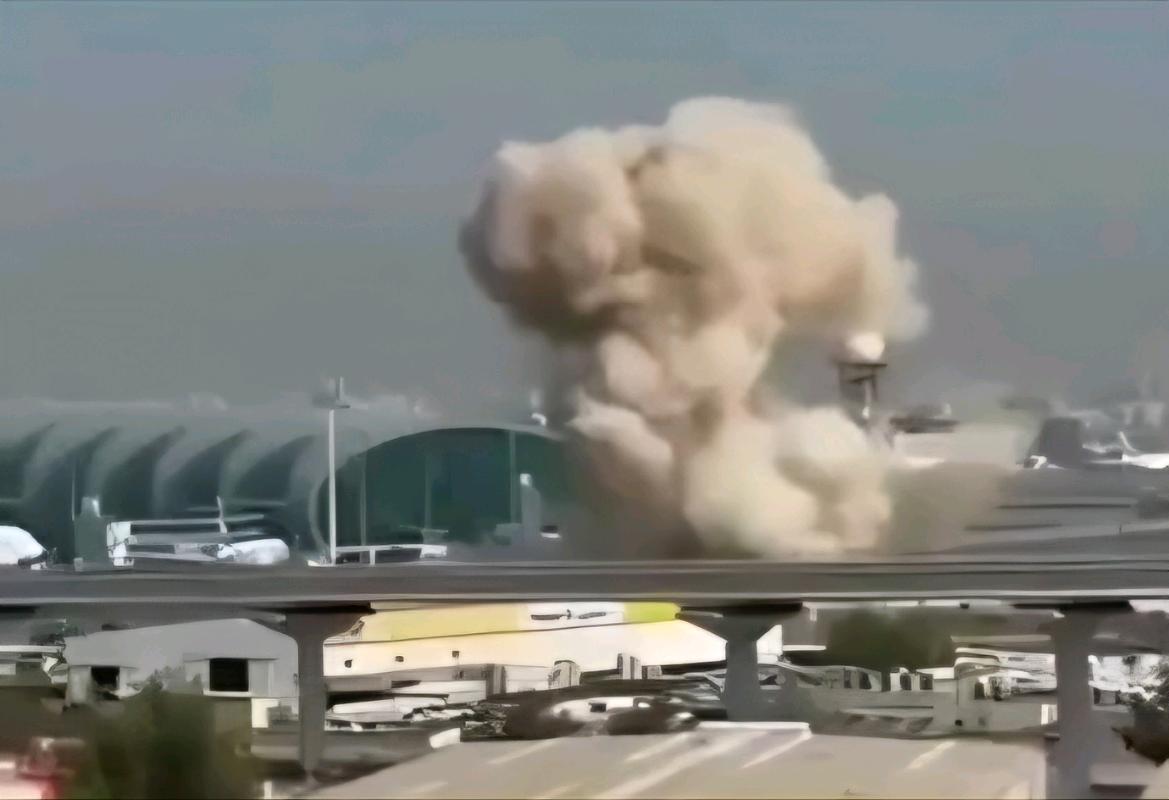
(DUBAI, UAE) — A drone explodes near Dubai International Airport this morning, and even a 30-minute halt can scramble a full day of travel. If you’re flying today, the best choice is the one that reduces connection risk: stick with Emirates only if your specific flight is confirmed operating, and reroute via Abu Dhabi (Etihad) or delay travel if your itinerary depends on tight connections through DXB.
The tricky part is that “operations resumed” does not mean “everything is back to normal.” Emirates operations are restarting in waves, with rolling cancellations and late aircraft. That’s why this comparison focuses on what matters right now: reliability, rebooking flexibility, and what happens to your miles and elite credit.
Your best option today: Emirates vs alternatives (quick comparison)
| Factor | Stay on Emirates via DXB | Switch to Etihad via AUH | Switch to flydubai (reduced DXB schedule) | Delay or rebook later (Emirates waiver window) |
|---|---|---|---|---|
| Best for | Nonstop travelers with a verified operating flight | Anyone with a missed connection risk, or needing a safer re-route | Short regional trips if seats exist | Travelers who can move plans and want fewer day-of surprises |
| Reliability today | Improving, but uneven due to aircraft and crew knock-ons | More controlled restart from AUH, but limited network | Limited schedule from Terminals 2/3 | Highest, once you travel after the disruption window |
| Connection risk | High if you’re connecting at DXB | Moderate, but depends on your AUH itinerary | Moderate, but fewer backup options | Low, if you rebook away from peak recovery days |
| Airport experience | DXB queues can spike after a stop/start day | AUH may be smoother, but adds ground transfer time | Terminal logistics vary; confirm terminal and bag rules | You avoid the worst queues and re-accommodation lines |
| Miles and status | Keeps Emirates Skywards earning, if you actually fly | Likely shifts earning to Etihad Guest or partner credit | Earn is fare-dependent; confirm before rebooking | Preserves your ticket value and can protect elite plans |
| What you must verify | Flight status for BOTH inbound and outbound legs | AUH airport, minimum connection times, baggage rules | Correct terminal, operating flight, baggage cutoffs | Ticket eligibility dates and “travel by” deadline (April 30) |
⚠️ Heads Up: Don’t choose based on a generic “resumed operations” headline. Choose based on your flight number’s status and your connection time.
1) Incident overview: what’s confirmed, and why it matters to your itinerary
Dubai International Airport (DXB) had a security incident this morning, Saturday, March 7, 2026, near Concourse A. Authorities described it as a minor incident linked to falling debris after an interception. Witnesses reported a loud boom and black smoke.
Emirates briefly suspended activity, then resumed after roughly 30 minutes. During the pause, arriving aircraft entered holding patterns, and passengers inside the terminal were told to shelter in place. Check-in counters also closed temporarily.
What matters for travelers is not only the length of the pause. It’s the ripple effect. A short stop can still trigger:
- Missed onward connections
- Aircraft and crew being out of position
- Gate swaps and late baggage delivery
- Rebooking backlogs that last all day
There were no confirmed reports of broader terminal damage in official messaging. Still, operational disruptions are real even when infrastructure is intact.
2) Immediate operational impact: what the pause means if you’re departing, arriving, or transiting
When an airport pauses arrivals or departures, airlines and air traffic control use tools that protect safety first. That often looks like aircraft circling outside the terminal area. It can also mean a ground stop, even if your plane is ready.
For you, that can produce odd-looking timelines. A flight may show “on time” until it suddenly isn’t. That’s because the disruption is managed minute by minute.
Inside the terminal, short “shelter-in-place” actions and brief check-in closures create a second wave of delays. Even after flights resume, you can see:
- Longer check-in and bag-drop lines
- Crowded security lanes
- Late boarding due to gate holds
- More gate changes than usual
Dubai Airports also restricted terminal access to passengers with airline-confirmed departures. If your flight is not confirmed, showing up early can backfire. You may not get inside, and you may burn hours curbside.
Airline messages can also be confusing in fast-moving events. Watch for these patterns:
- “Delayed” turning into “Gate changed” within minutes
- Auto-rebookings that separate families across flights
- Connection itineraries where one leg operates and the other does not
The practical move is simple. Treat every itinerary as two separate questions: “Is my first flight operating?” and “Is my connection operating?”
3) Airline and network status: what Emirates is doing, and what “partial restart” feels like
Emirates is restoring service with limits, not flipping a switch back to normal. The airline said it is resuming for passengers with verified afternoon bookings. It is targeting 106 daily return flights to 83 destinations, which is about 60% of its network.
That sounds large, but the recovery math is unforgiving. A partial restart creates predictable pain points:
- Rolling cancellations: A flight can cancel late if its incoming aircraft cannot arrive on time.
- Aircraft repositioning: Jets and crews are rarely where the schedule expects them to be.
- Crew legality limits: Pilots and cabin crew have duty-hour limits. That can cancel a flight even if the aircraft is ready.
- Rebooking queues: The same seats get chased by thousands of disrupted travelers.
Transit passengers are accepted only when the connection is operating. That is a big deal at DXB, where a huge share of Emirates passengers connect.
Before you leave for the airport, confirm both legs are operating. If your inbound flight is delayed, your outbound may still depart on schedule. That is when misconnect risk spikes.
Prioritize communication channels in this order:
- Airline app and push notifications
- SMS and email alerts
- Airport screens once you are inside
- Call centers only when self-service fails
Have these details ready before you contact anyone:
- Your booking reference (PNR)
- Exact passport name spelling
- Your desired alternate routing, including dates
A live flight status tool can show flight-by-flight ETAs and delay minutes. Use it to validate your flight number, not the route in general.
4) Other airlines and terminal operations: how your Plan B changes, depending on the carrier
If Emirates via DXB looks fragile for your itinerary, you have three realistic alternatives today. Each comes with tradeoffs.
flydubai (DXB Terminals 2/3, reduced schedule):
This can work for shorter regional hops. The problem is limited capacity. If flights are full, there may be few same-day backups. Confirm terminal and baggage cutoffs before you commit.
Etihad via Abu Dhabi (AUH, limited network to 25 destinations):
Etihad is operating at a reduced level, but AUH can be a calmer experience during a DXB shock event. The hidden cost is time. You must factor ground transfer time and the chance of re-checking bags, depending on ticketing.
Air Arabia (suspended until 3pm UAE time March 9):
For the next couple of days, this is not a practical escape valve. If you are holding an Air Arabia booking, plan on re-accommodation or delaying.
Saudia (partial resumption with two daily outbounds and returns):
This is very limited capacity. It can help on specific city pairs, but it is not a broad rebooking solution.
When you self-rebook, verify three details before you pay:
- Operating airport: DXB vs AUH vs SHJ
- Correct terminal
- Minimum connection time that still works under disruption conditions
A “legal” connection on paper can be unrealistic on a stop/start day. That’s especially true if you must clear immigration, re-check bags, or switch terminals.
5) Context: why disruptions can linger even after flights resume
Regional airspace constraints have been in place since February 28, 2026. When airspace is restricted, airlines reroute around closure areas. That adds flight time and burns fuel margins.
For you, that shows up as:
- Longer routings that arrive late even on “normal” days
- Tech stops that appear last-minute, for fuel or crew reasons
- Higher chance of cancellations when aircraft rotations break
Security posture changes also hit the passenger experience fast. Expect:
- Longer screening times
- Sudden gate holds
- Restricted curb access
- Patchy mobile data near crowded terminals
Even if the airport is running, the system may be running “hot.” That’s why reliability is about your specific flight, not the airline’s overall status page.
6) Emirates policy and passenger guidance: waivers, refunds, and what to document
Emirates issued a suspension notice through 23:59 UAE time on March 7, while also operating limited services. Those two statements can both be true. A public suspension notice can coexist with select flights running under controlled conditions.
Emirates has rebooking and refund flexibility for eligible tickets booked for travel in the February 28 through March 31 window. Rebooked travel must be completed by April 30.
If only one segment of your trip is canceled, treat your itinerary as a single problem. Don’t accept a fix that strands you mid-journey. Ask for re-accommodation that protects the whole trip, including connections.
Keep evidence for any later claims or disputes:
- Screenshots of delay or cancellation notifications
- Receipts for meals, hotels, and transport when stranded
- Proof of unused ticket value if you abandon part of the trip
Call centers can be swamped after a disruption. Safer paths are usually:
- Manage booking in the app or online
- Accept or modify the auto-rebooking if it works
- Use airport ticketing desks only when the airline advises you to come in
Compensation and refund rights depend on your route and ticket details. A compensation rights tool can summarize the rule set that applies to your trip.
7) Passenger advice and communications: a simple routine that prevents wasted trips to DXB
On a day like today, your goal is to avoid becoming “airport-stuck.” That happens when you travel to DXB before your flight is truly stable.
Use a three-check routine:
- Check your flight status before leaving home or hotel
- Re-check on the way to the airport
- Confirm terminal and gate only after the status is steady
Make sure your contact details are current in your booking. Turn on notifications in the airline app. Plan a data fallback. Roaming can fail in crowded terminal areas. Airport Wi‑Fi can be slower than usual.
City check-in is closed, which shifts workload back into the terminal. Build extra time for:
- In-terminal check-in
- Bag drop
- Security queues
If you are transiting, confirm your onward flight is operating before you board the first leg. Also re-check minimum connection time assumptions. Disruption days stretch walks, lines, and gate holds.
8) Broader disruptions and related incidents: why your route may change at the last minute
Today’s DXB incident is not happening in isolation. There were also same-day reports of drone interceptions near Riyadh and Shaybah.
For travelers, the impact is practical, not political. It increases the odds of:
- Sudden reroutes
- Added fuel stops
- Rolling cancellations that spread beyond the original airport
That’s why switching airports can be smarter than switching airlines. A stable airport with fewer constraints can beat a preferred carrier in recovery mode.
Choose X if… (use cases that match real traveler goals)
Choose Emirates via DXB if:
- Your exact flight number is confirmed operating, not just the route.
- You are flying nonstop, or you have a long connection buffer.
- You need Emirates Skywards miles or tier progress from this trip.
- You have status that helps during disruptions, like priority rebooking.
Choose Etihad via AUH if:
- Your Emirates itinerary depends on a tight DXB connection.
- You can handle a ground transfer to Abu Dhabi.
- You value a calmer rebooking environment over brand loyalty today.
- You can accept a limited destination list, since Etihad is serving 25 destinations.
Choose flydubai if:
- You’re on a short regional route and can confirm terminal details.
- You can travel with fewer bags, or you’ve confirmed baggage cutoffs.
- You have flexibility if the reduced schedule offers fewer backups.
Choose to delay travel and use the waiver if:
- Your trip is discretionary, or you can shift meetings by a day or two.
- You want to avoid the peak re-accommodation crush.
- You’d rather protect your miles and elite plans than take a messy routing.
Miles and points matter here. A forced carrier swap can change earning rates, fare class credit, and elite qualification. If you are chasing status, get the new fare class in writing before you accept a rebook.
The smartest move today is to treat DXB as a variable. Keep your booking flexible, confirm your flight number’s real status, and use the April 30 rebook-travel deadline if delaying saves you from a missed connection spiral.