- A brief tower evacuation triggered a ground stop at Newark Liberty International Airport.
- A burning smell from an elevator delayed over 1,800 flights across the region.
- The Newark incident is entirely unrelated to the tragedy occurring at LaGuardia Airport.
(NEWARK, NEW JERSEY, UNITED STATES) — If you’re flying through Newark today, expect delays to linger even though the ground stop has ended. The brief shutdown at Newark Liberty International Airport created a much bigger ripple than the one-hour pause suggests, and travelers connecting through the region should keep checking status updates.
| Event | Newark Liberty International Airport | LaGuardia Airport |
|---|---|---|
| What happened | Ground stop on all departures after a burning smell in the tower area | Fatal runway collision after landing |
| Date | March 23, 2026 | March 22, 2026 |
| Immediate impact | Controllers evacuated the tower and moved to a backup facility | Airport closed to flights |
| Duration | About 1 hour of operational disruption | Closed until at least 2 p.m. local time on March 23 |
| Injuries | No injuries reported | Two pilots killed; several others injured |
| Relationship | Separate incident | Unrelated to Newark |

What happened at Newark on March 23
Newark Liberty International Airport issued a ground stop on all departures around 7:30 a.m. on March 23, 2026, after air traffic controllers evacuated the tower. The trigger was a burning smell traced to an elevator area.
This was a precautionary operational response, not a crash and not an onboard emergency. No fire was reported, and no injuries were reported in the Newark incident.
The interruption was brief. Operations resumed about an hour later, around 8:30 a.m., after controllers returned to the primary tower.
For travelers, the key point is simple. A short pause can still throw off an entire morning of flying, especially at a hub as busy as Newark.
How many flights were affected and where delays spread
The disruption escalated fast. Delays peaked at more than 1,800 flights, with maximum waits reaching nearly 2.5 hours.
That kind of spread is why a local tower issue can become a regional travel problem. Newark sits at the center of a dense flight network, so one pause affects more than the airport itself.
Flights delayed at Newark can also disrupt:
- Aircraft scheduled to turn around for later flights
- Crews assigned to multiple segments
- Connecting passengers on tight itineraries
- Inbound flights arriving from other hubs
That is why the effects reached beyond New Jersey. Delays spread to major U.S. and Canadian cities, including Chicago, Atlanta, Washington, New York, Boston, Detroit, Minneapolis, Jacksonville, Toronto, Montreal, Ottawa, Halifax, and Quebec City.
If your itinerary includes a Newark connection, build in extra buffer time today. Even if your first flight looks fine, your second segment may still be delayed.
A short disruption can create a long recovery window. Aircraft may be out of position. Crews may time out. And arriving travelers may miss onward flights even after the ground stop ends.
FAA and Port Authority response
The FAA confirmed the odor was detected around 7:30 a.m. Controllers then moved to a backup facility on site.
That backup move matters. It shows the airport has redundancy built into tower operations, even when the main facility cannot be used right away.
The Port Authority of New York and New Jersey, which operates Newark, verified the move during the pause. By about 8:30 a.m., controllers had returned to the primary tower.
That quick handoff helped prevent a longer closure. It also showed how coordination between federal controllers and airport operators can restore service fast when there is no active fire or structural danger.
Why a brief Newark disruption has outsized effects
Newark is one of the nation’s busiest airports. It serves more than 130,000 passengers daily.
That volume is the reason a one-hour pause matters so much. When departures stop at a major hub, the problem does not stay local. It moves through the network.
Here’s how that works:
- Outbound flights leave late, which delays inbound aircraft returning later.
- Missed departures create aircraft rotation problems for the rest of the day.
- Connecting travelers miss banked flights at other hubs.
- Crews can hit legal duty limits, which forces further cancellations.
The effect is not just domestic, either. Delay waves can cross the border into Canada when flights from Newark feed Toronto, Montreal, Ottawa, Halifax, and Quebec City.
That is why travelers often feel the pain long after the original issue ends. The airport may reopen quickly, but the schedule rarely snaps back immediately.
Why the Newark incident was separate from LaGuardia’s earlier emergency
It is important to keep these two events separate. They happened on consecutive days, but they were not related.
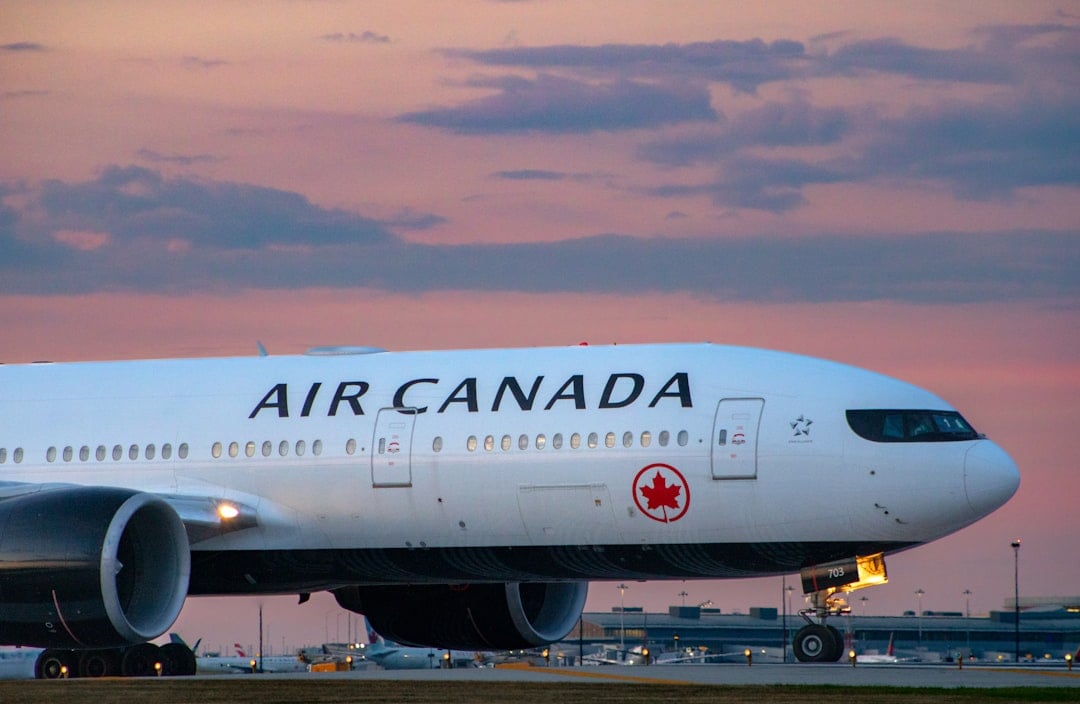
On March 22, a fatal collision occurred at LaGuardia Airport involving an Air Canada Express CRJ-900. Two pilots were killed, and several others were injured. LaGuardia remained closed to flights until at least 2 p.m. local time on March 23.
The Newark odor incident was unrelated to that tragedy. Newark’s issue involved a tower evacuation after a burning smell, not an aircraft collision.
That distinction matters for travelers. A flight delay at Newark today should not be confused with the LaGuardia emergency. They affected different airports, different operations, and different recovery timelines.
What travelers should expect after operations resume
The ground stop was lifted by midday on March 23, but that did not mean the schedule instantly normalized. Congestion can continue for hours after the official all-clear.
That is because “resumed operations” and “full recovery” are not the same thing. A reopened tower lets flights move again. It does not erase missed departures, backed-up gates, or crews out of position.
If you were affected, here is what to expect in general terms:
- Your airline may rebook you on the next available flight.
- You may face a much later departure than the one originally planned.
- If your trip was canceled, refund rules depend on the fare type and ticket conditions.
- Keep receipts and screenshots if you have hotel, meal, or ground transport costs tied to the delay.
- Watch for schedule changes through the afternoon, especially if you connect through Newark.
Mileage and points travelers should pay attention too. A long delay can mean missed mileage runs, broken connection plans, and weaker award-trip value if you need to rebook at a higher rate. If you were ticketed on a paid fare, keep an eye on whether the airline preserves your original routing or shifts you to a new one.
If you book with miles, rebooking flexibility can vary by program. Some carriers let you change award tickets more easily than cash fares, while others charge redeposit or change fees on certain ticket types. That makes it smart to review your booking rules before you call in.
For elite flyers, delays can also affect same-day plans tied to lounge visits, upgrade windows, or status runs. If Newark is the first leg of your trip, the delay may cascade into missed segments and lost time on the ground.
The agencies involved and what happens next
The FAA confirmed the odor event and handled the operational relocation. The Port Authority of New York and New Jersey confirmed the airport-side move to the backup tower.
Airport operations teams then worked with federal and local authorities to restore normal service. That coordination is what you want to see after a control-tower issue. It suggests the problem was contained quickly and without injury.
Going forward, the main focus usually shifts to three things:
- Recovery of the flight schedule
- Inspection and repair of the equipment involved
- Continued communication with travelers and airlines
In this case, the elevator gear issue was identified as the cause of the odor. That points to a mechanical problem, not a broader airport emergency.
The bigger lesson for travelers is that Newark can bounce back fast, but not instantly. If you are flying today, treat every departure update as fluid through the afternoon. The people most likely to get burned by this one-hour stop are the ones who assume the schedule is already back to normal.
If you are booked through Newark on March 23, check your flight again before heading to the airport, and expect the day’s final departures to normalize later than the tower itself did.