- Winter Storm Fern is causing major air travel disruptions across 40 states through Monday.
- Over 15,000 flights are affected, with Southwest and American airlines seeing the highest cancellations.
- Travelers should use airline waivers and mobile apps to rebook before peak impacts hit hubs.
(MAINE) — Winter Storm Fern is already rewriting weekend travel plans nationwide, and your best “storm strategy” depends on which airline you’re flying. If you have any flexibility, Delta is usually the easiest for last-minute changes, while Southwest can be the cheapest to pivot if you’re paying cash. If you’re chasing elite status or need international backup options, United and American can be the smarter play—especially if you know how to reroute around jammed hubs.
The storm—an unofficial media nickname used by The Weather Channel, while government forecasts stick to National Weather Service terminology—covers a huge swath of the map. Think 2,300 miles from the Southwest to Maine, touching about 40 states and potentially affecting 235 million people. That scale matters because U.S. air travel is a tightly connected web.
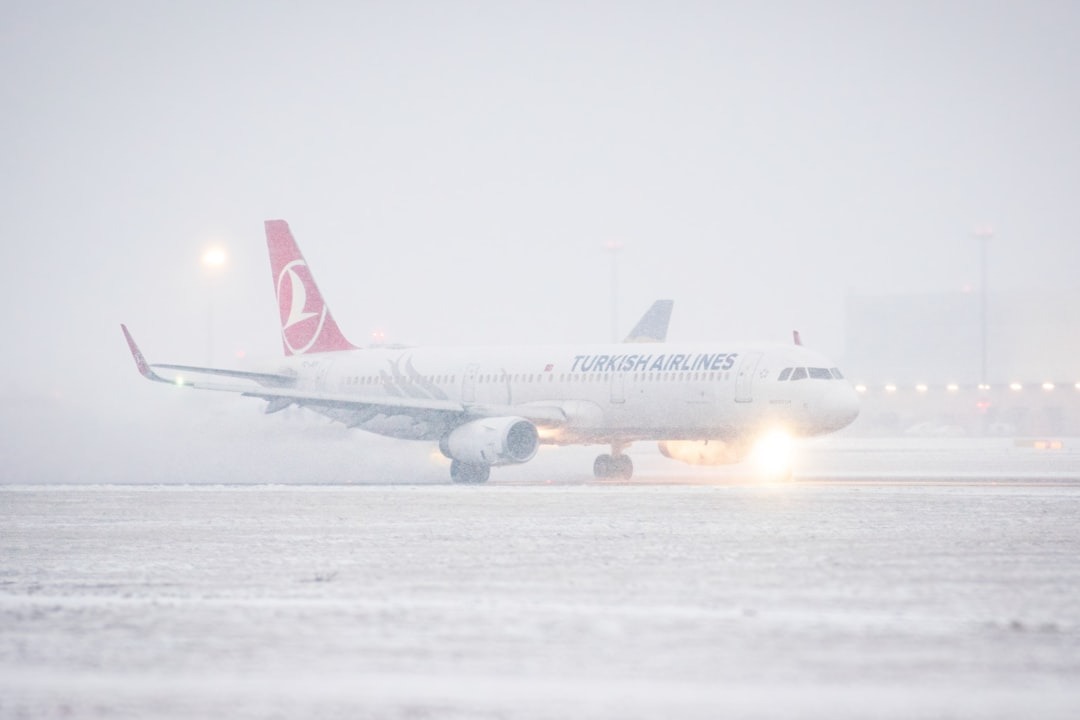
When dozens of airports slow down at once, delays ripple far beyond the snow line, and the “good” itinerary at booking can become the worst one at go-time.
Storm scope: why this one hits airlines especially hard
Fern isn’t just a snowstorm. It’s snow, sleet, icing, and brutal cold in different regions at the same time. Airlines can often recover quickly from a narrow band of snow, but this one hits a multi-region corridor from the Plains into the Southeast, then into the Mid-Atlantic and Northeast.
That drags down the very routes carriers use to reposition crews and aircraft. Winter Storm Warnings and Ice Storm Warnings stretching across multiple time zones are also a signal. Airlines don’t wait for the first flake to cancel; they start thinning schedules early, because once crews time out and planes end up in the wrong cities, the mess compounds for days.
Peak impacts run through Monday, Jan. 26, which means weekend flyers and Monday business travelers are competing for the same rebooking seats.
Forecast hazards: what actually breaks the system
Snow is the obvious villain, but it’s the “airport math” that hurts you. Snow slows runway operations, limits de-icing pad throughput, and triggers ground stops. Even a well-equipped hub can handle only so many de-icing cycles per hour.
When the schedule is still full, the line of aircraft waiting to depart becomes the delay. Ice is usually worse than snow for travelers: a half-inch of ice can mean downed trees, blocked access roads, and power interruptions, as well as longer aircraft de-icing times and tighter safety margins.
That combination often pushes airlines from “delayed” to “canceled,” because it becomes hard to predict legal crew duty times. Extreme cold adds a third layer: ground equipment fails more often, fueling slows, and baggage systems struggle. Even after precipitation ends, you can see rolling delays as aircraft and crews remain out of position.
For you, forecast ranges matter more than the single highest number. “Up to 25 inches” isn’t the point; the point is when visibility drops, when icing peaks, and whether your departure window overlaps the worst hour. In aviation, timing beats totals.
Disruptions snapshot: what the numbers mean for your ticket
As of early Saturday, more than 15,000 U.S. flights have already been disrupted, including nearly 10,000 cancellations through Monday and over 5,000 delays. Those are systemwide numbers, so don’t assume your airport will match them. A clear morning in one city can still produce a cancellation if your aircraft is stuck elsewhere.
Big hubs amplify the pain. When major connecting airports slow down, you’re not just competing with passengers from your city—you’re competing with everyone whose connection collapsed. Crew positioning is another choke point. Airlines can’t simply “swap in” a new crew if hotels are full, roads are icy, or crews are stranded on the wrong side of a ground stop.
That’s why rebooking bottlenecks happen fast. One airport closure can trigger hundreds of misconnects, and those passengers grab the last seats on later flights.
This section will be paired with an interactive tool that shows real-time flight disruption maps and numbers; the tool will provide the visual breakdown by airport and carrier.
The airline comparison: who’s most traveler-friendly during Fern?
Below is how the big four stack up for most travelers right now. The cancellation and delay counts shown are early-Saturday figures.
| Category | Delta | Southwest | United | American |
|---|---|---|---|---|
| Early-Saturday cancellations | 165 | 571 | 150 | 822 |
| Early-Saturday delays | 33 | 33 | 45 | 30 |
| Network style | Hub-and-spoke | Point-to-point (plus focus cities) | Hub-and-spoke | Hub-and-spoke |
| Change-fee culture | Generally flexible on most fares | Very flexible on cash fares | Flexible on many fares | Flexible on many fares |
| Best storm play | Same-day changes, app handling, smoother reaccom | Cheap pivots, credits, easy changes | Reroutes via multiple hubs, partner options | Lots of flights, but hubs can clog |
| Points angle | Strong SkyMiles reissue workflows | Points refunds are straightforward | Great Star Alliance backup options | OneWorld options can save a trip |
Those cancellation counts don’t automatically mean one airline is “bad.” They often reflect where the airline is most exposed. If your carrier has a huge operation in the storm zone, it may cancel more because it’s being more proactive.
But as a passenger, you care about one thing: how quickly you can get rebooked on something that actually operates.
Price and ticket flexibility: cash travelers vs points travelers
If you’re paying cash, Southwest is often the easiest airline to pivot on short notice. Its fare-credit system can be forgiving, and a lot of routes have multiple daily frequencies. The tradeoff is that if a storm hits several Southwest-heavy cities at once, seats disappear fast.
Delta, United, and American have mostly removed change fees on many main-cabin and premium fares. Basic economy is where you can still get trapped, depending on the ticket rules. In a storm, waivers can soften those restrictions, but only if your flight and dates are included.
If you booked with points, your flexibility depends on the program rules and how backed up phone lines are. The practical advantage of miles is that you can often “buy” flexibility by switching to a higher-mileage routing that avoids the messiest hubs.
⚠️ Heads Up: When cancellations spike, the best rebooking options often disappear in the first hour after a waiver drops.
Comfort and recovery: why hubs matter more than legroom
Comfort during a storm week is less about seat pitch and more about recovery odds. A carrier with multiple hubs gives you more ways to route around the worst weather. That favors United and American, because you may be able to dodge the Northeast by routing through a southern hub, or vice versa.
But hub strength cuts both ways. If your itinerary relies on a mega-hub that’s getting hammered—think Dallas/Fort Worth, Atlanta, New York-area airports, Boston, Philadelphia, or Washington—your odds of misconnecting go up. One missed connection can mean an overnight, and hotels sell out quickly when roads are bad.
Miles, points, and elite status: the hidden cost of a cancellation
- Elite status chasers: A canceled flight can mean lost segments or spending credit. Rebooking onto a partner or a different fare bucket may earn differently. If you’re close to a status threshold, confirm the rebooked flight still earns the way you expect.
- Award travelers: If you have miles in multiple programs, this is when optionality pays off. United’s Star Alliance access and American’s oneworld network can offer alternate routings when domestic seats are gone.
- Credit card protections: Trip delay and interruption coverage can be the difference between paying $350 for an airport hotel or getting reimbursed. Save receipts, and keep an eye on minimum delay requirements.
Airport impacts and waivers: how to use them without guessing
Airline waivers usually come with three moving parts: eligible travel dates, eligible airports, and what the waiver lets you do. In many cases, you can change flights without a change fee, but you may still owe a fare difference. If your flight is canceled, refunds are typically available, even on nonrefundable tickets.
Delta has already published waivers through Jan. 26 in several impacted regions. Other carriers have been adjusting policy quickly as forecasts tighten.
- Check your airline app first for a waiver banner and self-service options.
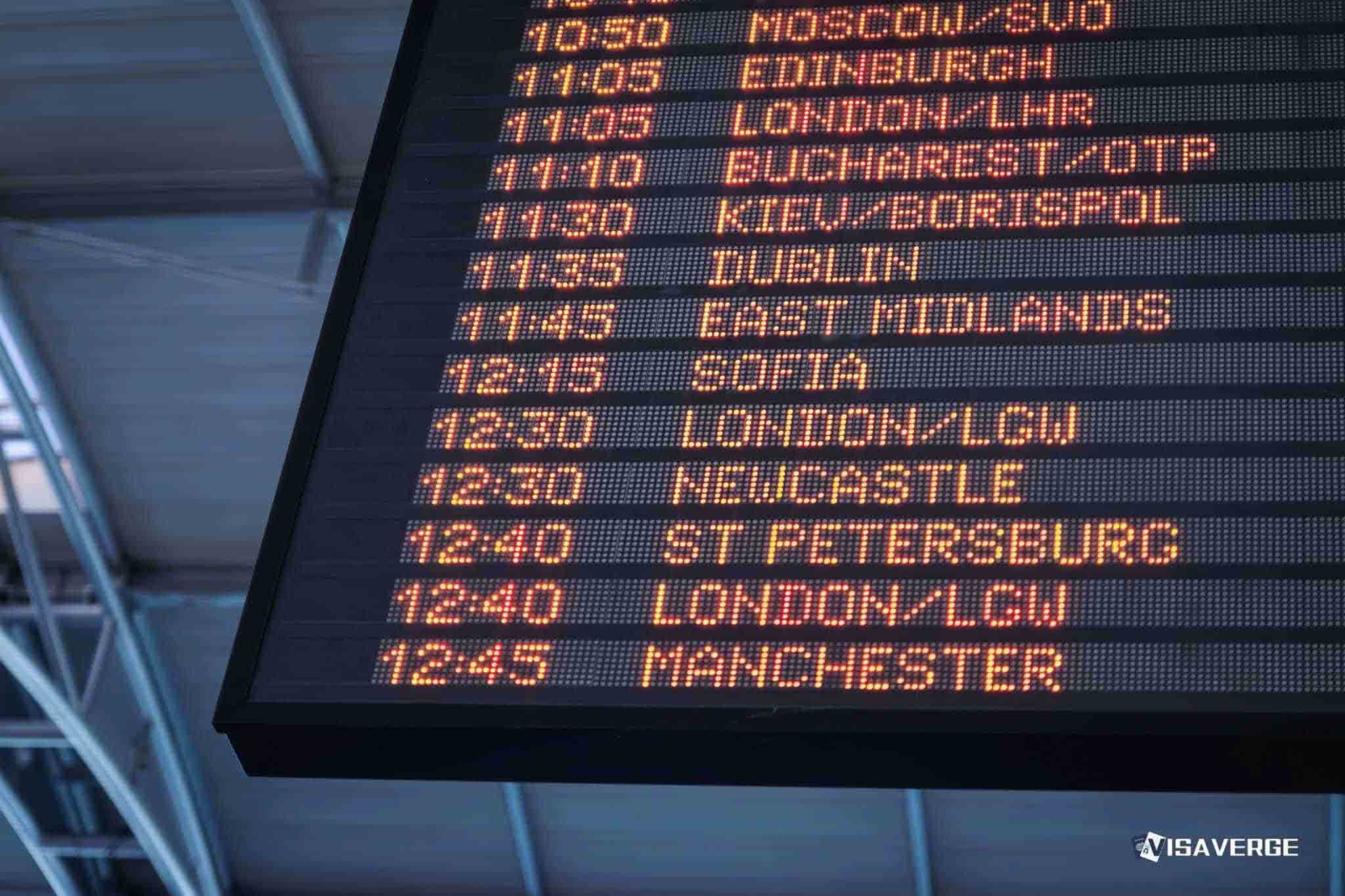
- Check your airport’s departure board for patterns, not one-off delays.
- Watch for FAA air traffic initiatives, which can delay flights far from the storm.
Conditions can swing within hours. A runway that looks fine at noon can become a de-icing choke point by 4 p.m., when temperatures drop and the evening bank arrives.
Timeline: when the “worst day” depends on where you live
Fern’s progression matters because disruption centers move. Friday’s problems started in the Southern and Central Plains. Saturday shifts deeper into the Southeast, with ice a major wild card. Sunday pushes into the Mid-Atlantic and Northeast, with the DC–New York–Boston corridor at risk.
Monday is the recovery day on paper, but in practice it can be the day you’re still stuck, waiting for aircraft and crews to get back into place. Also plan for ground access to break down: icy highways can turn a 45-minute drive into a two-hour crawl. Missed check-in cutoffs are common in storms, and TSA staffing can vary when local offices and schools close.
If you’re traveling to or from Maine, don’t just watch your home airport. Track the hubs your flight relies on. A sunny Bangor doesn’t help if your inbound aircraft is stuck in New York or Boston.
This section will be paired with an interactive timeline tool that shows the storm’s progression by region and the expected peak impact windows.
Government actions: what emergency declarations mean for your trip
States of emergency across at least 18 states and National Guard activations are about safety and continuity, not airline compensation. Still, they affect the traveler experience in practical ways. More road treatment and emergency posture can help access to airports, but closures of schools and government offices can thin staffing across services you rely on, from airport concessions to hotel front desks.
FEMA readiness and federal coordination can also signal how serious the infrastructure risk is, especially with ice and potential power outages. Meanwhile, the FAA’s role is immediate for you. Air traffic flow programs, ground stops, and miles-in-trail restrictions can delay departures even outside the storm zone.
Choose Delta, Southwest, United, or American based on your scenario
Pick the airline that matches your goal, not the one with the lowest fare.
Choose Delta if…
- You value smoother self-service changes in the app.
- You can shift departure times and want same-day options.
- You’d rather take one connection that works than three that fail.
Choose Southwest if…
- You’re paying cash and want the easiest path to change plans.
- You can fly earlier in the day when operations are calmer.
- You’re fine with open seating dynamics and don’t need first class.
Choose United if…
- You need multiple hub options to route around the storm.
- You have Star Alliance miles that can open alternate paths.
- You’re willing to connect creatively to avoid clogged Northeast airports.
Choose American if…
- Your city pairs are best served by American’s schedule.
- You can avoid the most affected connecting hubs on your dates.
- You have oneworld miles to fall back on if domestic space dries up.
A quick reality check on “just reroute”
Rerouting is powerful, but it’s not magic. When tens of thousands of passengers are displaced, the next-best itinerary might be two days later. That’s why acting early matters: the first travelers to rebook usually get the last reasonable seats.
Also, don’t ignore train or one-way car rentals when the storm is regional. If the forecast is worst on your connection point, it can be smarter to cancel and travel a day later than to gamble on an itinerary that collapses mid-trip.
What to monitor before you leave for the airport
Ice can bring power outages, and that affects everything from traffic lights to hotel availability. Keep charging options ready, and don’t assume you’ll have reliable mobile service in every spot.
National Weather Service guidance to avoid travel is aimed at safety, not convenience. If your trip is optional, postponing can be the best “deal” you book all year. If travel is necessary, focus on signals that justify changing plans fast: expanding warning areas, deteriorating timing, and airports shifting from delays into cancellations.
Your best real-time sources are the airline app, your departure and arrival airport sites, FAA advisories, and reputable flight tracking tools. If you’re flying Sunday or Monday, treat Saturday night as the decision point. If a waiver is available, lock in a better routing before the Monday recovery crunch hits.