

Key Takeaways
• In January 2025, World Betar Movement sent a “deportation list” of 30 foreign students to U.S. authorities for alleged pro-Palestinian activities.
• President Trump’s 2025 executive order mandates stricter visa monitoring for foreign nationals accused of promoting ideologies against U.S. values.
• Mahmoud Khalil’s detention sparked protests, raising concerns about free speech, misuse of surveillance, and ethical implications of Betar’s data collection methods.
In January 2025, the World Betar Movement, a Zionist organization, introduced a controversial initiative targeting foreign students in the United States. These students were accused of participating in pro-Palestinian activities on college campuses, which Betar deemed anti-Semitic or supportive of Hamas. The organization compiled a list of approximately 30 names, referred to as the “deportation list,” and submitted it to the Trump administration, urging governmental action to revoke these students’ visas and deport them.
The individuals identified on this list hailed from countries like Jordan 🇯🇴, Syria 🇸🇾, Egypt 🇪🇬, Canada 🇨🇦, and the United Kingdom 🇬🇧, and were students at prominent U.S. universities such as Columbia University, UCLA, the University of Michigan, and George Washington University. The names on the list were gathered through advanced surveillance technologies, including facial recognition software and databases, which raised concerns about privacy and ethics in data collection. This initiative aligned with President Trump’s 2025 executive order, designed to intensify scrutiny of foreign nationals accused of promoting hateful or extremist ideologies.
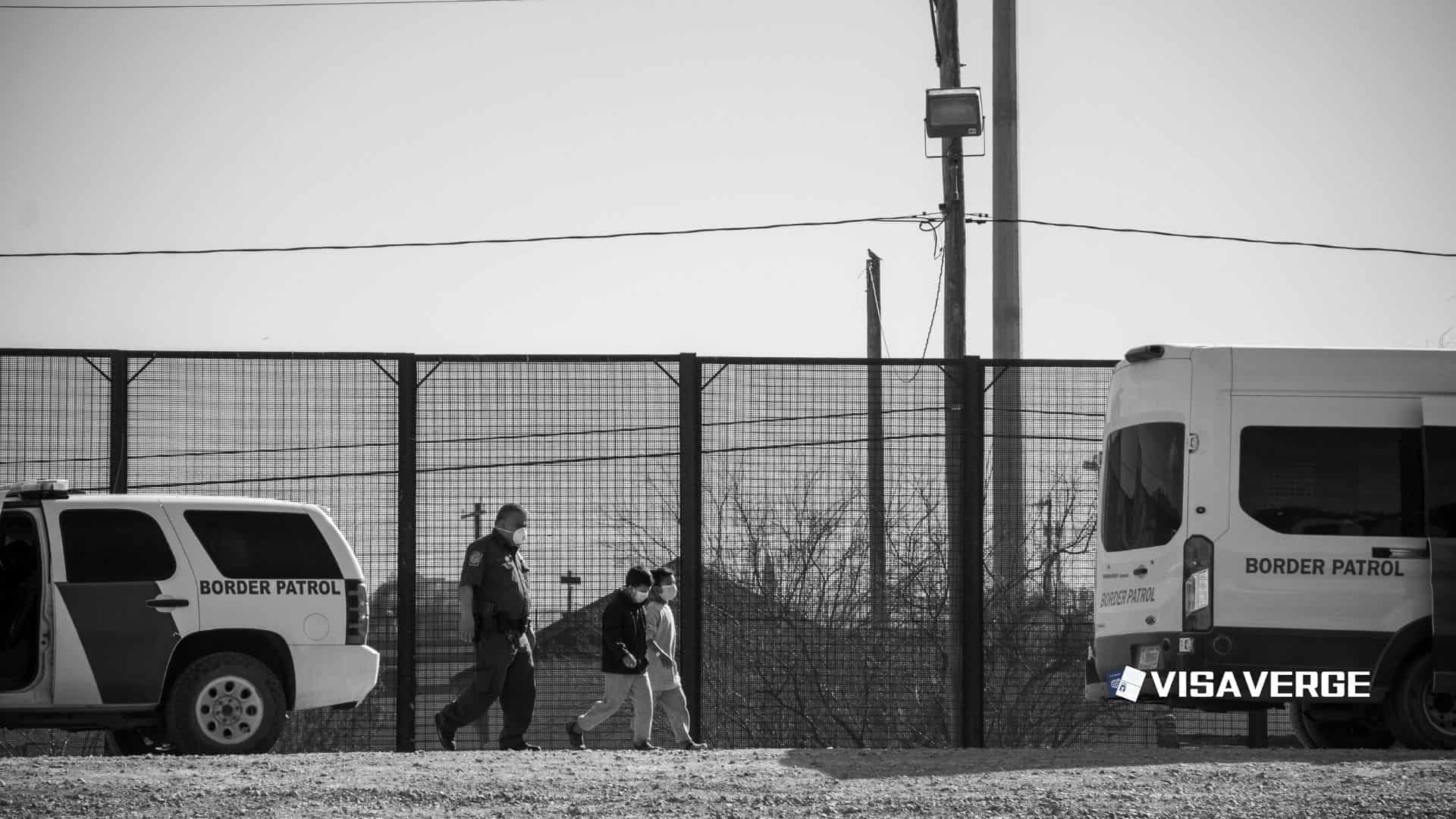
Betar’s actions and the executive order sparked widespread debate. Supporters saw it as a necessary step to combat growing anti-Semitism on university campuses and to enhance national security, while critics viewed it as a thinly disguised attack on free speech, opening the floodgates for political and ethnic discrimination under the guise of immigration enforcement. The legal and ethical implications of this initiative have sparked protests and legal challenges, exposing deep divisions over U.S. immigration policies and civil rights.
Protests and Backlash
The deportation list’s revelation prompted immediate and vocal opposition across the United States. Civil rights advocates, student organizations, and legal experts publicly denounced the move as a violation of constitutional protections, particularly the right to free speech. Among the most vocal groups was the American-Arab Anti-Discrimination Committee, which criticized the initiative as discriminatory and vowed to challenge it in court.
Public outrage intensified after the detention of Mahmoud Khalil, a Palestinian student at Columbia University. Khalil, a U.S. permanent resident with an American spouse, was accused of supporting Hamas based on his alleged participation in campus protests against Israeli policies. Federal immigration officials acted under the framework of the executive order, detaining Khalil despite his insistence that these allegations were unfounded. This case became emblematic of the tensions at play, where national security policies intersect with personal freedoms and academic activism.
Khalil’s detention led to protests on multiple college campuses, including a widely publicized sit-in organized by Jewish Voice for Peace at Trump Tower on March 13, 2025. Protesters chanted slogans supporting Khalil and decrying governmental overreach, while holding banners condemning the deportation list. Police ultimately arrested nearly 100 demonstrators on charges like trespassing, but the attention highlighted both the stakes of the debate and the level of public dissatisfaction.
Balancing National Security and Civil Liberties
The deportation list raises questions about balancing national security and the constitutional freedoms of individuals, particularly those of foreign nationals in the U.S. The Trump administration has defended its actions by directly tying pro-Palestinian protests to support for organizations like Hamas, which is classified as a terrorist group in the U.S. and Israel 🇮🇱. From this perspective, allowing individuals with such affiliations to remain in the U.S. risks undermining both national security and the country’s alliance with Israel.
President Trump’s 2025 executive order emphasizes stricter background checks and visa monitoring for foreign nationals accused of promoting ideologies contrary to U.S. values. Supporters, including members of the World Betar Movement, argue that this approach is critical to ensuring campus environments are not exploited for anti-Semitic propaganda. Activists associated with these efforts see them as combating not just hate speech but also the potential for extremist violence.
However, opponents contend that such policies risk setting dangerous precedents, undermining the basic principles of free speech. Critics of the deportation list assert that dissenting views on Israel’s policies should not be equated with hate or terrorism. Labeling all pro-Palestinian activism as extremist could discourage open dialogue on important geopolitical issues while unfairly penalizing individuals for political opinions.
Civil liberties groups emphasize that the use of advanced technology, like facial recognition, in constructing the deportation list presents further challenges. Surveillance conducted without oversight could lead to invasive monitoring based on race, religion, or political beliefs, eroding trust and fostering a culture of fear. Some legal experts have warned that these actions could open a legal gray area, especially regarding how private organizations influence public policies with ethically questionable methods.
The Legal Battle and Ongoing Challenges
The case of Mahmoud Khalil is pivotal in shaping the future trajectory of this debate, as its legal outcomes could set far-reaching precedents impacting both immigration enforcement and the scope of free speech allowed for foreign nationals in the U.S. A U.S. District Judge recently delayed Khalil’s deportation, granting temporary relief while his defense team argues that the executive order unfairly targets peaceful political dissent. His legal team is also spotlighting potential violations of due process, as well as misapplications of immigration law.
At the heart of the legal debate lies a fundamental question about who defines extremism and how these interpretations align with constitutional protections. If Khalil’s deportation proceeds, it could embolden further actions against foreign nationals under similar justifications. Alternatively, if the courts reject the executive order’s application in this case, it could curtail the precedent of leveraging immigration laws as tools for suppressing dissent. Either scenario carries significant consequences for those navigating immigration policies in politically charged climates.
Civil rights lawyers are also challenging the government’s partnership with private organizations, such as the World Betar Movement, to obtain sensitive data on foreign nationals. Critics believe that circumventing due process to act on unverified information provided by external groups jeopardizes transparency and impartiality in policymaking. Calls for stricter oversight and regulation have emerged in response to concerns that technology-driven lists may lead to wrongful targeting of innocent individuals.
Broader Implications
- Impact on U.S.–Israel Relations:
The deportation list aligns closely with policies that strengthen U.S.–Israel cooperation, reflecting the Trump administration’s unwavering support for Israeli interests. However, this alignment risks further polarizing American society, where debates about free speech and academic freedom are already heated. Internationally, these moves may strain U.S. relations with Palestinian authorities, increasing tensions in the Middle East. -
Precedents for Immigration Policy:
Using immigration laws to silence political dissent is a significant shift that might affect a wide range of social and political movements. Critics warn that this approach could extend to other forms of activism, threatening to undermine the U.S.’s reputation as a haven for free expression. -
Civil Liberties at Stake:
Actions like the deportation list raise alarms about government encroachments on personal rights. The blending of immigration enforcement with political agendas highlights the tension between maintaining security and upholding the societal freedoms that define the U.S. ethos.
Conclusion
The controversy surrounding the submission of the deportation list by the World Betar Movement encapsulates a larger battle at the crossroads of civil liberties, immigration law, and global political alliances. While proponents see it as a justified step to root out extremism and support longstanding partnerships with Israel, critics view it as an alarming overreach into the realms of free speech and academic freedom.
As legal challenges move forward and the fate of individuals like Mahmoud Khalil remains uncertain, these debates will profoundly influence future immigration policies and the rights of foreign nationals in the U.S. For those affected, this is not merely a policy issue—it is a question of justice, fairness, and the meaning of democracy in the modern age. As reported by VisaVerge.com, whether these actions are deemed justified or discriminatory will echo far beyond immediate legal outcomes, influencing the trajectory of civil liberties and immigration systems for years to come.
For further details on visa-related regulations, visit the official U.S. Citizenship and Immigration Services (USCIS) website, which offers comprehensive resources on legal requirements and related policies.
Learn Today
Zionist organization → A group advocating for Jewish sovereignty and self-determination, often linked to support for Israel’s establishment and policies.
Pro-Palestinian activities → Actions or protests supporting Palestinian rights, self-governance, or opposition to Israeli government policies regarding Palestine.
Facial recognition software → Technology that identifies individuals by analyzing and matching unique facial features, often used in surveillance.
Executive order → A directive issued by a U.S. president to manage federal operations, carrying legal force without requiring congressional approval.
Due process → Legal right ensuring fair treatment in judicial and administrative processes, protecting individuals from arbitrary actions by authorities.
This Article in a Nutshell
The 2025 “deportation list,” targeting foreign students linked to pro-Palestinian campus activities, sparked global uproar. Critics labeled it a threat to free speech, while supporters called it essential for combating extremism. Utilizing facial recognition technology, this controversial initiative tests America’s balance between civil liberties, national security, and immigration policy in an increasingly polarized era.
— By VisaVerge.com
Read more:
• Trump Plans to Use 1798 Alien Enemies Act to Speed Up Deportations
• Trump Turns to 1798 Alien Enemies Act to Speed Up Deportations
• USCIS Reminds Immigrants to Update Address or Risk Deportation
• Green Card and Student Visa Holders in the U.S. Can Face Deportation Too
• Wife of Mahmoud Khalil Reflects on Activist’s Struggles and Deportation Fight


