Key Takeaways
- Military deportation flights, costing up to $3 million each, were suspended on March 5, 2025, due to high expenses.
- ICE-operated charter flights cost $8,500/hour vs. $28,500/hour for military C-17 aircraft, highlighting significant cost differences.
- Diplomatic resistance peaked as Colombia blocked U.S. military deportation flights in January 2025, straining bilateral relations.
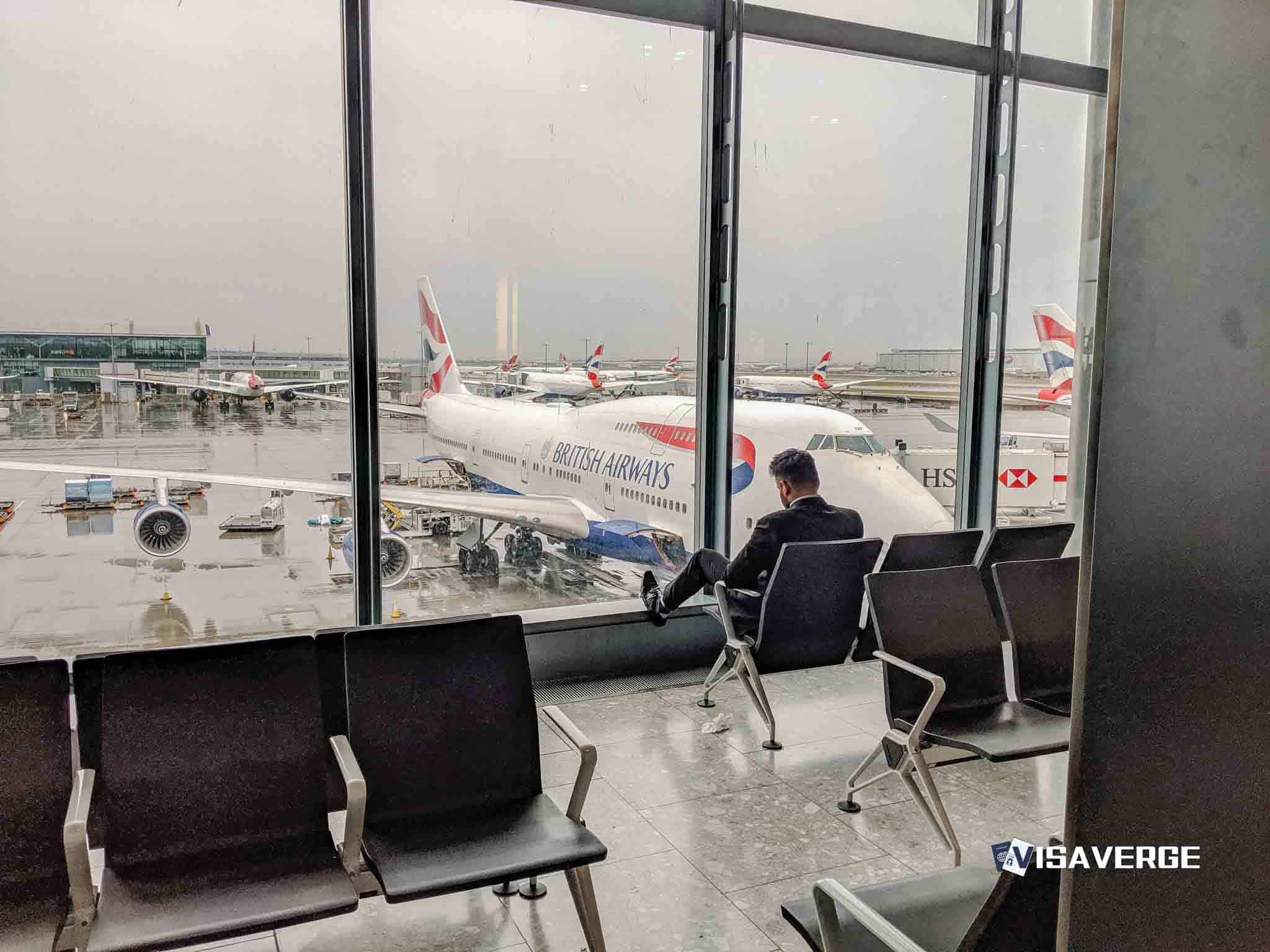
The U.S. government’s decision to pause the use of military aircraft for deportation flights represents a significant moment in immigration enforcement policies. Announced on March 5, 2025, this move comes as the Trump administration grapples with the immense costs and operational difficulties of using military resources for deporting individuals who entered the United States without legal authorization. The suspension of these flights, which utilized large military planes like the C-17 aircraft primarily designed for cargo and troop transport, underscores the growing challenges of balancing efficient deportation operations with fiscal responsibility.
How Deportation Flights Were Conducted
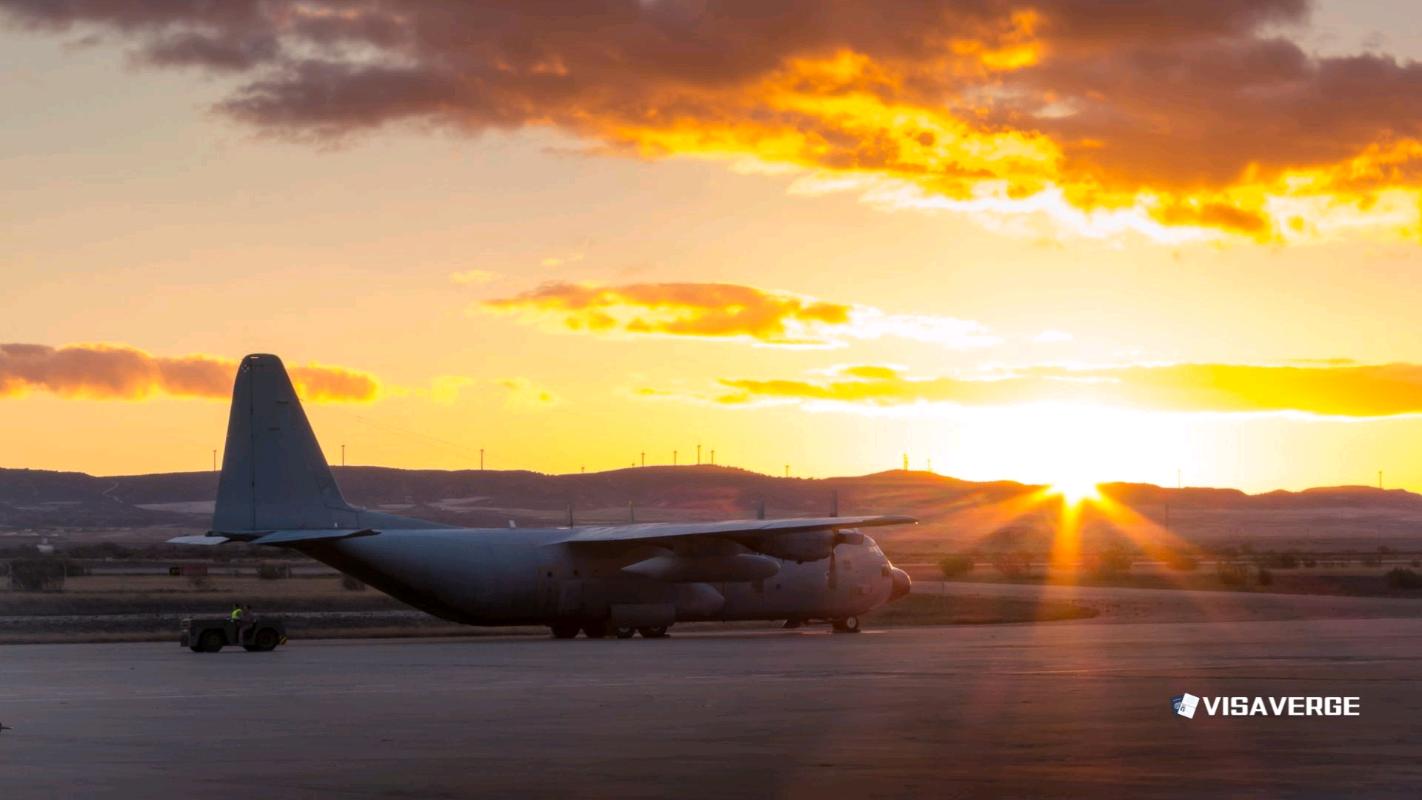
The now-suspended flights had been operating using military aircraft, including the C-17 and C-130 planes. These planes flew to a range of countries, including India 🇮🇳, Guatemala 🇬🇹, Ecuador 🇪🇨, Peru 🇵🇪, Honduras 🇭🇳, Panama 🇵🇦, and even Guantanamo Bay. Since the first such flights, about 30 deportation missions were carried out with military aircraft.
Yet reports indicate that the high price tag and operational roadblocks pushed for a reevaluation of this tactic. Costs and logistical challenges proved too high to ignore, and March 1, 2025, marked the date for the last such military deportation flight before the pause. While this suspension could stretch indefinitely, defense officials have not ruled out the possibility of resuming such missions in the future.
Steep Costs of Military Deportation Flights
One of the main reasons cited for halting these deportation missions is the staggering expense linked to using military resources. For instance, transporting deportees to India using such flights carried an estimated cost of $3 million each. For context, this figure significantly outweighs the operational costs of Immigration and Customs Enforcement (ICE), which traditionally manages deportation flights using charter or commercial aircraft.
The C-17 aircraft, a plane designed to carry immense cargo or military troops, is particularly expensive when used for deportation purposes. It costs $28,500 per hour to operate, as reported by the U.S. Transportation Command. Comparatively, ICE’s usual flights cost about $8,500 per hour, making them far less burdensome on taxpayers.
A Reuters investigation sheds even more light on the extraordinary cost discrepancies. A military flight that carried 64 migrants to Guatemala 🇬🇹 on January 27, 2025, translated to an approximate cost of $4,675 per person. This price tag, according to the report, was five times higher than a first-class ticket purchased on a commercial flight for the same journey.
Additional flights to Guantanamo Bay revealed similar inefficiencies. In one case, deporting just 12 individuals to this remote location cost an alarming $20,000 per person. These figures have fueled criticism that using military resources for deportation is unsustainable.
Logistical and Diplomatic Hurdles
The staggering costs of military deportation flights are only part of the story. Logistical challenges contributed equally to the government’s decision to pause these operations. Among the most pressing issues were restrictions on where these aircraft could travel. For example, flights using military planes to deport migrants to Central and South America often avoided Mexican airspace due to Mexico’s refusal to allow their passage. As a result, flight durations were extended considerably to bypass Mexican territory, increasing both time inefficiencies and operational expenses.
Beyond the logistical complications of flight paths, the policies provoked responses from destination countries that adversely impacted U.S. diplomatic relations. Several of these nations expressed resistance to welcoming returning citizens through military flights. Instead, they preferred taking charge of deportation logistics by organizing deportees’ travel themselves or relying on commercial aircraft provided by the United States. In some cases, the refusal of nations like Colombia 🇨🇴 to accept military deportation flights created heated tension between the U.S. and its counterparts abroad.
A striking example of this resistance came in January 2025, when Colombia’s President Gustavo Petro publicly blocked two U.S. military planes carrying deported migrants from landing in his country. This rejection highlighted the diplomatic friction caused by using military aircraft—issues that have ramifications beyond immigration policy and could influence broader bilateral ties.
Shift in Strategy Under Financial and Diplomatic Pressure
While the Trump administration has closely aligned itself with strict deportation policies, including the expansion of expedited removals across the nation, the use of military hardware for such missions has emerged as a controversial strategy. Reports from VisaVerge.com suggest that external critiques, as well as practical inefficiencies, have pressured the administration to reconsider whether this approach aligns with its objectives.
Following this suspension, ICE is expected to reclaim its central role in deportation operations. Before military involvement, ICE primarily relied on private charter and commercial aircraft that allow for deportation enforcement in a more cost-effective manner. Evaluations are underway to determine whether reverting fully to these conventional methods could help relieve pressure from taxpayers while maintaining efficiency.
According to official data, the number of individuals deported on average each day has stayed consistent with previous years. This highlights that while the transport method might be changing, the volume of deportations remains steady—a detail that could reassure stakeholders monitoring the administration’s deportation activity.
Human Rights Concerns Over Military Deportation Flights
Beyond costs and operational inefficiency, questions have also been raised concerning the treatment of those onboard these deportation flights. Even individuals without any criminal record acknowledged they were often treated with minimal dignity during the journey. Accounts from deportees suggest strict conditions involving traveling handcuffed, having shoelaces removed to prevent harm, and limited access to restroom facilities.
Some deportees have openly condemned the quality of their treatment, describing it as degrading. One Colombian deportee went as far as calling his experience akin to being “treated like dogs.” ICE, while defending its practices, has publicly stated its commitment to ensuring humane conditions during deportations. Still, the criticisms surrounding military-managed missions have triggered more thorough scrutiny by immigrant advocacy groups.
Broader Implications for International Relations
The aggressive use of military aircraft in immigration enforcement has likely placed strain on U.S. foreign relations, particularly with Latin American countries. While many nations have voiced opposition through actions like denying flight access, Mexico 🇲🇽 has chosen to play a quieter diplomatic role, carefully navigating its bilateral relationship with Washington. By focusing on reintegrating deported citizens, Mexico appears to avoid direct conflict while subtly opposing U.S. deportation tactics.
These issues illustrate that deportation policies extend far beyond domestic concerns. International cooperation remains vital to ensuring smooth operations, especially as resistance from other countries could disrupt the system entirely. How deportation strategies evolve in the months ahead will likely affect both U.S. domestic policies and its relationships with global and regional allies.
The Future of U.S. Deportation Policies
The suspension of military deportation flights has introduced new uncertainties about the future trajectory of deportations in the U.S. While this pause addresses concerns over financial burdens and diplomatic consequences, it remains unclear whether the Trump administration will move forward with entirely cost-efficient alternatives or leave room for occasional military involvement in extreme cases. Notably, the Pentagon continues to play a role in border security, with active-duty troops deployed at the southern border. However, their roles have yet to be fully clarified.
In light of the suspension, focus has now shifted to ICE’s capacity to escalate its operations using traditional resources. Whether ICE can meet the demands for deportations at lower costs while placating strained international relations remains an open question.
Final Thoughts
The decision to halt military deportation flights is far more than an operational change; it signals the complexities of enforcing stringent deportation policies that meet both domestic priorities and international realities. While more changes are likely to come, one constant remains clear: balancing cost-effectiveness, diplomatic respect, and humane deportation practices will continue to be a challenge for the U.S.
For further official information on U.S. deportation procedures and policies, visit the U.S. Immigration and Customs Enforcement (ICE) website at www.ice.gov.
Learn Today
Deportation → The forced removal of individuals from one country to another, typically due to legal violations or lack of authorization.
Military Aircraft → Large planes designed for military purposes, such as transporting cargo or troops, occasionally adapted for other uses.
Fiscal Responsibility → The government’s obligation to efficiently manage financial resources and minimize unnecessary or excessive spending.
Diplomatic Relations → The management of international relationships between countries, often involving negotiation, cooperation, or resolving conflicts.
Expedited Removals → Fast-tracked processes for deporting individuals without standard court hearings, often used for unauthorized immigrants.
This Article in a Nutshell
The U.S. paused military deportation flights, citing massive costs and strained diplomacy. Flights like C-17 missions cost taxpayers millions per trip, far exceeding ICE’s charter flight expenses. International backlash, logistical hurdles, and human rights criticism forced a strategic shift. The move spotlights growing challenges in balancing fiscal responsibility, efficiency, and humane immigration enforcement.
— By VisaVerge.com
Read more:
• Trump Pushes for Deportation Funds While Facing Laken Riley’s Parents
• New Policy Clarifies Use of Notices to Appear for Deportation Cases
• Republicans Focus on 4 Sanctuary Cities as Trump Backs Deportation Plan
• US Beef Supply Faces Uncertainty as Haitian Workers Face Deportation
• Oakland Students Walk Out of Class to Protest Deportation Orders