


- Returning citizens will face routine facial scans and enhanced biometric verification at all 2026 entry points.
- Primary inspections now regularly add 15 to 30 minutes due to mandatory identity matching technology.
- CBP retains authority to search electronic devices without a warrant during secondary inspection referrals.
U.S. citizens returning from abroad should expect routine questioning, facial scans, and possible secondary inspection at airports, seaports, and land borders in 2026. They cannot be refused entry, but they can face delays, device checks, and biometric verification that now operates at every port of entry.
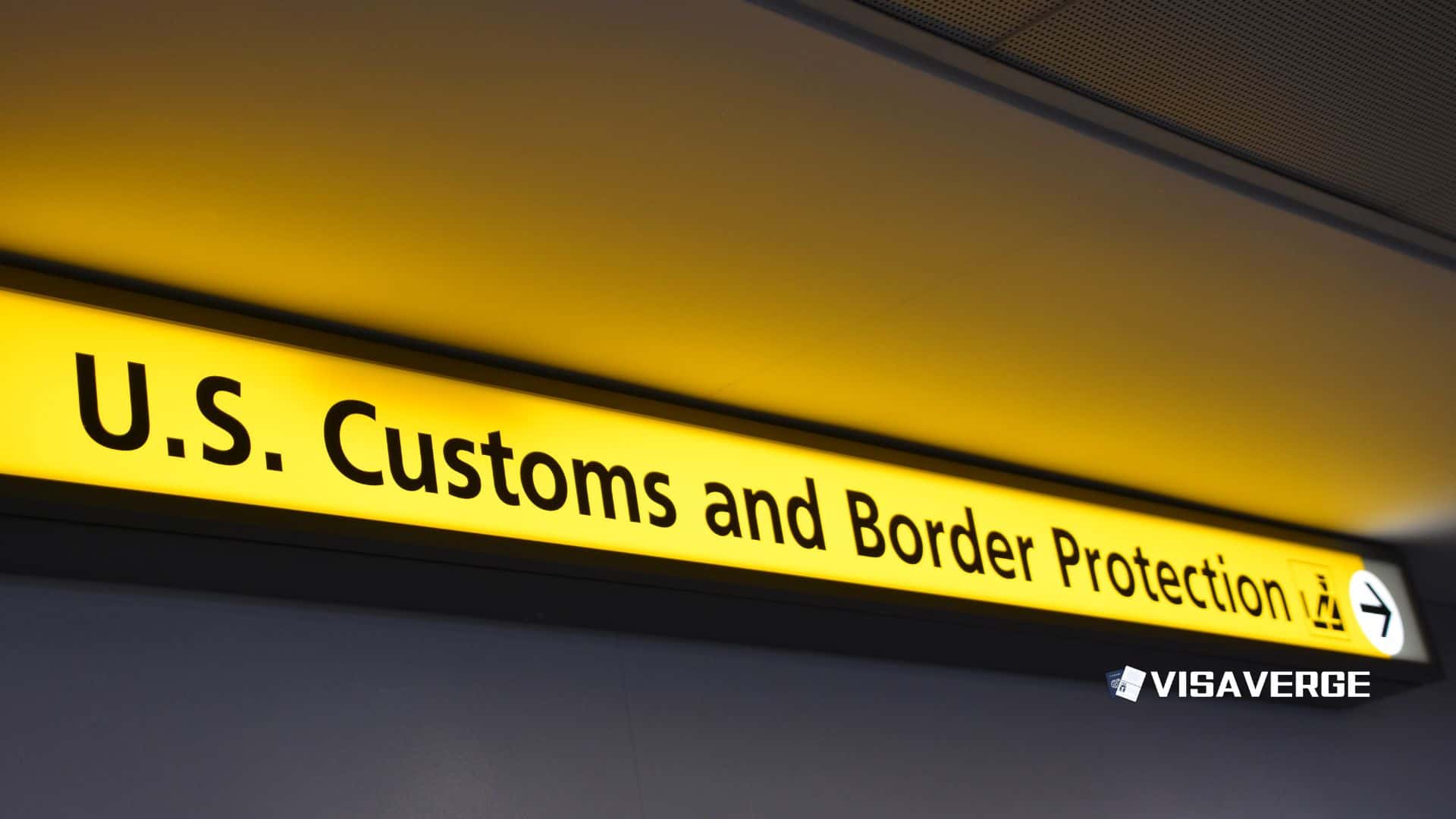
The biggest change is simple: border screening has become tighter and slower. CBP officers still start with primary inspection, but they now use more identity checks, including facial recognition, at the booth or gate. According to analysis by VisaVerge.com, that shift is reshaping everyday travel for citizens, dual nationals, and trusted travelers alike.
Primary inspection now includes routine biometrics
Primary inspection usually takes only a few minutes. A traveler presents a U.S. passport, answers basic questions, and looks into a camera or kiosk for biometric verification. At land borders, a passport card or an enhanced driver’s license from eligible states also works for entry by land or sea. REAL ID alone does not.
At airports, Global Entry and NEXUS still speed the process, but they do not end screening. Travelers still give a live facial image at the e-gate. CBP says the new system helps match identity faster, close data gaps, and reduce fraud. In practice, the first months of rollout have added 15 to 30 minutes at busy crossings.
That extra time is showing up most clearly at high-traffic land ports such as Windsor-Detroit and Pacific Highway. Some travelers also report delays at airports like Miami International, especially when travel patterns trigger extra review. For people returning after a long trip, the wait can feel much longer than the clock suggests.
Why officers send citizens to secondary inspection
Secondary inspection is a separate review area where CBP can ask more questions and compare records. No crime is needed for the referral. A citizen can be sent there because of inconsistent travel history, mismatched biometric records, random selection, or an officer’s concern about the answers given at primary inspection.
The referral does not mean denial of entry. U.S. citizens still have the right to come home. What changes is the pace. A short stop can turn into 30 minutes, several hours, or more when officers need to check documents, compare photos, or confirm a person’s identity after a biometric mismatch.
For frequent travelers, the practical rule is simple: build in a buffer of 2 to 4 hours on international returns, especially at land crossings from Canada. That cushion matters most when booths are busy, systems are still being adjusted, or the officer decides to ask follow-up questions.
Questions officers can ask, and what they can search
CBP has broad authority at the border under the border search exception. That authority applies at ports of entry and within the border zone. Officers may ask about the trip, foreign contacts, where you stayed, how long you were gone, your job, your home, your finances, and your ties to the United States.
Citizens must answer basic identity questions truthfully. They do not have to volunteer every personal detail. A calm, direct response works best. Refusing to answer non-essential questions rarely ends the stop quickly. It usually just lengthens the inspection.
Officers can also search bags, vehicles, and electronic devices. Manual phone or laptop reviews do not require a warrant. More advanced forensic searches, such as copying data or demanding passwords, require reasonable suspicion under current policy. Travelers should know that refusal can lead to device seizure, even if the device is later returned.
| Search type | Requirement | What usually happens |
|---|---|---|
| Basic device search | No suspicion | Officer scrolls through apps, photos, or messages |
| Advanced forensic search | Reasonable suspicion | Data may be copied and analyzed |
| Biometric verification | Routine | Facial or fingerprint scan at entry and exit |
Documents that prevent avoidable delays
The best border tool is the right document pack. Adults should carry a valid U.S. passport for air travel, or a passport card or enhanced driver’s license for land travel where accepted. Dual U.S.-Canadian citizens must use their U.S. passport when entering the United States.
Travelers should also carry proof of ties to the United States. A job letter, lease, school record, return ticket, or recent bank statement helps show continued residence and routine life in the country. Parents traveling with minors should bring a birth certificate and, when needed, a consent letter from the other parent.
The official CBP page on land border crossing documents lists what works for land and sea entry. It is the clearest public reference for passport cards, enhanced driver’s licenses, and current entry rules. For passport applications and renewals, use Form DS-11 when applying for a first passport or a replacement.
Device checks, privacy, and border reality
Phone checks are more common in 2026, especially on routes with heavy attention on drug trafficking and irregular travel. Officers may ask for a passcode. They may also inspect cloud-linked accounts if the device is open and accessible. Many travelers keep a separate travel phone, use strong encryption, and back up data before leaving home.
That said, border privacy is limited. A clean device, a powered-off phone, and cloud backups reduce exposure, but they do not block a lawful inspection. Travelers who want to keep sensitive data private should remove what they do not need before departure and avoid carrying files that are unrelated to the trip.
In rare cases, U.S. citizens can be held temporarily while officers verify identity. That can happen when a passport is damaged, a biometric match fails, or records need manual review. Citizens cannot be deported, but an overnight hold can happen if verification takes time.
How to make 2026 travel smoother
- Arrive early and add extra time for land returns from Canada or Mexico.
- Carry the right document for your route, especially a U.S. passport.
- Expect biometric verification at every entry point, even with Global Entry or NEXUS.
- Keep proof of ties in an easy-to-reach folder.
- Limit device exposure by backing up files and clearing what you do not need.
- Stay calm in secondary inspection and answer clearly.
- Record officer details if a stop feels improper, then file a complaint with CBP or contact counsel.
Those steps do not eliminate scrutiny, but they reduce confusion. They also give travelers a better chance of moving through the border without avoidable delays.
The broader policy picture matters too. Post-2025 border changes have pushed more technology into routine screening, while officer attention remains high across major entry points. The result is a system that treats citizens as verified entrants, yet still checks them more closely than many longtime travelers expected just a few years ago.
For families, students, workers, and dual nationals, the message is consistent: carry the right papers, expect questions, and treat border checks as part of the trip. The rules are stricter, the scans are faster, and the margin for mistakes is smaller than before.



Is there any group collecting data about returning citizens being detained… for example V Digger included a letterfromIsaac Evans-Frantz who said… I felt this myself last month when, returning home to Vermont from a weekend trip to Quebec, federal agents at the border pulled me over, interrogated me and searched my car. I couldn’t help but wonder if I was being targeted for my activism for human rights and against war?