Key Takeaways
- The “Remain in Mexico” program was revived on January 21, 2025, requiring asylum seekers to wait in Mexico during case reviews.
- “Safe third country” agreements pressure Guatemala, Honduras, and El Salvador to accept U.S.-diverted asylum seekers despite limited resources and infrastructure.
- Humanitarian parole programs ceased on January 20, 2025, eliminating a pathway that previously assisted over 530,000 migrants from four nations.
The Trump administration’s fresh changes to U.S. immigration policy are creating significant challenges for Central America (🇬🇹🇭🇳🇸🇻). These policies, many of which have been reinstated or reintroduced from earlier initiatives, are causing a ripple effect across the region. By essentially diverting asylum seekers and immigrants to Central American countries, these nations are becoming the default destinations for a growing number of displaced individuals.
Revived ‘Remain in Mexico’ Program
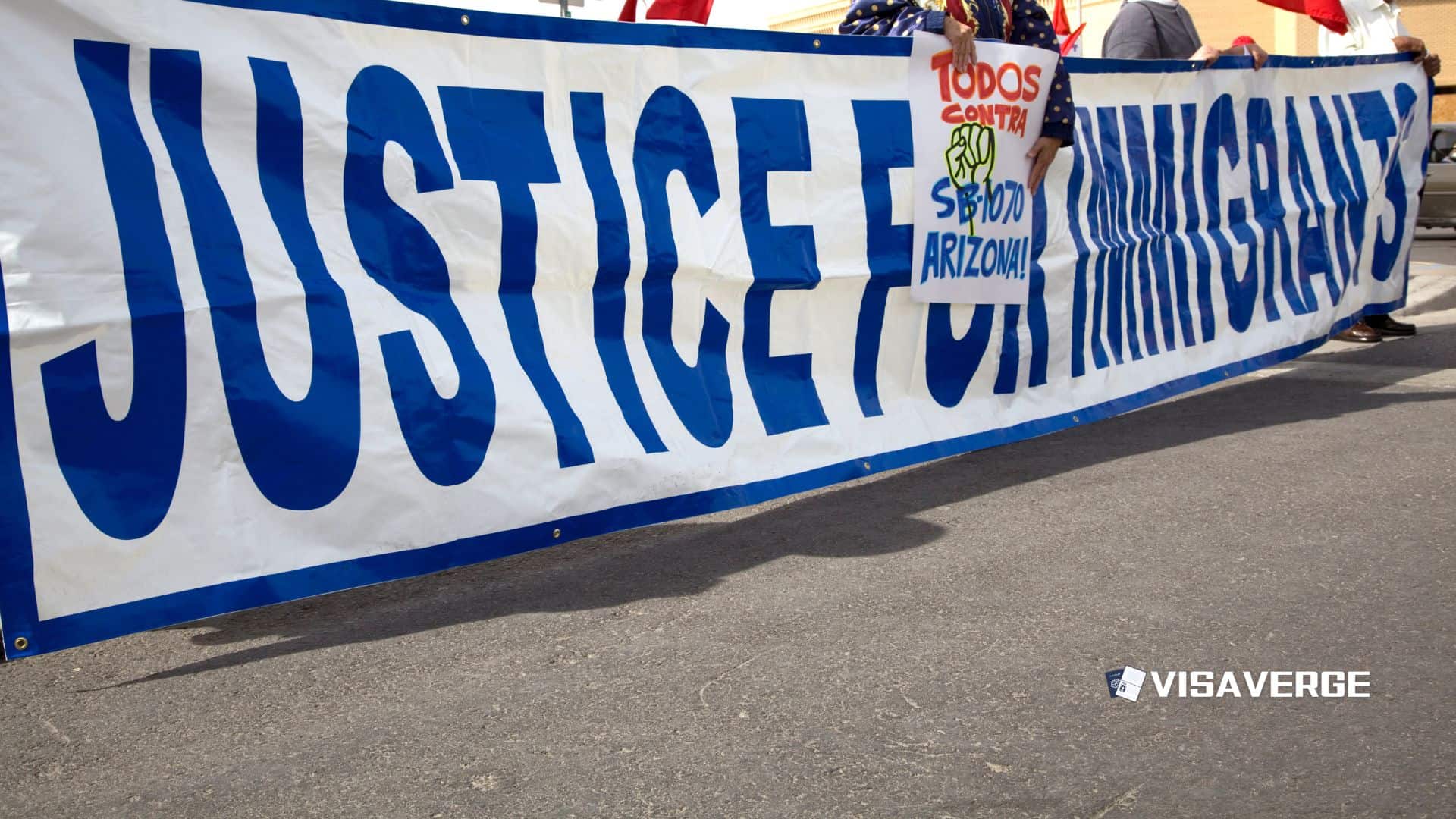
One of the most notable policy changes is the revival of the Migrant Protection Protocols (MPP), better known as the “Remain in Mexico” program, which was reinstated on January 21, 2025. Under this policy, non-Mexican asylum seekers must stay in Mexico while their cases are reviewed by U.S. immigration courts. This is not a new approach—between 2019 and 2021, the same program required over 71,000 individuals to wait in Mexico. However, the program faced widespread criticism during its first implementation. According to human rights organizations, over 1,500 violent assaults, including kidnappings, were documented against individuals forced to wait under these protocols.
Despite these warnings, the program has resumed, raising fears for migrant safety in areas often plagued by violence. Those affected by this policy include asylum seekers from Central America (🇬🇹🇭🇳🇸🇻) and others who journey through Mexico to reach the U.S.—many aiming for safety and stability, often with their families.
Expansion of ‘Safe Third Country’ Agreements
Further compounding the pressure on Central America, President Trump has instructed U.S. diplomats to negotiate additional “safe third country” agreements with governments in the region. Central American nations like Guatemala (🇬🇹), Honduras (🇭🇳), and El Salvador (🇸🇻) are now expected to shoulder the burden of asylum seekers diverted from the United States.
During Trump’s earlier presidency, a similar agreement with Guatemala demonstrated the potential pitfalls of such policies. In its one year of implementation, 945 asylum seekers who were not Guatemalan nationals were sent to Guatemala City, yet not one of them was granted asylum. These agreements are controversial due to the limited capacity of Central American governments to provide protection or resources to migrants. Many experts argue these countries lack the infrastructure and legal system to meet international asylum standards.
Suspension of Humanitarian Parole Programs
Adding to the challenges, President Trump has ended humanitarian parole programs that allowed citizens from Cuba, Haiti, Nicaragua, and Venezuela to enter the U.S. legally. Initially introduced by the Biden administration, this system facilitated over 530,000 individuals to find a safe, sanctioned pathway into the U.S. Its termination on January 20, 2025, gives migrants few legal options to seek refuge. For many, this means being stuck in Mexico or other Central American countries that are already struggling economically and socially.
Tightened Border and Asylum Restrictions
Under the “Guaranteeing the States Protection Against Invasion Proclamation,” signed on President Trump’s first day back in office, the southern border has effectively been closed to undocumented arrivals. Moreover, those crossing without prior inspection now have no way to seek asylum or other legal benefits in the United States. Immigration rights advocates argue that these measures may violate international standards, specifically the principle of non-refoulement, a rule that prohibits returning individuals to life-threatening situations.
The combination of these pronouncements and rules is forcing many migrants back into precarious and unsafe environments in Mexico and Central America. The shutdown of the CBP One app, which previously allowed asylum seekers to schedule U.S. border appointments, has further limited legal opportunities for those desperately seeking refuge.
Mass Deportations and Detention Expansions
The Trump administration has introduced Homeland Security Task Forces in all 50 states to speed up deportation efforts. The growing focus on deporting undocumented immigrants portends significant increases in the number of people sent back to Central America (🇬🇹🇭🇳🇸🇻). While the initial focus remains on deporting individuals with criminal records, officials indicate that the scope may widen to include a sizeable portion of the estimated 13 million undocumented population living in the U.S.
Plans to expand detention facilities, another element of these immigration changes, suggest that these deportation initiatives will continue to accelerate. For Central American countries, receiving large numbers of deportees may overwhelm existing resources and support systems.
Complex Impacts on Central American Countries
The cumulative effects of these policies are staggering for receiving nations across Central America. These countries now face heightened pressure at several levels:
- Overburdened Asylum Systems: Asylum processing structures in Guatemala (🇬🇹), Honduras (🇭🇳), and El Salvador (🇸🇻) are far from ready to manage the sudden influx of displaced individuals. Many lack proper resources such as legal staff or facilities, making it hard to support those seeking safety.
-
Increased Security Problems: The sharp rise in vulnerable migrant populations in border zones and urban centers has raised concerns about security. Migrants who cannot find jobs or housing may become targets of crime or exploitation in already unstable regions.
-
Economic Strain: For governments already struggling with unemployment, poverty, and stretched public services, absorbing large numbers of refugees and deportees is proving costly. Many communities are unable to provide housing, healthcare, and job opportunities to meet the growing need.
-
Diplomatic Issues: The unilateral nature of U.S. immigration decisions is also creating tensions between Central America and the U.S. Governments in the region are frequently not consulted, even when policies impose serious local consequences.
-
Human Rights Challenges: Migrants returned or forced to remain in Central America often face hazardous conditions, with limited access to basic protection, healthcare, and legal assistance.
Controversy and Legal Challenges
Some of these policies are already subject to legal disputes. The ACLU and immigrant advocacy groups have filed lawsuits aimed at blocking the policies they argue conflict with U.S. and international asylum laws. Likewise, President Trump’s attempt to end birthright citizenship has been temporarily halted by court order. However, while legal proceedings play out, the tangible effects of this administration’s policies are already altering the migration dynamic in Mexico and Central America.
President Claudia Sheinbaum of Mexico has expressed concern but refrained from formally opposing the reinstated “Remain in Mexico” program. This cautious approach suggests that Mexico might direct much of the migrant burden toward its Central American neighbors, straining relations.
The Bigger Picture
For now, these changes paint a clear picture: Central America (🇬🇹🇭🇳🇸🇻) is under mounting stress. As migration pathways into the U.S. shrink, more asylum seekers are either stuck in transit or sent to countries unprepared to handle the waves of displaced people. Over time, these policies could heighten inequality and insecurity in the region, threatening stability for years to come.
Closing Thoughts
As analyzed by VisaVerge.com, President Trump’s current approach to immigration comes with vast implications for both migrants and receiving nations. By cutting off legal options and redirecting asylum seekers into Mexico and Central America, the U.S. is creating new problems for its southern neighbors while leaving vulnerable populations at greater risk. For further details on these policies and their legal background, readers can explore resources on the U.S. Citizenship and Immigration Services website.
While the future of such policies depends in part on ongoing lawsuits and political dynamics, the immediate effects are undeniable. Central America (🇬🇹🇭🇳🇸🇻) now faces a significant burden as it becomes, in practice, a dumping ground for those seeking opportunity and safety in the United States. Moving forward, the region’s governments may need to urge international cooperation and seek solutions amid this developing crisis.
Learn Today
Migrant Protection Protocols (MPP) → U.S. policy requiring asylum seekers to stay in Mexico during their immigration court process in the U.S.
Safe Third Country Agreement → A deal mandating asylum seekers to seek refuge in a designated third country instead of their destination country.
Humanitarian Parole Programs → Temporary authorization for individuals from specific nations to legally enter the U.S. due to urgent humanitarian reasons.
Non-refoulement → International principle prohibiting the return of people to places where their life or freedom is at risk.
Birthright Citizenship → Legal right granting citizenship to individuals born within a country’s territory, irrespective of parents’ nationality or legal status.
This Article in a Nutshell
Central America faces surging challenges as U.S. immigration policies redirect asylum seekers to the region. Overburdened systems, economic strain, and security risks are escalating. Nations like Guatemala, Honduras, and El Salvador struggle with limited resources, while asylum seekers face precarious conditions. These policies highlight mounting regional instability, demanding urgent global collaboration and humanitarian solutions.
— By VisaVerge.com
Read more:
• Pentagon Deploys 3,000 Troops to US-Mexico Border Amid Policy Crackdown
• Mexico’s bishops call for unity as church aids deported migrants in crisis
• Mexico Online E-Visa: How to Apply, Eligibility, and Key Details
• Trump Confirms Tariffs on Canada and Mexico to Proceed in March 2025
• Claudia Sheinbaum Pushes Constitutional Reforms to Defend Mexico’s Sovereignty