Spanish
Official VisaVerge Logo Official VisaVerge Logo
  • Home
  • Airlines
  • H1B
  • Immigration
    • Knowledge
    • Questions
    • Documentation
  • News
  • Visa
    • Canada
    • F1Visa
    • Passport
    • Green Card
    • H1B
    • OPT
    • PERM
    • Travel
    • Travel Requirements
    • Visa Requirements
  • USCIS
  • Questions
    • Australia Immigration
    • Green Card
    • H1B
    • Immigration
    • Passport
    • PERM
    • UK Immigration
    • USCIS
    • Legal
    • India
    • NRI
  • Guides
    • Taxes
    • Legal
  • Tools
    • H-1B Maxout Calculator Online
    • REAL ID Requirements Checker tool
    • ROTH IRA Calculator Online
    • TSA Acceptable ID Checker Online Tool
    • H-1B Registration Checklist
    • Schengen Short-Stay Visa Calculator
    • H-1B Cost Calculator Online
    • USA Merit Based Points Calculator – Proposed
    • Canada Express Entry Points Calculator
    • New Zealand’s Skilled Migrant Points Calculator
    • Resources Hub
    • Visa Photo Requirements Checker Online
    • I-94 Expiration Calculator Online
    • CSPA Age-Out Calculator Online
    • OPT Timeline Calculator Online
    • B1/B2 Tourist Visa Stay Calculator online
  • Schengen
VisaVergeVisaVerge
Search
Follow US
  • Home
  • Airlines
  • H1B
  • Immigration
  • News
  • Visa
  • USCIS
  • Questions
  • Guides
  • Tools
  • Schengen
© 2025 VisaVerge Network. All Rights Reserved.
India

USCIRF Raises Concerns Over India’s Citizenship Amendment Act

The USCIRF expressed concerns about India's Citizenship Amendment Act (CAA), which prioritizes non-Muslim migrants for citizenship but excludes Muslims and others from specific countries. Critics see the act as discriminatory and undermining India's secular constitution. The USCIRF recommends the U.S. address these religious freedom issues with India, emphasizing inclusivity and equal treatment.

Last updated: July 18, 2025 9:59 pm
SHARE
VisaVerge.com
Key takeaways

USCIRF raises concerns over India’s Citizenship Amendment Act, spotlighting religious freedom issues on an international level.
CAA fast-tracks non-Muslim migrants’ Indian citizenship, excluding Muslim refugees, sparking protests and international discussions.
USCIRF calls for inclusivity, highlights CAA’s potential discrimination, urges equal treatment and respect for religious freedom.

The U.S. Commission on International Religious Freedom (USCIRF) has recently aired its apprehensions concerning the Citizenship Amendment Act (CAA) and its implementation through the Citizenship Amendment Rules in India. This development brings to the forefront a significant religious freedom issue, stirring a dialogue on the international stage about the act’s implications. Here, we delve into the USCIRF’s concerns, the specifics of the CAA, and the broader discourse surrounding religious freedom.

What is the Citizenship Amendment Act?
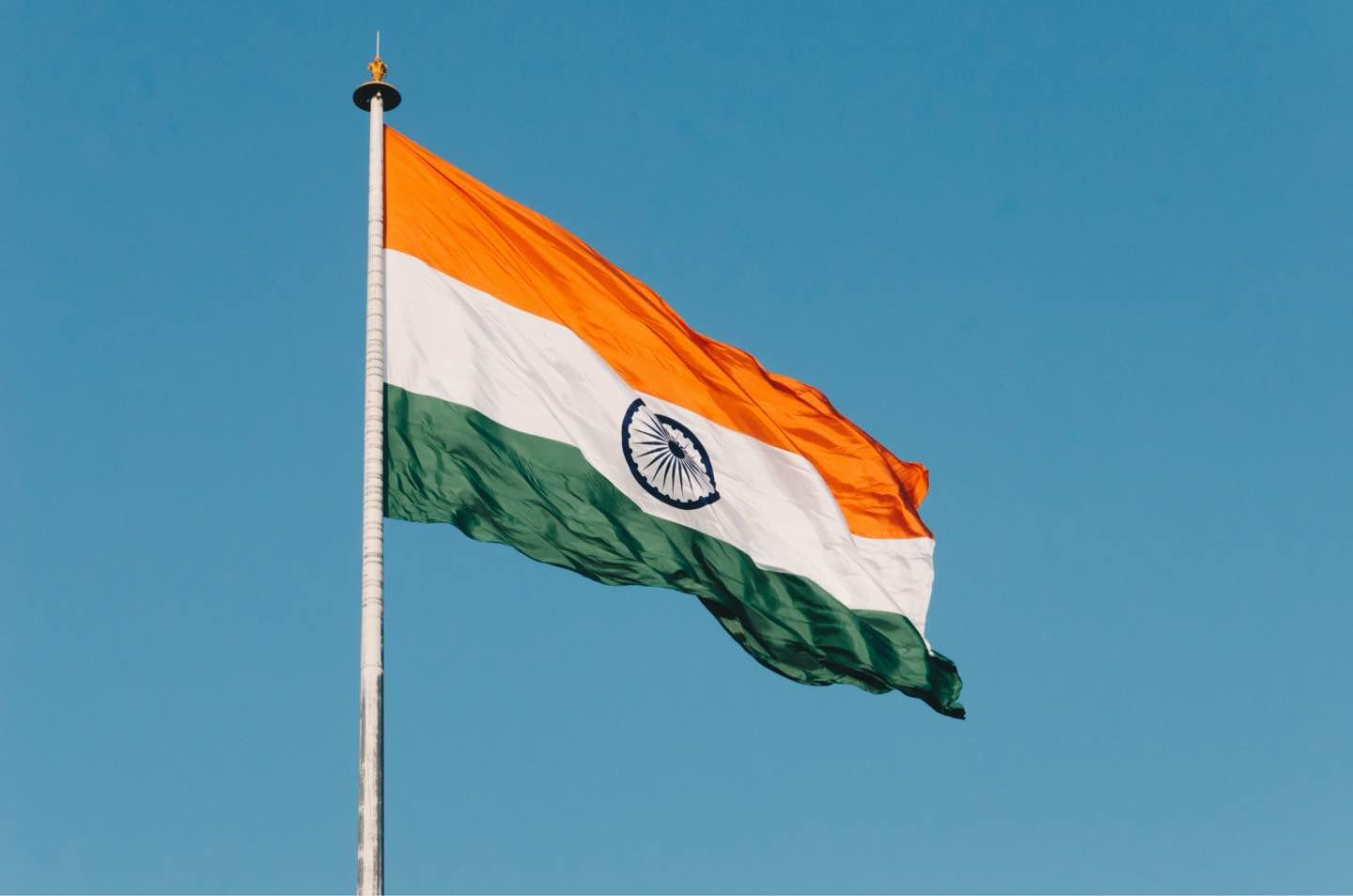
USCIRF Raises Concerns Over India’s Citizenship Amendment Act
USCIRF Raises Concerns Over India's Citizenship Amendment Act

At its core, the Citizenship Amendment Act (CAA) aims to provide a fast track to Indian citizenship for persecuted non-Muslim migrants from Bangladesh, Pakistan, and Afghanistan. The act explicitly includes Hindus, Sikhs, Jains, Buddhists, Parsis, and Christians, allowing those who arrived in India before December 31, 2014, to seek citizenship. However, the CAA has faced criticism for its exclusion of Muslim refugees fleeing persecution from these countries, including Rohingya Muslims from Burma, Ahmadiyya Muslims from Pakistan, or Hazara Shi’a from Afghanistan.

“No one should be denied citizenship based on religion or belief,” USCIRF Commissioner Stephen Schneck testified, emphasizing the law’s religious requirement as “problematic.”

This statement underlines a profound USCIRF India Concern, highlighting the need for broader inclusivity in asylum and citizenship guidelines that recognize the plight of all persecuted individuals, irrespective of their religious affiliations.

USCIRF’s Concerns and Recommendations

The USCIRF’s concerns pivot around the religious criteria set by the CAA for granting asylum, which, according to them, compromises the principle of religious freedom. By excluding Muslims and refugees from non-Muslim majority nations, like the Uyghur and other Turkic Muslims from China or Tamil refugees from Sri Lanka, the act is viewed as discriminatory. The USCIRF has urged the U.S. government and Congress to address these religious freedom issues with their Indian counterparts, emphasizing the importance of equal treatment under the law for all communities.

For more in-depth information on the laws and policies governing immigration and citizenship in India, visit the official government immigration site.

The Broad Implications of the Citizenship Amendment Act

The CAA was passed in 2019, and its announcement sparked widespread protests across India, showcasing the country’s divide over the issue. Critics argue that the act undermines India’s secular constitution by making religion a basis for citizenship. This development not only impacts the affected refugees but also signals a troubling trend towards religious partiality in national policies, potentially affecting India’s international relations and its diverse social fabric.

As the United States Department of State has pointed out, “respect for religious freedom and equal treatment under the law for all communities are fundamental democratic principles.” USCIRF Commissioner David Curry’s call for the US to work with Indian authorities to release detained human rights activists advocating for religious minorities underscores the international concern over India’s adherence to these principles.

Moving Forward

The Citizenship Amendment Act and the USCIRF’s concerns pose critical questions about the balance between national security, immigration policy, and the fundamental right to religious freedom. As discussions continue, the spotlight remains on India to broaden its perspective and policy regarding asylum and citizenship, ensuring it aligns with global human rights standards.

Understanding and addressing these issues is not only crucial for India but also serves as a reflection point for nations around the world, highlighting the importance of inclusivity, tolerance, and respect for human rights in shaping a just society.

This Article In A Nutshell:

The USCIRF expresses concerns regarding India’s Citizenship Amendment Act, emphasizing the exclusion of Muslims and specific refugee groups. This stirs a debate on religious freedom violations. The act, aiming to grant citizenship to persecuted non-Muslims, faces criticism for its biased approach. Dialogue continues on the Act’s implications on international relations and human rights principles.
— By VisaVerge.com

Read more:

  • Narendra Modi Announces Implementation of Citizenship Amendment Act: A Complete Overview
  • Understanding the CAA: A Guide to Documents Required for Proof of Indian Citizenship
  • India’s Strong Response to US Criticisms on CAA: “Fix Your Own Borders, CAA Is Our Business”
USCIRF Raises Concerns Over India's Citizenship Amendment Act
Share This Article
Facebook Pinterest Whatsapp Whatsapp Reddit Email Copy Link Print
What do you think?
Happy0
Sad0
Angry0
Embarrass0
Surprise0
Shashank Singh
ByShashank Singh
Breaking News Reporter
Follow:
As a Breaking News Reporter at VisaVerge.com, Shashank Singh is dedicated to delivering timely and accurate news on the latest developments in immigration and travel. His quick response to emerging stories and ability to present complex information in an understandable format makes him a valuable asset. Shashank's reporting keeps VisaVerge's readers at the forefront of the most current and impactful news in the field.
Subscribe
Login
Notify of
guest

guest

0 Comments
Inline Feedbacks
View all comments
H-1B Workforce Analysis Widget | VisaVerge
Data Analysis
U.S. Workforce Breakdown
0.44%
of U.S. jobs are H-1B

They're Taking Our Jobs?

Federal data reveals H-1B workers hold less than half a percent of American jobs. See the full breakdown.

164M Jobs 730K H-1B 91% Citizens
Read Analysis
February 2026 Visa Bulletin Predictions: Complete Analysis and Forecast
Guides

February 2026 Visa Bulletin Predictions: Complete Analysis and Forecast

2026 Child Tax Credit Rules: Eligibility, Amounts, and Claims
Taxes

2026 Child Tax Credit Rules: Eligibility, Amounts, and Claims

California 2026 Income Tax Rates and Bracket Structure Explained
Taxes

California 2026 Income Tax Rates and Bracket Structure Explained

2026 HSA Contribution Limits: Self-Only ,400, Family ,750
Taxes

2026 HSA Contribution Limits: Self-Only $4,400, Family $8,750

Did Obama Deport More People Than Trump? Key Facts Explained
News

Did Obama Deport More People Than Trump? Key Facts Explained

H-1B Wage Reform: Weighted Selection Rules End Entry-Level Lottery
H1B

H-1B Wage Reform: Weighted Selection Rules End Entry-Level Lottery

A Comprehensive Analysis of ICE Arrest Data from Deportation Data Project
Immigration

A Comprehensive Analysis of ICE Arrest Data from Deportation Data Project

What the Law Really Says About Recording ICE Officers in Public
Legal

What the Law Really Says About Recording ICE Officers in Public

Year-End Financial Planning Widgets | VisaVerge
Tax Strategy Tool
Backdoor Roth IRA Calculator

High Earner? Use the Backdoor Strategy

Income too high for direct Roth contributions? Calculate your backdoor Roth IRA conversion and maximize tax-free retirement growth.

Contribute before Dec 31 for 2025 tax year
Calculate Now
Retirement Planning
Roth IRA Calculator

Plan Your Tax-Free Retirement

See how your Roth IRA contributions can grow tax-free over time and estimate your retirement savings.

  • 2025 contribution limits: $7,000 ($8,000 if 50+)
  • Tax-free qualified withdrawals
  • No required minimum distributions
Estimate Growth
For Immigrants & Expats
Global 401(k) Calculator

Compare US & International Retirement Systems

Working in the US on a visa? Compare your 401(k) savings with retirement systems in your home country.

India UK Canada Australia Germany +More
Compare Systems

You Might Also Like

How Trump’s First Term Shook Up H-1B Visas for Indians
H1B

How Trump’s First Term Shook Up H-1B Visas for Indians

By Shashank Singh
India–US DTAA Essentials for NRIs: Residency, Form 67, Tie-Breakers
Documentation

India–US DTAA Essentials for NRIs: Residency, Form 67, Tie-Breakers

By Shashank Singh
The Billionaire Exodus: Why India’s Wealthy Are Moving Abroad
Immigration

The Billionaire Exodus: Why India’s Wealthy Are Moving Abroad

By Shashank Singh
USCIS will use Final Action Dates for CSPA from Aug 15, 2025
Citizenship

USCIS will use Final Action Dates for CSPA from Aug 15, 2025

By Robert Pyne
Show More
Official VisaVerge Logo Official VisaVerge Logo
Facebook Twitter Youtube Rss Instagram Android

About US


At VisaVerge, we understand that the journey of immigration and travel is more than just a process; it’s a deeply personal experience that shapes futures and fulfills dreams. Our mission is to demystify the intricacies of immigration laws, visa procedures, and travel information, making them accessible and understandable for everyone.

Trending
  • Canada
  • F1Visa
  • Guides
  • Legal
  • NRI
  • Questions
  • Situations
  • USCIS
Useful Links
  • History
  • USA 2026 Federal Holidays
  • UK Bank Holidays 2026
  • LinkInBio
  • My Saves
  • Resources Hub
  • Contact USCIS
web-app-manifest-512x512 web-app-manifest-512x512

2026 © VisaVerge. All Rights Reserved.

2026 All Rights Reserved by Marne Media LLP
  • About US
  • Community Guidelines
  • Contact US
  • Cookie Policy
  • Disclaimer
  • Ethics Statement
  • Privacy Policy
  • Terms and Conditions
wpDiscuz
Welcome Back!

Sign in to your account

Username or Email Address
Password

Lost your password?