Key Takeaways
- The Air Force mandates removing names and unit patches from uniforms on deportation flights starting early 2025 for operational security.
- This policy applies to flight crews, security teams, and support staff to protect personnel amidst increased military deportation flights to Central/South America.
- Internal oversight and tracking remain unchanged, but debates arise over public accountability in these sensitive immigration operations.
The Air Force 🇺🇸 has introduced a new policy requiring troops to remove their names and unit patches from uniforms during deportation flights, highlighting a shift in operations for these missions. This policy, taking effect in early 2025, applies to Air Force personnel involved in deportation operations, which have become a bigger part of immigration enforcement strategies in recent months. The goal is to enhance operational security and safeguard the identities of service members working in these sensitive roles.
What Does the Policy Entail?
The policy mandates the removal or covering of:
– Name tapes on uniforms.
– Unit patches or insignias.
– Any other visible identifiers specific to roles or organizations.
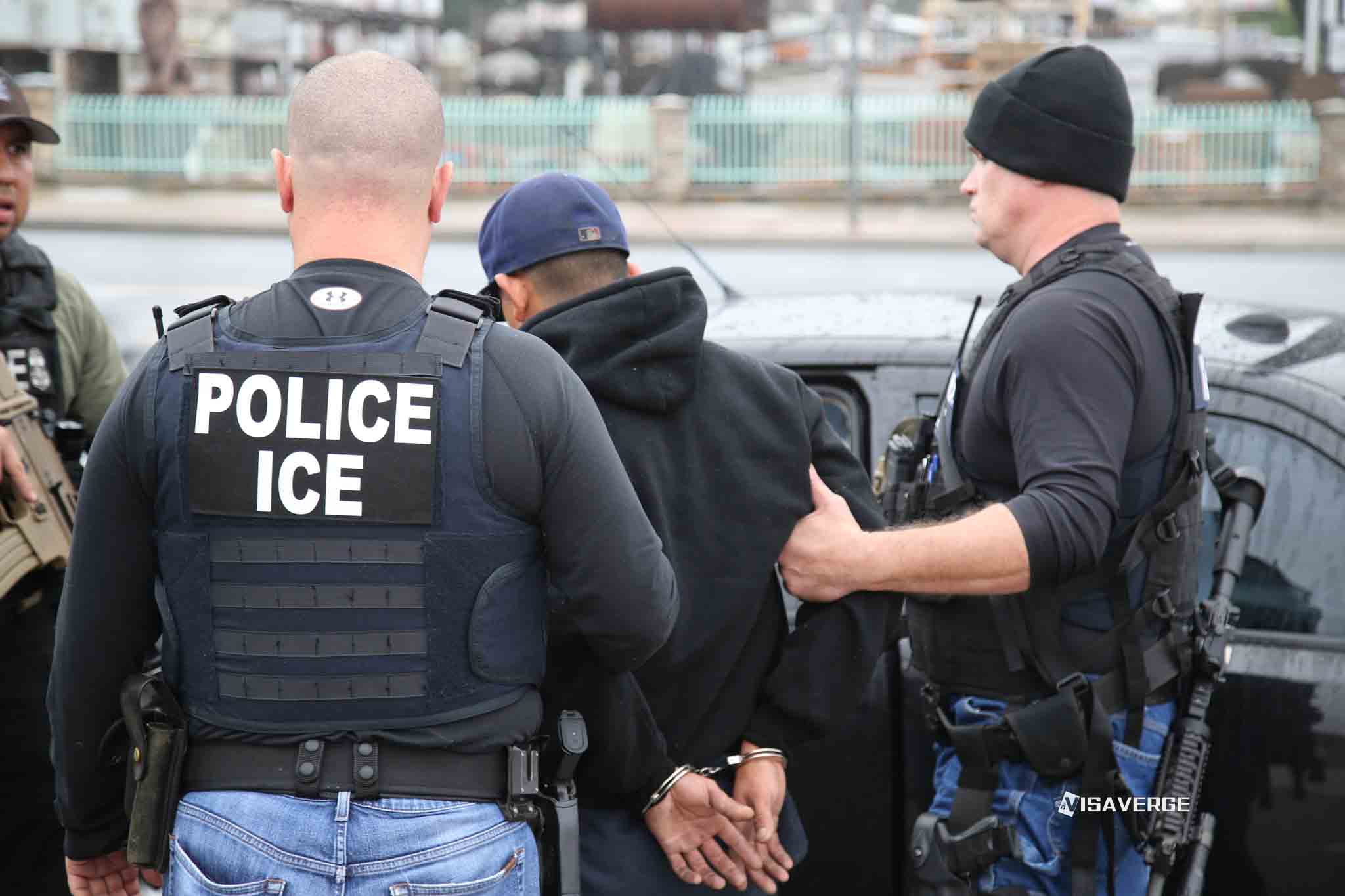
These changes apply to all Air Force members involved in deportation flights, including flight crews, security teams, and support staff. Notably, troops remain required to wear full identifying information during other missions or daily duties. This targeted policy approach reflects the sensitive nature of deportation flights and aims to reduce risks associated with these operations.
The concept behind this measure centers on protecting the Air Force personnel and their families from possible backlash. Given the sensitive role deportation flights play in immigration enforcement, such security measures are intended to address concerns tied to the visibility of service members engaged in these missions. Operational security is at the core of the Air Force’s move, reflecting the department’s broader focus on safeguarding its team during complex and high-profile responsibilities.
Why Now?
Reports suggest the policy was introduced in early 2025, which aligns with increased military involvement in immigration and deportation operations since late 2024. The timing also coincides with an uptick in military-operated deportation flights, especially to countries in Central America 🇸🇻, Mexico 🇲🇽, and South America 🇧🇷. These flights, conducted several times a week, cater to large-scale operations aimed at enforcing immigration laws.
The Air Force is the only military branch to implement such a policy for deportation flights, raising questions about whether other branches may introduce similar changes. As of February 7, 2025, there have been no announcements from the Army, Navy, or Marine Corps regarding equivalent measures. However, it’s possible that the success or challenges of this policy could influence future decisions within these branches.
This Air Force shift comes as deportation procedures evolve in response to changing immigration enforcement policies. By relying on military aircraft for deportation flights, government agencies aim to process removals faster and more efficiently. The policy’s introduction is one of many adjustments aimed at addressing the complex landscape of immigration.
Addressing Concerns of Transparency
While this change is touted as a step toward greater personnel security, it has also sparked debate about accountability and transparency in deportation operations. Critics are concerned that the removal of visible identifiers might make it more difficult to monitor behavior and track accountability during these missions. Questions have arisen about whether masking individual identities affects the public’s ability to ensure humane treatment and compliance with international human rights standards.
The Air Force has countered these criticisms by emphasizing that internal record-keeping and oversight systems remain unchanged. All personnel involved in deportation flights are documented in comprehensive logs, and detailed records of deported individuals are also maintained. Officials stress that the visible removal of names and patches does not affect overall accountability or the ability to ensure legal and ethical practices.
Impact on Military Deportation Flights
From pre-flight procedures to the final handoff of deportees at their destination, the Air Force has directed its members to follow strict protocols while adhering to this new uniform policy. This applies to:
1. Pre-flight security checks.
2. Boarding and in-flight interactions with deportees.
3. Transferring deportees upon arrival at their destination.
Though the uniform policy limits visible identification, Air Force leadership has confirmed that alternative methods for specifying roles and maintaining communication during missions are in place. In-flight responsibilities, command structures, and ground-level operations are organized to flow seamlessly while upholding the requirements of this updated protocol.
Air Force crews assigned to these missions receive specific training to comply with the new rules. They are taught how to properly remove or cover identifying markers while maintaining a professional appearance and operational readiness throughout the process. The goal is to ensure personnel follow all procedures effectively without disrupting deportation flight logistics.
No issues have been reported since implementing the policy, suggesting a carefully considered rollout. However, Air Force officials continue to monitor its impact to ensure both personnel safety and operational effectiveness are preserved.
Broader Trends and Implications
The move fits within a larger narrative around immigration enforcement strategies across the U.S., particularly at the southern border. By using military resources like Air Force-operated aircraft, officials are addressing logistical and resource limitations in managing increased deportation caseloads.
Military-operated deportation flights offer a capacity advantage over commercial or chartered flights, which traditionally handle such removals. While the Air Force hasn’t released specific statistics regarding the number of flights, reports indicate consistent scheduling for trips to Central and South America. The use of these resources signifies the growing role the armed forces play in supporting immigration enforcement policies.
As military involvement grows, the question remains whether more uniform protocols of this nature might follow. The Air Force’s standardized approach to operational security reflects immediate concerns, but the long-term influence on broader military practices remains uncertain. This includes whether similar steps will be considered for personnel from the Army, Navy, or other branches engaged in immigration-related efforts.
Safeguarding Personnel While Maintaining Standards
It’s important to note that the Air Force’s policy only modifies visible uniform identifiers; it does not change how missions are performed or how deportees are treated. Strict adherence to humane treatment, safety protocols, and legal standards remains a core priority during deportation operations. Whether on the ground or in flight, deportation practices reflect existing policies aimed at upholding professional conduct and human rights.
Operational security is not the only focus. By reinforcing its internal measures and providing personnel training, the Air Force ensures a balance between security and functionality. While the no-name policy addresses individual risks, its careful execution maintains mission cohesion and accountability.
Looking Ahead
The policy of removing identifying information represents a significant shift in how the Air Force conducts deportation flights within U.S. immigration enforcement frameworks. As debates unfold on matters of transparency and accountability, it remains to be seen if similar strategies will be adopted by other military branches or further refined for broader use. For now, the Air Force leads the way in implementing security-forward measures as deportation operations evolve.
As analysis from VisaVerge.com suggests, such policies reflect a response to increasing expectations around operational security in high-profile missions. With deportation flights likely to continue playing a big role in immigration management, future adjustments may shape how the military supports these efforts while addressing potential challenges tied to these sensitive operations.
For more details on immigration procedures or flight-related policies, learn directly from the official U.S. Immigration and Customs Enforcement website here.
Learn Today
Deportation Flights → Flights used to transport individuals ordered to leave a country, often part of immigration enforcement policies.
Operational Security → Measures to protect sensitive information and personnel during missions, ensuring safety and minimizing risks.
Unit Patches → Insignias or emblems on military uniforms representing specific units, divisions, or organizations.
Accountability → Responsibility to justify actions or decisions, often ensuring compliance with laws, ethics, and standards.
Humane Treatment → Ethical handling that ensures dignity, respect, and safety, particularly under international human rights standards.
This Article in a Nutshell
The U.S. Air Force’s new policy mandates removing names and unit patches from uniforms during deportation flights, prioritizing operational security. Effective 2025, this measure aims to protect personnel identities amid rising military involvement in immigration enforcement. Balancing safety and transparency, the change reflects evolving strategies in high-stakes deportation missions.
— By VisaVerge.com
Read more:
• Vikram Misri Highlights Concerns as 487 Indians Face US Deportation Risk
• Trump’s Deportation Policies Disrupt Lives of Students in Public Schools
• Residents to Rally Against Deportations This Sunday in Downtown Elgin
• Can You Drive Out of the Country if ICE Orders Deportation?
• Self-Deportation vs. ICE Removal: What You Need to Know