Key Takeaways
- On February 24, 2025, USCIS announced increased H-2B nonimmigrant visas for fiscal year 2025 to address workforce shortages.
- UK Skilled Worker Visa holders must meet annual salary thresholds of £38,700 or £29,000 for healthcare roles starting 2025.
- Temporary reductions in hours or salary can breach visa conditions, endanger renewals, and necessitate reclassification under stricter immigration rules.
Implications of Temporarily Reducing Working Hours and Annual Salary on Work Visas
Temporary changes to working hours and annual salary can influence work visa status in significant ways. For people relying on work visas, even small adjustments in employment terms may lead to complications with visa compliance, renewal, or extension. This article explores the implications of such changes while addressing recent updates and specific rules in key immigration systems worldwide.

Overview of Current Trends in Work Visa Policies
In recent months, work visa policies around the world have witnessed some notable shifts. For example, the United States Citizenship and Immigration Services (USCIS) made a key announcement on February 24, 2025, concerning temporary increases in the number of H-2B nonimmigrant visas for fiscal year 2025. H-2B visas are issued for temporary non-agricultural work, and this initiative aims to address workforce shortages in certain industries. However, it also highlights the importance of adhering to specific conditions tied to full-time work and salary levels.
Similarly, in the United Kingdom 🇬🇧, changes in minimum salary thresholds were announced in early 2025. Particularly for the Skilled Worker Visa category, the required income rose to £38,700 per year, with some sectors like healthcare seeing adjusted thresholds of £29,000 per year. Australia’s 🇦🇺 Temporary Skilled Migration Income Threshold (TSMIT) saw an increase to AUD 70,000 per year starting July 2024. In Canada 🇨🇦, while there is no fixed national income threshold for work visas, wages must align with local median rates under programs like the Temporary Foreign Worker Program. All these trends underscore how salary thresholds remain a cornerstone of work visa eligibility globally.
Key Implications of Reducing Hours and Salary
Impact on Visa Eligibility
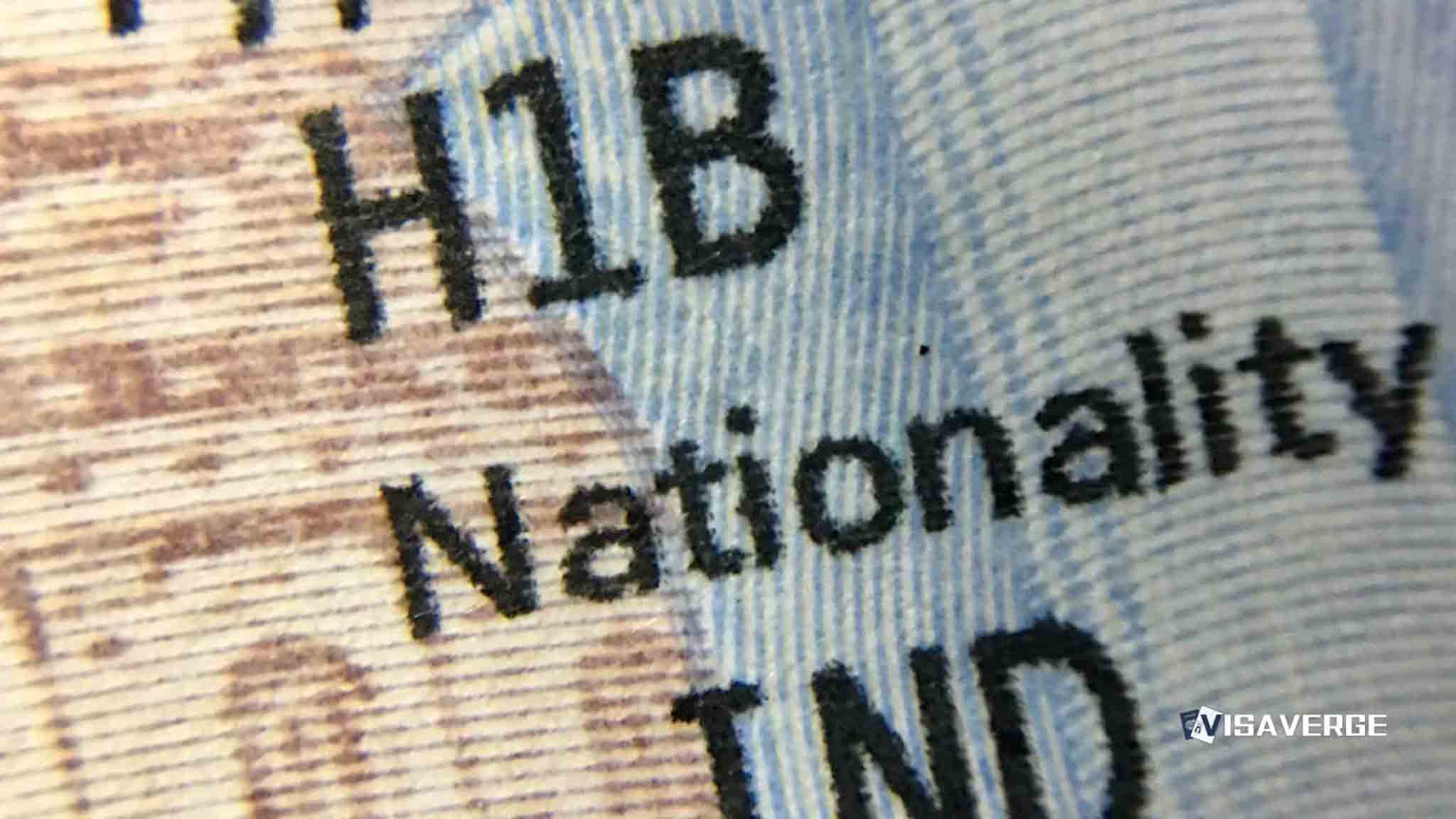
Many work visas, including the widely recognized H-1B visa in the United States 🇺🇸, require employees to maintain full-time employment. Reducing one’s hours below full-time status—or reducing salary below the required threshold—even temporarily, can result in a breach of visa conditions. For instance, under the rules governing the H-1B visa, visa holders need to fulfill employment contracts without deviations that could affect their wages or hours. Violating these requirements could lead to the termination of H-1B status.
Meeting Salary Thresholds
In countries like the UK and Australia, ensuring that wages remain above specified salary thresholds is essential. In the UK, holders of a Skilled Worker Visa must meet annual salary benchmarks such as £38,700 unless they work in healthcare or similar exempted roles. Exempt groups have lower thresholds, but even those are strictly enforced. Falling below these requirements could result in loss of sponsorship or visa validity. Such risks underscore the importance of carefully weighing the risks of salary or hour reductions.
Challenges with Renewals or Extensions
Visa status isn’t just about staying compliant in the present but also about securing future opportunities, including renewals or extensions. In many cases, when filing for a visa extension or renewal, immigration authorities scrutinize the applicant’s employment history over the validity period of their previous visa. Any inconsistencies—such as a drop in income or a shift to part-time work—may raise red flags and jeopardize chances for an approved extension.
Need for Potential Reclassification
For some visa holders, a significant reduction in income or working hours could necessitate a broader change in their visa category. In the United States, for example, switching from an H-1B visa to a less employment-driven option, such as a student visa, might be required if the individual no longer meets the income or work requirements tied to their original visa.
Employer-Specific Duties
Employers also play a major role in maintaining the compliance of their sponsored employees under a work visa. For instance, in the case of H-1B visa holders, employers are obligated to continue paying the required wage even during periods of reduced productivity, provided the reduction occurs due to employer needs rather than the worker’s choice. Failure to meet such obligations could expose employers to penalties themselves.
Flexibilities Introduced by Recent Policy Adjustments
Recognizing the unique economic challenges faced by both employers and employees, some governments have introduced temporary measures offering flexibility specifically for work visa holders.
- United States Updates: USCIS announced on January 25, 2025, an extension of special flexibilities for certain H-2B visa holders. These flexibilities allow job transitions, enabling workers to start new jobs after the employer’s petition has been received, but before final approval. This policy runs until January 24, 2026.
-
Relaxed Rules in New Zealand 🇳🇿: From March 2025, visa policies allow Accredited Employer Work Visa (AEWV) employers to hire with salaries below the standard median wage under particular circumstances. Workers still need to be paid at market rates, but reduced thresholds improve job opportunities.
-
European Union 🇪🇺 Stance: Some EU member states are trialing programs that temporarily permit workers to reduce hours without risking visa validity, as long as the reason for the adjustment is related to economic downturns or temporary demand fluctuations.
Practical Steps for Managing Changes in Work and Income
There are several things work visa holders can do to better navigate situations involving reduced hours or wages without compromising their immigration status:
- Communicate Early with Your Employer: Before agreeing to any changes, ensure your employer is fully aware of potential visa-related consequences. Many immigration systems require employers to alert authorities about changes in the employment terms for visa holders.
-
Maintain Records: Keeping accurate paperwork of your working arrangements, such as updated contracts, written agreements, and adjusted work schedules, plays a vital role. These documents might be crucial if immigration authorities request proof of compliance or justification for temporary reductions.
-
Consider Alternatives: If a salary reduction is unavoidable, explore other ways to meet visa requirements. For example, some visa processes allow for unpaid leave or job-sharing arrangements, neither of which may necessarily lower one’s basic salary below defined thresholds.
-
Consult Skilled Advisors When Necessary: Immigration issues are often complicated, especially when employment terms are changing. Engaging with a qualified immigration lawyer or expert ensures that visa rules are adhered to and reduces the risk of costly mistakes.
-
Review Exemptions: Many countries create exemptions that align with specific industries. For instance, the UK permits modified salary rules for healthcare workers under the Skilled Worker Visa, reducing the threshold to £29,000 instead of the general £38,700. These industry-specific policies can lessen stress for workers considering pay adjustments.
Looking Ahead: Emerging Changes and Trends
Changes in visa policies are ongoing, meaning further adjustments in 2025 or beyond could influence how hour and salary reductions are treated. For example:
- In the United States, interest in the H-1B program remains high, but a recent 38.6% drop in registrations between FY 2024 and FY 2025 signals increasing selectivity. Policies tied to this trend may impose even tighter controls on income and working hours.
-
Canada made noise with provincial minimum wage increases—$17.20 per hour in Ontario and $15.75 in Quebec as of January 2025—possibly informing salary considerations for migrants.
-
The European Union is exploring uniform policies across the bloc, potentially making it simpler for EU-based employers to handle hour reductions without risking employee visas.
Conclusion
The implications of temporarily reducing working hours and annual salary for work visa holders hinge on interconnected factors like visa type, country regulations, and employer obligations. Adjustments in working arrangements can sometimes carry unintended consequences, including loss of visa status or renewal challenges. Facing such risks highlights the need for careful planning, open communication with employers, and a thorough understanding of country-specific rules. Tools like detailed documentation and skilled immigration support can ease decision-making while staying compliant. Following updates through platforms like VisaVerge.com or official immigration websites offers essential, timely guidance in a rapidly shifting landscape. To review the latest U.S. visa wage policies, visit the USCIS official page.
Learn Today
H-2B Visa → A U.S. work visa for temporary non-agricultural jobs, often requiring specific salary and employment conditions.
Skilled Worker Visa → A UK immigration route requiring applicants to meet occupation and salary benchmarks, with exemptions for certain sectors.
Temporary Skilled Migration Income Threshold (TSMIT) → A minimum annual salary requirement in Australia for skilled visa holders, recently set at AUD 70,000.
Accredited Employer Work Visa (AEWV) → A New Zealand visa allowing hiring flexibility, including salary thresholds below the national median in certain cases.
Compliance → Adherence to visa rules, including maintaining required working hours, salary levels, and job conditions to avoid status issues.
This Article in a Nutshell
Temporary cuts in working hours or salaries can jeopardize visa compliance, risking status loss or renewal denial. Many work visas hinge on meeting strict income and employment criteria. Before adjustments, consult immigration experts, maintain thorough documentation, and explore exemptions. Adapting wisely prevents unintended consequences while safeguarding your legal right to work.
— By VisaVerge.com
Read more:
• H1B Visa Rules for Remote Work See Changes in 2025
• H1B Dropbox Eligibility Window Shortened From 48 Months to 12 Months
• Can You Open a Bank Account in the US on an H1B Visa Before Arrival?
• Schengen Visa for Indian Citizens on H1B in USA
• H1B Visa Stamping Now Available in Bengaluru