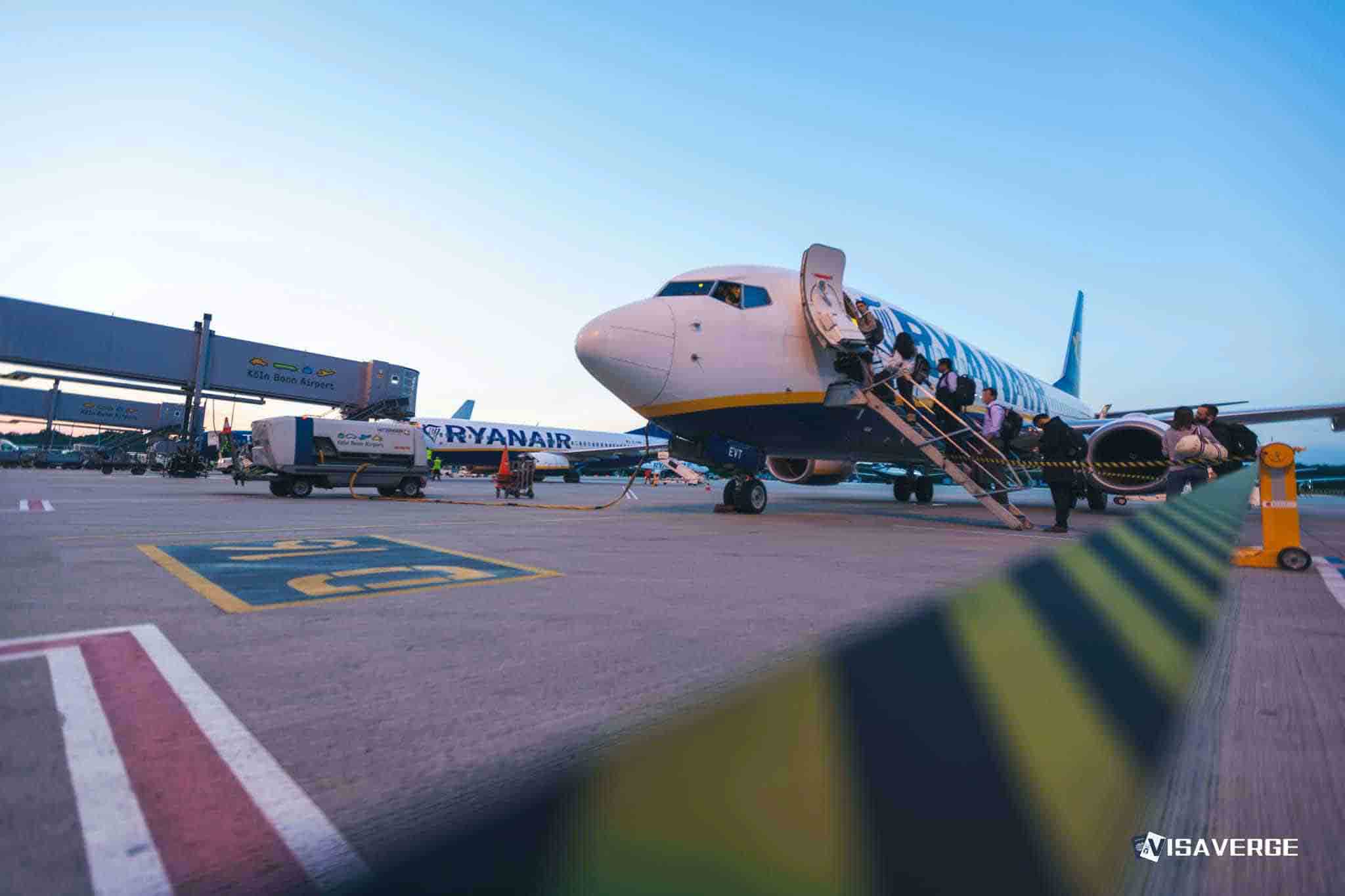
(TEL AVIV, ISRAEL) — KLM suspended its flights between Amsterdam and Tel Aviv indefinitely starting March 1, 2026, saying it is “not commercially and operationally feasible” to operate the route now.
KLM, the Dutch flag carrier, announced the move on Wednesday, February 26, 2026, leaving passengers with upcoming bookings on the Amsterdam (AMS) to Tel Aviv (TLV) corridor facing cancellations and uncertain timelines for a return of service to Israel.
The suspension affects flights to Tel Aviv’s Ben Gurion Airport, Israel’s main international gateway, a route that connects travelers through Amsterdam and links the Netherlands with a major hub for business, family and leisure trips.
KLM framed the decision as one taken for “operational and commercial” reasons. The airline declined to comment on whether safety concerns related to flying over Middle Eastern countries remained a factor.
The decision marked KLM’s second suspension in recent months, adding another stop-start shift for travelers who have had to plan around abrupt changes in airline schedules.
KLM previously suspended flights to Tel Aviv on January 23 due to geopolitical concerns. The carrier resumed operations on February 1 after determining it was safe to fly over the region.
By setting a March 1, 2026 start date for the new suspension after a late-February announcement, KLM left a narrow window for passengers and travel managers to adjust itineraries, revisit connections, and confirm whether existing ticket rules allow date changes or different routings.
The latest change comes as rising tensions between the United States and Iran over Tehran’s nuclear program feed a wider sense of instability across the region, even as talks between the two countries are scheduled to resume in Geneva.
Airlines weigh such conditions as part of day-to-day operations, because regional risk management can touch multiple parts of a flight plan at once, including routing choices, crew planning, and the costs that flow from insurance and other operational requirements.
Shifts in demand can also influence airline decisions, particularly on international routes that depend on a mix of business travel, leisure trips and time-sensitive family visits. Carriers can respond by reducing capacity, pausing services, or reshaping schedules when they decide a route no longer works within their commercial and operational constraints.
KLM said it plans to notify affected passengers individually. It said customers will receive options to reschedule their flights or receive refunds.
For many travelers, rebooking can mean moving travel dates, switching to another itinerary, or rerouting through different airports depending on availability and ticket conditions. Passengers often need to keep booking records and any airline messages close at hand to support refund or rebooking requests, especially when trips involve onward connections.
KLM said it will “continue to monitor developments and will reassess the decision in accordance with the circumstances.” For travelers relying on Amsterdam as a hub for journeys to Tel Aviv via Ben Gurion Airport, the indefinite nature of the suspension means planning around uncertainty, weighing flexible fares or refundable options, and checking what travel insurance requires to document a covered cancellation.
KLM Suspends Tel Aviv Flights to Ben Gurion Airport Amid Rising Tensions
KLM is indefinitely suspending its Amsterdam to Tel Aviv route starting March 1, 2026, due to operational and commercial constraints. This marks the second suspension in months, following brief periods of geopolitical instability. The airline will offer refunds and rescheduling to affected passengers while continuing to monitor regional safety and demand. The move highlights the ongoing volatility in Middle Eastern aviation corridors.