(CHARLOTTE, NORTH CAROLINA) — Charlotte-Mecklenburg police arrested an American Airlines employee on Wednesday after investigators said he sent a false bomb threat by text message while working inside a secured area at Charlotte Douglas International Airport.
Christian Michael Cox, 25, of Gastonia, North Carolina, faced a felony charge under North Carolina law after the message prompted a rapid law-enforcement response at the airport, one of the busiest hubs in the United States.
Officials stressed that airports treat bomb threats as real until proven otherwise. “all bomb-related threats must be treated as credible until disproven,” aviation security officials said, describing strict protocols that require immediate action regardless of intent.
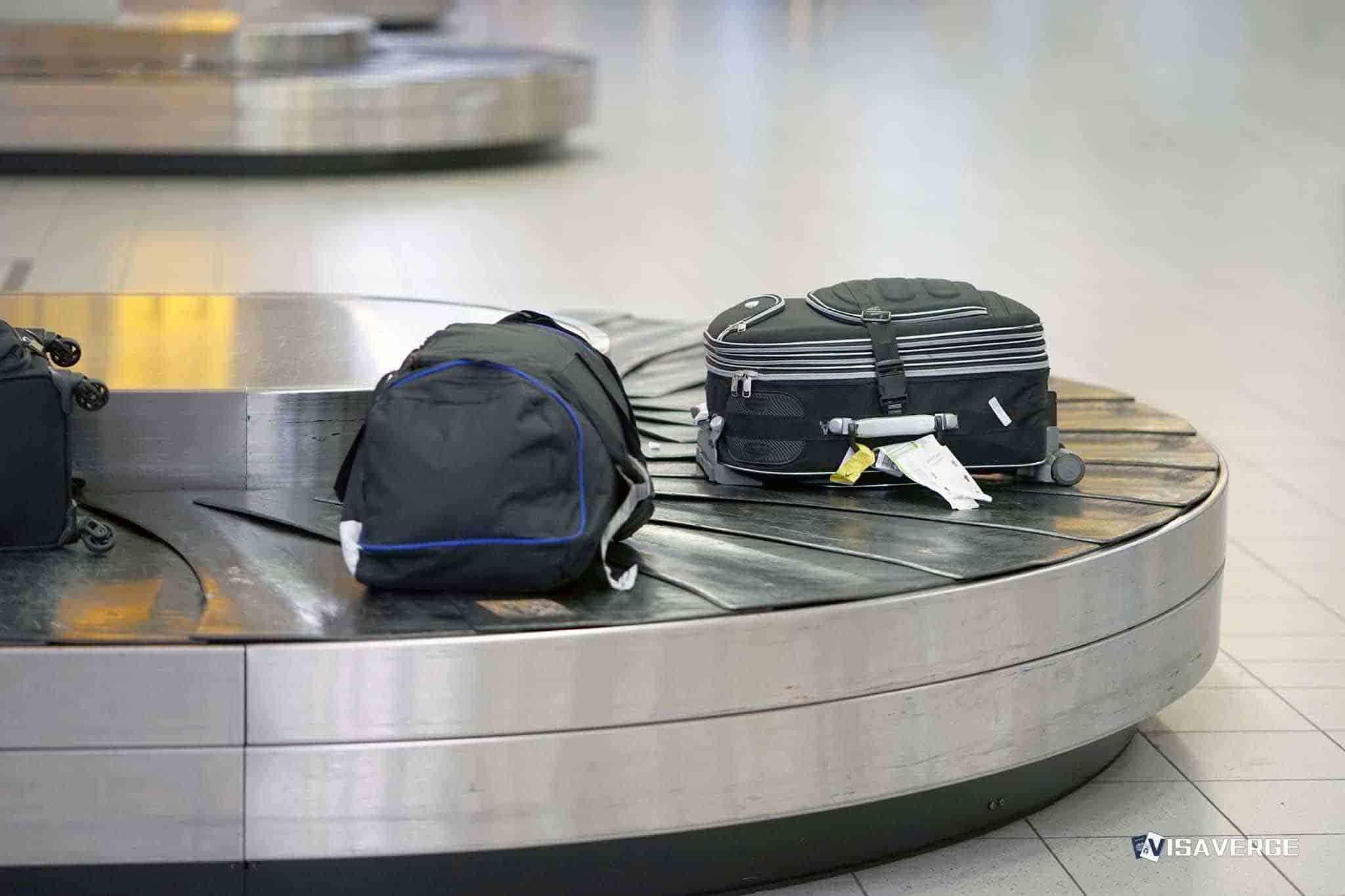
The case centered on a text message Cox allegedly sent to a coworker, identified in court documents as Micah Matthews, while both were working in the secured baggage area at the airport, investigators said.
Court filings described the text as: “Don’t be a hero, I got a bomb in the elevator RN [right now].” Investigators said Cox later claimed the message was not serious.
Police records and court filings said Cox admitted sending the message and told investigators it was “intended as a joke.”
The same records said Matthews reported the text to a supervisor, even after a follow-up message from Cox saying, “im jp [just playing] it was joke btw.” Authorities commended Matthews’ reporting as necessary for maintaining airport safety, the accounts said.
Charlotte-Mecklenburg Police Department officers went to the airport after the report, then arrested Cox and charged him with Felony False Bomb Report in a Public Building under N.C. Gen. Stat. § 14-69.1, according to the case records described by local outlets.
The charge generally alleges a knowingly false bomb report in a public building context, a category that can trigger major public-safety responses when it involves critical infrastructure such as an airport.
Cox was processed at the Mecklenburg County Jail and later released pending further court proceedings, the filings said. The case moved to an initial court step on Thursday, where defendants typically receive advisements, address counsel, and get early scheduling for the path ahead.
The incident drew added scrutiny because it involved what aviation security officials and reporting described as an “insider threat” scenario: an employee with authorized access to restricted zones raising an alarm from inside the operational footprint of the airport.
In airport environments, officials treat threats originating in secured or restricted areas as especially sensitive because the person making the threat may already be past layers of screening. That posture can widen the scope of the response beyond what would happen in a public curbside area.
Aviation security context reporting described how even a threat later deemed a joke can prompt protocols such as evacuations, K9 sweeps, rescreening, perimeter control, and other measures meant to reduce risk quickly. Those steps can cause operational disruptions that ripple across travelers, airline schedules, and airport staffing.
Charlotte Douglas International Airport, which serves as a major American Airlines hub, operates with extensive secured workspaces that are physically separated from passenger areas. The secured baggage area, identified in court documents as the location where the employees worked, sits within that controlled environment.
When an airport response escalates, airlines can face knock-on effects that include staffing shifts, gate and baggage constraints, and delays tied to required checks. Such disruptions can move quickly across a network, particularly at a hub airport.
Under North Carolina law, a false bomb report can carry serious consequences beyond the initial charge, including exposure to restitution concepts tied to the public cost of emergency response. Reporting on the statute cited in Cox’s case also highlighted a provision under which a second conviction for a false bomb report within five years can bring harsher penalties and mandatory restitution for response costs.
Restitution in this context generally refers to potential cost recovery tied to resources deployed during the response, such as law enforcement and other security measures, rather than a determination about guilt. Court outcomes and any financial obligations depend on how a case is resolved.
The legal process can also intersect with airport credentialing and employment policies. In aviation workplaces, access credentials that allow entry into restricted areas can face review when a worker is arrested or charged, and employers can impose discipline that ranges from suspension to termination depending on policy and case developments.
American Airlines had not issued a public statement as of Thursday about Cox’s employment status or the specific incident, the accounts said. The airline’s position on any personnel actions was not publicly detailed in the information cited by local outlets.
For individuals accused in cases tied to airport security, consequences can extend beyond court dates, including criminal-record exposure, obligations to appear in court, and reputational effects in a highly regulated work setting. The reporting on Cox’s case described the potential for permanent revocation of airport security credentials and termination of employment, without describing any action taken by the airline.
The case will proceed through the court calendar in Mecklenburg County, with filings and schedules subject to updates as prosecutors and defense counsel take the next steps. The early allegations in the case may evolve as additional records are filed and reviewed.
Details of the arrest and the police response came from Charlotte-Mecklenburg Police records referenced by WCNC Charlotte. Court filings were reviewed by Queen City News and Hoodline, and broader aviation security context appeared in reporting by Simple Flying.
American Airlines Employee Arrested for False Bomb Threat at Charlotte Airport
American Airlines employee Christian Michael Cox was arrested in Charlotte after texting a fake bomb threat to a coworker. Although Cox claimed the message was a joke, the report prompted a major security response at the airport’s secured baggage area. Charged with a felony, Cox faces potential prison time and financial restitution for the emergency services deployed to investigate the incident.