Official VisaVerge Logo Official VisaVerge Logo
  • Home
  • Airlines
  • H1B
  • Immigration
    • Knowledge
    • Questions
    • Documentation
  • News
  • Visa
    • Canada
    • F1Visa
    • Passport
    • Green Card
    • H1B
    • OPT
    • PERM
    • Travel
    • Travel Requirements
    • Visa Requirements
  • USCIS
  • Questions
    • Australia Immigration
    • Green Card
    • H1B
    • Immigration
    • Passport
    • PERM
    • UK Immigration
    • USCIS
    • Legal
    • India
    • NRI
  • Guides
    • Taxes
    • Legal
  • Tools
    • H-1B Maxout Calculator Online
    • REAL ID Requirements Checker tool
    • ROTH IRA Calculator Online
    • TSA Acceptable ID Checker Online Tool
    • H-1B Registration Checklist
    • Schengen Short-Stay Visa Calculator
    • H-1B Cost Calculator Online
    • USA Merit Based Points Calculator – Proposed
    • Canada Express Entry Points Calculator
    • New Zealand’s Skilled Migrant Points Calculator
    • Resources Hub
    • Visa Photo Requirements Checker Online
    • I-94 Expiration Calculator Online
    • CSPA Age-Out Calculator Online
    • OPT Timeline Calculator Online
    • B1/B2 Tourist Visa Stay Calculator online
  • Schengen
VisaVergeVisaVerge
Search
Follow US
  • Home
  • Airlines
  • H1B
  • Immigration
  • News
  • Visa
  • USCIS
  • Questions
  • Guides
  • Tools
  • Schengen
© 2025 VisaVerge Network. All Rights Reserved.
India

Draft Income Tax Rule 36 Targets Affordable Housing and Semiconductor Units

India's CBDT draft Rule 36 sets tax benefit criteria for affordable housing and semiconductor units, introducing price caps and size limits effective April...

Last updated: February 25, 2026 10:40 am
SHARE
Key Takeaways
→India’s CBDT introduced Draft Income Tax Rule 36 to regulate tax benefits for housing and semiconductors.
→Affordable housing units must not exceed 90 square meters in non-metropolitan areas to qualify.
→Eligible housing projects can receive a 100 percent profit deduction under specific legal sections.

(INDIA) — India’s Central Board of Direct Taxes invited public feedback on February 8, 2026 on Draft Income Tax Rules 2026 that include Draft Income Tax Rule 36, a set of guidelines for notifying affordable housing projects and semiconductor wafer fabrication units for tax benefits.

Draft Income Tax Rule 36 sets out how the tax authorities would notify affordable housing projects under Section 46(11)(d)(vii) and semiconductor wafer fabrication units under Section 46(11)(d)(xiii) as specified businesses eligible for tax benefits under the new Income Tax Rules 2026.
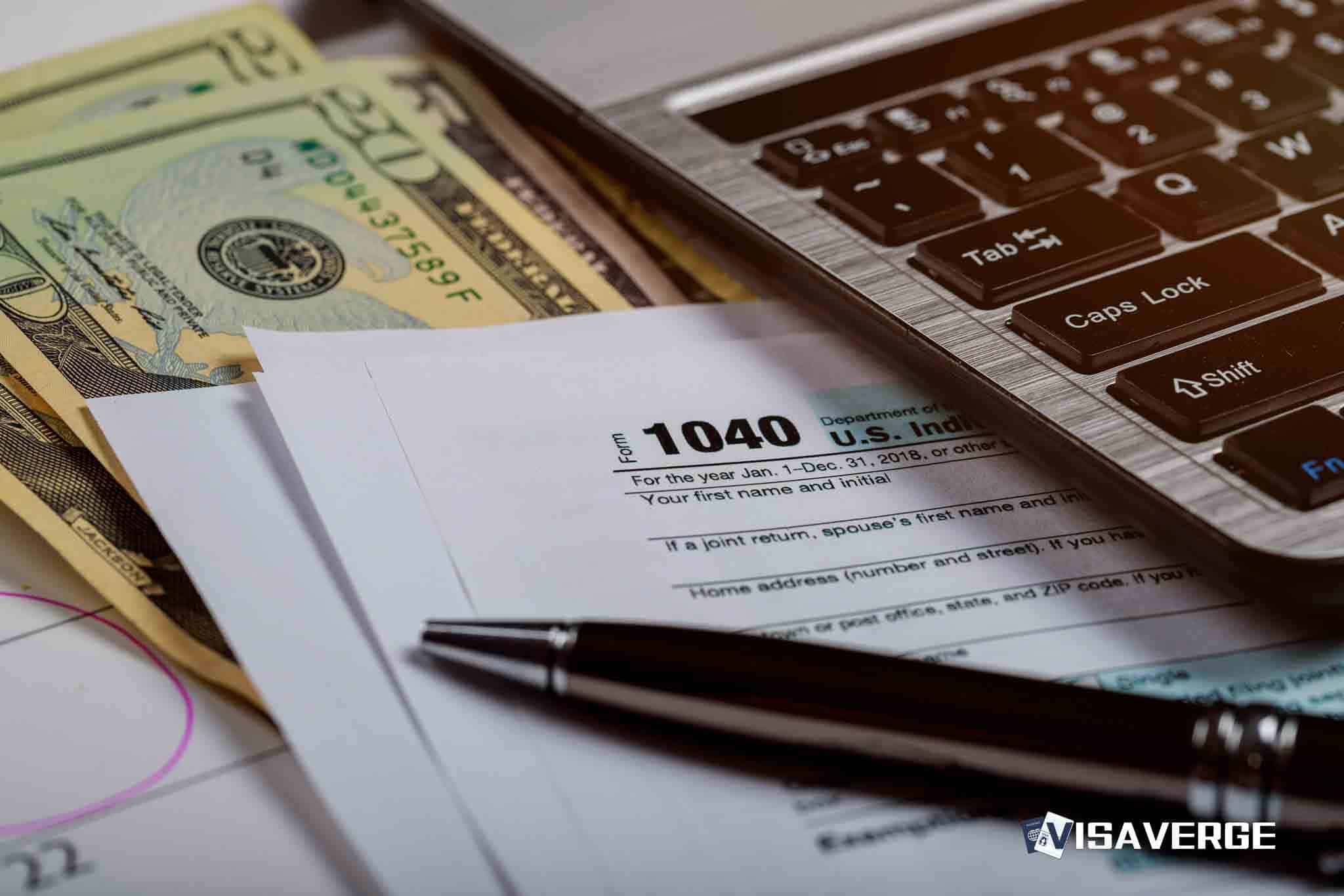
Draft Income Tax Rule 36 Targets Affordable Housing and Semiconductor Units

The draft rule ties those notifications directly to defined sections in the law, laying out the framework developers and manufacturing units must meet to be treated as specified businesses. It places affordable housing projects and semiconductor wafer fabrication units within the same notification mechanism, even as the draft provides more detail on housing conditions than on chipmaking facilities.

The Draft Income Tax Rules 2026, including Rule 36, are scheduled to come into effect on April 1, 2026. They replace the Income Tax Rules, 1962, which had been in effect for nearly six decades.

India’s new framework consolidates regulations into 333 rules and 190 forms, down from over 500 rules and 350 forms previously. The draft rules also emphasize digital-first compliance and automated processing, including pre-filled tax returns and technology-driven approaches to reduce filing complexity and compliance costs.

Within that broader revamp, Draft Income Tax Rule 36 focuses on the mechanics and conditions for notification of two categories of specified businesses. One is “affordable housing projects,” a term the draft links to detailed eligibility requirements for residential units and project structure.

For affordable housing projects, the draft lays out residential unit requirements aimed at keeping unit size and pricing within defined thresholds for cities or towns other than metropolitan cities. Under the draft, the carpet area of a residential unit must not exceed 90 square meters in such non-metropolitan locations.

The draft also sets monetary limits tied to what buyers are charged and how property is valued for stamp duty purposes. It caps the gross amount charged for residential apartments at ₹45 lakhs.

Alongside that pricing cap, Draft Income Tax Rule 36 introduces a valuation condition that the stamp duty value of a residential unit should not exceed ₹45 lakhs, described in the draft as a new condition. In combination, the gross amount charged limit and the stamp duty value limit place affordability checks both on transaction pricing and on official valuation.

The draft also sets requirements for how the housing project is run and accounted for, beyond the physical and monetary characteristics of individual units. It requires the assessee to maintain separate books of account for the housing project, a condition intended to keep project-level records distinct for compliance and verification.

Draft Income Tax Rule 36 also bars certain contractual arrangements from qualifying, by stating the assessee should not execute the housing project as a works contract awarded by any person, including central or state government. That condition places a structural boundary around the type of development activity that can qualify when a project is notified as an affordable housing project.

The tax benefit attached to notified affordable housing projects is set out in the context accompanying the draft guidelines. Affordable housing projects notified under these guidelines qualify for 100% deduction on profits and gains from such projects under Section 80-IB of the Income Tax Act.

The draft positions its affordable housing conditions as a way to channel that Section 80-IB deduction toward projects built under government-approved affordable housing schemes while maintaining transparency and compliance standards. By tying notification to unit size, pricing, valuation, accounting separation, and project execution conditions, Draft Income Tax Rule 36 sets the parameters a developer must satisfy before a project can be notified for the intended tax treatment.

Alongside housing, Draft Income Tax Rule 36 establishes guidelines for notifying semiconductor wafer fabrication units under Section 46(11)(d)(xiii) as specified businesses. The draft’s treatment of semiconductor wafer fabrication units links them to the notification process in the same way as affordable housing projects, bringing high-value manufacturing within the specified business framework.

However, the draft does not elaborate detailed criteria for semiconductor wafer fabrication units. That leaves the draft rule’s central point for semiconductor wafer fabrication units focused on the fact of notification under the cited section, rather than on a set of enumerated operational or investment conditions within the rule’s text as presented.

The inclusion of semiconductor wafer fabrication units in Draft Income Tax Rule 36 places them within the architecture of the Income Tax Rules 2026 at a time when the broader draft emphasizes automation and digital-first compliance. Within that system-wide shift, Rule 36 functions as a gateway provision: it describes how certain activities—affordable housing projects and semiconductor wafer fabrication units—enter the “specified business” category through notification under the stated sections.

By consolidating rules and forms, the Draft Income Tax Rules 2026 aim to reduce procedural sprawl while retaining targeted conditions where policymakers seek tight definitions. Draft Income Tax Rule 36 reflects that approach by specifying criteria for affordable housing projects in measurable terms—carpet area, pricing, valuation, and recordkeeping—while separately providing for the notification of semiconductor wafer fabrication units under the relevant section.

The CBDT’s February 8, 2026 invitation for public feedback frames Draft Income Tax Rule 36 as part of a wider consultation over how the new rules will operate in practice. With an April 1, 2026 start date scheduled for the new rules, the consultation period places attention on whether notification guidelines, compliance conditions, and the shift to automated processing align with the government’s goal of practical, taxpayer-friendly regulations.

→ In a NutshellVisaVerge.com

Draft Income Tax Rule 36 Targets Affordable Housing and Semiconductor Units

Draft Income Tax Rule 36 Targets Affordable Housing and Semiconductor Units

India’s new Draft Income Tax Rule 36 defines the eligibility for tax benefits in affordable housing and semiconductor manufacturing. Scheduled for April 2026, the rule mandates strict pricing caps and size limits for residential projects to ensure they meet affordability standards. It also streamlines the notification process for high-tech manufacturing, supporting the government’s broader goal of reducing regulatory complexity through a consolidated, digital-first tax framework.


Share This Article
Facebook Pinterest Whatsapp Whatsapp Reddit Email Copy Link Print
What do you think?
Happy0
Sad0
Angry0
Embarrass0
Surprise0
Oliver Mercer
ByOliver Mercer
Chief Analyst
Follow:
As the Chief Editor at VisaVerge.com, Oliver Mercer is instrumental in steering the website's focus on immigration, visa, and travel news. His role encompasses curating and editing content, guiding a team of writers, and ensuring factual accuracy and relevance in every article. Under Oliver's leadership, VisaVerge.com has become a go-to source for clear, comprehensive, and up-to-date information, helping readers navigate the complexities of global immigration and travel with confidence and ease.
Subscribe
Login
Notify of
guest

guest

0 Comments
Inline Feedbacks
View all comments
H-1B Workforce Analysis Widget | VisaVerge
Data Analysis
U.S. Workforce Breakdown
0.44%
of U.S. jobs are H-1B

They're Taking Our Jobs?

Federal data reveals H-1B workers hold less than half a percent of American jobs. See the full breakdown.

164M Jobs 730K H-1B 91% Citizens
Read Analysis
Dutch Tax Unrealized Gains Box 3 Actual Return Tax Law January 1, 2028
Digital Nomads

Dutch Tax Unrealized Gains Box 3 Actual Return Tax Law January 1, 2028

Department of Labor and OMB Push H-1B Visa Wage Rule Closer to Final
H1B

Department of Labor and OMB Push H-1B Visa Wage Rule Closer to Final

NTSB Opens Investigation Into United Airlines Tail Strike in Las Vegas
Airlines

NTSB Opens Investigation Into United Airlines Tail Strike in Las Vegas

Global U.S. Visa Appointment Wait Times – April 25, 2025 Update
Visa

Global U.S. Visa Appointment Wait Times – April 25, 2025 Update

IRS 2025 vs 2024 Tax Brackets: Detailed Comparison and Changes
News

IRS 2025 vs 2024 Tax Brackets: Detailed Comparison and Changes

Passport Card: Your Essential Travel Document for Border Crossing ID
Documentation

Passport Card: Your Essential Travel Document for Border Crossing ID

US Citizens Transiting Heathrow Airside Still Do Not Need an ETA
Travel

US Citizens Transiting Heathrow Airside Still Do Not Need an ETA

Dual Nationals Must Use British Passport for UK Entry from 25 February
Passport

Dual Nationals Must Use British Passport for UK Entry from 25 February

Year-End Financial Planning Widgets | VisaVerge
Tax Strategy Tool
Backdoor Roth IRA Calculator

High Earner? Use the Backdoor Strategy

Income too high for direct Roth contributions? Calculate your backdoor Roth IRA conversion and maximize tax-free retirement growth.

Contribute before Dec 31 for 2025 tax year
Calculate Now
Retirement Planning
Roth IRA Calculator

Plan Your Tax-Free Retirement

See how your Roth IRA contributions can grow tax-free over time and estimate your retirement savings.

  • 2025 contribution limits: $7,000 ($8,000 if 50+)
  • Tax-free qualified withdrawals
  • No required minimum distributions
Estimate Growth
For Immigrants & Expats
Global 401(k) Calculator

Compare US & International Retirement Systems

Working in the US on a visa? Compare your 401(k) savings with retirement systems in your home country.

India UK Canada Australia Germany +More
Compare Systems

You Might Also Like

Free Immigration Legal Counsel Expands in Walla Walla Amid Rising Tensions
Immigration

Free Immigration Legal Counsel Expands in Walla Walla Amid Rising Tensions

By
Oliver Mercer
Immigration News Today: States Enacting Harsh New Anti-Immigrant Laws
Immigration

Immigration News Today: States Enacting Harsh New Anti-Immigrant Laws

By
Oliver Mercer
No Exemptions or Credits for H-1B Remittances in One Big Beautiful Bill Act
H1B

No Exemptions or Credits for H-1B Remittances in One Big Beautiful Bill Act

By
Oliver Mercer
South Korea Concedes Airport Safety Failure Linked to Jeju Air 179 Deaths
Airlines

South Korea Concedes Airport Safety Failure Linked to Jeju Air 179 Deaths

By
Visa Verge
Show More
Official VisaVerge Logo Official VisaVerge Logo
Facebook Twitter Youtube Rss Instagram Android

About US


At VisaVerge, we understand that the journey of immigration and travel is more than just a process; it’s a deeply personal experience that shapes futures and fulfills dreams. Our mission is to demystify the intricacies of immigration laws, visa procedures, and travel information, making them accessible and understandable for everyone.

Trending
  • Canada
  • F1Visa
  • Guides
  • Legal
  • NRI
  • Questions
  • Situations
  • USCIS
Useful Links
  • History
  • USA 2026 Federal Holidays
  • UK Bank Holidays 2026
  • LinkInBio
  • My Saves
  • Resources Hub
  • Contact USCIS
web-app-manifest-512x512 web-app-manifest-512x512

2026 © VisaVerge. All Rights Reserved.

2026 All Rights Reserved by Marne Media LLP
  • About US
  • Community Guidelines
  • Contact US
  • Cookie Policy
  • Disclaimer
  • Ethics Statement
  • Privacy Policy
  • Terms and Conditions
wpDiscuz
Welcome Back!

Sign in to your account

Username or Email Address
Password

Lost your password?