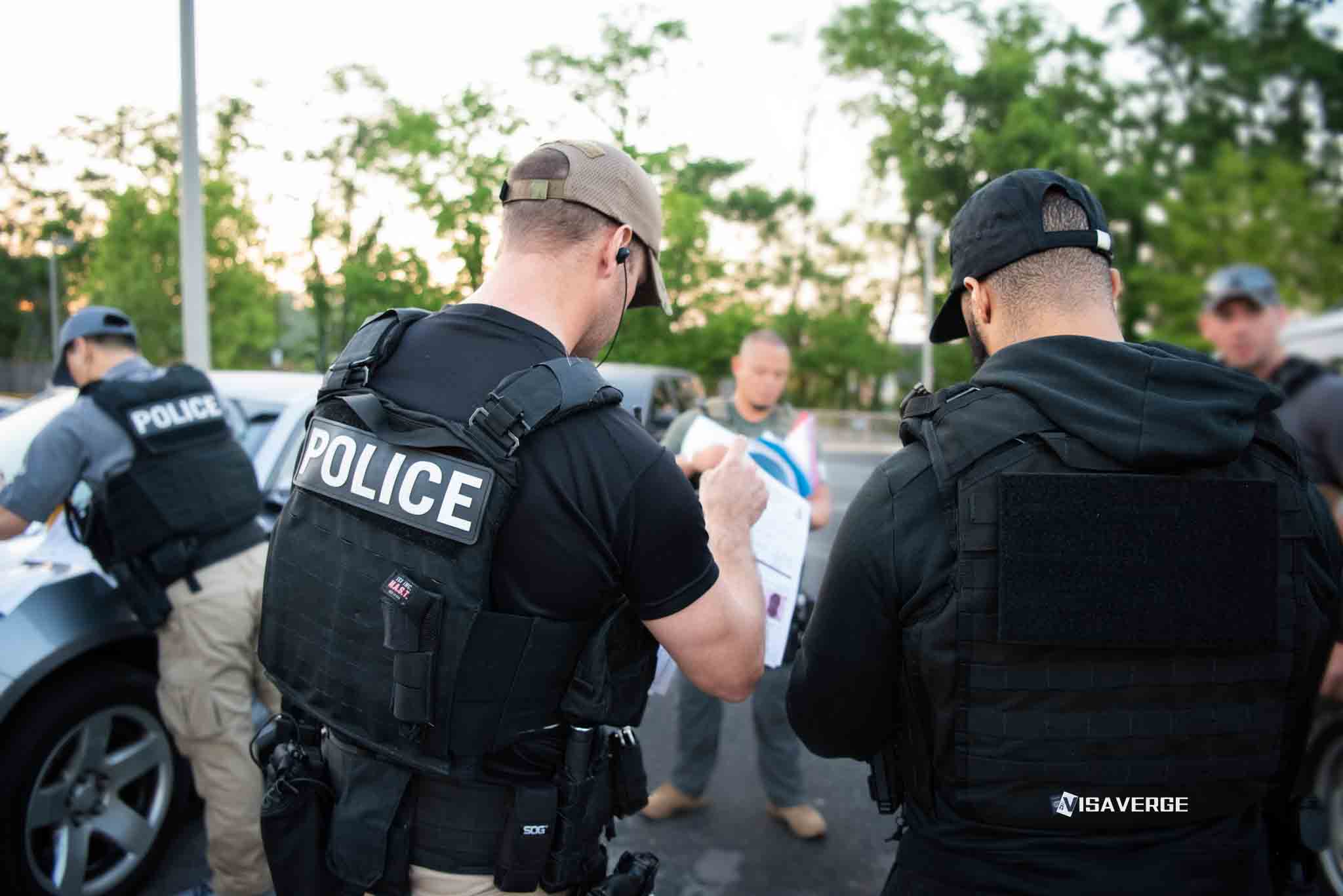
(BALTIMORE, MARYLAND) — The United States Conference of Catholic Bishops issued a Special Pastoral Message on immigration at its Fall Plenary Assembly in Baltimore, condemning the Trump administration’s policies for creating a “climate of fear and anxiety” around enforcement and for vilifying immigrants.
Bishops approved the message by a vote of 216 in favor, 5 against, and 3 abstentions, calling it the first statement of its kind in 12 years and casting it as an unusually direct intervention by the national Catholic hierarchy.
Alongside criticism of rhetoric, the USCCB message opposed indiscriminate mass deportation, condemned violence against immigrants or law enforcement, and warned about threats to “sensitive locations” such as houses of worship, schools, and hospitals.
The bishops framed their argument around human dignity, due process and public safety, while warning that aggressive enforcement debates and tactics can unsettle communities and weaken social cohesion.
Language in the message described fear affecting everyday life, including suppressed Mass attendance, parents avoiding school drop-offs, and families facing separation, as well as the risk of arbitrary loss of legal status.
Pastoral access inside detention centers also featured in the bishops’ concerns, alongside what they described as poor detention conditions.
A detention snapshot cited in the message said that over 23% of nearly 60,000 detainees at end-September 2025 had no criminal convictions, a statistic church leaders and advocates have used to challenge claims that enforcement efforts focus narrowly on serious offenders.
Bishops also pointed to the need for protection of “sensitive locations” from immigration enforcement activity, arguing that community spaces such as churches, schools and hospitals serve vulnerable people who may avoid them if they fear arrests nearby.
The statement condemned dehumanizing rhetoric and opposed what it presented as enforcement practices that can push families into isolation, while also rejecting threats and violence connected to immigration enforcement debates.
In laying out policy demands, the bishops advocated comprehensive immigration reform, including paths to citizenship for contributing immigrants, restored due process and asylum rights, family unity, humane detention standards, protection of sensitive locations from ICE raids, and reintegration funding for deportees.
The message presented the goals as compatible, saying “human dignity and national security are not in conflict.”
The national message also drew added attention because of a series of related public interventions by bishops across the country, who have delivered sharper moral language as enforcement actions and public disputes intensified.
Bishop Mark J. Seitz, chair of the USCCB migration committee, called mass deportation “immoral,” a “campaign of scapegoating,” “gross distraction,” and “violent,” linking it to national crises and incidents such as deaths in Minneapolis involving ICE.
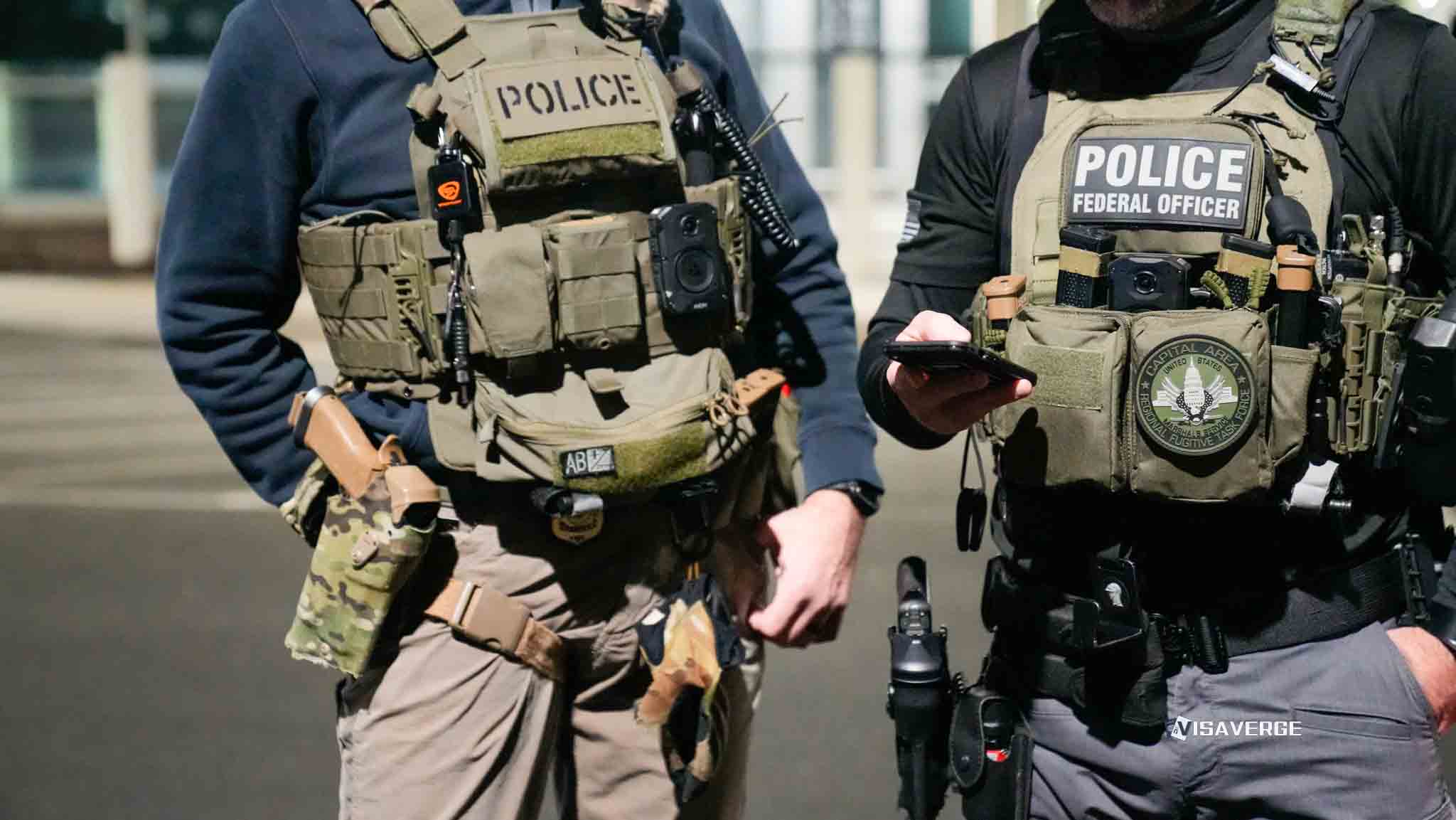
A group of 18 border-state bishops and archbishops urged reforms ahead of Trump’s State of the Union, pressing for due process restoration, an end to masked agents, and protection of sensitive locations.
Those border-state leaders also reiterated their opposition to mass deportation as “detrimental to human rights,” aligning with the national message’s argument that broad-brush enforcement can place communities under strain.
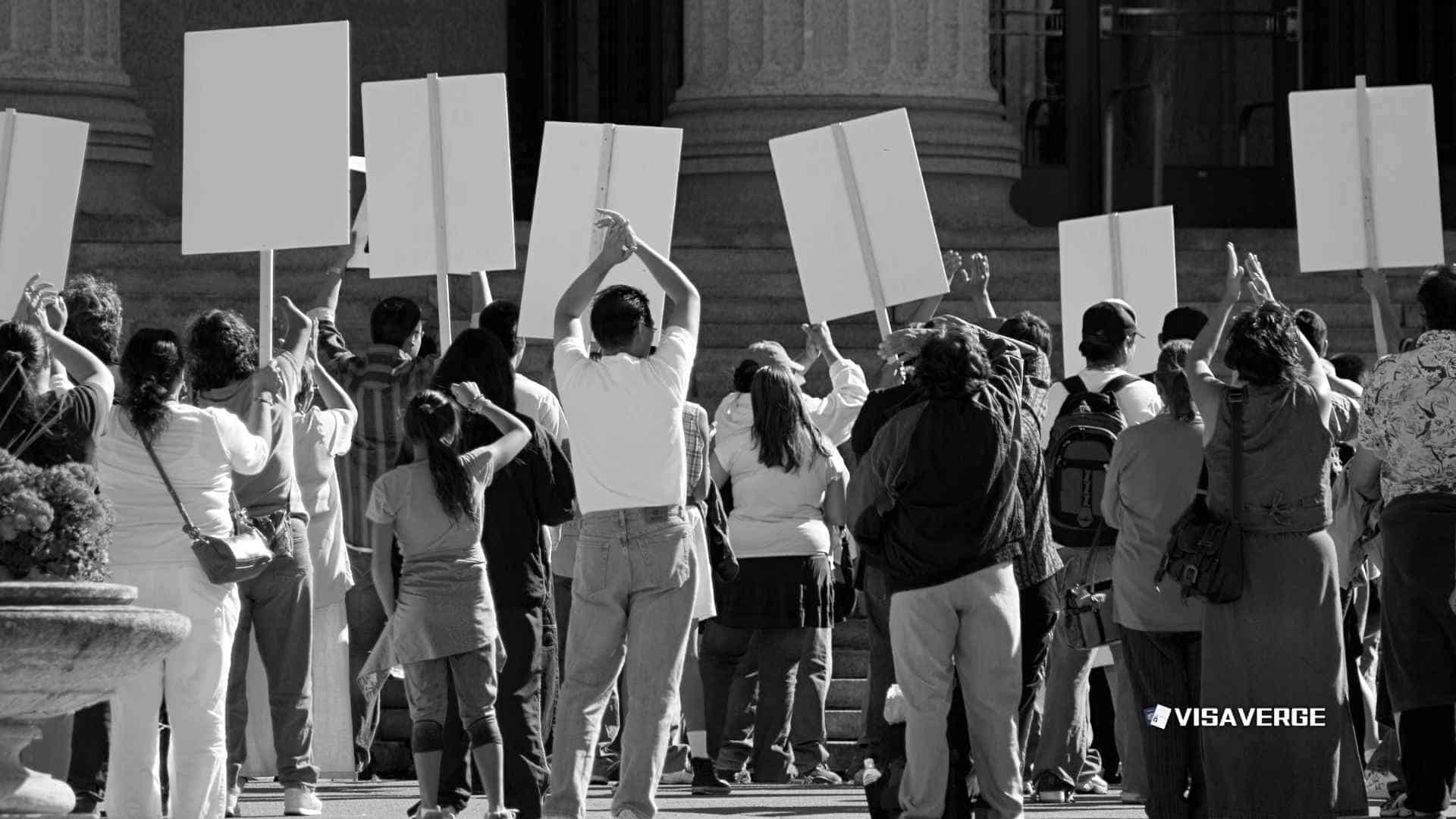
Catholic leaders in California mourned deaths from federal enforcement, condemned violence that they said erodes public trust, and supported protesters seeking accountability, reflecting a posture that combined public grief with an appeal for nonviolence.
Florida bishops appealed to President Trump and Governor DeSantis to pause enforcement over Christmas, citing the scale of removals and departures they said occurred after border security efforts.
In that appeal, the Florida bishops noted over 500,000 deportations and 2 million self-deportations that year after securing the border and removing criminals.
Bishop William Byrne of the Diocese of Springfield endorsed USCCB statements and stressed the need for new legislation reached through dialogue, echoing the national conference’s push to move immigration debate from enforcement flashpoints to congressional action.
The bishops’ message also placed emphasis on how enforcement anxiety can ripple into churches, schools and hospitals, a point that Catholic leaders have tied to concerns about family stability and public access to basic services.
Their warning about “sensitive locations” reflected a broader claim: when people fear arrest on the way to worship, to a child’s school, or to medical care, community institutions lose their ability to serve as trusted spaces.
Beyond the U.S. church, the bishops’ message aligned with Vatican-level criticism of harsh treatment of immigrants, even as U.S. bishops and Rome have diverged at times on other questions.
Pope Leo XIV, described as the first American pope and Chicago-born, deemed Trump’s immigrant treatment “extremely disrespectful” and called for reflection, a message the bishops’ conference held up as consistent with its own emphasis on dignity.
Earlier, Pope Francis labeled similar policies a “disgrace,” adding a sharper moral condemnation that U.S. bishops cited as part of a broader Catholic leadership stance against punitive immigration approaches.
The U.S. bishops’ statement came as enforcement actions and political debate over immigration remained central to national politics, with church leaders portraying their position as both moral and practical.
White House officials, responding to criticism, framed policy as fulfilling Trump’s mandate to “secure the border and deport criminal illegal aliens,” arguing the approach reflects public support for tough enforcement.
That political argument has collided with a polling statistic cited in the debate: 58% view deportations as excessive, a figure church leaders and critics have pointed to as evidence of public discomfort with the scale and tone of enforcement.
The bishops’ message sought to separate the idea of border control from what it presented as indiscriminate enforcement inside the country, arguing that broad deportation drives can undercut due process and intensify fear.
In discussing enforcement-driven tensions, the broader public discourse has also referenced deaths and public reactions that became entangled in political blame.
Incidents cited included deaths of two U.S. citizens and activist Renee Good in Minneapolis, which Vice President JD Vance disputed as left-wing interference.
Seitz’s critique placed mass deportation within a larger moral narrative, using language that cast the policy as a driver of division and as an approach that, in his words, turns immigrants into targets in a “campaign of scapegoating.”
The national conference’s Special Pastoral Message also condemned violence against law enforcement, reflecting the bishops’ attempt to reject threats and physical harm across the political spectrum, even while criticizing administration rhetoric.
At the center of the bishops’ argument sat a due process theme that church leaders have repeated in other interventions: enforcement priorities should not override legal safeguards, particularly for people with longstanding community ties.
Detention conditions and access to pastoral care functioned as another focal point, with bishops using the detention snapshot—over 23% of nearly 60,000 detainees at end-September 2025 had no criminal convictions—to challenge what they see as misleading criminal-conviction framing.
By drawing distinctions between detention makeup, deportation totals, and public opinion, Catholic leaders aimed to widen the debate beyond a single question of border crossings.
They argued that resources should tilt toward orderly legal processes and humane treatment, rather than tactics and rhetoric that they say produce fear and reduce cooperation with authorities.
The bishops’ reform agenda, as presented in their message and in related regional statements, included pathways to lawful status and citizenship for contributing immigrants, a restoration of due process protections, and renewed access to asylum.
Family unity also stood out as a stated priority, alongside detention standards and support for reintegration for people removed from the United States.
Protection for “sensitive locations” from ICE raids formed a practical demand that bishops tied directly to worship and community life, with Catholic leaders warning that the loss of perceived sanctuary can reach well beyond immigrant families.
The Florida bishops’ Christmas appeal illustrated how church leaders have tried to time their interventions to moments they view as morally significant, pairing calls for restraint with claims about enforcement scale.
Border-state bishops’ collective statement ahead of Trump’s State of the Union showed another pattern: coordinated regional messaging designed to press for reforms at moments of peak national attention.
California bishops’ response to deaths and protest activity reflected a third approach, emphasizing mourning, accountability, and public trust while condemning violence that they said could deepen fear.
Byrne’s call for dialogue and legislation underscored a repeated claim from the bishops’ conference that immigration enforcement alone cannot resolve the legal and humanitarian pressures at issue.
While the White House emphasized targeting people described as criminal offenders, bishops stressed that large-scale enforcement approaches can sweep in people without criminal convictions and can disrupt families and communities.
The conference message offered a broad moral framing for why the church is intervening now, describing immigration as a test of national character as well as a question of law and policy.
In closing, the bishops presented their reform package as an attempt to move past zero-sum political claims, insisting again that “human dignity and national security are not in conflict.”
Usccb Issues Special Pastoral Message Condemning Mass Deportation
U.S. Catholic bishops issued a direct pastoral message condemning aggressive immigration enforcement and mass deportations. Highlighting the human cost and the climate of fear affecting schools and churches, the bishops called for comprehensive reform and protected status for sensitive locations. They argued that national security should not conflict with human dignity, pointing to high numbers of non-criminal detainees as evidence for the need for more humane policies.