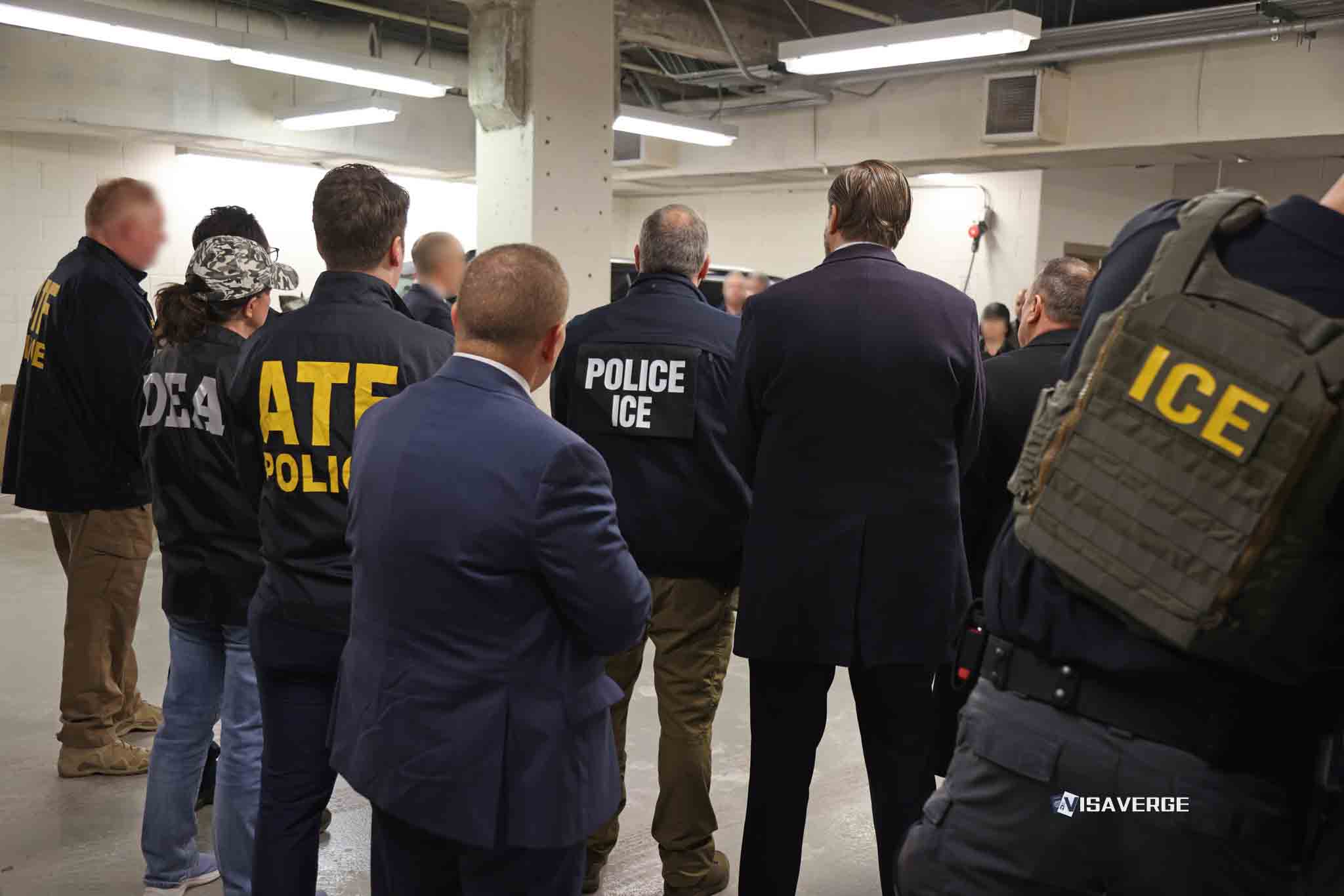
(HOUSTON, TEXAS) — U.S. Immigration and Customs Enforcement detained two Iranian men in Houston after one of them reported nine days late for a required check-in, drawing protests from a Houston church that says deportation to Iran could be deadly.
Pastor Blaine Hooper of Refuge Church in southwest Houston said the men have lived and worked in the United States for over two years with work authorization, paid taxes, and have no criminal records.
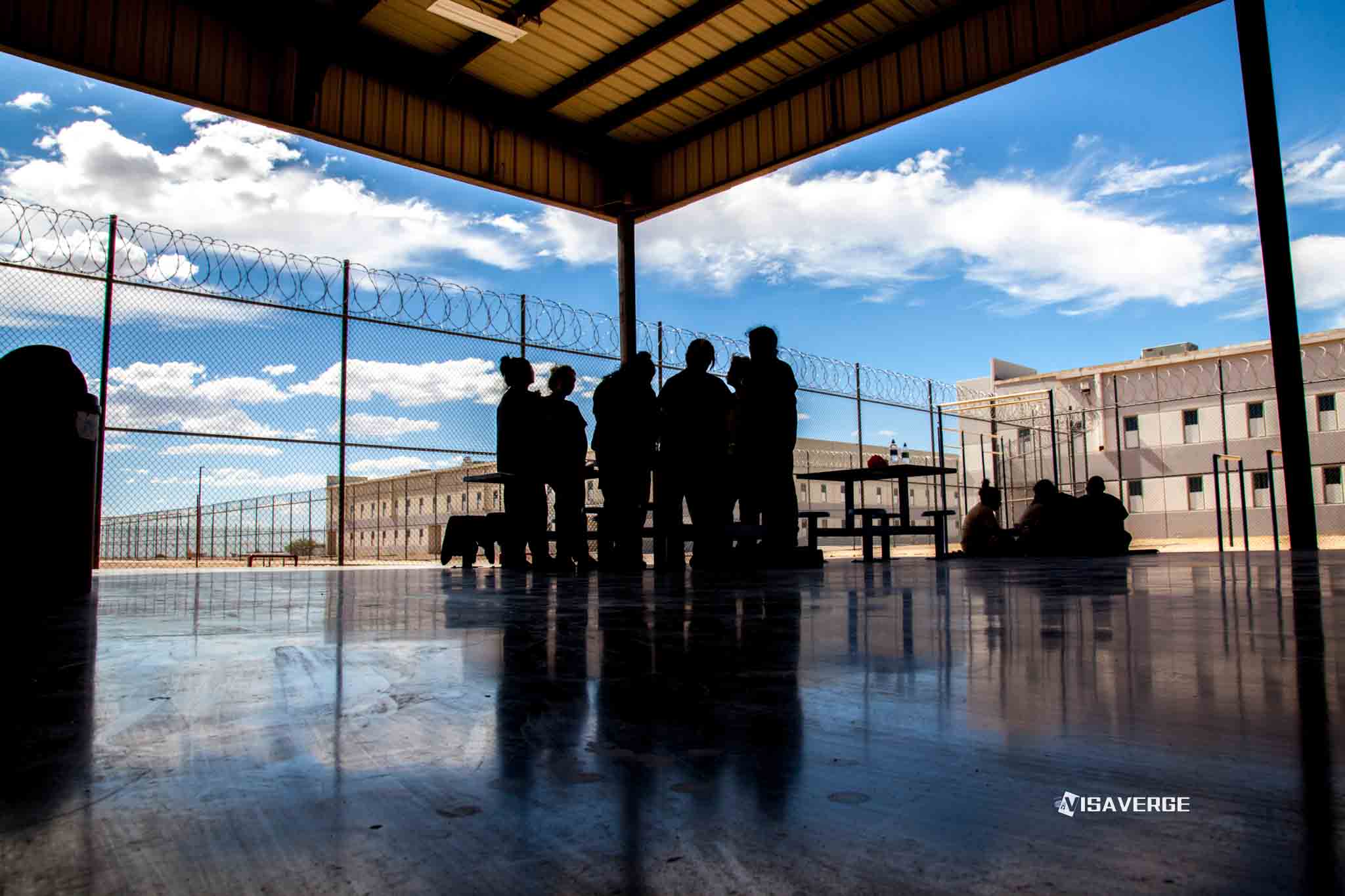
The two men converted to Christianity and said they fled persecution in Iran, Hooper said. Their church and attorney have framed the detention as a test of how the U.S. immigration system handles religious-conversion and protest-related asylum claims while removal cases move forward.
One of the men converted from Islam to Christianity and fears persecution if returned, according to the account provided by the church. The other fled Iran in late 2023 after protesting the police custody death of Mahsa Amini, and a family member was arrested as a fellow protester.
Church members and the men’s attorney said the risk in Iran turns on their conversion and, in one case, political activity. They argue that returning Christian converts can face severe consequences.
Fatemeh, who was born and raised in Iran, warned of the stakes in blunt terms. “If they send him back to Iran, his life is in risk, danger, big danger,” she said.
Attorney Blake Jenkins, who represents one client, said his client’s religious identity and protest history put him in danger if deported. “As a professed believer in Christ and former protester against the Iranian government, my client faces physical punishment and death if he is sent to Iran under the current conditions. If ever we should be granting asylum and halting removal under our nation’s laws, we must do so here,” Jenkins said.
ICE disputed how the men entered the United States and how they were released while their immigration cases proceeded. An ICE spokesperson said the men “did not enter the U.S. through a port of entry as legally required and ‘were recklessly released into the interior of the country by the Biden administration without proper vetting.’ One reported for a required check-in nine days late,” the spokesperson said.
Jenkins attributed the nine-day delay to his client’s limited English knowledge. The attorney and church members have treated the missed check-in as the immediate trigger for detention, while ICE has emphasized what it calls an unlawful entry outside a port of entry and a release “without proper vetting.”
The case has also drawn attention because it involves people the church describes as long-settled, working and authorized to work, and without criminal records, even as ICE points to its broader enforcement position. The dispute over entry and supervision sits alongside the men’s claim that they face persecution in Iran because they became Christians and, in one case, protested the government after Mahsa Amini’s death.
Data from TRAC Immigration, a commonly cited source for immigration court and detention trends, provides a broader context for how detention can involve people without criminal convictions. TRAC Immigration data shows 74% of ICE detainees have no criminal convictions.
Those figures, advocates say, help explain why individual detentions like the Houston church case can draw scrutiny beyond the immediate facts of a single check-in. The data also distinguishes between agencies involved in arrests and bookings, which can matter in understanding who initiated the enforcement action.
In January 2026, ICE arrested 36,099 people while CBP arrested 3,595, totaling 39,694 booked into detention, TRAC Immigration data shows. The measure reflects people “booked into detention,” and it separates arrests by ICE from those by U.S. Customs and Border Protection.
For Refuge Church, the numbers offer a backdrop to what it describes as a concrete fear: that removal could send Christian converts back to a country where they say their conversion would be punished. For ICE, the focus has stayed on entry and supervision, including the missed check-in and the assertion that the men did not enter through a port of entry.
The legal framework governing the men’s claims centers on asylum and related protections, which require immigration officials and judges to evaluate whether a person faces persecution on a protected ground. Under INA § 208, asylum requires proving a well-founded fear of persecution based on religion, political opinion, or other protected grounds.
The church and attorney have highlighted religion as the central issue because the men converted to Christianity, including one who converted from Islam. The source account also ties one man’s fear to political opinion because he protested after the death of Mahsa Amini in police custody and had a family member arrested as a fellow protester.
The source account notes that Iranian converts from Islam and anti-government protesters often qualify for asylum, though the process depends on individual facts. It also states that entry method and prior release can trigger detention and removal proceedings under INA § 235(b) and 8 CFR § 208.14.
ICE’s statement put unusual weight on entry and release, asserting the men did not enter “through a port of entry as legally required” and that they “were recklessly released into the interior of the country by the Biden administration without proper vetting.” The church and attorney, by contrast, have emphasized that the men had work authorization and, in Hooper’s account, paid taxes and had no criminal records.
The dispute also sits within a process that can move quickly once someone is detained, with decisions shaped by what immigration authorities conclude about eligibility for relief and whether removal should proceed. In this case, no specific hearing dates or outcomes for these men are reported.
Jenkins has argued that the U.S. should halt removal and grant asylum, while making clear that he views the danger in Iran as acute. His statement connected his client’s conversion and protest activity to the risk of “physical punishment and death,” and he urged officials to apply “our nation’s laws” to stop removal.
The source account also points to alternatives when asylum is barred or unavailable. It says attorney representation is critical for withholding of removal under INA § 241(b)(3) or CAT protection if asylum is unavailable.
Those forms of protection, when granted, can block removal to a country where a person is found to face certain harms, even if asylum is not available. The source account frames them as pathways that may arise in removal proceedings when a person cannot obtain asylum but still seeks protection from being returned.
The Houston case also comes as other Iranian nationals have raised similar fears in immigration proceedings, including claims tied to identity and risk in Iran. A separate January 30, 2026, case involved three LGBTQ Iranians fearing death if deported.
Refuge Church has treated the detention as a direct threat to the men’s safety, centering its argument on what it says awaits Christian converts in Iran. The men’s lawyer and supporters have also tied the urgency to the other man’s participation in protests after Mahsa Amini’s death, which they say adds to the danger if he is returned.
ICE, for its part, has stressed legal entry requirements and supervision compliance, and it has pointed to the nine-day late check-in as part of the basis for the detention. Jenkins has disputed the implication that a late check-in reflected anything more than a language barrier, attributing the delay to his client’s limited English.
With no hearing dates publicly reported, the immediate future for the two men remains tied to detention decisions and the progress of their claims for protection under U.S. law. For the Houston church that has rallied around them, the question remains the one Fatemeh put in personal terms: “If they send him back to Iran, his life is in risk, danger, big danger,” she said.
ICE Detains Iranian Asylum Seekers at Houston Church Over Mahsa Amini
ICE detained two Iranian Christian converts in Houston after a missed check-in, leading to a legal battle over asylum rights. While ICE cites illegal entry and procedural failures, the men’s church and attorney warn that deportation to Iran poses a lethal threat due to their religious conversion and past political activism. The case highlights broader concerns regarding the detention of non-criminal immigrants seeking protection.