(UNITED STATES) — The House-passed SAVE America Act would require documentary proof of citizenship for voter registration and direct states to submit rolls to DHS SAVE for verification, but it does not authorize DHS to target U.S. citizens or retroactively probe past voting by naturalized citizens.
Section 1: Overview of the SAVE America Act and DHS SAVE context
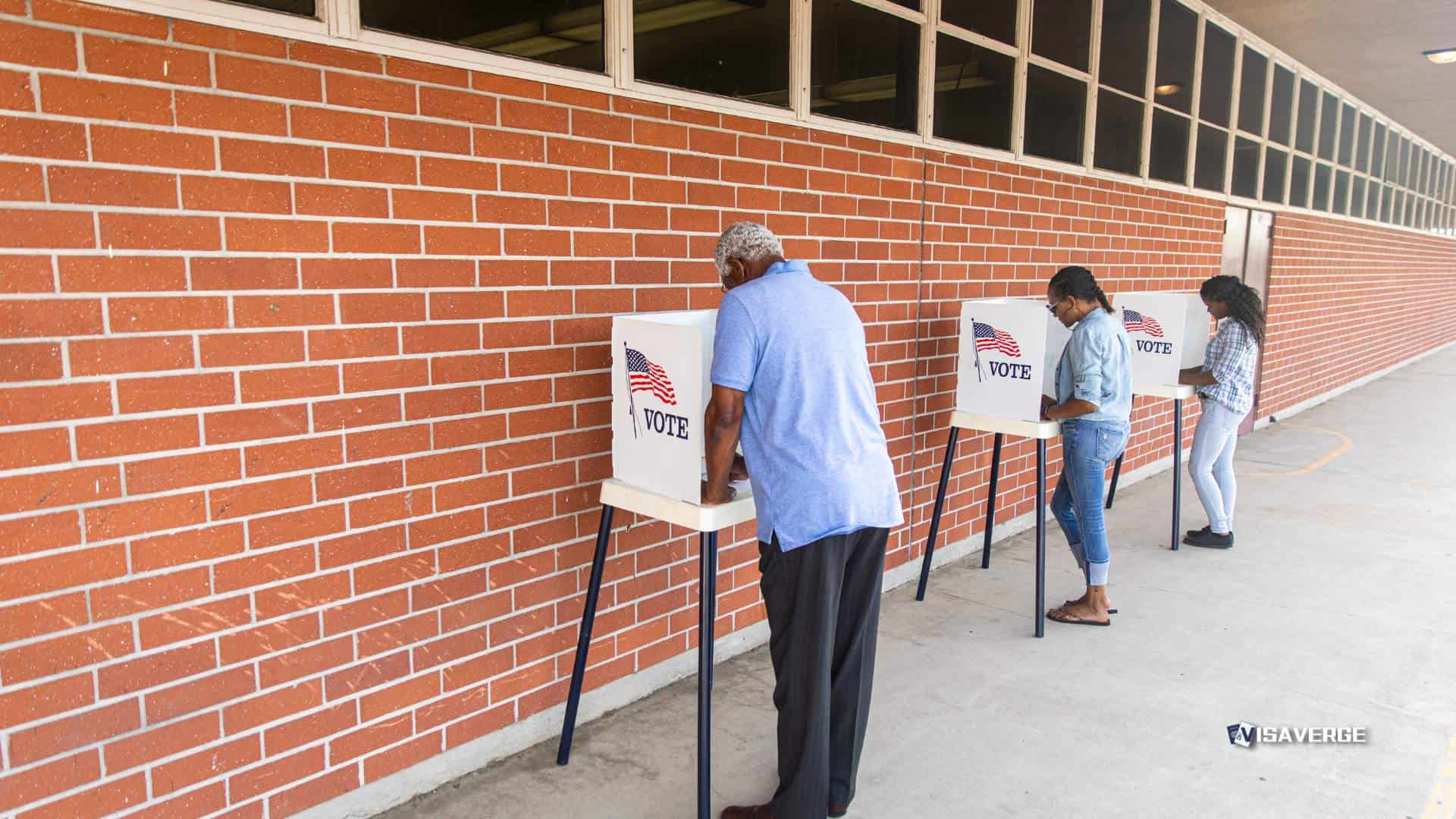
Debate around the SAVE America Act has intensified because it ties voter registration to a tighter documentary standard and adds a federal verification step. the bill would push voter registration toward a “show your citizenship papers” model, instead of relying mostly on signed attestations under penalty of perjury.
A central feature is DHS’s SAVE program—SAVE (Systematic Alien Verification for Entitlements). SAVE is a verification system. It is typically used by government agencies to check whether a person is an eligible noncitizen for a benefit or service, or to confirm certain immigration status information. It is not designed as a general-purpose law enforcement “search tool” for finding U.S. citizens.
Think of SAVE like a database-backed confirmation service. An agency sends identifying information, and SAVE returns whether DHS records support a particular noncitizen status claim. That design creates limits. SAVE generally confirms immigration-status records, and it may not resolve every edge case quickly, especially when records are old, incomplete, or tied to name changes.
That distinction matters. Eligibility verification is about confirming a registration requirement. Enforcement is about investigating and prosecuting violations. The SAVE America Act is written around verification steps for voter registration and voter rolls, not a broad enforcement mandate.
Section 2: What the bill does and does not authorize regarding DHS and citizens
House language around DHS focuses on states submitting voter roll information for checking against SAVE. The concept is a cross-check: states provide a set of voter records, and DHS provides a verification response based on what SAVE can confirm in its systems.
Concern has spread online that the Department of Homeland Security is “searching” for U.S. citizens who might have voted before naturalization. As of February 23, 2026, there has been no official announcement that DHS is running a generalized effort to look for U.S. citizens in this way. More importantly, the amended House version does not authorize DHS to target U.S. citizens—including naturalized citizens—through a broad “search” program, and it does not create a retroactive mandate to probe past voting by people who later naturalized.
Naturalized citizens are U.S. citizens. After naturalization, they vote as citizens. Questions about voting before naturalization fall into a different category: potential illegal voting allegations. The House bill’s verification structure is not written as a backward-looking investigative dragnet for that scenario.
Legislatively, this is still a proposal. The House has passed the bill, but it would need Senate action and then a presidential signature to become law. Until that happens, the SAVE America Act is not in effect.
Readers most directly touched by the proposal include people trying to register, election offices that must process registrations, and voters whose paperwork is missing or hard to replace. That practical reach is wider than many assume.
Table 1: Proposed verification changes and related requirements
| Element | Current Status (as proposed) | Impacted Area | Notes |
|---|---|---|---|
| Proof of citizenship for voter registration | Would be required upon enactment | Voter registration intake | Examples often cited include a passport, birth certificate, or naturalization certificate |
| State submission of voter rolls for SAVE checks | Would be required upon enactment | Ongoing voter list maintenance | Shifts emphasis from one-time checks to repeat verification cycles tied to SAVE responses |
| Verification versus “search” authority over U.S. citizens | Bill does not authorize a generalized DHS search for U.S. citizens | Program scope and public messaging | The amended House version frames DHS’s role as verification support, not citizen-targeting enforcement |
| Photo ID mandate concept | Would expand photo ID requirements in states without them | Voting process at the polls | Described as affecting states among the 27 that currently lack photo ID requirements |
| Registration channels (mail/online) | Would restrict mail/online registration without in-person document presentation | How voters register | Adds steps for voters who previously registered remotely |
Section 3: Key provisions effective upon enactment
“Effective upon enactment” is the hinge. If enacted, states could face immediate compliance pressure, even if real-world implementation takes time. That gap between legal deadlines and administrative reality is often where friction starts.
One major change is the shift away from polling-place proof concepts and toward ongoing voter roll verification scans tied to SAVE. Instead of focusing on what happens at the moment someone shows up to vote, the bill aims to move verification upstream and keep doing it over time.
Another piece is the photo ID mandate concept. Operationally, a photo ID requirement usually means election workers must be trained to review acceptable IDs, handle voters who forgot ID, and follow any provisional ballot steps the state adopts. None of that is inherently simple. It requires procedures that are consistent across counties and precincts.
Registration channels would also change. The bill would eliminate mail and online registration pathways unless the person presents required documents in person. That design can add steps for eligible voters who do not have citizenship documents readily available. The figure cited in public discussion is 9% of voting-age citizens lacking ready proof.
Section 4: Practical impacts and implementation considerations
Election administration runs on calendars, staffing, and budgets. With the 2026 midterms approaching, officials have warned that new document checks, new workflows, and new interfaces with federal verification systems could strain capacity.
Funding is a first constraint. Technology integration is another. States and counties would need secure processes to transmit voter roll information and receive results, then staff to resolve “no match” or “needs more information” cases. Training takes time. So does writing public-facing guidance.
Kansas offers a concrete example of what friction can look like. Kansas (2013 law) required proof of citizenship for voter registration. That effort blocked 31,089 registrations, or 12% of attempts, before a 2018 court ruling struck it down. Supporters and critics disagree on what those numbers mean politically, but the administrative lesson is clearer: document-based systems can generate large backlogs and disputes, especially when voters cannot quickly produce papers.
Document access is another pinch point. The Brennan Center for Justice has estimated that over 21 million Americans lack citizenship documents. Replacement can involve fees, delays, and records that do not match a current legal name. Women with name changes are often cited in these discussions because a mismatch can require extra steps to reconcile.
A useful comparison is the REAL ID rollout at DMVs. Justin Riemer has argued that states can scale document verification because DMVs already do it for identity credentials. That analogy cuts both ways. DMVs showed that document checks can be done, but also that rollouts can bring long lines, phased enforcement, and uneven readiness from one office to another.
✅ What states would need to prepare for if the bill advances: document verification processes, potential IDs, and in-person document presentation.
Section 5: Current status and official communications
As of February 23, 2026, there have been no DHS press releases, no Federal Register notices, and no USCIS or EOIR updates announcing any active DHS “search” targeting U.S. citizens for past voting before naturalization. Verification systems can be discussed loudly online without any operational directive behind them. Official channels still matter.
Bill status is the controlling fact for day-to-day life. The SAVE America Act has passed the House, but it remains pending Senate action and a presidential signature. That means current voter registration procedures are governed by existing federal and state rules, not by the House proposal.
Local government communications can also be misread in a national controversy. One example is St. Mary’s County, MD, which issued an election-related release dated Feb 18, 2026, about emergency powers. That is unrelated to a DHS voter probe narrative.
The referenced materials circulating on this topic generally include two national-level write-ups and that county release with its date. Their timelines are being used to support broad claims, but the verified operational announcements are not there.
⚠️ Not in effect unless enacted; status is pending Senate action and presidential signature.
Section 6: Clarifications and common misconceptions
Verification is not the same as enforcement. A SAVE-based check is meant to confirm eligibility information in DHS records. It is not the same thing as DHS opening investigations into citizens. The amended House version reflects that distinction by framing DHS as a verification partner, not as a roving investigator of U.S. citizens.
Data matching can still be messy. False matches can happen when people share names or dates of birth. Records can be outdated. Naturalized citizens may have older DHS identifiers that do not line up cleanly with a state voter file. Any large-scale cross-check system typically needs a clear correction path so eligible voters can fix errors without losing the chance to register.
If the bill advances, watch four signals, in this order: whether it passes the Senate, whether it is signed, what the effective date language requires, and what official DHS/USCIS guidance says about how SAVE checks would be run. Until those steps occur, treat claims of an active DHS citizen-targeting “search” with caution and rely on official postings, including USCIS’s SAVE program information at USCIS SAVE program information.
This article covers proposed law and status that is not yet enacted; readers should consult official DHS/USCIS updates for confirmed actions
Legal interpretations are based on the text provided and do not constitute legal advice