(GREECE) — Greece’s air traffic authorities shut down national airspace on January 4, 2026 after a major radio communications failure flooded all air traffic channels with noise, grounding flights, diverting inbound aircraft and stranding thousands of passengers as disruption spread across Europe.
What happened
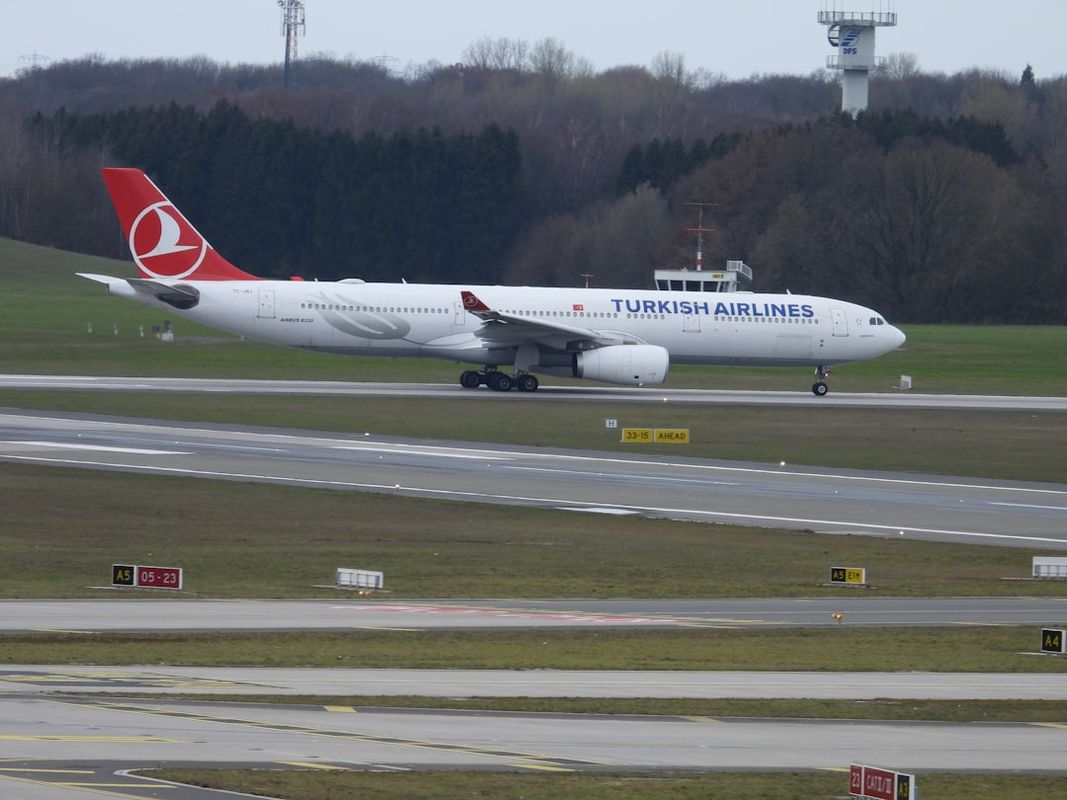
Noise affected all air traffic communication channels, including backup systems, triggering what authorities described as an airspace shutdown that lasted several hours. The breakdown left aircraft unable to rely on the radio links used between pilots and air traffic control, forcing widespread operational stoppages.
As Greece’s Civil Aviation Authority worked to recover service, flights across the country remained grounded and incoming aircraft were diverted to several countries in the region. The diversions created a large backlog, and thousands of passengers were stranded as the disruption cascaded well beyond Greece’s borders.
Official response and investigation
Christos Dimas, Greece’s transport minister, said the incident was “unlikely to have been a cyberattack,” while stressing that passenger safety was never at risk. He called it “a very serious incident” and said the cause was still under investigation as of January 5.
On January 5, authorities launched both:
- a judicial inquiry, and
- an internal investigation
to determine the root cause of the radio frequency collapse. Officials did not provide a timetable for when findings would be available, while emphasizing that the system was being restored and operations were returning gradually.
Key point: Authorities emphasized safety was not compromised, but the incident prompted immediate legal and internal probes because backup systems were also affected.
Impact on flights and passengers
The operational effects were extensive:
- Flights across Greece were grounded for several hours.
- Inbound aircraft were diverted to neighboring countries, creating large operational backlogs.
- Thousands of passengers were stranded at airports or en route.
- The disruption spread into a Europe-wide travel problem, causing delays and knock-on effects across the continent’s aviation network.
The scale of the backlog highlighted how closely interconnected schedules are between airports and airlines, especially when a country’s airspace experiences a sudden halt.
Calls for modernization
The Air Traffic Controllers’ Association seized on the collapse to renew longstanding calls to modernize and replace outdated equipment. The association argued the incident demonstrated why upgrades are needed, noting that the outage affected both primary communications and backup systems.
Restoration and lingering consequences
The Civil Aviation Authority’s gradual restoration of operations eased the immediate shutdown, but consequences persisted:
- Diverted aircraft and stranded passengers fed into an accumulating backlog.
- Onward travel plans were widely upended as inbound flights rerouted to neighboring regions.
- Ripple effects extended across Europe’s broader network of connections, complicating crew rotations and aircraft positioning.
Outstanding questions
Greek authorities have not publicly identified the specific cause of the noise across the channels, beyond stating the matter remained under investigation as of January 5. The simultaneous launch of a judicial inquiry and an internal probe reflected the seriousness of the failure and the pressure to account for how backup systems were also affected.
The episode left Greece’s aviation system facing urgent questions about resilience and equipment, intensified by controllers’ calls for modernization. Meanwhile, travelers and airlines continued to confront the immediate reality of grounded flights, diversions, and the backlog that followed the airspace shutdown.
Timeline (concise)
| Date | Event |
|---|---|
| January 4, 2026 | Major radio communications failure; national airspace shut down; flights grounded and diverted. |
| January 5, 2026 | Transport minister comments; judicial inquiry and internal investigation launched; system restoration underway. |
Important note
- Safety: Authorities maintained that passenger safety was never at risk despite the communications collapse.
- Investigations ongoing: No public timetable for findings; cause not publicly identified as of January 5.
Greek authorities shut down national airspace on January 4, 2026, following a total radio communications failure. The incident affected primary and backup channels, leading to flight groundings and diversions across Europe. Investigations were launched on January 5 to determine the cause, likely an electromagnetic disturbance. The event sparked urgent calls for infrastructure modernization to prevent future systemic failures and mitigate ripple effects across the continent’s interconnected aviation network.