Key Takeaways
• Malta prosecutes fake passport and work permit cases, with sentences including jail, suspended sentences, and deportation.
• Authorities identified scams involving figures like Kenneth Portelli and Andre D’Amato, targeting third-country nationals seeking employment.
• Victims lose savings to fraudulent agents, and genuine applicants face delays due to increased scrutiny and stricter enforcement.
Fraudulent Documents and Work Permits: Malta’s Strict Immigration Enforcement
Malta 🇲🇹, a small but important country in Europe, has been in the news for several incidents involving fake passports and fraud connected to work permits. These cases show how the authorities take document fraud very seriously, especially when it involves people trying to work or live in the country without following the law. The cases involve both local and foreign people, from those selling fake passports to those using them, as well as scams targeting foreigners who wish to work in Malta 🇲🇹.
Let’s look closely at some of these cases, the actions the authorities have taken, and what this means for immigrants, employers, and the general public in Malta 🇲🇹.
Malta’s Approach to Work Permit Fraud
In recent years, Malta 🇲🇹 has seen an increase in attempts to get work permits using fake documents. A work permit is an official paper that allows someone from another country, often called a “third-country national” if they’re not from the EU, to work in Malta 🇲🇹.
One major case involved Kenneth Portelli, a 43-year-old man charged with fraud. Portelli is accused of making false employment documents to help people from outside the European Union get work permits. According to reports, he even forged the signature of someone who was supposed to be the employer. Portelli reportedly took money from foreign workers, promising them jobs and work permits that did not really exist. At least three Indian nationals fell victim, arriving in Malta 🇲🇹 expecting jobs that were never real.
The court granted Portelli bail, but his scam targeted both foreign workers and Maltese authorities. The fake papers claimed that a business called “Shakes N’Bakes” needed to hire 20 workers. This leads to real dangers for both the foreign workers—who spend money and time dreaming of a better life—and for honest employers, who face increased checks and delays when dishonest people attempt scams.
The Many Faces of Passport Fraud
Malta 🇲🇹 is also a key point for people trying to use fake passports to travel, work, or live in the European Union. In several cases, people from different countries have been caught using fake passports, sometimes hoping to avoid entry rules that apply to their own countries.
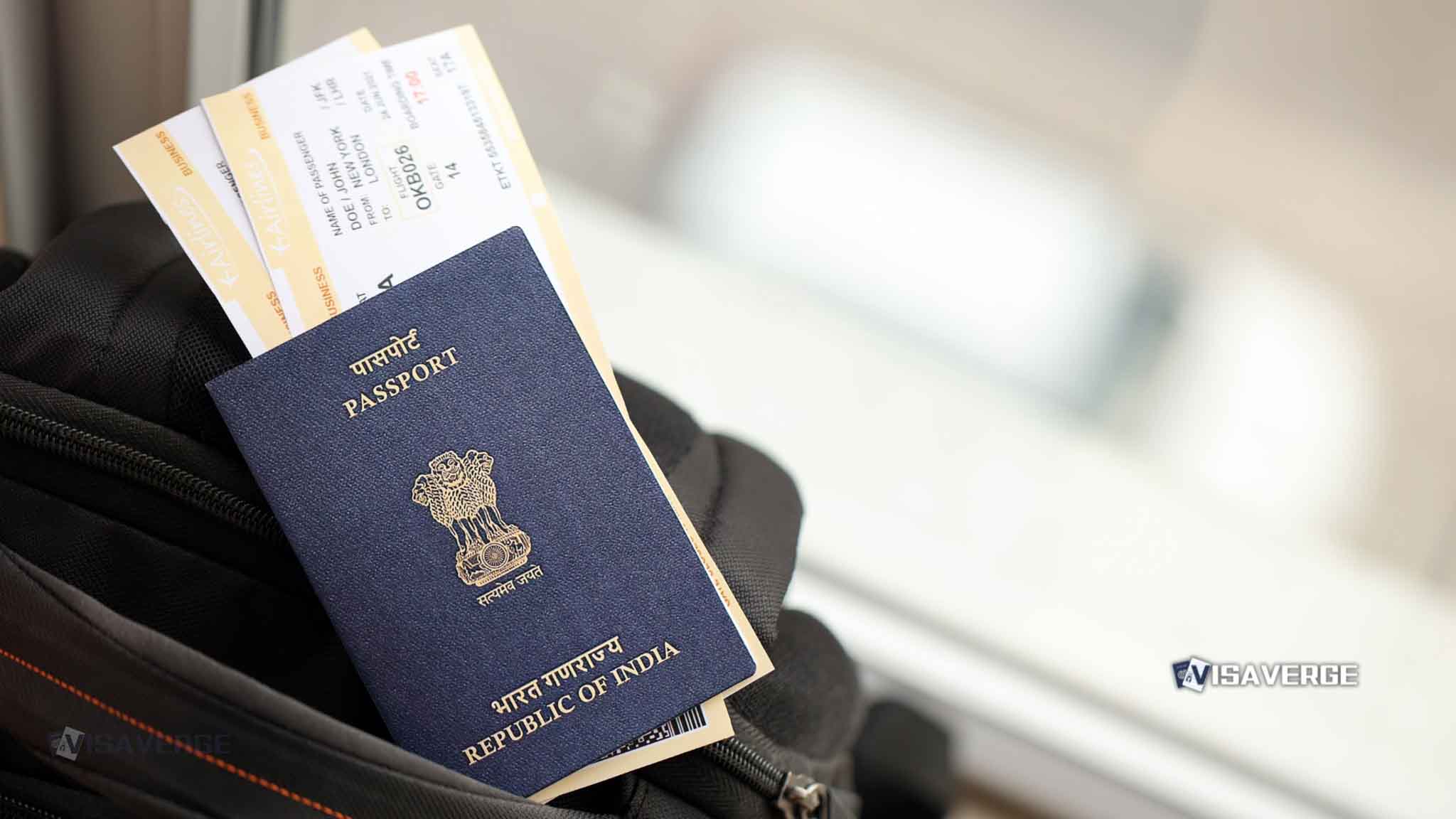
- Thirteen Bangladeshi nationals were found at Malta International Airport with fake passports. They had bought the passports for €500 each in Greece 🇬🇷 and tried to come to Malta 🇲🇹 from Athens. Officials checked their papers and quickly saw they were false. As punishment, each person received a six-month jail sentence.
- In another case, an Albanian man tried to use a fake Bulgarian passport to avoid restrictions that apply to Albanian travelers. Instead of a prison sentence, the court gave him a suspended sentence, meaning he would not go to jail unless he broke the law again.
-
Police arrested a 32-year-old Somali man and a 39-year-old man in separate incidents. Both were suspected of selling fake passports and residence permits to help people stay or travel in Europe illegally.
-
Mirhawi Berhe, a 22-year-old man, was sent to prison for carrying a fake Italian passport and a false residency card.
-
Desire Koiba, a 24-year-old football player from Guinea 🇬🇳, living in Ghaxaq, Malta 🇲🇹, was arrested for trying to travel using a fake passport. Koiba admitted to the charges.
Each story highlights the strict rules Malta 🇲🇹 follows and the penalties for breaking them. The courts and police move quickly when they find someone trying to get around immigration laws.
Human Trafficking and Larger Scams
The fight against fake passports and work permit fraud is not only about catching people with false documents. Some cases show large, organized scams that can harm many people and hurt Malta’s 🇲🇹 reputation as a safe and fair place to work.
A noteworthy case involved Andre D’Amato, a former employee at Malta’s government IT agency. He faced several very serious charges, including human trafficking, money laundering, and faking official documents. A man from Nepal 🇳🇵 claimed he paid €4,000 for a work permit in Malta 🇲🇹, arranged by D’Amato. According to court records, the fake work permit came with a pretend employment contract from a company called KSL, but the real director of KSL said he had never met or even heard of the applicant, and his signature had been forged.
Authorities charged D’Amato with computer misuse, destroying, changing, and using official papers in illegal ways, along with making false promises to the authorities. These complex scams hurt everyone—victims lose their savings and hopes, while Malta’s 🇲🇹 businesses and government have to spend more money and time fighting fraud.
How Malta’s Laws Work
Malta 🇲🇹 has strict laws to stop people from coming or staying in the country using fake documents. If caught, people face several risks:
- Immediate arrest and questioning by the police.
- Court trials, where judges can give jail sentences or other punishments.
- Fast deportation or forced return to their home country.
- Bans from traveling to other EU countries.
The legal system looks at each case, deciding if the person made or used fake papers or helped others do so. Sellers and makers of fake passports face some of the harshest punishments, as their actions help many others break the law.
Impact on Workers and Employers
For those who truly want to work in Malta 🇲🇹, these fraud cases make things more difficult. Honest workers must wait longer for their work permit applications, as every paper gets checked more carefully. Sometimes, even real applications face delays because the authorities want to make sure that everything is correct.
Employers also have concerns. Real companies may get questioned if scammers use their names without permission, as seen with KSL and “Shakes N’Bakes.” This can cause extra paperwork, worry, and damage to their reputation. Businesses need to check documents from new hires, and may even get training to spot possible warning signs.
For people using fake documents, the risks are even greater. They spend money and hope on false promises, only to get trapped, face jail, or be sent back to their home country with nothing.
The Broader Picture: Immigration and Fraud in Malta
Malta 🇲🇹, being a member of the European Union, serves as a gateway for many who want to work in Europe. Its strong economy, beautiful Mediterranean setting, and need for workers in some industries make it an attractive place. However, because this demand is high, some are willing to break the law to get here or help others enter the country in illegal ways.
Document fraud, especially related to work permits and fake passports, is a problem not only for Malta 🇲🇹 but for many other countries. The European Union shares information and works together to track criminals and fake documents.
In several of the cases listed above, documents were easily bought in other European countries (like the fake passports from Greece 🇬🇷) but were spotted by trained border officials in Malta 🇲🇹. This cooperation helps keep the entire region safer.
What Are the Signs of Work Permit and Passport Scams?
People looking for work abroad should be careful. Here are some warning signs to watch out for:
- Requests for large payments up front for job offers or visa help.
- Promises of easy or “guaranteed” success in getting a work permit.
- Employers whose addresses, emails, or phone numbers cannot be confirmed.
- Contracts where the company name or job details do not match official records.
- Documents that look odd or different from other official documents.
If you are ever unsure, you can check with official government sites, such as the Identity Malta Agency for information on proper work permit procedures. The agency explains what the real forms look like and what is needed for a legal application.
Who Is Most at Risk?
Often, people from outside the European Union face higher risks. Desperate for better jobs, they may trust agents or “fixers” who promise results. These agents sometimes ask for large sums—like the €4,000 paid by the Nepalese victim in D’Amato’s case. These scams can drain family savings and even lead to criminal charges for the victim, if caught with fake documents.
Young people and those with little knowledge of official processes can fall into these traps quickly. That is why education, support, and clear information matter greatly.
What Happens to Those Caught?
As seen in Malta’s 🇲🇹 courts, punishments are real and often severe:
- Jail sentences, as in the case of the 13 Bangladeshis.
- Suspended sentences, where the guilty must not break any rules for a certain period, or they go to jail.
- Deportation and blocks from re-entering the country or Europe for many years.
Even those who only tried—but did not succeed—in entering Malta 🇲🇹 with a fake passport usually face a criminal record. This can ruin future hopes for visas or travel almost anywhere.
Malta’s Continued Battle Against Document Fraud
Authorities in Malta 🇲🇹 are working hard to keep up with new kinds of document fraud. While fake passports, residence permits, and work permits pose a big problem, the police are improving training for front-line staff and building stronger ties with other countries.
Regular court cases and media attention also help by warning the public and those thinking about breaking the law. As reported by VisaVerge.com, the increasing number of arrests and court cases shows Malta’s 🇲🇹 zero-tolerance approach toward document fraud.
At the same time, the government is trying to make real processes clear and fair. By making official information easy to find and use, and by helping both employers and workers know the right steps for legal work, Malta 🇲🇹 can handle real needs while quickly catching dishonest acts.
Final Thoughts and Staying Safe
Cases in Malta 🇲🇹 remind everyone—whether they live there, want to work there, or are responsible for hiring people—of the risks and troubles caused by fake passports and work permit scams. The stories show that while the dream of a better job or life is strong, trusting the wrong person or using fake papers can lead to jail, deportation, and lasting problems.
If you plan to seek a work permit in Malta 🇲🇹, use only the official channels, never pay someone who promises secret “shortcuts,” and double-check every document you receive. If you are suspicious about any offer, visit the Identity Malta Agency website for guidance or to report possible fraud.
By staying informed and careful, you can protect yourself and help Malta 🇲🇹 remain a fair and safe place for honest workers, families, and companies. The laws are clear, the penalties are strong, and the message from both the government and the courts is simple: respect the rules, and you can build your life in Malta 🇲🇹 the right way. Do not risk jail, fines, or being sent back by using a fake passport or falling into a work permit scam.
Learn Today
Work Permit → An official document allowing non-EU citizens (third-country nationals) to legally work in Malta.
Third-country National → Someone who is not a citizen of the European Union, often requiring special permission to live or work in the EU.
Suspended Sentence → A court punishment where jail time is avoided unless another crime is committed within a certain period.
Deportation → The forced removal of a person from a country, usually following legal violations such as document fraud.
Human Trafficking → The illegal transport or recruitment of people, often using fraud or coercion, typically for exploitation or forced labor.
This Article in a Nutshell
Malta enforces strict immigration rules, punishing fake passport and work permit use with jail or deportation. Recent cases reveal both locals and foreigners involved in document fraud. Victims often lose money and hope. Malta’s rigorous checks protect genuine workers and ensure fair, legal employment. Always use official channels.
— By VisaVerge.com
Read more:
• Latvia tops list of easiest countries for a Working Visa in 2025
• IRCC lets IEC participants in Canada receive work permits by mail
• UK plans new visa limits for families and care workers
• IRCC lets IEC work permits be mailed directly to applicants in Canada
• Ruben Gallego Challenges Self-Deportation With Bold Work Visa Plan